



Pure Melatonin Powder Specifications: Purity, Testing, and COA
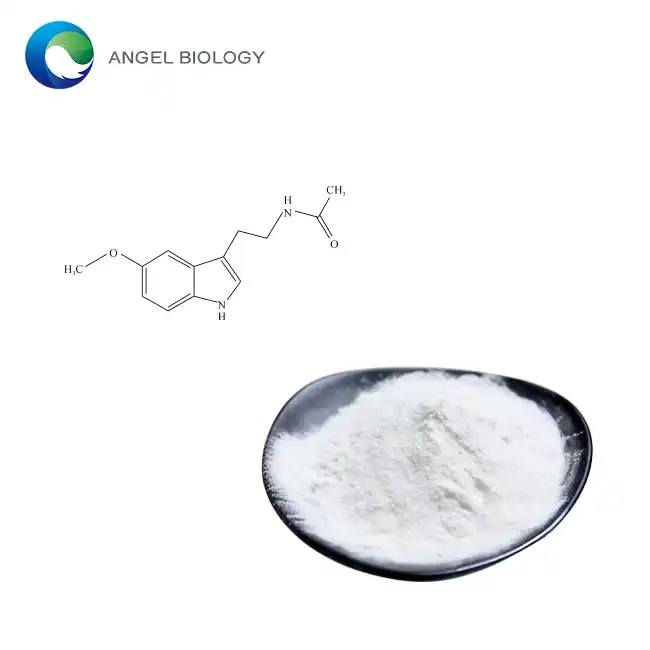
When sourcing melatonin as a raw material, specification details matter far more than most buyers initially expect. Pure melatonin powder — chemically identified as N-acetyl-5-methoxytryptamine (CAS: 73-31-4) — is a white to off-white crystalline powder produced through controlled chemical synthesis. In B2B procurement, understanding its purity grade, testing methodology, and Certificate of Analysis (COA) requirements is what separates reliable supply from costly formulation and quality-control issues. This guide walks through what procurement teams should review before placing a bulk order.
Understanding Pure Melatonin Powder: Purity and Its Importance
What Purity Grade Actually Means
A test percentage, measured by HPLC, indicates the assay of melatonin powder. Commercial grades may be specified at ≥99.0% or ≥99.5%, depending on the supplier and intended application. In low-dose products, differences in assay and impurity levels can affect formulation calculations and quality control. When large production volumes are involved, even small differences in raw-material specifications can become important for consistency and batch release.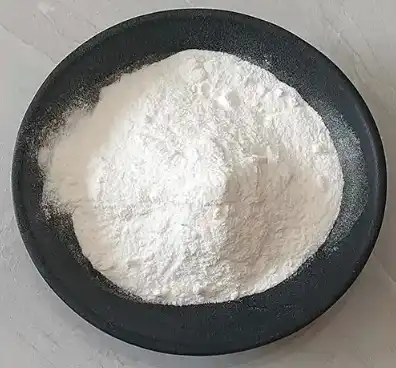
Synthetic vs. Animal-Derived Sources
Today, commercially supplied melatonin is predominantly produced through chemical synthesis. Synthetic production avoids reliance on animal-derived raw materials and can provide a more consistent source for commercial ingredient supply. Buyers should nevertheless confirm the actual manufacturing route and supporting documentation if vegan, vegetarian, TSE/BSE-related, or other source-specific requirements apply to their finished product.
Why B2B Buyers Prioritize Purity
Consistency in assay from batch to batch is an important consideration for R&D directors and formulation managers when sourcing. A well-defined purity specification helps support consistent formulation calculations and finished-product quality. Pharmacopoeial monographs or recognized analytical specifications may provide useful reference points for identity, assay, and related substances. Buyers should confirm that the supplier's specification and analytical method are appropriate for the intended market and product category.
Testing Procedures for Melatonin Raw Material: Ensuring Quality and Compliance
HPLC and UV Spectroscopy as Primary Methods
High-performance liquid chromatography (HPLC) is widely used to measure melatonin content and evaluate related substances. UV spectroscopy can be used as an additional identification or screening method where appropriate. Together with other relevant tests, these methods help buyers verify that the material supplied corresponds to the stated specification.
What a Proper COA Should Include
A reliable COA for pure melatonin powder includes a number of important facts. Before accepting any batch, buying teams should check these key points:
Appearance: White to off-white crystalline powder
Assay (HPLC): ≥99.0% or ≥99.5% depending on grade
Melting Point: 116°C–118°C, where applicable to the specified grade
Loss on Drying: Defined according to the product specification
Residue on Ignition: Defined according to the applicable specification
Elemental Impurities: Tested and reported according to applicable requirements
Microbiological Testing: Relevant total aerobic count, yeast, mold, and pathogen specifications where applicable
Test (HPLC): ≥99.0% or ≥99.5%, depending on grade - Melting point: 116°C to 118°C
FDA, USP, and EP Compliance
With these factors, buyers can obtain useful information in one document to evaluate the chemical identity, assay, and selected quality characteristics of the material. Always check the COA lot number against the package you received to make sure the document is specific to the actual batch rather than a standard template. Regulatory and pharmacopoeial requirements should be confirmed according to the intended product and destination market.
Key Specifications to Consider When Procuring Melatonin Powder
Purity, Potency, and Shelf Life
The shelf life of melatonin powder depends on the material specification, packaging, storage conditions, and supporting stability data. Rather than assuming a universal three- to five-year shelf life, buyers should verify the supplier's assigned retest or expiry period and the evidence supporting it. Because storage conditions can influence chemical stability, buyers should review protection from light, moisture, and unsuitable temperatures and confirm that the stated shelf life is supported by appropriate stability information.
Particle Size and Solubility Considerations
Particle size can influence powder flow, blending, dispersion, and processing behavior in different dosage forms. Standard particle-size grades may be suitable for capsule and tablet manufacturing, while micronized material can be evaluated when a formulation requires finer particles or specific dispersion characteristics. A fixed D90 value should not be treated as universally necessary for sublingual or rapid-release products. Another important factor is solubility. Melatonin has limited water solubility but can show higher solubility in certain organic solvents and formulation vehicles. Liquid formulas may therefore require an appropriate solubilization or dispersion strategy.
Packaging and Storage Standards
Melatonin powder should be supplied in packaging appropriate for protecting the material from moisture, light, and contamination. Double-layer polyethylene bags, aluminum-laminate packaging, and suitable drums may be used depending on the supplier's packaging system and order size. Nitrogen flushing may be used as an additional packaging option where appropriate, but it should not be treated as a universal indicator of ingredient quality. It is generally advisable to store the material in a cool, dry place away from direct light, with storage conditions supported by the supplier's stability data.
Comparison and Selection of Melatonin Powder Suppliers
Certifications That Carry Weight
Documentation is an important factor when choosing a pure melatonin powder supplier. Relevant quality-system certifications, such as ISO 9001 where applicable, can provide information about the supplier's quality-management framework. Kosher, Halal, and TSE/BSE-related documentation may also be relevant to certain markets or finished-product requirements. Buyers should evaluate each certificate according to its scope, validity, and applicability rather than treating any single certification as a universal quality guarantee.
Powder vs. Finished Forms for Bulk Procurement
Melatonin can be purchased as a raw powder or incorporated into softgels, gummies, liquid solutions, and tablets. For B2B buyers such as OEM/ODM companies and private-label manufacturers, bulk powder provides greater control over formulation inputs, excipient selection, dosage form, and production specifications. Finished forms may be more convenient for brands seeking ready-to-market products, while bulk material can provide greater flexibility for manufacturers with their own production capabilities.
Evaluating Supplier Transparency
For full traceability, a reliable supplier should provide records showing relevant raw-material information, quality-control data, a batch-specific certificate of analysis (COA), and independent testing information where applicable. Buyers should be cautious when suppliers provide templated COAs without batch-specific results or are unable to explain the analytical methods used. Clear documentation makes it easier to compare suppliers and verify that the delivered material matches the agreed specification.
Risk Management and Quality Assurance in Melatonin Powder Procurement
Incoming Material Inspection Protocols
As soon as materials are received, procurement or QA teams should check the physical appearance, verify that the COA data corresponds to the actual lot, and test representative samples according to their internal quality plan. Independent HPLC verification can be particularly useful when qualifying a new supplier or establishing a reference point for future batches. This process creates a documented baseline for comparing subsequent deliveries.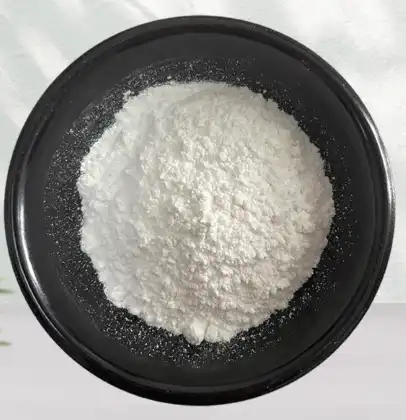
Independent Lab Verification
Testing by an independent laboratory can provide additional confidence in supplier-reported results. Having an ISO/IEC 17025-accredited laboratory check parameters such as assay, elemental impurities, or microbiological characteristics can help verify selected quality attributes. The scope of independent testing should be based on supplier risk, product category, market requirements, and the buyer's internal QC program.
Contractual Safeguards for Long-Term Supply
Quality agreements should include clear specifications, documentation requirements, audit provisions where appropriate, corrective-action procedures, change-notification requirements, and agreed acceptance criteria. When buyers define these terms before repeat orders, they create a clearer system of accountability for maintaining consistent raw-material quality. This is particularly useful for brands operating under regulated quality systems or market-specific dietary-supplement requirements.
Conclusion
To get the right melatonin raw materials, you must first know what to ask for. The particle size, solubility profile, purity grade, packaging, and storage needs of an ingredient can all affect its suitability for your final product. Checking supplier documentation and conducting appropriate independent testing on arriving pure melatonin powder can help protect formulation consistency and brand quality. Reviewing specifications should be an ongoing part of procurement teams' work, not something that is added at the last minute. This way, buyers can build supply chains with stronger traceability, clearer documentation, and more consistent raw-material specifications.
FAQ
1. How do I verify that a melatonin COA is authentic?
Ask the producer for the COA directly rather than relying only on a third-party copy. Compare the lot number on the document with the number on the shipping label and verify the testing date, analytical method, and reported results. If necessary, test the sample again through an independent ISO/IEC 17025 laboratory or another qualified testing facility.
2. What purity level is appropriate for pharmaceutical vs. supplement use?
The appropriate assay depends on the intended product category, specification, market, and applicable regulatory requirements. Commercial melatonin grades may be specified at ≥99.0% or ≥99.5% by HPLC, but buyers should not assume that one purity level universally applies to every pharmaceutical or dietary-supplement application. Align the finished product's regulatory pathway and raw-material specification before purchasing.
3. What documents are needed to import melatonin powder into the US?
A batch-specific COA and SDS are common parts of the documentation package, while additional documents may be required depending on the product category, importer, intended use, and current market requirements. Kosher, Halal, TSE/BSE-related, origin, and other supporting certificates may also be requested by specific customers or markets. Buyers should confirm the current documentation requirements before shipment.
4. Does particle size affect absorption in finished products?
Particle size can affect powder flow, dispersion, surface area, and processing behavior, but it should not automatically be equated with a specific absorption rate in the finished product. Micronized melatonin may be useful for certain formulation systems, but the appropriate particle-size specification depends on the dosage form and manufacturing process. Buyers should request application-specific particle and dissolution or dispersion data where relevant.
Partner with Angelbio for Verified Melatonin Powder Supply
Angelbio has more than 18 years of research and development experience and has worked with the Institute of Life and Health Research at Xi'an Jiaotong University. Angelbio supplies pure melatonin powder with defined HPLC specifications, batch-specific COA documentation, and analytical testing support. Buyers can request product specifications, quality documents, samples, and bulk-supply information for nutraceutical, cosmetic, and functional-product development. You can email our technical team at angel@angelbiology.com to ask for details or a sample.

References
1. United States Pharmacopeia (USP). USP–NF Monograph: Melatonin. United States Pharmacopeial Convention, 2023.
2. European Pharmacopoeia Editorial Secretariat. European Pharmacopoeia, 11th Edition. Council of Europe, 2023.
3. Brzezinski, A. "Melatonin in Humans." New England Journal of Medicine, 1997.
4. Hardeland, R., et al. "Melatonin — A Pleiotropic, Orchestrating Regulator Molecule." Progress in Neurobiology, 2011.
5. International Council for Harmonisation (ICH). Q6A: Specifications — Test Procedures and Acceptance Criteria for New Drug Substances and New Drug Products. ICH Guidelines, 1999.
6. Kennaway, D.J. "Potential Safety Issues in the Use of the Hormone Melatonin in Paediatrics." Journal of Paediatrics and Child Health, 2015.