Sanchi Extract powder Dosage: A Practical Guide
Formulation managers and R&D teams must balance formulation requirements, ingredient specifications, and responsible product positioning when evaluating the appropriate use level of Sanchi Extract Powder. Standardised grades may contain 10–80% total saponins, with characteristic constituents including ginsenosides Rg1, Rb1, and notoginsenoside R1. Commercial inclusion levels depend on the extract specification, intended product format, formulation design, and target market requirements rather than a universal daily dose. Understanding these factors helps procurement experts source consistent materials, align active-ingredient specifications with product concepts, and meet the expectations of brands seeking traceable, standardised botanical ingredients.
Understanding Sanchi Extract Powder: Key Basics
Sanchi Extract Powder is derived from the dried roots of Panax notoginseng, a perennial plant principally cultivated in the Chinese regions of Yunnan and Guangxi. The plant is cultivated in mountain locations, and its natural phytochemical composition can be influenced by soil conditions, climate, cultivation practices, plant age, and harvesting methods.
Traditional Background and Modern Standardization
This root has been used in traditional botanical practices for more than 2,000 years and remains an important botanical material in modern ingredient development. Current extraction technologies provide improved ways to concentrate naturally occurring constituents while removing unwanted plant materials. Modern manufacturing procedures are designed to retain the characteristic phytochemical profile of the botanical through processes such as spray drying and vacuum drying. Many producers use ethanol-water extraction to concentrate naturally occurring saponins and other soluble constituents while supporting product uniformity.
Modern quality control relies on analytical techniques such as HPLC to determine characteristic compound levels. These testing procedures help manufacturers maintain consistent specifications between production batches and provide procurement teams with measurable quality parameters for global ingredient sourcing.
Active Compound Profile
One of the main distinguishing features of Sanchi Extract Powder is its saponin profile. Characteristic constituents include notoginsenoside R1, ginsenoside Rg1, and ginsenoside Rb1. The extract may also contain naturally occurring flavonoids, sugars, organic compounds, and other botanical constituents. Their concentration can vary according to root age, harvest period, cultivation conditions, raw-material quality, and extraction process.
Procurement teams should request comprehensive Certificates of Analysis (COAs) when evaluating suppliers. These documents can provide information on marker-compound concentrations, physical properties, microbiological parameters, and other quality criteria, helping purchasers select an ingredient that matches their formulation and manufacturing requirements.


Sanchi Extract Powder Usage Guidelines: Formulation Considerations and Best Practices
Developing botanical formulations requires an understanding of extract strength, application requirements, finished-product format, and product positioning. The following considerations reflect common practices within botanical and functional ingredient development.
Recommended Usage Ranges by Application
Commercial formulations may use different inclusion levels according to product format, extract standardization, and formulation objectives. Sanchi Extract Powder can be standardized according to total saponin content, allowing formulation teams to select an appropriate grade rather than relying solely on the raw-material-to-extract ratio.
Sanchi Extract Powder may be incorporated into botanical blends, sports nutrition concepts, functional wellness products, capsules, tablets, powders, and other finished-product formats. The appropriate inclusion level should be established through formulation trials and based on the finished product's intended use, serving size, regulatory requirements, and the specification of the selected extract.
Factors Influencing Formulation Decisions
Extract concentration has a direct impact on formulation design. A 10:1 ratio indicates that approximately 10 kilograms of botanical raw material are used to produce 1 kilogram of extract, but the ratio alone does not define the concentration of individual marker compounds. Standardized extracts provide additional control by specifying measurable constituents such as total saponins or selected ginsenosides.
Plant-material quality and manufacturing methods can influence the final compound profile. Standardized specifications therefore help manufacturers establish clearer raw-material requirements and improve batch-to-batch consistency.
Different product categories may require different extract specifications. General botanical products may use balanced grades, while specialized formulations may require higher-standardized material. Processing characteristics also matter. Particle size, bulk density, moisture, binders, fillers, and other formulation components can influence powder flow, dispersion, stability, and manufacturing efficiency.
Quality Control and Manufacturing Standards
Sourcing and production of botanical ingredients are essential parts of quality management. Procurement teams should prioritize suppliers that provide comprehensive documentation, analytical results, production information, and traceability records.
Important quality parameters may include heavy-metal screening, microbiological testing, moisture content, particle-size distribution, residual-solvent testing, and confirmation of characteristic compounds. Regulatory requirements differ across international markets, making supplier transparency and documentation support important considerations for global product development.
Comparing Sanchi Extract Forms and Product Options: Making an Informed Choice
Different extract formats provide different advantages depending on manufacturing requirements, product categories, and brand strategies.
Powder versus Capsule Considerations
Bulk Sanchi Extract Powder provides flexibility for product development. R&D teams can combine the powder with complementary ingredients, adjust formulation ratios, and select delivery formats such as capsules, tablets, stick packs, and beverage powders.
Bulk powder can be advantageous for manufacturers that already have blending, filling, and packaging capabilities because it allows direct control over formulation and production processes. It can also provide greater flexibility for custom specifications and larger-scale procurement.
Pre-made capsules, by comparison, may be suitable for companies seeking ready-to-market or private-label formats and can reduce the need for internal production infrastructure. The choice between bulk powder and finished capsules depends on production volume, customization requirements, market positioning, and operational objectives.
Organic versus Conventional Specifications
For brands targeting consumers interested in sustainable sourcing and clean-label products, organic certification can provide an additional positioning opportunity. USDA Organic or EU Organic certification requires documented agricultural practices, controlled cultivation methods, and third-party verification.
These requirements may increase ingredient costs but can support premium product positioning where organic certification is commercially relevant. Conventional extracts manufactured under Good Agricultural Practices (GAP) remain widely used because they can provide dependable quality, availability, and cost efficiency.
The choice between organic and conventional Sanchi Extract Powder should therefore be based on brand positioning, target customers, distribution channels, certification requirements, and overall product strategy.
Evaluating Supplier Credentials
Qualified suppliers should be able to provide documentation such as specifications, analytical reports, stability information where available, raw-material traceability, extraction-process information, and relevant quality certifications.
When appropriate for the target application, buyers can prioritize suppliers with GMP-oriented manufacturing systems, ISO 9001 quality-management systems, analytical capabilities, and established botanical-processing experience. Reviewing historical batch data can provide additional insight into manufacturing consistency.
Independent laboratory testing may also be used during supplier qualification or incoming quality control. Technical assistance, formulation guidance, and documentation support can further strengthen long-term supplier relationships beyond a basic ingredient transaction.
Procurement Guide: Buying Sanchi Extract Powder for Business Needs
Successful ingredient procurement requires strategic evaluation of specifications, supplier capabilities, commercial terms, documentation, and logistics. Understanding these factors helps companies build reliable sourcing systems and maintain consistent product development.
Identifying Qualified Suppliers
Defining raw-material specifications is the first stage in supplier assessment. Procurement teams should request current Certificates of Analysis, marker-compound test results, microbiological reports, and relevant analytical verification data.
Specifications such as bulk density, moisture content, particle-size distribution, extraction ratio, total saponin content, and individual marker compounds can be important depending on the application. These parameters may influence blending, filling, dispersion, and overall manufacturing efficiency.
Particle size and flow characteristics can be particularly relevant to tablet and capsule production because they affect mixing and processing. Moisture control is also important for storage and transportation.
Supplier production capacity should correspond to current and projected purchasing requirements. Manufacturers with established raw-material procurement, quality management, documentation, and technical-support systems may provide greater supply continuity as demand changes.
Commercial Terms and Pricing Structures
Sanchi Extract Powder pricing depends on factors such as extract ratio, total saponin specification, marker-compound standardization, certification requirements, production volume, packaging, and customization.
Minimum order quantities vary according to supplier capabilities and product specifications. Volume-based pricing may improve cost efficiency for larger purchases, but buyers should evaluate total landed cost rather than comparing unit prices alone.
Transportation, customs, packaging, documentation, insurance, and inventory management can all affect the final purchasing cost. Understanding FOB, CIF, and DDP terms helps procurement teams compare supplier quotations more accurately.
Long-term supply agreements or annual volume commitments may provide opportunities for improved pricing and supply planning. Strategic procurement should balance cost, quality, supply reliability, documentation, and technical support.
Documentation and Compliance Support

Comprehensive documentation is essential for international botanical ingredient distribution. Suppliers should provide records supporting product identity, quality specifications, manufacturing information, and traceability.
Depending on the target market, additional documentation such as Kosher, Halal, organic certificates, allergen statements, GMO declarations, and other regulatory documents may be required.
Traceability from agricultural sourcing through extraction and final packaging helps procurement teams maintain supply-chain transparency. For international markets, suppliers should be able to provide appropriate technical documentation, including product specifications, COAs, manufacturing information, and available regulatory support materials.
Digital batch tracking and supply-chain management systems can further improve communication among manufacturers, suppliers, and brand owners.
Maximizing Value with Sanchi Extract Powder: Application and Integration Tips
Successfully incorporating botanical ingredients requires more than selecting a raw material. Product development also involves technical optimization, formulation compatibility, market positioning, and controlled integration into finished products.
Product Development Opportunities
Capsules, tablets, powdered mixtures, beverages, and selected cosmetic formulations may incorporate Sanchi Extract Powder depending on local regulations and formulation objectives.
Tablet and capsule formulators may combine botanical extracts with vitamins, minerals, and other plant-derived ingredients to create differentiated product concepts. Ready-to-mix beverage powders can benefit from appropriate particle-size control and blending strategies to support dispersion and processing consistency.
Gummy and functional confectionery applications require additional attention to processing conditions, ingredient compatibility, and temperature exposure. Controlled processing can help maintain the intended characteristics of the botanical material.
Sanchi Extract Powder may also be evaluated in serums and creams where botanical ingredient positioning is appropriate. Its standardized phytochemical profile and natural-origin story can support differentiated product concepts. Combining Sanchi Extract Powder with complementary botanical ingredients can provide additional opportunities for customized formulations.
OEM and Private Label Strategies
Contract manufacturing enables companies to develop finished products without investing in their own production infrastructure. When selecting an OEM partner, companies should define ingredient specifications, standardization requirements, documentation needs, packaging preferences, and quality expectations at the beginning of the project.
Private-label solutions can combine formulation and manufacturing capabilities to help brands enter botanical-product markets more efficiently. Effective long-term cooperation should clearly define formulation ownership, intellectual property, packaging, production specifications, quality requirements, and delivery schedules.
Pilot batches can be used to evaluate formulation performance, manufacturing feasibility, packaging requirements, and product stability before full-scale production. Customized delivery formats, ingredient combinations, and botanical blends can provide additional opportunities for market differentiation.
Building Credibility Through Science
Scientific documentation plays an important role in responsible ingredient communication and technical product development. Research on Panax notoginseng provides information regarding its botanical identity, phytochemical composition, traditional use, and characteristic constituents.
Brands can strengthen technical communication through analytical testing, transparent sourcing information, ingredient characterization, and documented quality specifications rather than relying on unsupported therapeutic claims.
In-vitro studies, analytical verification, stability testing, and phytochemical characterization may provide useful technical information for R&D and quality-assurance programs. Companies that invest in transparent documentation and scientifically grounded ingredient communication can strengthen credibility with formulation teams, procurement professionals, and business customers.
Conclusion
Selecting the right Sanchi Extract Powder specification requires a combination of traditional botanical knowledge and modern quality standards. Procurement specialists should evaluate extract ratios, total saponin specifications, marker compounds, certifications, documentation, and supplier capabilities to ensure alignment with formulation requirements.
Brands targeting different customer categories may choose different product formats, including bulk powder and finished capsules, as well as organic and conventional grades or customized supply arrangements. As demand for plant-based ingredients continues to develop, suppliers with reliable analytical capabilities, transparent documentation, and consistent production systems can provide meaningful advantages for product developers.
By working with experienced botanical ingredient manufacturers and establishing clear sourcing specifications, companies can develop products with consistent raw-material quality, flexible formulation options, and stronger supply-chain visibility. This approach supports responsible product positioning while helping procurement teams manage quality, cost, and long-term supply requirements.
FAQ
1. What differentiates ratio extracts from standardized Sanchi Extract Powder?
Extraction ratios such as 10:1 indicate the approximate relationship between the amount of botanical raw material and the resulting extract. However, an extraction ratio alone does not guarantee a consistent concentration of specific marker compounds.
Standardized extracts specify measurable constituents, such as total saponins or selected ginsenosides, which can be verified using analytical methods such as HPLC. This provides greater control over raw-material specifications and is particularly useful for formulations requiring consistent ingredient profiles and documented quality parameters.
2. How does particle size affect formulation performance?
Particle size can influence powder flow, mixing, dispersion, and processing performance. When a defined percentage of an extract passes through an 80-mesh screen, this can provide a useful specification for controlling particle distribution, although the optimal range depends on the formulation and manufacturing equipment.
Coarser particles may affect blend uniformity, while excessively fine powders can increase dust generation and electrostatic behavior during industrial processing. Buyers should therefore establish particle-size specifications according to the requirements of their specific manufacturing process.
3. What storage conditions preserve extract quality?
Sanchi Extract Powder should generally be stored in tightly sealed packaging in a cool, dry environment away from direct light and excessive humidity. Specific temperature and relative-humidity requirements should follow the supplier's product specification and stability data.
Moisture-resistant inner packaging, such as polyethylene liners inside fibre drums, can help protect the powder during transportation and storage. Buyers should also confirm the manufacturer's recommended shelf life and storage conditions before establishing long-term inventory requirements.
Partner with Angelbio for Premium Sanchi Extract Powder Supply
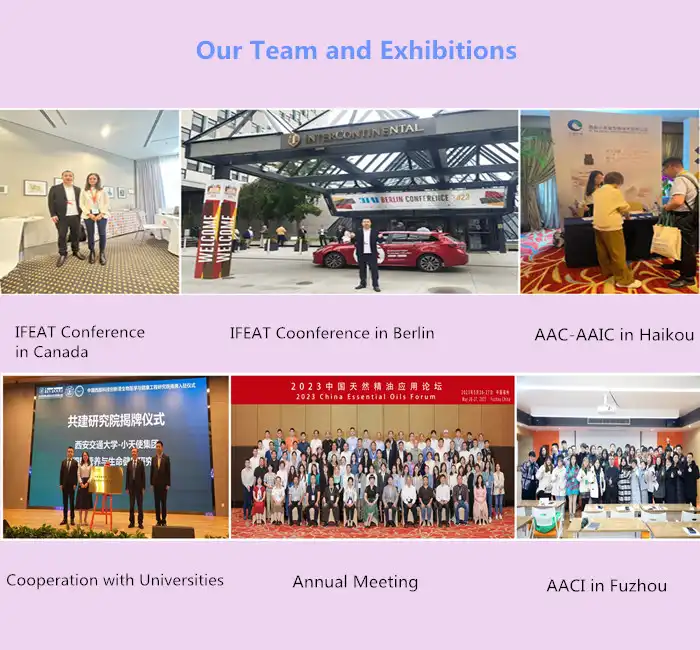
Angelbio provides Sanchi Extract Powder with customizable specifications for botanical ingredient development and commercial manufacturing. With more than 18 years of independent R&D experience and research collaboration with the Institute of Life and Health Research at Xi'an Jiaotong University, Angelbio supports customers with standardized botanical ingredients and technical documentation.

Our supply capabilities can include customized saponin specifications, analytical testing, batch documentation, and formulation-oriented technical support. A controlled supply chain and quality-management procedures are designed to support batch consistency and traceability, helping formulation managers and procurement teams evaluate raw materials with greater confidence.
Whether you need 50 kg for an R&D trial or multi-ton annual supply, our technical team can support specification selection, sampling, documentation review, and production scaling. Email angel@angelbiology.com to request samples, COA documentation, specifications, or a bulk quotation for your target Sanchi Extract Powder grade.
References
1. Wang, T., Guo, R., Zhou, G., Zhou, X., Kou, Z., Sui, F., Li, C., Tang, L., & Wang, Z. (2016). Traditional uses, botany, phytochemistry, pharmacology, and toxicology of Panax notoginseng: A review. Journal of Ethnopharmacology, 188, 234–258.
2. Yang, B. R., Hong, S. J., Lee, S. M., Cong, W. H., Wan, J. B., Zhang, Z. R., & Lee, S. M. (2014). Pro-angiogenic activity of notoginsenoside R1 in human umbilical vein endothelial cells in vitro and in a chemically induced blood vessel loss model of zebrafish in vivo. Chinese Journal of Integrative Medicine, 20(6), 431–439.
3. Ng, T. B. (2006). Pharmacological activity of sanchi ginseng (Panax notoginseng). Journal of Pharmacy and Pharmacology, 58(8), 1007–1019.
4. Sun, S., Wang, C. Z., Tong, R., Li, X. L., Fishbein, A., Wang, Q., He, T. C., Du, W., & Yuan, C. S. (2010). Effects of steaming the root of Panax notoginseng on chemical composition and anticancer activities. Food Chemistry, 118(2), 307–314.
5. Liu, J. H., Zhu, Y., Wang, J. H., & Duan, J. A. (2013). Simultaneous determination of four active components in Panax notoginseng by HPLC and its application to quality control. Journal of Pharmaceutical Analysis, 3(4), 270–275.
6. Zhang, H. S., Wang, S. Q., & Wang, Z. T. (2011). Chemical constituents and cardiovascular effects of Panax notoginseng: A review. Traditional Medicine Research, 4(3), 141–156.