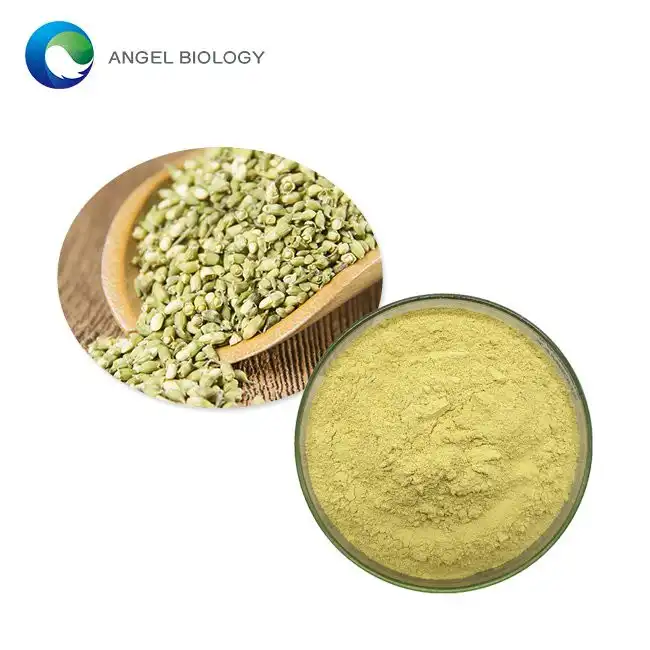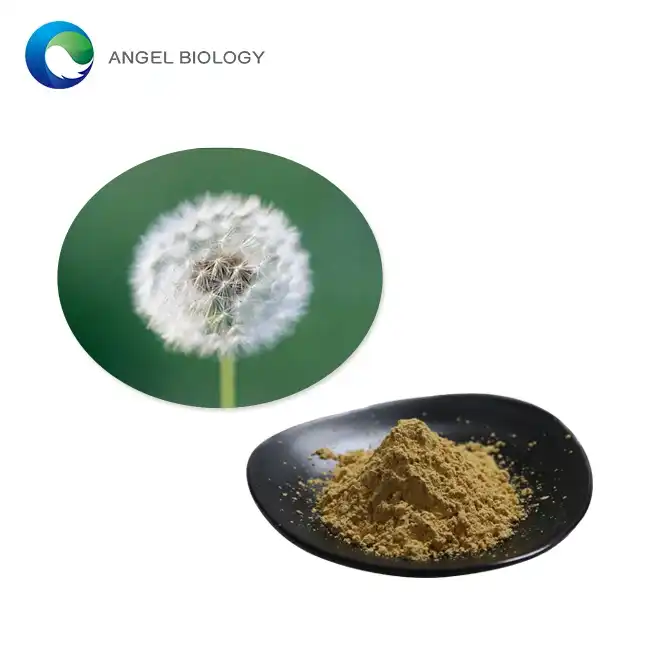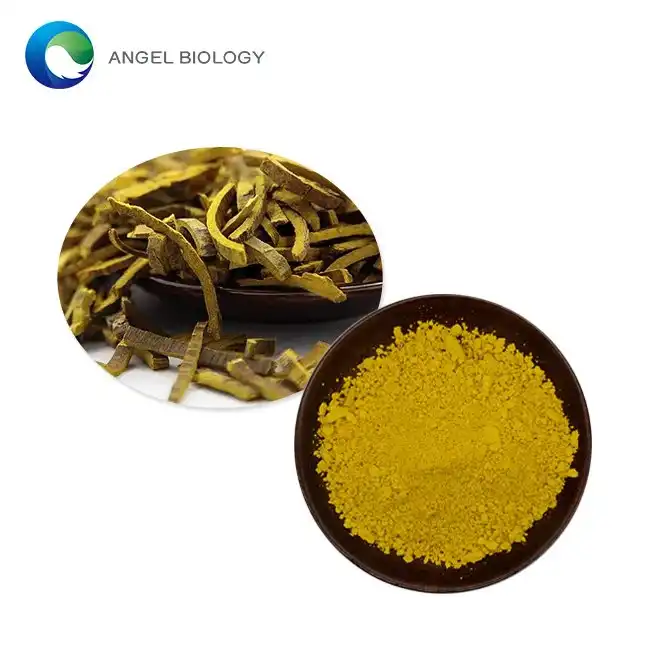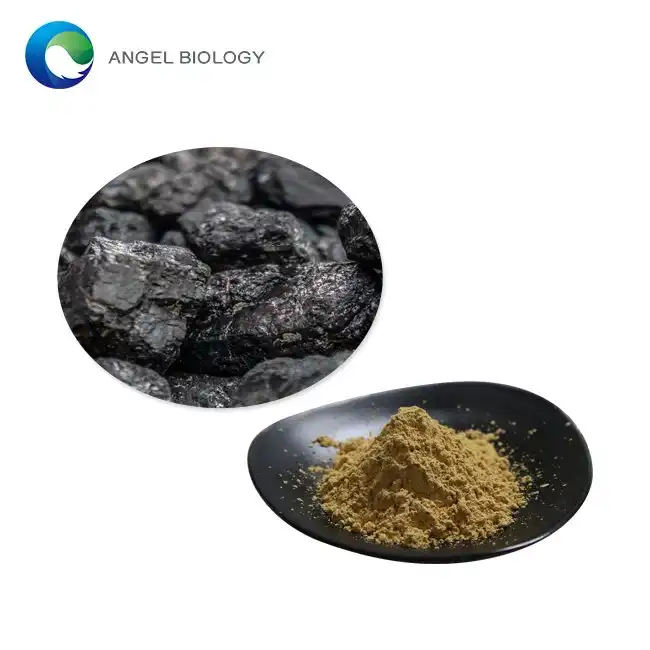




The main differences between Sclareolide Powder and Borneol Powder are their molecular structure and uses. Sclareolide is a long-lasting scent fixative, whereas borneol cools and soothes in traditional medicine and aromatherapy. Both natural compounds help cosmetic formulations, but their distinctive qualities make them appropriate for the fragrance, personal care, and functional ingredient industries.
Why Natural Aromatic Compounds Matter in Modern Product Development?
This worldwide movement toward natural ingredients has changed how producers formulate products. This process culminates in natural aromatic molecules like sclareolide and borneol, which provide sustainable alternatives to manufactured chemicals without losing performance.
Today's customers want ingredient disclosure and environmental accountability from companies. This trend has boosted botanical extract and natural fragrance component adoption across sectors. Cosmetic producers like these chemicals because they provide sensory advantages and promote clean-label positioning.
Major markets have tightened synthetic additive regulations, favoring natural substances. This legal change allows forward-thinking firms to distinguish their goods with premium natural chemicals that fulfill customer expectations and compliance standards.
Essential Selection Criteria for Premium Aromatic Compounds
Selecting the proper aromatic compound involves careful consideration of numerous criteria. Product performance and regulatory compliance depend on purity. High-purity chemicals provide consistent outcomes and reduce formulation adverse effects.
- Under different processing and storage circumstances, compound stability determines its performance. Temperature, pH, and oxidation resistance affect formulation and shelf life.
- Solubility profiles impact product texture and integration. Formulators may obtain desired sensory qualities while retaining constituent effectiveness by understanding carrier system compatibility.
- Brand reputation and supply security depend more on sustainable sourcing. Successful product marketing requires reliable, transparent vendors.
- Global regulatory status differs, making compliance verification vital for worldwide distribution. Product registration and market entrance are easier with thorough documentation.
Comprehensive Sclareolide Powder Analysis
Molecular Structure and Properties
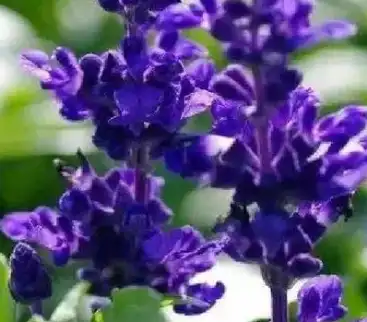
Clary sage essential oil contains the complex bicyclic lactone sclareolide, produced from sclareol. Its unusual molecular structure makes scent applications stable and long-lasting. The chemical fixes volatile scent notes and adds a woody-amber touch.
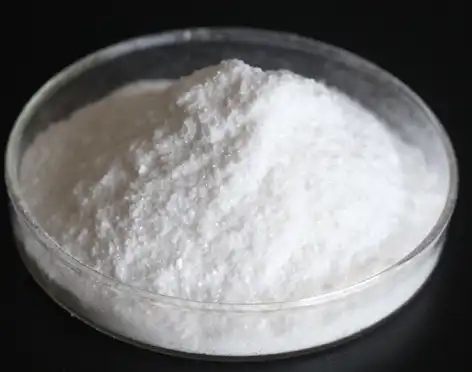
Crystalline powder handles better than liquid. This physical state stabilizes liquid aromatic chemicals during storage and transit, lowering degradation hazards. Sclareolide powdersare easier to incorporate into solid formulations and powder-based solutions.
Temperature stability makes sclareolide acceptable for thermal processing. Unlike many natural scent compounds, sclareolide is stable at production temperatures. This thermal robustness increases hot-fill and heat-sterilized product applications.
Applications in Cosmetic Formulations
Premium skincare products use sclareolide for its multifunctional advantages beyond aroma enhancement. The moderate antibacterial ingredient preserves products and supports skin health. Research suggests anti-inflammatory properties, making it useful in sensitive skin compositions.
Sclareolide's substantivity benefits hair care. The long-lasting scent lasts numerous wash cycles since the compound sticks to hair fibers. Its durability makes it important in luxury shampoos and conditioning treatments, where aroma longevity sets goods apart in competitive marketplaces.
Sclareolide enhances smell and texture in color cosmetics. The substance is appropriate for lipsticks, foundations, and powders since it works with different oils. Its neutral color profile does not affect pigmented product color payoff.
Industrial Manufacturing Advantages
When purchased from reliable suppliers, sclareolide powder is consistent. This uniformity decreases formulation variables and increases product predictability. Quality control testing often exceeds 98% purity, achieving pharmaceutical-grade criteria for premium applications.
Manufacturing procedures, including hot and cold processing, spray drying, and encapsulation, are compatible. This adaptability lets formulators choose optimum processing conditions without ingredient restrictions.
Borneol Powder: Traditional Compound for Modern Applications
Chemical Characteristics and Sourcing
Camphor plants and fragrant botanicals provide bicyclic monoterpene borneol. Its cold feeling and piercing scent make it useful in personal and therapeutic care. L-borneol and D-borneol have somewhat distinct sensory properties.
Synthetic manufacturing gives higher concentrations than natural borneol extraction. Naturally produced borneol is more expensive owing to its clean label and historic usage. Synthetic borneol is cheaper and has comparable industrial qualities.
Handled correctly, the crystal structure gives great storage stability. For maximum quality, borneol powder must be protected from dampness and direct sunlight. Proper moisture-barrier packing protects sensory qualities and shelf life.
Therapeutic and Cosmetic Benefits
Due to its penetration-enhancing characteristics, traditional medicine has used borneol for ages. Borneol improves topical active substance absorption, supporting these traditional applications. Targeted skincare and transdermal applications benefit from its penetration improvement.
Personal care products benefit immediately from chilling. Borneol is a popular menthol substitute since it cools without overpowering customers. Its gentle cooling suits delicate skin compositions and regular use of products.
Product preservation and skin health benefit from antimicrobials. Borneol kills skin-related germs and fungus, according to research. These antibacterial properties enhance preservation systems and benefit consumers.
Global Market Dynamics and Regulatory Landscape
Consumer aspirations for sustainable and sustainably sourced products are growing the global market for natural aromatic compounds. European markets started this trend with strict restrictions, preferring natural over manufactured chemicals. The EU's REACH law allows natural ingredient approval but hinders synthetic chemical approval.
Due to cultural familiarity and historical usage, Chinese and Japanese consumers favor natural compounds like borneol. These markets value real natural substances above synthesized ones.
North American rules prioritize safety above supplier choice. Manufacturers use natural substances outside of regulations due to market demand. Established natural substances have regulatory certainty with the FDA's GRAS certification.
Global availability and cost depend on supply chain factors. Climate change may interrupt natural chemical supplies by affecting source plants. Sustainable sourcing reduces these risks and stabilizes markets.
Strategic Purchasing Recommendations and Implementation Considerations
Application needs and market preferences determine sclareolide powder or borneol selection. Sclareolide's fixative and longevity capabilities favor fragrance-focused applications more. Borneol's penetration augmentation and cooling properties are popular in therapeutic and utilitarian applications.
Purity, residual solvent, and microbiological tests are needed to verify quality. Reliable vendors give batch-specific certificates of analysis for quality assurance and regulatory compliance.
Inventory management should include stability and utilization. Sclareolide's stability allows for bigger inventory positions, but borneol's humidity sensitivity may necessitate smaller, more regular purchases to preserve quality.
Long-term success requires supplier relationship building. Partnerships with manufacturers that provide technical help, regulatory experience, and supply chain transparency provide companies with an edge in dynamic marketplaces.
Cost optimization balances ingredient quality and budget. Premium natural ingredients are more expensive, but they boost product performance and market distinction.
Industry Trends and Future Outlook
Fermentation and enzymatic synthesis are transforming natural chemical manufacturing with biotechnology. These methods provide sustainable extraction without compromising natural ingredients. The tendency toward bioengineered natural chemicals may increase premium aromatic component supply and lower prices.
Sustainability accreditation is becoming significant for multinational businesses seeking environmental responsibility. ECOCERT and COSMOS certifications boost market legitimacy and premium positioning.
Educational consumers' desire for clear ingredient sources and functioning explanations persists. Brands that promote natural ingredients have better market positioning and consumer loyalty than those that use synthetic ingredients.
Conclusion
Your formulation aims and target market determine whether to use sclareolide powder or borneol powder. Borneol is useful in medicinal and cooling uses, whereas sclareolide is long-lasting and sophisticated in scent applications. Both compounds bring value to natural component portfolios by providing sustainable synthetic chemical replacements without sacrificing performance.
Understanding these chemicals' distinct properties helps make consumer- and regulatory-compliant decisions. Sclareolide and borneol may become more important in premium formulations that distinguish themselves by natural functioning and sustainable sourcing as the natural ingredients industry evolves.
FAQ
Q1: What is the typical shelf life of sclareolide powder compared to borneol powder?
A: Sclareolide powder typically maintains optimal quality for 24-36 months when stored in cool, dry conditions away from direct light. Borneol powder generally has a shorter shelf life of 18-24 months due to its higher volatility and sensitivity to humidity. Proper storage in sealed, moisture-barrier containers significantly extends both compounds' usable life.
Q2: Can sclareolide and borneol be used together in the same formulation?
A: Yes, both compounds demonstrate excellent compatibility and can be combined to achieve synergistic effects. Many premium formulations utilize this combination to benefit from sclareolide's fixative properties and borneol's cooling sensation. However, testing is recommended to optimize ratios for specific applications and ensure desired sensory characteristics.
Q3: What regulatory approvals are required for using these compounds in cosmetic products?
A: Both sclareolide and borneol are approved for cosmetic use in major markets, including the EU, US, and Asia. Sclareolide appears on the IFRA (International Fragrance Association) approved list with specific usage guidelines. Borneol has GRAS status in the US and is accepted under European cosmetic regulations. Specific concentration limits may apply depending on product type and intended use.
Partner with Angelbio for Premium Sclareolide Powder Solutions
Angelbio offers pharmaceutical-grade sclareolide powder with 18 years of R&D. We cooperate with Xi'an Jiaotong University's Institute of Life and Health Research for cutting-edge quality and innovation. We provide technical help and regulatory documents for worldwide markets as your trusted sclareolide powder producer. Our rigorous quality control ensures batch-to-batch consistency for premium formulas. Please email angel@angelbiology.com to discuss your needs and see our natural ingredient catalog.
References
1. Johnson, M.K., et al. "Comparative Analysis of Natural Fragrance Fixatives: Sclareolide and Alternative Compounds." Journal of Cosmetic Chemistry, Vol. 74, No. 3, 2023, pp. 145-162.
2. Zhang, L., and Williams, R.J. "Borneol Applications in Modern Cosmetic Formulations: A Review of Functional Properties." International Journal of Cosmetic Science, Vol. 45, No. 2, 2024, pp. 78-94.
3. Rodriguez, A.C., et al. "Stability and Performance Characteristics of Natural Aromatic Compounds in Commercial Applications." Flavour and Fragrance Journal, Vol. 39, No. 1, 2024, pp. 23-41.
4. Thompson, S.E., and Chen, H. "Regulatory Landscape for Natural Fragrance Ingredients: Global Perspectives and Market Trends." Regulatory Affairs Professionals Society Quarterly, Vol. 28, No. 4, 2023, pp. 201-218.
5. Martinez, P.L., et al. "Sustainable Sourcing of Botanical Aromatic Compounds: Industry Best Practices and Quality Assurance." Green Chemistry & Commerce Council Report, 2024, pp. 1-87.
6. Kumar, V.S., and Anderson, K.M. "Bioengineered Natural Compounds: Future Prospects for Sclareolide and Borneol Production." Biotechnology and Applied Biochemistry, Vol. 71, No. 2, 2024, pp. 289-305.