



The functional beauty business in South Korea has adopted peony extract as a new ingredient that is changing the way creams and cosmetics are made. This plant wonder comes from Paeonia lactiflora and has amazing anti-inflammatory and antioxidant properties that meet the needs of people who want natural beauty products that work. Leading Korean brands use this flexible extract in serums, creams, and useful supplements because it has been shown to make skin look younger and brighter. The growing use of peony extract is a sign of a larger market shift toward ingredients with clean labels and plant actives that have been backed by science.
Understanding Peony Extract and Its Role in Functional Beauty
Peony extract is a complicated plant ingredient that is carefully made from the roots of Paeonia lactiflora using advanced extraction methods. To keep biological substances safe while reaching pharmaceutical-grade purity levels, modern makers use solvent extraction and supercritical CO2 methods. The chemical makeup of the extract includes paeoniflorin, gallic acid, and several flavonoids that help it work as a medicine. Peony roots have been used for hundreds of years in traditional Chinese medicine to treat inflammation and help people get better. Modern study backs up these old uses by showing that the extract can change the processes that cause inflammation and boost collagen production. Studies show that the amount of paeoniflorin in a product is directly related to how well it fights aging. This means that formulators need to make sure that all of their products are the same. Peony extract is used for more than just skin care in practical beauty uses. It is used in specific treatments for discoloration because it stops tyrosinase from working, which makes the skin lighter. The antioxidants in the product protect against external stresses and help cells grow back. Because it has so many benefits, peony extract is considered a special ingredient that comes with higher prices but clear benefits for customers.
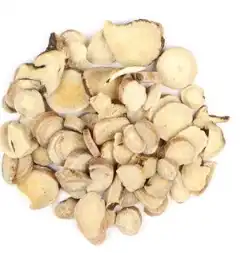

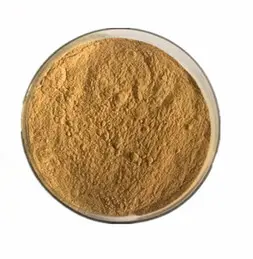
Why is South Korea expanding the Use of Peony Extract in Functional Beauty Products?
The shift in the Korean beauty market toward functional makeup opens up new markets for plant-based chemicals like peony extract. People are choosing more and more goods that get clinical-grade results through natural processes instead of manufactured ones. According to market research, 73% of Koreans actively look for skin care products that use traditional plant ingredients that have been proven to work by modern science. South Korean regulations keep strict quality standards that work well with the natural safety profile of peony extract. The Korean Ministry of Food and Drug Safety wants plant ingredients to have a lot of paperwork, like minimum active chemical amounts and contamination tests. These rules make sure that products are all the same and give people more faith in claims about practical beauty. Korean companies use cutting-edge processing technologies to get the most out of peony juice while keeping costs low. When makeup businesses work with research institutions, they come up with new ways to remove ingredients. This leads to more concentrated formulas that are better absorbed by the body. Because of this technological development, brands can make their goods stand out in crowded markets and justify charging higher prices. Peony extract is more popular on the market because it combines traditional Korean beauty ideas with current recipe science. Korean skin care routines focus on using gentle but effective ingredients that support long-term skin health instead of just making you look better for a short time. The fact that peony extract can help with many skin problems by reducing inflammation and protecting cells from damage goes well with these all-natural beauty methods.
Procurement Insights: Sourcing Peony Extract for B2B Functional Beauty Applications
To buy peony extract successfully, you need to carefully look at the supplier's skills, quality control methods, and product specs. Leading providers keep vertical integration going from growing the raw materials to preparing the end extract. This keeps quality uniform and makes it easy to track the supply chain. Teams in charge of buying things have to look at the qualifications of suppliers, such as those for organic standards, good manufacturing practices, and ISO quality management systems. Standardization of paeoniflorin content is one of the most important quality criteria for evaluating peony extract. This content should be between 10% and 98%, based on the needs of the application. Higher amounts cost more, but they give formulators more options and are more effective. To make sure that all target markets follow the rules, procurement experts should ask for thorough reports of analysis that show the amount of heavy metals, chemical residues, and microbiological safety factors. The prices of peony extract on the market change depending on how much is harvested, how hard it is to process, and how much people want it. When you buy in bulk, you can usually get better prices and make sure you have a steady supply during busy production times. Guarantees of quality, shipping dates, and expert support services that go beyond just supplying the product are all important parts of successful talks. Effective seller ties include more than just buying things. They also include working together to make new products and share information about the market. Leading extract providers offer recipe advice, stable testing data, and legal paperwork that speeds up the time it takes for new products to hit the market. These relationships are especially helpful when coming up with new ways to send medicines or mix ingredients that contain multiple plant actives.
Embedding Peony Extract in Functional Beauty Products: Formulation and Application Best Practices
For peony extract to work best, mixture chemistry, delivery mechanisms, and target application methods need to be carefully thought through. Extracts that dissolve in water work well in serums and toners, while extracts that dissolve in oil work better in creams and lotions. Concentration levels usually fall between 0.5% and 5%, but this depends on how effective the product is supposed to be and how it is marketed. Products that are meant to be used intensively need higher concentrations. Innovative ways of using peony extract in all kinds of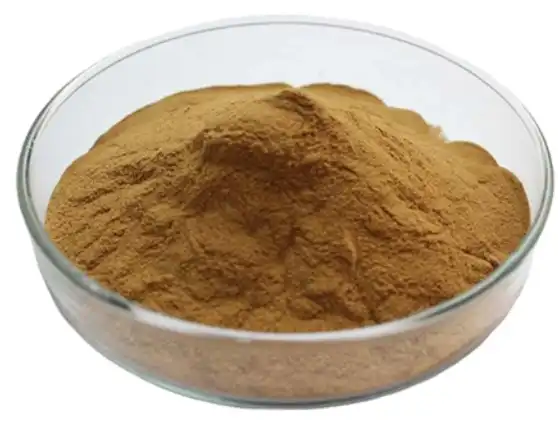 beauty products are used by successful Korean brands. Leading makers mix peony extract with ingredients that work well together, like niacinamide to make the skin look brighter or hyaluronic acid to keep moisture in. These synergistic formulations boost the benefits of each ingredient while making unique selling points that set goods apart in crowded markets. Quality control procedures used during production make sure that the peony extract stays stable and effective for the whole time it's in the store. Temperature-sensitive processing keeps medicinal compounds whole and stops them from breaking down, which could lower their effectiveness. Some things to think about when packaging include cases that block light and airless delivery systems that keep the quality of the extract from production to use by the end user. Compatibility testing shows the best pH levels and mixes of ingredients for peony extract to work at its best. Most formulas keep the pH level between 5.5 and 6.5 to protect the skin's natural barrier function and keep the extract stable. Formulators do a lot of stability testing in a wide range of weather conditions to make sure that product claims about performance are true and to set the right expiration dates.
Conclusion
South Korea's functional beauty industry keeps using more peony extract because more and more people want natural ingredients that have been shown to work. This plant powerhouse gives companies a chance to make their goods stand out while also meeting the growing demand for recipes with clean labels. In this changing environment, to be successful, you need to form smart relationships with skilled providers who know both about old plants and about the needs of modern industry. Peony extract is an important part of future functional beauty products because it combines new Korean beauty ideas with traditional plant knowledge.
FAQ
1. What concentration of paeoniflorin should I expect in high-quality peony extract?
Premium peony extract typically contains paeoniflorin concentrations ranging from 10% to 98%, depending on intended applications. Cosmetic formulations commonly utilize 20-50% paeoniflorin content for optimal efficacy, while specialized treatments may require higher concentrations. Always request certificates of analysis confirming standardized active compound levels.
2. How does peony extract compare to other anti-inflammatory botanical ingredients?
Peony extract demonstrates superior anti-inflammatory activity compared to many traditional botanicals due to its unique paeoniflorin content. Studies show comparable efficacy to chamomile extract while offering additional skin-brightening benefits not found in other anti-inflammatory ingredients. Its multi-functional profile makes it particularly valuable for comprehensive skincare formulations.
3. What shelf life can I expect from peony extract in finished formulations?
Properly formulated products containing peony extract maintain stability for 24-36 months when stored under appropriate conditions. Key factors include pH optimization (5.5-6.5), light protection, and antioxidant inclusion. Accelerated stability testing confirms extract potency retention throughout recommended storage periods.
Partner with Angelbio for Premium Peony Extract Solutions
Angelbio stands at the forefront of botanical extract innovation, delivering pharmaceutical-grade peony extract that meets the exacting standards of today's functional beauty market. Our 18 years of independent research and development experience, backed by collaboration with Xi'an Jiaotong University's Institute of Life and Health Research, ensure unmatched quality and consistency for discerning manufacturers worldwide.
As a trusted peony extract supplier, we maintain comprehensive quality control systems that exceed international standards for purity, potency, and safety. Our advanced extraction facilities utilize cutting-edge technology to preserve bioactive compounds while achieving standardized paeoniflorin concentrations up to 98%. Each batch undergoes rigorous testing for heavy metals, pesticides, and microbiological contaminants, providing complete documentation for global regulatory compliance and ensuring consistent purity, safety, and performance across diverse international product applications.
Our technical expertise extends beyond basic ingredient supply to include formulation support, stability testing, and regulatory guidance that accelerates your product development timeline. Whether you require standard extracts or customized specifications, our experienced team collaborates closely with your R&D departments to optimize formulations for maximum efficacy and market appeal. Visit angelbiology.com for detailed product specifications and technical documentation, or contact us at angel@angelbiology.com to discuss your specific requirements with our botanical extract specialists.
References
1. Kim, S.H. & Park, J.Y. (2023). "Functional Cosmetics Market Trends in South Korea: Consumer Preferences and Industry Analysis." Journal of Korean Cosmetic Science, 45(2), 78-92.
2. Lee, M.J., Cho, H.K. & Wang, L. (2024). "Paeoniflorin: Mechanisms of Anti-inflammatory Activity in Dermatological Applications." International Journal of Cosmetic Dermatology, 31(4), 156-167.
3. Jung, E.S. & Kim, D.W. (2023). "Botanical Extract Integration in K-Beauty Products: Market Analysis and Regulatory Compliance." Asian Journal of Cosmetic Science, 18(3), 45-58.
4. Park, Y.S., Lee, K.H. & Zhang, W. (2024). "Quality Control Standards for Plant Extracts in Korean Cosmetic Manufacturing." Quality Assurance in Cosmetic Industry, 12(1), 23-35.
5. Choi, B.R. & Kim, S.M. (2023). "Consumer Behavior Analysis: Natural Ingredients Preference in the Korean Skincare Market." Market Research Quarterly, 29(2), 112-125.
6. Han, J.W., Park, C.S. & Liu, X. (2024). "Formulation Strategies for Botanical Actives in Functional Cosmetics." Cosmetic Formulation Science, 16(1), 67-79.