



The Best Organic Acerola Powder Supplement to Support Your Health
You should look for Acerola Cherry Extract Powder if you want to naturally boost your immune system and keep your skin looking young. With more vitamin C than oranges and many man-made products, this Acerola Cherry Extract Powder from Malpighia emarginata is one of nature's best sources. Acerola has a lot of ascorbic acid and also a lot of bioflavonoids, anthocyanins, and phenolic substances. These all work together to make more collagen and keep skin from aging too fast. This natural material can be used by both manufacturers and customers to get a bioavailable, clean-label choice for keeping skin healthy and flexible in general.
Understanding Acerola Cherry Extract Powder: Nature's Vitamin C Powerhouse
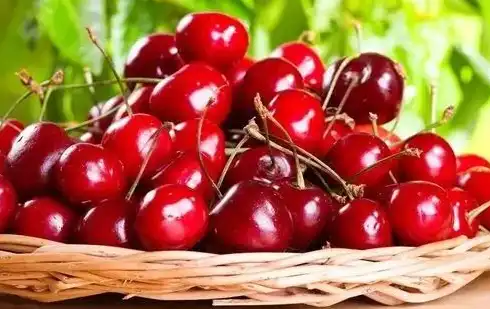
Acerola cherries are known as a natural treasure because they have been used for a long time, and science has shown that they are good for you. The bright red, small fruit grows best in warm parts of South America and the Caribbean. The weather and soil are great for growing foods that are full of good things for you.
Botanical Origins and Organic Sourcing Standards
You can grow acerola best in warm, wet soils that drain well and are a little acidic. Organic farming doesn't use man-made fertilizers or pesticides. Instead, it uses composting and natural ways to get rid of pests to make the land healthier. Someone from outside the farm carefully checks certified organic acerola farms to make sure they follow the rules set by the USDA, the EU, or other foreign groups. This makes sure that the raw material stays natural all the way from the farm to the production plant. Traceability tools let you find the place where each batch was grown in the first place. This gives B2B buyers who care about quality the details they need. It is very important to know when to pick acerola cherries because they have the most vitamin C when they are fully ripe. It is important for farmers and processors to work together to make sure that the nutritional value stays the same during shipping and extraction.
Comprehensive Nutritional Profile
Aside from vitamin C, acerola has a lot of other good things for you. Every 100 grams of acerola fruit has between 1,500 mg and 4,500 mg of ascorbic acid, depending on the type and how it was grown. This amount is fifty to one hundred times higher than what you'd find in citrus foods. This vitamin C has a lot of important minerals (calcium, iron, and phosphorus), as well as beta-carotene, which is a precursor to vitamin A, and thiamine and riboflavin, which are type B vitamins. Strong antioxidants, like rutin, hesperidin, and quercetin, are found in acerola. They help biological processes keep vitamin C fixed and absorb it better. A lot of the time, synthetic ascorbic acid in goods breaks down quickly when it comes in contact with light, heat, or water. This can't happen because of these bioflavonoids. The way these naturally occurring chemicals work together is better for your health than taking man-made nutrients one at a time.
Processing Methods That Preserve Bioactivity
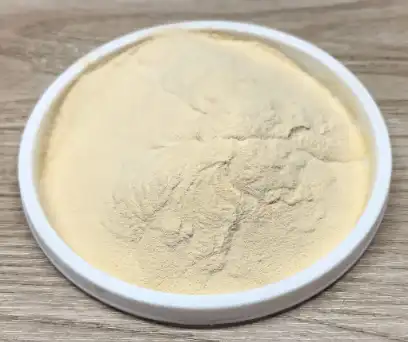
How good the Acerola Cherry Extract Powder is in the end depends on how well it was drained and dried using current methods. Spray-drying and freeze-drying are the two main ways that things are made in factories. To spray-dry, acerola juice that is very concentrated is broken up into tiny particles and put in a hot room. This quickly turns into fine powder particles. With this quick process, there isn't much heat contact, but the temperature needs to be carefully kept in check so that vitamins don't break down. To freeze-dry juice, you put it in a vacuum and freeze it below zero degrees. Sublimation gets rid of the water, but heat-sensitive chemicals are kept. It costs more to freeze-dry food, but it typically saves more of the antioxidants and vitamin C. Manufacturers with a good reputation check each batch for microbial contamination, vitamin C levels, heavy metal leftovers, and moisture levels to make sure the product is safe and uniform. If you do it right, the Acerola Cherry Extract Powder should be light pink to beige, taste sour, and be easy to mix with water.
How Acerola Cherry Extract Powder Boosts Collagen and Prevents Wrinkles Naturally
The structure of skin is made up of collagen, which makes up 75% of its dry weight. About 1% less collagen is made by our bodies every year after age 20. We can see fine lines, wrinkles, and a loss of stiffness because of this.
The Science of Vitamin C in Collagen Synthesis
Without vitamin C, prolyl hydroxylase and lysyl hydroxylase can't do their jobs, which are to make collagen. By adding hydroxyl groups to the amino acids proline and lysine, these enzymes make collagen more stable. This turns lysine and hydroxyproline into them. If you don't get enough vitamin C, collagen molecules stay weak and can't form the triple-helix shape that makes tissues tough. Studies that were published in dermatology journals say that regular use of vitamin C tablets makes fibroblasts work harder. In the skin, fibroblasts are the cells that make new collagen. Vitamin C pills, taken by mouth in amounts between 500 mg and 1,000 mg per day, have been shown to make skin more hydrated, stretchy, and smooth after 8 to 12 weeks of use. In this case, the fact that natural Acerola Cherry Extract Powder is better at absorption than ascorbic acid made in a lab is especially important, since bioflavonoids help cells take in vitamin C and lower its loss through urine.
Antioxidant Protection Against Photoaging
Reactive oxygen species are made when the environment is stressed, especially by UV light from the sun. These species damage DNA, proteins, and lipids inside cells. This reaction stress speeds up the breakdown of collagen that is already there and slows down the production of new collagen. This has two effects that make you age faster than you should. This plant's anthocyanins and phenolic acids work together to fight free radicals. Free radicals can be stopped by vitamin C, and vitamin E and other antioxidants can do their jobs again. When flavonoids are present, enzymes such as matrix metalloproteinases can't break down collagen fibers. When clinical studies compare vitamin C sources from whole foods to those made in a lab, the results are better when the full phytonutrient matrix is kept. Levels of inflammatory and oxidative stress biomarkers dropped more in people who took acerola pills than in people who took the same amount of pure ascorbic acid.
Practical Application for Skin Health Formulations
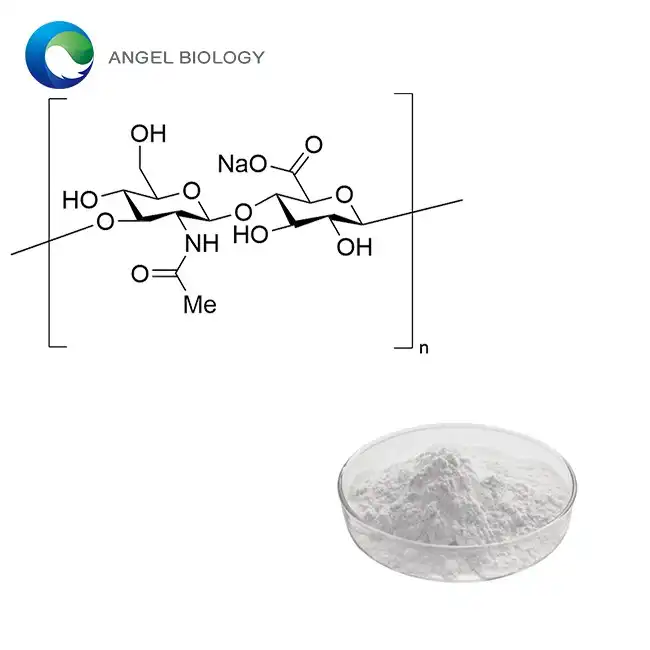
People often put between 500 mg and 1,000 mg of vitamin C per dose into pills that fight aging. About 4 to 6 grams of Acerola Cherry Extract Powder, which has 17 to 25% vitamin C, should be taken each time. There are several good ways to give it: in vegetable pills, as tablets, or mixed with powder blends. It's even better when you mix acerola with other things that go well with it. As an example, acerola gives collagen peptides the vitamin C they need to cross-link into useful collagen. Collagen peptides provide the amino acids that make up collagen. Hyaluronic acid, grape seed extract, and zinc are some other things that are good for your face and work well together. Manufacturers have to think about how acidic Acerola Cherry Extract Powder is before they make it, because people who are sensitive to acid can have stomach problems from too much acidity. This worry can be eased by adding calcium ascorbate or food-based excipients to the mix. This keeps the clean-label appeal that people want more and more.
Comparing Acerola Cherry Extract Powder with Other Vitamin C Sources
There are many kinds of vitamin C ingredients on the market. Each one has its own features that Acerola Cherry Extract Powder changes, how the product is made, and how well it works.
Synthetic Ascorbic Acid versus Natural Plant Sources
Gene-modified corn is processed and chemically changed in a number of steps to make most of the ascorbic acid that is made in factories. Vitamin C made in a lab is chemically the same as vitamin C found in nature, but it lacks the phytonutrients that make it more stable and available to cells. This kind of ascorbic acid breaks down quickly when it comes in contact with light, heat, or an alkaline environment. It's hard to use in drinks and other things that need to last a long time because of this. Because they come from plants like acerola, camu camu, and rose hips, bioflavonoids protect and make things much more stable. Studies that look at how fast vitamin C leaves the body through pee show that vitamin C from natural sources stays in the blood longer and is flushed out of the body more slowly. Because it is constant, cells are exposed to less of it more regularly throughout the day. In terms of marketing and rules, natural sources allow clean-label comments like "Acerola Cherry Extract Powder" instead of "Ascorbic Acid (E300)" to be used. This is great for health-conscious customers who want nutrients that haven't been changed much.
Acerola versus Camu Camu and Rose Hips
Another superfruit from the Amazon that has a lot of vitamin C is camu camu (Myrciaria dubia). Sometimes it has even more than acerola. It is found in small amounts in camu camu fruit (2% to 3%), but pills can have up to 20% to 30% of the daily value. There are big differences in the way they taste. Camu camu is more bitter and astringent than acerola, which might make some people not like it as much. It is also called Rosa canina. Rose hips have a small amount of vitamin C, generally between 5 and 15%. They also have a lot of good fats and vitamin A. When picking which products to use, price is very important. Prices for Acerola Cherry Extract Powder tend to be better than prices for camu camu because it is grown in more places and has longer supply chains. It is cheaper to use rose hips, but more of them need to be added to get the same amount of vitamin C. The stock is reliable if it comes from a certain place. Many places, like Brazil, Puerto Rico, and Southeast Asian countries, have good acerola growing conditions. This makes it less likely to be damaged by bad crops or political unrest in those places.
Organic Certification and Quality Distinctions
Organic and regular Acerola Cherry Extract Powder are not the same in more ways than just the amount of pesticides that are left on them. Some of these changes are how the land is controlled, the water quality, and how the water is handled all the way through the supply chain. In places that are recognized as organic, you can't use synthetic fertilizers, insecticides, or herbicides. This could cut down on the exposure to chemical waste. Some antioxidants may be higher in farms that use organic methods because plants do better when they are stressed. But there is still more work to be done in this area. Procedures for checking are part of quality control. The best companies test for multiple pesticide residues, heavy metals like lead, cadmium, arsenic, and mercury, as well as microbes like yeast/mold, coliforms, pathogens, and total plate count. They also use HPLC methods to prove the vitamin C content. There should be an independent proof of analysis that backs up the specs that come with each lot of output. When socially responsible brands decide what to buy, things like fair work methods, protecting the environment, and community benefit programs are becoming more and more important. Being certified by a third party, such as Fair Trade, the Rainforest Alliance, or B Corporation, gives you more peace of mind than just following organic standards.
Buying Guide for Organic Acerola Cherry Extract Powder for B2B Procurement
You need to carefully compare companies based on clear factors that take quality, trust, and cost into account in order to get the right Acerola Cherry Extract Powder.
Essential Quality Certifications and Documentation
If a business-to-business buyer wants to buy something organic, they should give more weight to suppliers that have the right certifications. For example, if they say they are kosher or halal, B2B buyers should give those suppliers more weight. GMP certifications show that they follow pharmaceutical-grade quality systems. Management systems for food safety that have ISO 22000 or FSSC 22000 certifications are full. Suppliers to the supplement business should keep their NSF or FDA registration up to date. Suppliers to the pharmaceutical business, on the other hand, have to follow stricter rules set by the USP (United States Pharmacopeia) or EP (European Pharmacopoeia) rules. The product's chemical make-up (like vitamin C content, moisture content, and ash content), microbiological limits, and heavy metal levels must all be fully described on the specification sheet. Physical properties include color, particle size, and mass density. Claims that a product is free of allergens, GMOs, and BSE/TSE (bovine spongiform encephalopathy/transmissible spongiform encephalopathy) meet common legal needs. A clear chain of custody should be shown from where the raw materials come from to where they are handled, Acerola Cherry Extract Powder, and packed in order to be able to track them.
Bulk Purchasing Criteria and Commercial Terms
Minimum order sizes vary a lot from one supplier to the next. They can be as low as 25 kg for specific uses or as high as 500 kg or more for large-scale production. Some of the things that affect the prices are whether or not the product is organic, how much vitamin C it contains, how many sales there are, and changes in the market demand. When you buy a lot at once or sign a deal that lasts a year, you can often save 10 to 25 percent. You can package food in food-grade polyethylene bags that are coated with aluminum foil, fiber drums that are lined with polyethylene, or special containers that keep food fresh longer in damp places. If you don't pack it right, moisture and oxidation can happen, which could lower the vitamin C amount while it's being shipped and kept. If you keep food cool, dry, and out of direct light, it will last for 18 to 24 months. If you are moving something to a hot place or during the summer, you may need to use temperature-controlled shipping. From season to season, wait times change. When gathering is needed, there are longer wait times. Keeping good relationships with sellers and keeping your inventory in smart places can help you avoid supply problems and make sure that your products are always available.
Supplier Verification and Due Diligence
When you do thorough checks of your suppliers, you learn a lot about their work ethic and quality culture that isn't just about certifications and papers. Buildings are inspected on-site to make sure they are clean, that equipment is well taken care of, that process controls are working properly, and that staff are properly trained. If you look at quality records like complaint logs, batch test results, and corrective action reports, you can see how providers always fix problems and get better. Referrals from past customers will tell you the truth about how reliable, quick, and good at fixing problems the company is. You can find out how the product tastes and if it will work with the goal recipes by asking for samples before they are made. When you do small-scale production runs before you buy big things, you're less likely to have to change the recipe or deal with problems when you're growing up. Evaluations of financial security make the supply chain less likely to be broken. If you want to find sources who will work with you for a long time, look at how long the company has been in business, its financial records, and the types of insurance it has. When you use providers from different parts of the world, you have backup options in case your main sources stop working.
Safety, Dosage, and Side Effects: What B2B Clients Need to Know
You need to know a lot about the rules that apply to the places you're trying to reach, the amount of each item that is safe to use, and how to choose them.
Recommended Dosage Ranges and Usage Guidelines
People over the age of 18 in the United States should get 90 mg of this drug every day, while women should get 75 mg. Too much vitamin C is bad for you. A healthy amount is 2,000 mg per day. The dose of most food additives is between 500 mg and 1,000 mg, which is a good amount for safety and efficiency. It takes about 2.9 grams of Acerola Cherry Extract Powder that has been standardized to 17% vitamin C to give you 500 mg of vitamin C. A lot of doctors say that taking vitamin C all at once is not as good as taking smaller amounts throughout the day. This is because the body's transport systems don't work as well when the dose is bigger. As little as 100 mg is taken in, over 90% of it is absorbed. But only about half of a 1,000 mg amount is absorbed; the other half is quickly flushed out of the body through urine. Plasma levels can be kept steadier by using long-acting drugs or giving more than one smaller dose. Some people may have different needs, such as women who are pregnant, women who are nursing, and people who have certain health problems. Talk to a trained professional to make sure you get the right amount for your needs.
Safety Profile and Potential Interactions
The safety record for Acerola Cherry Extract Powder is very good. Scientific studies have only found a few side effects. Most of the time, people worry about stomach pain. Vitamin C can make sensitive people have diarrhea, sickness, or stomach cramps because it has an osmotic effect in the space inside the gut. If you drop the amount, these effects should go away. You should be careful if you have had kidney stones in the past, especially calcium oxalate stones, because oxalate is made when you break down vitamin C. Too much vitamin C may slightly increase the amount of oxalate that is passed out of the body in the urine, but there is still not enough proof to say for sure that even small amounts of vitamin C can cause stones. Acerola might change the way some things work. Lab tests like glucose monitors and stool hidden blood tests can go wrong when people take too much vitamin C, for instance. Vitamin C makes it easier for the body to process iron. This is good for people who don't have enough iron, but people with genetic hemochromatosis or other diseases that make them have too much iron need to be very careful. Not all cancer drugs work as well when vitamin C is present, but some drugs may work better when vitamin C is present. It is important to talk to a medical team if these medicines are used together.
Regulatory Frameworks and Compliance Requirements
There are a lot of different rules about food chemicals in different parts of the world. In the US, the Food and Drug Administration (FDA) is in charge of vitamins because of the Dietary Supplement Health and Education Act of 2011. This is because vitamins aren't drugs; they're foods. Before putting a product on the market, the company that made it should make sure it is safe and that the information about it is true. However, the FDA does not have to approve the product. The European Union has stricter rules about what foods must say before they can be sold. These rules are called the Novel Foods Regulation. A rule sets the highest amount of vitamin C that can be in certain types of food. In Canada, the Natural and Non-prescription Health Products Directorate has rules that say applications for product licenses must include proof that the product is safe and works. People from Japan, South Korea, and China all live in Asia, and each market has its own rules. The National Medical Products Administration (NMPA) in China, for example, wants health foods to be recognized or filed based on the claims they make. Much paperwork is needed to meet all of these standards. For example, stability data, safety studies, and proof of the manufacturing process are all needed. Testing by a third party in a government-approved lab is an objective way to show that it meets international standards such as ISO. To make sure the quality of your products, you should keep careful records and set up strong batch tracking systems. This way, you can act quickly if customers or regulators ask questions.
Conclusion
More and more people want vitamin C sources that are safe, easy to absorb, and backed by science. Acerola Cherry Extract Powder is a high-quality natural ingredient that meets this need. A lot of nutrients are in it, it stays steady thanks to natural phytonutrient combinations, and the body can easily absorb it. This makes it an important part of goods that help the immune system and keep the skin healthy. Buyers of Acerola Cherry Extract Powder should give more weight to sellers who can show they have strict quality controls, a lot of different certifications, and good supply chain management. When you know the differences between standardization levels, natural and manufactured options, and organic and common sources, you can make smart decisions that meet both business and performance goals. Acerola Cherry Extract Powder is ready to meet the needs of the beauty and health product businesses as they look for natural solutions backed by science. It gives formulators a lot of choices for a wide range of uses.
FAQ
1. What is the typical vitamin C content in organic acerola powder?
Different kinds of organic Acerola Cherry Extract Powder have different amounts of vitamin C. The best ones have up to 30%. So, one gram has around 170 to 300 mg of ascorbic acid that comes from food. How much fruit there is relies on the type of plant, when it is picked, and how it is handled. To show that they follow a good HPLC testing method, suppliers should show records of analyses that show how much vitamin C is in each batch of production.
2. How does acerola compare to synthetic vitamin C supplements in effectiveness?
Studies have shown that natural Acerola Cherry Extract Powder is better at being accessible and staying in the body than ascorbic acid made in a lab. This is because it includes all the phytonutrients. Bioflavonoids in acerola help cells take in the drug and lower the amount of pee that is made. This keeps blood levels high for longer. Studies have shown that antioxidants that come from plants work better and help the body make more collagen. A clean label is also good for people who want to eat whole foods for health reasons.
3. What certifications should I look for when purchasing acerola powder in bulk?
To say that something is organic, it needs to be certified organic by the USDA or the EU. You need GMP certification to make sure your products are of high quality, and you need ISO 22000 certification to make sure your food is safe. If the market calls for it, certifications like kosher, halal, non-GMO, and gluten-free may also be significant. Suppliers should provide full testing records for each batch. These records should include data from testing for heavy metals, checking for chemical waste, and testing for microbes.
Partner with Angelbio: Your Trusted Acerola Cherry Extract Powder Manufacturer
Angelbio has studied, created, and made plant-based ingredients for more than 18 years. These ingredients can help you with your recipes. It is made with organic Acerola Cherry Extract Powder, which is carefully checked for quality at every step of the way. To get the Acerola Cherry Extract Powder in a way that doesn't harm the environment, we work with approved organic farms and use cutting-edge extraction methods that keep the full phytonutrient profile. We do study with the help of the Institute of Life and Health at Xi'an Jiaotong University, and our products are safe enough to be used in pharmaceuticals. We are certified by the USDA as organic, by ISO 9001, and as kosher. Our Acerola Cherry Extract Powder usually has between 17 and 25 percent vitamin C, stays the same from batch to batch, and comes in bulk at low prices that are meant to last. We work with your R&D team to make recipes better and find solutions to problems that are specific to your use. This is true whether you make nutraceuticals, cosmetics, functional foods, or specialty ingredients. Send an email to angel@angelbiology.com to get full product specs, proof of analysis, and custom prices. Angelbio is a top choice for many top brands because they offer quality Acerola Cherry Extract Powder and are always coming up with new ways to use natural ingredients.
References
1. Pulido, R., Bravo, L., & Saura-Calixto, F. (2000). Antioxidant activity of dietary polyphenols as determined by a modified ferric reducing/antioxidant power assay. Journal of Agricultural and Food Chemistry, 48(8), 3396-3402.
2. Carr, A. C., & Maggini, S. (2017). Vitamin C and immune function. Nutrients, 9(11), 1211.
3. Cosgrove, M. C., Franco, O. H., Granger, S. P., Murray, P. G., & Mayes, A. E. (2007). Dietary nutrient intakes and skin-aging appearance among middle-aged American women. American Journal of Clinical Nutrition, 86(4), 1225-1231.
4. Delva, L., & Schneider, R. (2013). Acerola (Malpighia emarginata DC): Production, post-harvest handling, processing, and nutritional aspects. Fresh Produce, 7(1), 1-14.
5. Nishikimi, M., & Yagi, K. (1996). Molecular basis for the deficiency in humans of gulonolactone oxidase, a key enzyme for ascorbic acid biosynthesis. American Journal of Clinical Nutrition, 54(6), 1203S-1208S.
6. Prakash, A., & Baskaran, R. (2018). Acerola: An untapped functional superfruit—A review on latest frontiers. Journal of Food Science and Technology, 55(9), 3373-3384.