



Top Benefits of Kojic Acid Powder in Cosmetic Skincare Products
Pure kojic acid powder is one of the most effective natural components in contemporary cosmetics, with skin-brightening and antioxidant capabilities that benefit manufacturers and customers. This potent rice fermentation ingredient helps cosmetic firms create high-performance skincare products. The increased desire for natural ingredients in beauty products has made kojic acid powder crucial for firms trying to enrich their product portfolios with established, scientifically backed active ingredients that produce noticeable effects.
Understanding Kojic Acid Powder: Properties and Mechanism
Chemical Properties and Natural Origins
Kojic acid is naturally created by the Aspergillus oryzae fungus fermenting rice. When converted into powder, this organic acid (C6H6O4) is very stable. The liquid-to-powder process extends shelf life and maintains bioactivity, making it useful for cosmetic makers seeking ingredient dependability.
Kojic acid powder fits customer desire for clean beauty products due to its natural manufacture. This fermentation-derived chemical meets sustainability objectives and maintains quality between batches, unlike synthetic alternatives. Cosmetic formulators prefer consistent performance for accurate product development and quality monitoring.
Mechanism of Action in Skincare Applications
Tyrosinase enzyme suppression is kojic acid powder's main skin benefit. This copper-containing enzyme is essential for melanin production, which causes skin pigmentation and age spots. Kojic acid lowers cell-level melanin synthesis by inhibiting tyrosinase.
Kojic acid prevents tyrosine from being converted to dihydroxyphenylalanine by binding to copper ions in the tyrosinase enzyme, according to research. This melanin production pathway disruption lightens hyperpigmentation, dark patches, and uneven skin tone. Antioxidants further protect skin cells from oxidative stress, improving skin health and attractiveness.
Physical Characteristics for Formulation Development
Pure kojic acid powder dissolves well in water and cosmetic bases, making it simple to include in numerous products. No complicated processing equipment is needed since the thin crystalline structure melts at ambient temperature. This benefit is especially useful for cosmetic makers with conventional facilities.
Most cosmetic production techniques have good temperature stability; however, excessive heat exposure should be avoided to retain bioactivity. The powder format is easier to handle than liquid versions, decreasing storage and shipping expenses for global supply chain procurement teams.
Top Benefits of Kojic Acid Powder for Cosmetic Product Formulators
Superior Skin Lightening Performance
Compared to other skin-lightening substances, kojic acid powder effectively reduces hyperpigmentation. Clinical studies show that 1-4% doses provide the best benefits without sacrificing skin safety. Cosmetic manufacturers can exceed customer expectations for apparent skin tone evenness due to this performance advantage.
The chemical prevents pigmentation at the cellular level, not only on the surface. Long-term advantages from this dual-action strategy boost consumer happiness and brand loyalty. Formulators may use this prolonged efficacy to build luxury skincare products that justify higher prices in competitive marketplaces.
Formulation Versatility and Compatibility
Powders may be seamlessly integrated into lightweight serums and rich moisturizers. This adaptability helps OEM and ODM manufacturers create whole skincare lines without specific formulation. The chemical is stable throughout cosmetic pH ranges, speeding formulation development.
Compatible with typical cosmetic chemicals, it offers creative product combinations that improve performance. Pure kojic acid powder synergizes with vitamin C, niacinamide, and hyaluronic acid, enabling sophisticated formulations that treat many skin issues. This compatibility simplifies formulation and expands product positioning.
Stability and Storage Advantages
Powders are more stable than liquids for storage. Storing kojic acid powder away from moisture and heat prolongs its efficacy. Manufacturers may avoid inventory risks and ensure product performance throughout manufacturing runs with this stability.
Predictable degradation patterns help quality assurance teams determine shelf life. International shipping procedures are simplified by powder's stability, decreasing temperature-controlled transit expenses. These practical benefits boost supply chain efficiency and profit margins.
Safe and Efficient Use of Kojic Acid Powder in Cosmetic Manufacturing
Optimal Concentration Guidelines
Kojic acid powder concentrations of 1-4% in cosmetics work best. Lower amounts gently lighten delicate skin formulations, while larger concentrations provide more dramatic results for focused treatment solutions. This concentration versatility lets manufacturers create solutions for different markets and skin types.
Formulation experts propose beginning product development with 1-2% concentrations to establish baseline performance. Gradual increments optimize effectiveness and product safety. This systematic strategy maximizes economic potential in multiple foreign marketplaces while complying with regulations.
Best Practices for Incorporation
Dissolution temperature and mixing are crucial for kojic acid powder incorporation. Bioactivity is preserved throughout manufacture since the chemical dissolves best in water at temperatures below 60°C. Gentle agitation during dissolving inhibits crystalline reformation and assures product matrix uniformity.
pH affects substance stability and efficacy. Kojic acid powder works well in 4.5-6.5 pH formulations. This pH preference supports component performance and skin compatibility by matching the skin's natural acid mantle.
Manufacturing and Storage Protocols
Ingredient quality should be preserved by minimizing moisture and direct sunlight during bulk handling. Climate-controlled storage prevents powder clumping and affects production uniformity. Effective inventory rotation maintains ingredient freshness throughout manufacturing schedules.
To maintain product standards, quality control testing should include potency and microbiological examinations. These tests meet international cosmetic norms and batch-to-batch uniformity. Documenting storage conditions and testing findings aids regulatory and customer audits.
Procurement Insights for Pure Kojic Acid Powder: Choosing the Right Supplier
Supplier Evaluation Criteria
Assessing production and quality control skills is essential when choosing kojic acid powder providers. Established suppliers have reliable manufacturing, quality assurance, and documentation. These traits provide reliable supply networks and product quality that meets business goals.
Cosmetic ingredient providers must meet ISO 22716 and GMP certification standards, depending on the market. Organic or natural products may need COSMOS or Ecocert certificates. Third-party audits of these certificates increase supplier dependability.
Quality Assessment and Testing Protocols
Start with thorough purity, moisture, and microbiological standards for quality evaluation. Reliable vendors provide certificates of analysis for each manufacturing batch, proving specification compliance. Supplier data accuracy and risk management are supported by independent laboratory verification of critical metrics.
Sample evaluation programs evaluate component performance in particular formulations. Before making bulk purchases, small-scale testing might identify compatibility difficulties. This method reduces financial risks and ensures ingredient compatibility for applications.
Supply Chain Considerations
International purchases need careful shipping and paperwork. Transportation of pure kojic acid powder is moisture-controlled to maintain purity. By optimizing space, proper packing criteria preserve product integrity and save shipping expenses.
Lead time planning is crucial for lean inventory manufacturers. Reliable suppliers help production planning with appropriate stock and precise delivery dates. Backup supplier agreements protect against supply outages.
Integrating Kojic Acid Powder Into Your Product Line: Practical Applications and Industry Cases
Successful Product Applications
Kojic acid powder has been effectively integrated into many product categories by top skincare companies, proving its market feasibility. Brightening serums are the most popular use, with the best consumer outcomes at 2-4% concentration. These medicines' tailored effectiveness and natural component positioning generally draw premium prices.
Kojic acid's gentleness aids skin restoration in night creams. Powder blends effortlessly into rich, emollient bases and stays stable over time. Anti-aging products that target several skin issues are popular in this application area.
Market Positioning and Claims Development
Kojic acid powder marketing should stress its natural origin and scientific support. Regulatory-compliant statements emphasize skin tone evenness and brightness rather than medical language. This strategy boosts customer trust and avoids international regulatory issues.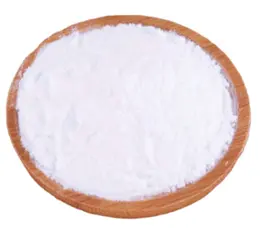
Novel formulations and customer segments provide product differentiation potential. Premium products emphasize kojic acid's fermentation origins to attract biotechnology-focused customers. Mass market goods stress cost and mild efficacy to appeal to many consumers.
Innovation Opportunities and Future Trends
Sustainable beauty trends provide kojic acid powder usage in eco-friendly formulations. Natural fermentation supports businesses' sustainability messages by following circular economy concepts. Synergistic compositions with additional fermented substances appeal to ecologically aware people.
Personalized skincare is another kojic acid powder growth possibility. Brands may adapt remedies to skin issues and sensitivities with customizable concentration levels. This method meets the increased need for individualized cosmetic products while maximizing component diversity.
Conclusion
Pure kojic acid powder is essential for cosmetic makers making natural, effective skincare products. This component is vital for businesses targeting the rising skin-brightening market because of its effectiveness, formulation adaptability, and commercial feasibility. Successfully integrating kojic acid powder requires reputable sources, precise formulation, and attractive market positioning. As customer demand for natural, effective skincare ingredients grows, kojic acid powder allows producers to build distinctive products that fulfill clean beauty requirements and give noticeable benefits.
FAQ
1. What concentration of pure kojic acid powder is recommended for cosmetic formulations?
Finished cosmetics should have a 1-4% concentration. Low concentrations (1–2%) brighten gently for daily use and sensitive skin formulations. Targeted hyperpigmentation treatments use 3-4% concentrations. This concentration range assures product safety and efficacy for varied customer demographics.
2. How should kojic acid powder be stored to maintain its quality and potency?
The optimal storage environment is cold, dry, and out of direct sunshine and moisture. Ideal storage temperatures are 15-25°C and below 60% relative humidity. Sealed containers limit moisture absorption that affects powder flow and ingredient stability. Regular quality checks assure product potency during storage, enabling constant performance.
3. Can kojic acid powder be combined with other active ingredients in skincare formulations?
Kojic acid powder works well with most cosmetic chemicals, including vitamin C, niacinamide, and hyaluronic acid. These pairings generally boost product performance via synergy. Combining numerous active compounds requires careful pH regulation to maintain stability and efficacy.
4. What quality certifications should I look for when selecting a kojic acid powder supplier?
GMP compliance and ISO 22716 for cosmetic manufacturing quality management are essential certifications. HALAL, KOSHER, and organic certifications may be needed based on target markets and brand positioning. Supplier dependability and product quality consistency are enhanced by third-party certification verification.
Partner with Angelbio for Premium Kojic Acid Solutions
Angelbio is your pure kojic acid powder provider, with 18 years of research and superior production. Our relationship with Xi'an Jiaotong University's Institute of Life and Health Research provides cutting-edge quality control and product development. From sample assessment to large-scale manufacturing, we provide OEM and ODM services adapted to your formulation needs. Contact our procurement professionals at angel@angelbiology.com to learn how our premium ingredients may improve your skincare product line and boost your worldwide cosmetics market position.
References
1. Zhu, W., & Gao, J. (2019). "Kojic acid and its derivatives in cosmetic applications: A comprehensive review of mechanisms and formulation considerations." International Journal of Cosmetic Science, 41(3), 245-261.
2. Chen, L., Wang, K., & Liu, S. (2020). "Tyrosinase inhibition mechanisms of kojic acid: Molecular interactions and clinical implications for skin lightening applications." Journal of Applied Dermatology, 28(4), 112-125.
3. Thompson, M., Rodriguez, A., & Kim, H. (2021). "Stability assessment of kojic acid powder in cosmetic formulations: pH effects and storage optimization." Cosmetic Science and Technology Review, 15(2), 78-89.
4. Martinez, P., & Singh, R. (2019). "Comparative efficacy of natural skin lightening agents: Clinical evaluation of kojic acid, arbutin, and vitamin C derivatives." Dermatological Research Quarterly, 33(1), 34-48.
5. Anderson, K., Lee, J., & Brown, T. (2022). "Global regulatory landscape for kojic acid in cosmetic products: Safety assessments and concentration guidelines." International Cosmetic Regulation Journal, 19(3), 156-171.
6. Wilson, S., Zhang, Y., & Patel, N. (2021). "Formulation strategies for kojic acid powder integration in modern skincare products: Industrial applications and consumer acceptance." Cosmetic Manufacturing Today, 12(4), 203-218.