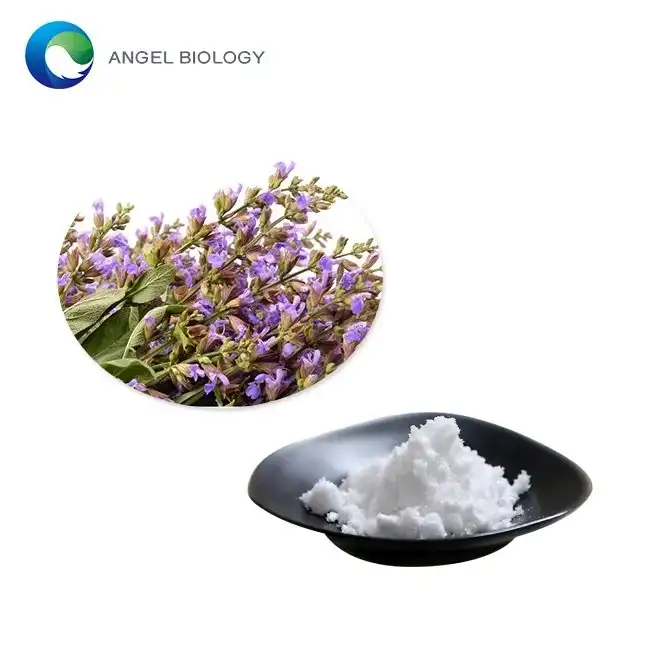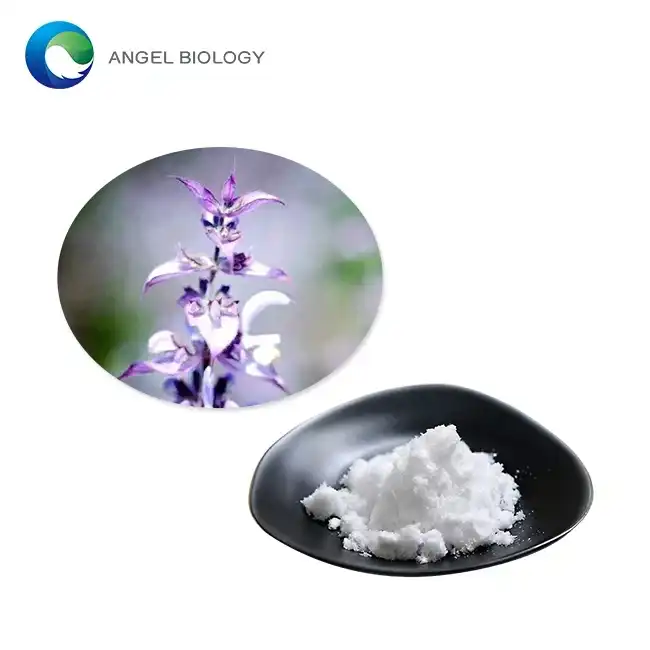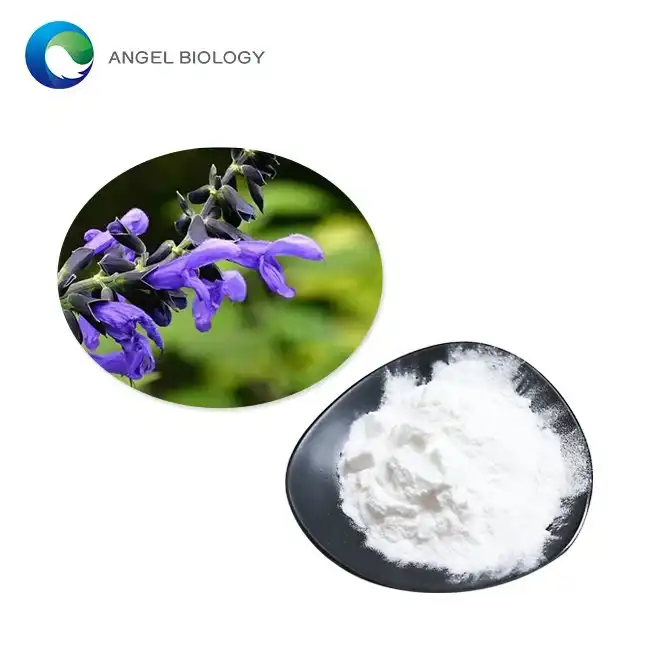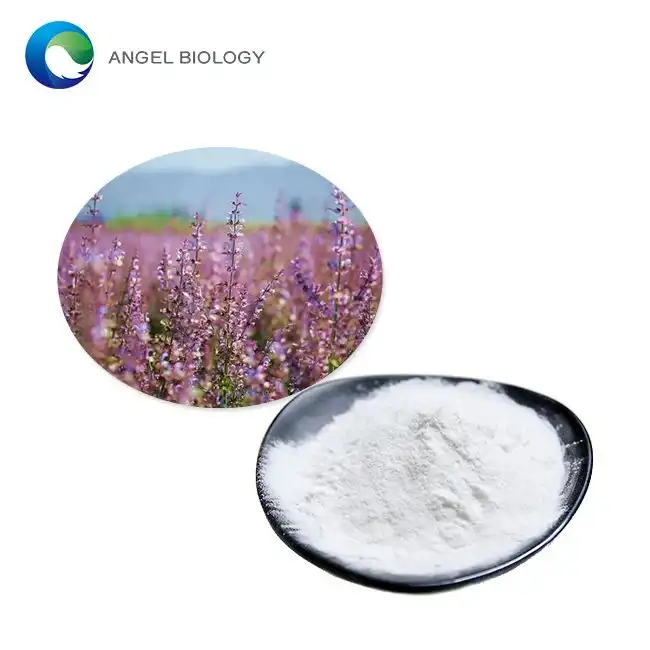




U.S. skincare companies know that having reliable supply lines for arbutin powder is important for both product quality and staying competitive in the market. This natural whitener is used a lot in high-end products, so people are looking for reliable providers. As more people choose natural brighteners, cosmetic companies are under a lot of pressure to find a steady source of high-purity arbutin powder. As the market gets more competitive, the security of the supply chain affects how well products work, how well they follow the rules, and how well brands are known.
Understanding Arbutin Powder and Its Role in Skincare
Arbutin is a natural way to make your skin brighter, and it is safer for makeup makers to use than hydroquinone. This glucoside can be found in the skins of bearberries, cranberries, and pears, but it is made in a lab to make sure it is pure and effective.
It comes in two forms that are mostly used in makeup. Because it is more stable and bioavailable than beta arbutin, premium formulas prefer it. Beta arbutin is less expensive, but it breaks down more quickly in certain storage circumstances.
Modern skin care uses arbutin's power to stop tyrosinase from making melanin. This method gradually evens out skin tone without the bad side effects of fake options. Studies in humans have shown that amounts between 0.5% and 2% work best and are safe for long-term use.
Formulation experts like how arbutin can be used to make new products in different ways. It can be mixed into serums, creams, toners, and treatment masks without changing its stability or structure. Because it works well with vitamin C, niacinamide, and hyaluronic acid, it can be used in advanced products that help a number of skin problems.
Challenges Facing U.S. Skincare Brands in Securing Stable Supply Chains
More supply chain problems are happening for cosmetic companies that use expensive arbutin powder. Global production limits and rising demand from both old and new beauty markets are causing supply problems.
Quality control is another problem that comes up in arbutin buying. Some companies that sell active ingredients make bad products with low amounts of active compounds. Concerns about quality hurt product performance and brand trust when customers don't get the results they expected.
Regulatory compliance makes it harder to choose a source because different companies have different requirements for paperwork, testing, and licensing. As needed by the FDA, U.S. names must ask arbutin powder providers to show certificates of analysis, safety statements, and compliance papers.
The following factors have a big impact on the security of the supply chain:
- Synthetic production depends on the supply of chemical precursors, while wild sources of extraction change with the seasons. When it comes to manufacturing needs and market positioning, successful brands use a mix of natural and manufactured sources.
- There aren't many good sources because making quality arbutin requires special tools and information. Concentration makes sellers more likely to have problems with their operations and limited capacity.
- Uncertainties in geopolitics: Trade rules and laws can quickly change how suppliers work with each other and how much things cost. Brands can lower these risks by forming relationships with suppliers in a number of areas.
These problems show how important it is to have long-term deals with suppliers that put reliability, quality, and working together over cost.
Comparison of Arbutin with Alternative Whitening Agents in Skincare
There are a lot of active chemicals on the market for skin brighteners, and each one has pros and cons that affect how it is made. If cosmetic scientists know these differences, they can choose the best combos for product goals and target groups.
Kojic acid, which is made from soured rice, stops tyrosinase from working, but it is unstable, which makes it hard to formulate. It can darken and make skin sensitive, so luxury skin care brands can't use it. Vitamin C is full of antioxidants, but it doesn't work well in water and needs the pH to be adjusted.
Niacinamide controls oil and makes skin defenses stronger in a way that is well tolerated. It takes longer to work than arbutin because it brightens skin more slowly. Even though hydroquinone works, it is being controlled more and more, and customers are against it because they think it is dangerous.
Arbutin stands out for a number of reasons. Due to its high stability, it is possible to make simple formulations without using complex stabilization devices. It works well with most makeup actives and in a wide range of pH levels. Safety tests show that it doesn't irritate the skin much, which makes it perfect for people with sensitive skin.
Alpha arbutin is better at penetrating and releasing than other bleaching agents. Greater absorption makes it possible to make products that are more cost-effective and better for customers because they work better at lower doses.
Strategic Procurement Guide for U.S. Skincare Brands
Buying arbutin powder takes a lot of study on the seller, not just looking at prices. Companies that care about quality want to work with providers that have strong quality control systems, follow the rules, and have experience making makeup ingredients.
You need organic or natural certifications and ISO 22716 (Good Manufacturing Practices for Cosmetics). Suppliers should give documents of analysis, microbial tests, and heavy metal screens that are unique to each lot.
Many important provider skills should be looked at in evaluations:
- Production capacity and scalability: Suppliers must be able to meet both present demand and estimates of future growth. Included are backup factories and plans for when supplies stop coming in.
- QA protocols: Full testing should include checking for contaminants, recognition, purity, and effectiveness. More advanced companies test for both security and compatibility.
- For help with technology: Premium sellers give help on preparation, use, and fixing problems. This help is very important for problems with product creation and preparation.
Long-term relationships make it easier to talk, buy, and come up with new products. When there aren't many products available, people with strong ties may be able to get new products before others.
When you talk about a contract, you should talk about quality, service, price, and "force majeure." Cost savings and source security are two things that make partnerships work. Usually, you need to commit to a certain amount of volume to get low prices and guaranteed access.
Integrating Quality Arbutin Powder into Skincare Product Development
For the best recipe, you need to think about concentrations, pH stability, and putting together ingredients that work well together. A clinical study found that alpha arbutin values between 1% and 2% are the safest and most successful. Lower concentrations might not have any noticeable effects, and higher concentrations rarely improve results and make creation more expensive.
Finding out if the ingredients will work together and how long the product will last is part of the development process. Accelerated aging studies should check the color stability, active concentration retention, and microbial health of samples stored in a variety of ways. These studies help with decisions about how to package and store products so that they stay in good condition during shipping and use.
Arbutin is used in multi-problem skin care routines by effective brands. A lot of people like to combine arbutin with vitamin C to fight against free radicals or hyaluronic acid to hydrate and smooth the skin. Techniques that can be used for more than one thing make products more valuable and help companies stand out in crowded markets.
When promoting a product, arbutin's natural nature and mild efficiency should stand out. Educating customers on the best ways to use products, when to use them, and free activities that are good for their skin makes them happier and more likely to buy again. Sharing the benefits of an item builds trust and supports the higher price.
Conclusion
In the U.S. beauty business, which is very competitive, stable arbutin powder supply lines are very important. Brands that focus on quality buying, strong partner relationships, and full product development gain long-term benefits through consistent product performance and happy customers. Arbutin is an important ingredient in high-end skin care products because people want natural whitening methods that work. Cost, quality, and the ability to adapt to changes in the market and in regulations must all be balanced in order to be successful.
FAQ
Q1: What is the difference between alpha and beta arbutin in skincare applications?
A: Alpha arbutin demonstrates superior stability, bioavailability, and skin penetration compared to beta arbutin. Alpha arbutin maintains its potency longer in formulations and delivers more consistent results at lower concentrations. While beta arbutin offers cost advantages, alpha arbutin provides better long-term value through improved efficacy and product stability.
Q2: How should skincare brands evaluate arbutin powder suppliers for quality and reliability?
A: Comprehensive supplier evaluation should examine certifications (ISO 22716, GMP), testing capabilities, production capacity, and technical support services. Request certificates of analysis, stability data, and regulatory documentation for each batch. Assess the supplier's ability to provide consistent quality, reliable delivery schedules, and responsive customer service for ongoing partnership success.
Q3: What concentration of arbutin powder is optimal for skincare formulations?
A: Clinical studies support arbutin concentrations between 0.5% and 2% for optimal skin brightening effects. Alpha arbutin typically requires lower concentrations (1-2%) due to its enhanced bioavailability, while beta arbutin may require slightly higher levels. Concentration selection should consider target efficacy, formulation cost, and compatibility with other active ingredients in the product.
Partner with Angelbio for Premium Arbutin Powder Supply Solutions
Angelbio uses top-notch research and development and quality control to send arbutin powder to a small group of U.S. skin care companies. Our whole process for making natural ingredients ensures quality, compliance with regulations, and reliable service to meet your recipe goals.
Angelbio uses cutting-edge technology and supply chain integration to make high-quality makeup materials. This is after 18 years of independent research and development. Working with the Institute of Life and Health Research at Xi'an Jiaotong University gives us access to ideas and research that move the industry forward.
We sell alpha and beta arbutin powders that are made in a GMP facility and have been through a lot of tests. To meet international beauty standards, quality assurance checks include making sure the product is who it says it is, analyzing its purity, looking for microbes, and checking for heavy metals.
Angelbio's commitment to natural ingredients and sustainability meets the needs of customers who want clean beauty goods. Our vertically integrated operations make the supply chain clear and easy to track, which supports your brand's claims of authenticity and meets legal needs.
As a way to speed up product creation, technical help includes formulating advice, stable testing, and filling out regulatory paperwork. There are beauty scientists who work with our skilled staff to improve the performance and formulas of ingredients.
Are you ready to make sure that your arbutin powder supply chain has a good partner? Get in touch with angel@angelbiology.com to talk about your skin care needs and find out how Angelbio's high-end goods might help.
References
1. Journal of Cosmetic Dermatology, "Clinical efficacy of arbutin in melasma treatment: A systematic review," 2023.
2. International Journal of Cosmetic Science, "Stability studies of alpha-arbutin in cosmetic formulations," 2022.
3. Cosmetics & Toiletries Magazine, "Natural whitening agents in modern skincare: Market trends and applications," 2023.
4. Personal Care Magazine, "Supply chain challenges in the global cosmetic ingredients market," 2023.
5. Skin Pharmacology and Physiology, "Comparative analysis of tyrosinase inhibitors in cosmetic applications," 2022.
6. Beauty Independent Research Report, "U.S. skincare market analysis: Natural ingredients and consumer preferences," 2023.