



Understanding the Science Behind Phosphatidylserine Powder and Brain Health
Phosphatidylserine Powder is a phospholipid compound that helps brain cells work better and keeps neural membranes in good shape. This molecule is found naturally and can be taken from sunflower or soy lecithin. Powder that is light yellow to white in color. It has been shown to protect neurons and help people remember things better. Clinical evidence has shown over and over again that it helps brain cells talk to each other and slows down the changes in thinking that happen as people age. Because of this, it is a key part of many nutritional products sold around the world to promote brain health.
What Is Phosphatidylserine Powder and Its Role in Brain Health?
The Biochemical Foundation of Neural Membranes
About 15% of the phospholipids in the membranes of brain cells are Phosphatidylserine Powder. What does it mean that this molecule can bind to both water and fat? After that, it's easy for it to mix into lipid bilayers, which help cells talk to each other and move nutrients around. The ability of this compound to keep its shape changes the production of neurotransmitters and the sensitivity of receptors. These are two important processes for learning and remembering things. This phospholipid is mostly found in synaptic membranes, which are parts of neural tissue where nerve signals move from one neuron to another. It keeps the fluidity of the membrane at the best level for fast signal transmission and protects against the damage that comes from free radicals that build up over time. Because of new ways of extracting from sunflowers, there are now varieties that aren't made from soy that can be used instead. This gives sensitive people more formulation options.
Source Materials and Production Considerations
The process of making something affects the quality of the finished item in two main ways. Enzyme-based conversion methods make profiles that are purer and leave behind less solvent than traditional solvent extraction methods. This method uses enzymes to clean up the lipid profiles, leaving them with less phosphatidic acid. This is important to keep in mind for the stability of the formulation. Some made from sunflower oil became popular because they don't contain any GMOs or allergens. This fits with the clean-label trend that is taking over the supplement market. To stop hydrolysis, the production parameters must make sure that the moisture content stays below 5%. On the other hand, peroxide levels must stay below 5 meq/kg to keep the product Phosphatidylserine Powderstable during its shelf life. These technical details have a direct impact on the success of later formulations and the way well consumer products work.
Mechanisms Supporting Cognitive Performance
A study found that this chemical changes several pathways that manage brain health. The way cortisol reacts to stress is changed, which lessens the bad effects that make it hard to remember things. Neurons that have this phospholipid have better glucose metabolism, which gives them the energy they need to do things that are hard on the mind. Acetylcholine is a neurotransmitter that helps you pay attention and remember things. The molecule also helps control how much of it is made. People over the age of 65 who took supplements did much better on tests of their cognitive abilities, such as remembering words and recognizing them. It is because of these well-known mechanisms that B2B clients can make brain health products that are based on facts.


Benefits, Dosage, and Safe Usage Guidelines of Phosphatidylserine Powder
Cognitive Enhancement and Stress Modulation
The most well-known benefit is better memory retention. Studies have shown that people of all ages can remember things better. People who are better at learning efficiently can process information faster and see patterns more easily. These cognitive benefits aren't caused by stimulants but by better functioning neural membranes. You don't have to get used to them to make them last. New ways to deal with stress were made possible by research that showed lower cortisol levels during intense physical activity. They say they feel less stressed and recover faster after working out when this Phosphatidylserine Powder is in products they use. Getting lower levels of cortisol can help you think more clearly and perform better in sports. In other words, the market isn't just for brain health.
Evidence-Based Dosing Protocols
Clinical research has shown that doses between 100 mg and 300 mg daily work depending on the use and the population being studied. Formulas that help with memory usually use doses of 100 to 150 mg every day, while plans that help with stress might use higher ranges of up to 300 mg when things get really busy. Because it dissolves in fats, the compound is more bioavailable when taken with foods that are high in fat. How well something works changes when you take it. If you take it in the morning, it might help your brain work better during the day. If you take it at night, it might help your brain's memory consolidation while you sleep. Taking the same amount of medicine in the morning and afternoon helps keep your blood levels steady while you're awake. Product developers can put their goods in the right place for customers based on their habits and how they use them by using these strategic timing techniques.
Safety Profile and Interaction Considerations
If any bad effects do happen, they are still very rare and mild. Usually, they are just a little stomach pain here and there. A lot of information from clinical trials that happened decades ago did not point to any major safety issues. It's easy for the body to handle large amounts of this compound. This gives formulators more choices when they need to reach different levels of strength. From what we know now, there isn't a good chance that it will interact with pharmaceutical agents. But people who work with patients and tell them to take medications together should stay up to date on theoretical issues. Following USP and EP standards during production keeps the amount of residual solvent below the level where it cannot be detected. This eliminates the chance of contamination. To make sure of things like heavy metal content, microbial purity, and accurate labeling of potency, suppliers who care about quality Phosphatidylserine Powder use third-party testing protocols. These tests keep people safe and protect the brand's reputation.
Comparing Phosphatidylserine Powder with Other Cognitive Supplements
Powder Versus Capsule Form Considerations
When it comes to making things, bulk Phosphatidylserine Powder forms are clearly better because they allow for more accurate dosing and lower costs when used in large amounts. Because of how easily it can be mixed, it can be used in many different types of delivery systems, from hard capsules to functional drinks. You can change the strength of the powder form to fit the positioning of your product without having to change the tools that are used for pre-encapsulated forms. The flow properties of high-quality powder grades make high-speed capsule filling equipment work better when the right excipients are used to deal with the powder's tendency to retain water. If the bulk density is between 0.3 and 0.65 g/ml, the fill weights will stay the same, and the capsule will be used to its fullest. The speed and cost with which a product is made are directly affected by these technical factors. This is important for placing the product in a competitive market.
Functional Comparison with Fish Oil and Ginkgo Biloba
Omega-3 fatty acids, which are mostly found in fish oil supplements, help keep membranes structurally intact in ways that are different from how phospholipids do their job. They work on pathways that cause inflammation. Formulations with two ingredients that work together are scientifically sound because the two ingredients don't work against each other. Omega-3s are basic building blocks for membranes, and this phospholipid makes membranes that are already there work better and send signals more efficiently. It works by increasing blood flow to the brain and shielding cells from harm with antioxidants. This is not the same as supporting cell membranes. The flavonoid and terpenoid parts of it get rid of free radicals to deal with oxidative stress instead of directly improving brain communication. There are different ways that the mechanisms work, so companies that make medicines can focus on either specific cognitive support or broad multi-pathway brain health approaches.
Synthetic Versus Natural Source Distinctions
Products made from sunflowers cost more because they are non-GMO verified and allergen-free, which people who care about clean labels like. Most of the time, people are less worried about how these natural sources will hurt the environment than they are about synthetic production methods. People who care about their health and want to know what's in their food will be interested in natural origin stories that can help your business. Controlled chemical processes that get rid of the differences between plants are used in synthetic production methods to get very high purity levels—more than 99%. It's easier to guess how consistent the quality will be with synthetic sources, but how the target market feels may be more important than technical benefits, depending on their tastes. It doesn't matter where the ingredients come from; the supply chain needs to be clear. When you buy high-quality ingredients, you should now expect to see traceability documentation as standard.
Procurement Guide: Finding Reliable Phosphatidylserine Powder Suppliers and Pricing Insights
Critical Certification and Quality Standards
GMP certification is the bare minimum needed to make sure that factories have the right systems in place for cleanliness, process control, and keeping records. By getting ISO 9001 quality management certification, you show that you go above and beyond what the law requires and have a plan to be consistent and keep getting better. There is still more work you need to do to be sure that a supplier is reliable, but these basic certifications can help. Third-party testing protocols make sure that each production batch meets the purity standards and label claims by analyzing it in a separate lab. It depends on the grade of the product, but the HPLC-ELSD test results show that the Phosphatidylserine Powder content is usually between 20% and 70%. Heavy metal testing makes sure that arsenic, mercury, and lead levels don't go above what the law allows. Tests for microbes make sure there are no pathogenic contaminants.
Evaluating Supplier Capabilities and Reliability
By checking how much a supplier can make, you can be sure that they can keep up with rising demand without lowering quality or delivery times. Audits of the sites show how clean the rooms are, how advanced the equipment is, and how skilled the workers are. All of these things affect how reliable the manufacturing process is. There is less chance of supply interruptions when there are backup production capabilities and redundant quality testing infrastructure. This is because equipment needs to be serviced, or demand suddenly goes up. Being able to handle global logistics affects both the total cost of landing and how well inventory is managed. International supply chains keep goods safe by working with suppliers who offer combined shipping, the right paperwork for customs clearance, and ways to keep goods at the right temperature during transport. Consistent lead time is just as important as quoted prices when it comes to figuring out how much it really costs to buy things and keep them in stock.
Market Pricing Dynamics and Negotiation Strategies
Prices depend on the level of purity, and for supplements, 50% phosphatidylserine content is a common amount. With this, cost and effectiveness are both fair. When using functional foods with higher inclusion rates that don't cost too much, lower concentration grades work best. These 70% grades are the best because they need to be very strong per dose in pharmaceutical applications. When you commit to buying a lot, you can get tiered pricing. This means that the price per kilogram drops a lot when you buy more than one ton a year. Long-term supply agreements protect against changes in the markets for raw materials, keep prices stable, and make sure that people get what they need first when supplies are low. When you negotiate payment terms that meet both the buyer's Phosphatidylserine Powderand the supplier's needs for cash flow, you can come to an agreement that works for everyone and makes the partnership last longer.
Practical Tips for Using Phosphatidylserine Powder in Product Formulation
Solubility Characteristics and Formulation Compatibility
The chemical doesn't mix well with water, but it can make stable mixtures under the right shear conditions, which means it can be used in drinks. This property of liposomes is used by technologies that use them to make better bioavailability delivery systems for high-end products. To make these more complex mixtures, you need special tools, but they sell for more money, which covers the costs of research and development. It is still very good when it comes to capsules and common supplement ingredients like magnesium stearate, cellulose fillers, and silicon dioxide flow agents. Because hygroscopic products absorb water, they need to be made in controlled humidity environments and in the right desiccant packaging to keep water from getting in. Before the formula goes on sale, it is tested for stability under accelerated conditions to make sure it is strong.
Optimal Application Categories and Delivery Systems
It is best for this Phosphatidylserine Powder to be mixed with other ingredients that work well together, like B-vitamin complexes and plant extracts, in nootropic supplement blends. Hard capsules make it easier to give the right amount of more than one ingredient, and they keep parts that soak up water from the environment from getting wet. With softgel technology, substances can mix with MCT oil, which helps the body take in and use fats better. Modulating cortisol is a feature of sports nutrition recovery formulas that help keep muscle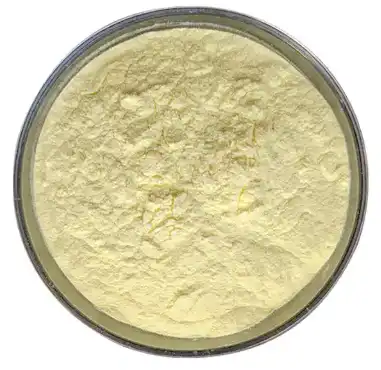
 tissue during hard training cycles. This ingredient in powder blends helps with more than one way of recovering at the same time when mixed with protein matrices and electrolytes. Microencapsulation technologies hide the phospholipids' natural tastes, which makes ready-to-mix drinks taste better.
Synergistic Ingredient Combinations
It is when DHA and omega-3 fatty acids work together that they make membrane support that works for both structural phospholipids and anti-inflammatory signaling pathways. Clinical research has shown that using combination protocols is better for brain health than using single ingredients as supplements. Premium brain health formulas that cost more at stores are worth it because they work together in this way. Complexes of B vitamins, such as B6, B12, and folate, help the body use homocysteine. Homocysteine affects the health of blood vessels and the production of neurotransmitters. In many ways, the metabolic interaction between phospholipid membranes and enzymes that depend on vitamins is good for the brain. People who are smart and want complete solutions are interested in marketing stories that focus on combinations based on science.
Conclusion
People can make smart purchases for Phosphatidylserine Powder products when they know about the science behind it. These phospholipids are important for competitive supplement lines because they are safe, have been shown to help with cognitive functions, and can be used in many ways. When looking for a good supplier, you should look at their certifications, purity standards, and the skills they have to make sure the product always works and meets government standards. For a product formulation to work, bioavailability optimization and the ability to make the product must be balanced. This makes solutions that are ready to go on the market and meet the health needs of consumers. Putting ingredients together in a smart way makes them more effective as medicine, and positioning the product in the market takes advantage of the trend toward clean labels and health claims that are backed up by evidence.
FAQ
1. What is the recommended daily dosage for cognitive support applications?
Clinical studies have shown that doses between 100 mg and 300 mg daily are effective for certain health goals and groups of people. Most formulas that help with stress use higher doses, while formulas that help with memory use 100–150 mg doses. Bioavailability goes up when you eat fats, and the best results come from taking the same amount every day for a few weeks.
2. Are there any safety concerns or side effects with this ingredient?
It has been studied in humans for many years and has been shown to be very safe with few mild side effects. Most of the time, people only report occasional stomach pain as a problem. People have been tested on this ingredient for decades and haven't shown any major safety concerns. When made to pharmaceutical quality standards, it also doesn't interact much with common medicines.
3. How can buyers verify product purity and authenticity?
Get Certificates of Analysis that show the HPLC-ELSD test results and confirm that the amount of phosphatidylserine meets the needs. A different lab should test it to see if it meets USP or EP standards for the amount of heavy metals, the purity of the microbes, and the solvent that is still present. Good suppliers keep detailed records that show where the raw materials come from and how stable the product is, which proves that the labels are telling the truth about how long the product will last.
Partner with Angelbio for Premium Phosphatidylserine Powder Supply
Pharmaceutical-grade Phosphatidylserine Powder is made by Angelbio using advanced enzymatic processes that make sure the highest level of purity and batch consistency. The sunflower-based options we offer meet the standards for clean labels, and our prices are reasonable for large orders. We've been doing great research and development for 18 years, thanks to our partnership with the Xi'an Jiaotong University Institute of Life and Health Research. We offer full technical support, from making formulas to writing up paperwork for regulators. We use strict third-party testing protocols and ISO-certified facilities to make sure that our quality standards are higher than what is required by law all over the world. We are here to help you come up with new products, whether you need a reliable source of phosphatidylserine powder for nootropic supplements, sports nutrition, or functional food. Email angel@angelbiology.com to get samples and talk about bulk solutions that are made to fit your manufacturing needs.
References
1. Glade, M.J., & Smith, K. (2015). Phosphatidylserine and the human brain. Nutrition, 31(6), 781-786.
2. Kato-Kataoka, A., Sakai, M., Ebina, R., Nonaka, C., Asano, T., & Miyamori, T. (2010). Soybean-derived phosphatidylserine improves the memory function of the elderly Japanese subjects with memory complaints. Journal of Clinical Biochemistry and Nutrition, 47(3), 246-255.
3. Kingsley, M. (2006). Effects of phosphatidylserine supplementation on exercising humans. Sports Medicine, 36(8), 657-669.
4. Pepeu, G., Pepeu, I.M., & Amaducci, L. (1996). A review of phosphatidylserine pharmacological and clinical effects: Is phosphatidylserine a drug for the aging brain? Pharmacological Research, 33(2), 73-80.
5. Richter, Y., Herzog, Y., Cohen, T., & Steinhart, Y. (2010). The effect of phosphatidylserine-containing omega-3 fatty acids on memory abilities in subjects with subjective memory complaints: A pilot study. Clinical Interventions in Aging, 5, 313-316.
6. Starks, M.A., Slaton, G.L., Clemens, M.B., Moe, S.T., & Jager, R. (2008). The effects of phosphatidylserine on endocrine response to moderate intensity exercise. Journal of the International Society of Sports Nutrition, 5, 11.