



Valeric Acid Powder: keys to unlocking superior gut health and performance
Valeric Acid Powder represents an emerging ingredient opportunity for functional supplement, nutraceutical, functional food, and microbiome-focused product development. As a five-carbon short-chain fatty acid (SCFA), valeric acid has attracted research interest for its relationship with gut microbial metabolism and host signaling pathways. For manufacturers and procurement teams evaluating differentiated gut-health ingredients, the commercial value lies not only in the research profile of the ingredient, but also in specification consistency, formulation compatibility, quality documentation, and scalable supply.
For B2B buyers, these factors can determine whether an ingredient moves successfully from initial sample evaluation to pilot formulation and full-scale production.
Understanding Valeric Acid Powder and Its Role in Gut Health
Chemical Profile and Sources
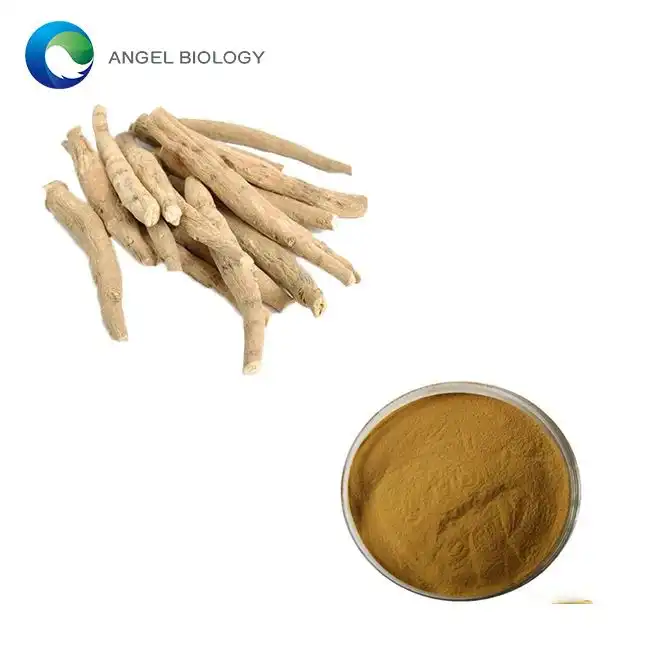
Valeric acid, also called pentanoic acid (C5H10O2), occurs naturally in valerian root and can also be produced through microbial fermentation processes. Depending on the commercial format and manufacturing process, valeric acid may be supplied in specialized powder, encapsulated, or carrier-based forms.
For procurement teams, the physical form, assay, carrier system, particle characteristics, odor profile, and storage requirements should be confirmed against the supplier's current specification before formulation. These details directly affect handling, dosing accuracy, blending performance, packaging selection, and finished-product development.
The chemical has a pKa value of approximately 4.82, and its behavior depends on formulation pH and the surrounding matrix. Rather than assuming that valeric acid is universally suitable for enteric-coated delivery, formulators should evaluate release characteristics, chemical stability, odor, compatibility, and finished-product performance under the intended processing and storage conditions.
For B2B buyers, a well-defined specification can shorten the qualification process by giving R&D teams clear parameters for sample testing, formulation trials, and production scale-up.


Mechanisms Supporting Gut Microbiome Balance
Valeric acid is one of the SCFAs associated with microbial fermentation in the gastrointestinal tract. Research on SCFAs has investigated their interactions with gut microbial communities and host signaling pathways, including G-protein-coupled receptors such as GPR41 and GPR43. However, the available evidence does not support describing valeric acid as a selective substrate for beneficial bacteria or as a proven method for increasing microbiome diversity by a specific percentage.
Likewise, findings concerning intestinal barrier function and inflammatory signaling depend on the specific SCFA, experimental model, concentration, and biological context. Therefore, valeric acid is more appropriately positioned as an emerging research ingredient for gut-health, microbiome, and digestive-wellness formulations, rather than as a clinically established intervention for intestinal disorders.
For product developers, this positioning creates room to develop differentiated concepts while keeping claims aligned with available evidence and applicable regulatory requirements.
From a sourcing perspective, manufacturers should evaluate not only the ingredient's research profile but also assay consistency, physical properties, analytical documentation, and formulation compatibility before selecting a commercial grade.
Systemic Health Implications for Product Development
Beyond the gut, SCFAs have been investigated for their potential interactions with host metabolic pathways. Experimental research has explored pathways such as AMPK and fatty-acid metabolism, but these findings should not be interpreted as proof that valeric acid promotes weight loss, improves metabolic syndrome, or increases human energy levels.
For sports nutrition and wellness developers, the more appropriate opportunity is to evaluate valeric acid as part of gut-focused performance and metabolic-wellness formulation concepts, particularly when combined with other established nutritional ingredients.
This emerging research area may provide differentiation for brands developing products around digestive wellness, microbiome positioning, metabolic wellness, or active-lifestyle nutrition.
For B2B development teams, the next step should be application-specific validation rather than relying on mechanism alone. Compatibility testing, sensory assessment, stability studies, and finished-product evaluation can help determine whether the ingredient fits the intended commercial concept.
Comparing Valeric Acid Powder with Alternative Forms and Products
Form Variations and Manufacturing Considerations
Valeric Acid Powder, liquid concentrates, and naturally derived valerian extracts are different raw-material categories that procurement teams should distinguish carefully. Valeric acid itself is a small organic acid, while valerian extracts contain a broader range of botanical constituents and should not be treated as interchangeable sources of valeric acid.
Where valeric acid is supplied in powder or carrier-based form, the commercial specification should clearly identify assay, carrier composition, particle size, moisture, odor profile, solubility, and storage requirements.
Liquid forms may offer different handling and dosing characteristics but can present challenges related to odor, volatility, packaging, and formulation compatibility. Powder or encapsulated formats may provide advantages for dry blends, capsules, sachets, and other solid-dose applications, depending on the delivery technology used.
For B2B buyers, the preferred format should be selected according to application, target concentration, processing conditions, sensory requirements, packaging requirements, and total formulation cost.
A supplier that can provide both technical documentation and application guidance can help R&D teams compare formats before committing to larger-volume procurement.
Quality Benchmarks Driving Buyer Confidence
Quality requirements for Valeric Acid Powder should be established according to the actual commercial specification and intended application rather than relying on universal limits that may not apply to every product format.
Important parameters can include assay, identity, moisture, residual solvents where relevant, heavy metals, microbiological quality, particle-size distribution, and carrier composition.
For procurement teams, batch-specific Certificates of Analysis (CoAs) are particularly valuable because they allow buyers to verify that each shipment meets the agreed specification. Historical batch data can also help evaluate batch-to-batch consistency and supplier reliability.
ISO 9001, GMP, HACCP, or other relevant quality systems can provide additional assurance regarding manufacturing controls. However, certification alone does not establish regulatory approval for a particular finished product.
Regulatory status should also be evaluated separately for each intended market. Claims that a particular valeric acid ingredient automatically qualifies for US NDI or EU Novel Food pathways should be avoided unless supported by ingredient-specific regulatory documentation.
For procurement teams, a strong supplier package should ideally include specification sheets, batch COA, traceability documentation, testing information, manufacturing certifications, and applicable regulatory support.
Positioning Within Gut Health Ingredient Portfolios
Valeric acid differs chemically from better-known SCFAs such as butyric acid and propionic acid, and each ingredient has its own research background, sensory characteristics, and formulation considerations.
Rather than positioning valeric acid as a proven replacement for inulin or other prebiotics, manufacturers can present it as a distinct SCFA-oriented ingredient for emerging gut-health and microbiome formulations.
Its sensory profile and handling characteristics should be assessed carefully when developing chewables, beverages, powders, or other consumer formats. If the ingredient is incorporated into a targeted delivery system, the release profile should be demonstrated through appropriate formulation testing rather than assumed from its chemical structure.
For brands exploring digestive-wellness categories, this creates an opportunity to differentiate a product portfolio through ingredient format, formulation architecture, standardization, and supporting technical documentation, rather than relying on aggressive health claims.
Procurement Guide: How to Source High-Quality Valeric Acid Powder
Critical Evaluation Parameters
When making sourcing decisions, priority should be given to suppliers that demonstrate consistent batch-to-batch reproducibility. Certificates of Analysis should confirm the agreed specifications for each production batch, while historical CoAs can provide useful information about manufacturing consistency.
Important requirements may include assay, moisture, particle-size distribution, physical appearance, odor, microbiological quality, and packaging integrity, depending on the commercial form.
Instead of applying fixed moisture or particle-size values universally, procurement teams should establish acceptance criteria according to the intended application and supplier specification.
Minimum order quantities can vary substantially between suppliers and should be confirmed during qualification. For larger brands, scalable supply agreements can provide additional value by supporting production planning, forecast-based purchasing, inventory management, and continuity of supply.
A qualified supplier should also be able to clarify sample availability, standard MOQ, bulk pricing structure, lead time, packaging options, and customization capability early in the purchasing process.
Supplier Vetting and Risk Mitigation
Qualified manufacturers should maintain appropriate analytical methods for identity and assay testing and provide documentation demonstrating that these methods are suitable for the material.
Where relevant, suppliers may provide method-transfer information or analytical support to help customers establish incoming-quality testing procedures.
Storage requirements should be based on the actual product specification. Temperature, humidity, oxygen exposure, packaging materials, and inventory management should all be reviewed during supplier qualification when they can affect product quality.
Third-party testing can provide an additional level of verification for key parameters. Independent laboratory testing may be particularly useful during initial supplier qualification or when introducing a new manufacturing source.
For procurement teams, a supplier audit should focus on quality systems, analytical capability, traceability, storage controls, production capacity, change-control procedures, and corrective-action processes.
Logistics and Regulatory Documentation
For international shipments, appropriate commercial and regulatory documentation may include Commercial Invoices, Packing Lists, Certificates of Analysis, Certificates of Origin, and other documents required by the destination market.
Packaging should be selected according to the physical and chemical properties of the specific valeric acid format. For bulk orders, suitable containers with appropriate moisture, oxygen, and odor barriers may be considered based on the supplier's stability data.
Lead times depend on inventory status, production capacity, customization requirements, packaging, and testing needs. Buyers should obtain a confirmed lead time rather than relying on a fixed industry-wide range.
For international procurement, suppliers with established export experience and responsive documentation support can help reduce avoidable customs and logistics delays.
For buyers comparing multiple suppliers, requesting the same specification, COA, packaging requirement, MOQ, lead time, and annual-volume quotation from each candidate can make supplier evaluation substantially more efficient.
Applications of Valeric Acid Powder in Various Industries
Nutraceutical Supplement Formulations
Valeric Acid Powder may be evaluated in emerging gut-health and microbiome-focused supplement concepts, including formulations combining SCFA-oriented ingredients with probiotics, prebiotics, fibers, or other nutritional components.
Rather than claiming that valeric acid directly increases probiotic effectiveness or repairs exercise-induced gut barrier changes, formulators can investigate its role as part of a broader digestive-wellness formulation strategy.
For sports nutrition companies, gut-health positioning may be incorporated into products designed for active lifestyles, but claims related to reducing intestinal permeability or accelerating recovery should require appropriate product-specific evidence.
The physical properties of the powder or carrier-based ingredient should also be evaluated for capsule filling, tablet compression, sachet blending, and other manufacturing processes. Flowability, bulk density, particle size, odor, compressibility, and compatibility with excipients can all influence production performance.
For commercial developers, these technical characteristics can be evaluated during the sample → pilot formulation → stability testing → production scale-up process.
Cosmetic and Skincare Applications
Interest in the skin-gut axis has encouraged research into microbial metabolites and their potential relevance to cosmetic science. However, evidence supporting topical Valeric Acid Powder as a direct acne treatment or as a proven method for selectively increasing beneficial skin bacteria remains insufficient for strong commercial claims.
If formulators wish to investigate valeric acid in topical systems, appropriate concentrations should be established through formulation screening, skin-compatibility testing, microbiological evaluation, and stability studies rather than relying on a universal 0.5–2% recommendation.
Compatibility with commonly used cosmetic ingredients such as niacinamide, vitamin C derivatives, emulsifiers, and preservatives should also be evaluated in the finished formula.
This makes valeric acid more appropriately positioned as an exploratory ingredient for microbiome-conscious cosmetic concepts, rather than as an established antimicrobial or acne-treatment active.
For cosmetic R&D teams, supplier support with sample material, technical specifications, analytical documentation, and formulation consultation can make initial feasibility testing more efficient.
Functional Food and Beverage Integration
Because valeric acid has a distinctive sensory profile, incorporation into ready-to-drink beverages and other foods may require careful flavor management.
Microencapsulation, carrier systems, or flavor-masking technologies may help improve sensory performance and protect the ingredient during processing, but the effectiveness of each approach should be validated with the actual formulation.
Protein bars, powder drinks, sachets, and other functional food formats may provide opportunities for application testing. The appropriate inclusion level should be determined according to the ingredient specification, sensory threshold, regulatory requirements, and finished-product objectives.
Regulatory treatment varies by market and by the specific form and intended use of the ingredient. US GRAS status or EU Novel Food status should not be assumed solely from the chemical identity of valeric acid.
For brands moving toward commercial production, early assessment of sensory performance, processing stability, packaging compatibility, and regulatory documentation can reduce reformulation risk later in the development cycle.
Why Partner with Angelbio for Your Valeric Acid Powder Needs
Angelbio provides botanical and functional ingredient sourcing support for nutraceutical, cosmetic, and functional-food manufacturers. For Valeric Acid Powder, product specifications, quality documentation, analytical testing, and intended application should be evaluated according to the specific commercial material.
Our quality-control approach can include appropriate testing such as identity and assay analysis, microbiological screening, heavy-metal testing, and other specification-specific quality parameters. Batch documentation and traceability information can support customer qualification and regulatory review.
Our technical team works with formulation scientists and R&D teams to evaluate ingredient specifications according to application requirements. Flexible packaging and commercial supply options can be discussed based on project scale, testing requirements, packaging format, and logistics needs.
For customers developing gut-health supplements, functional foods, beverages, or exploratory cosmetic formulations, technical support can help evaluate material format, assay, formulation compatibility, testing requirements, stability considerations, and commercial supply options.
For procurement teams, the objective is not simply to purchase a raw material, but to establish a reliable supply relationship that can support sample evaluation, formulation development, qualification, and subsequent bulk production.
Conclusion
Valeric Acid Powder is an emerging ingredient with research interest surrounding short-chain fatty acids, gut microbiota, and host metabolic pathways. While experimental research provides reasons for continued investigation, current evidence does not justify presenting valeric acid as a clinically proven solution for intestinal permeability, metabolic syndrome, weight loss, inflammatory bowel disease, or other medical conditions.
Its commercial potential lies in its distinctive chemical profile and the opportunity to explore it within gut-health, microbiome, digestive-wellness, metabolic-wellness, and functional nutrition formulations.
Successful product development requires careful attention to sourcing parameters, analytical specifications, physical form, sensory characteristics, regulatory status, application-specific stability, and supply continuity.
For B2B manufacturers, selecting a supplier that can provide consistent specifications, batch-specific COA, appropriate testing, technical support, flexible packaging, and reliable commercial supply can reduce procurement and formulation risks.
As research into SCFAs and the gut microbiome continues to develop, companies evaluating Valeric Acid Powder should focus on evidence-based positioning, transparent specifications, application validation, and scalable sourcing to build commercially credible products.
For procurement and R&D teams, the most efficient next step is to provide the supplier with the target assay, intended application, estimated annual volume, packaging requirement, and destination market so that specification, sample, MOQ, lead time, and quotation can be evaluated efficiently.
FAQ
1. What dosage ranges are recommended for gut health supplements?
There is currently insufficient evidence to establish a universal recommended daily dosage of Valeric Acid Powder for general gut-health supplementation.
Rather than treating the 500–1,000 mg range as a clinically established recommendation, formulators should determine the appropriate inclusion level according to the specific ingredient form, assay, intended application, available safety data, regulatory requirements, and finished-product design.
For commercial formulation, dose development should proceed through ingredient qualification, formulation screening, safety assessment, and applicable regulatory review.
2. How can procurement teams verify supplier purity claims?
Ask for multiple batch-specific Certificates of Analysis and confirm the analytical method used to determine identity and assay.
Where appropriate, independent third-party testing can provide additional verification. Suppliers should also be able to provide relevant specification sheets, testing methods, chromatographic data where applicable, traceability information, and manufacturing certifications.
Procurement teams should compare supplier specifications with the actual requirements of the target application rather than applying generic quality limits.
For serious supplier qualification, buyers can also request sample material, recent COA, MOQ, lead time, packaging specifications, and bulk pricing at the same stage.
3. Are there contraindications or side effects to consider?
A universal safety statement should not be made for Valeric Acid Powder without ingredient-specific human safety data.
Potential tolerability can depend on the chemical form, dose, formulation, route of administration, and individual characteristics. Therefore, manufacturers should avoid presenting the ingredient as universally safe or recommending self-directed use for people with medical conditions.
Finished-product labels should follow the applicable regulatory requirements, and any safety warnings or usage limitations should be based on appropriate ingredient-specific data and regulatory review.
Source Premium Valeric Acid Powder from Trusted Manufacturer Angelbio
Angelbio supports manufacturers and distributors evaluating Valeric Acid Powder and other functional ingredients with technical documentation, sample support, specification review, and commercial sourcing assistance.
Our technical team can help customers evaluate the appropriate ingredient format, assay, testing requirements, packaging, and application considerations for their project.
For companies developing gut-health supplements, functional foods, beverages, or innovative wellness formulations, a specification-driven sourcing process can help reduce development risks and improve commercial readiness.
Send Angelbio your target assay, application, annual volume, and destination market to receive a more relevant evaluation of sample availability, technical documentation, MOQ, lead time, packaging options, and bulk quotation.
Email angel@angelbiology.com to start the qualification process.