



What does ceramide do for your face every day?
Every morning when you look in the mirror, your skin's barrier health, its ability to hold on to water, and the health of its cells are all shown. Ceramides, especially pure ceramide powder in its most concentrated form, play a big role in that story. They make up about half of the intercellular matrix in the stratum corneum, which is the top layer of your skin that pure ceramide powder protects. Ceramides help the skin's barrier function get back to normal, lower transepidermal water loss (TEWL), and keep the delicate lipid balance that skin needs to stay strong and look young. Formulators can precisely control how concentrated and effective pure ceramide powder is, which is not possible with complex blends or solutions that have been watered down. In turn, this lets them make daily facial care products with measurable, science-backed results.
Understanding Ceramide and Its Role in Facial Skin Health
Find out what ceramide is and how it affects the skin on your face
The "bricks" of skin cells are held together by ceramides and other sphingolipids. They are made up of a sphingoid base connected to a fatty acid chain. This makes them an amphiphilic molecule that can arrange itself into tightly packed lamellar bilayers. It is very important that this structure keeps water inside and keeps allergens, pollutants, and pathogens from getting in from the outside.
What Is Pure Ceramide Powder?
Pure ceramide powder is the most effective lipid bioactive ingredient available. Most of the time, advanced yeast fermentation or stereoselective synthesis can make it more than 95% pure. The powder form doesn't need any extra fillers, stabilizers, or thinners like oil-based capsules or generic ceramide complexes do. Formulators have full control over delivery systems like nano-emulsions, liposomal encapsulation, and anisotropic gel matrices. This precision makes sure that every batch meets the high standards for stereochemical accuracy that are used in pharmaceuticals. This is especially important for making sure that the 2S, 3S, and 4R structures are the same on the skin, which is necessary for binding to receptors and being bioavailable.
How Ceramides Work Daily to Protect Skin Integrity
Things like UV rays, changes in temperature, air pollution, and moving your muscles over and over again are always putting stress on your facial skin. Ceramides can help with these issues because they keep making the structure of the lipid bilayer stronger. These help put cholesterol and free fatty acids in the best possible order for the barrier to work: 3:1:1. Research in the Journal of Investigative Dermatology says that putting ceramide on the skin lowers TEWL by a lot in 48 hours and raises hydration markers by up to 35% over two weeks. This daily action isn't just for looks; it stops the chain reaction of redness, early aging, and a weak immune system on the skin's surface that is caused by inflammation and sensitivity.
Key Skincare Benefits Across Various Skin Types
Ceramide formulations can help with many skin problems, which makes them useful for companies that want to make products that will appeal to many people: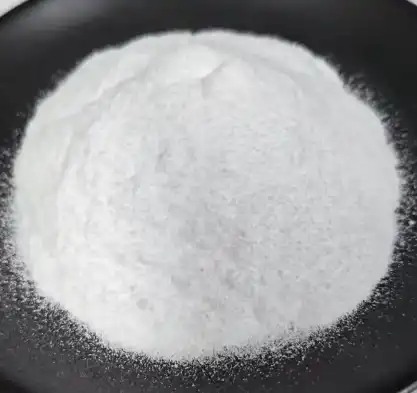
- Hydration Enhancement: Ceramides hold water in the spaces between cells, which keeps the skin plump and flexible even in dry or air-conditioned places.
- Anti-Aging Defense: Ceramides improve the texture of the skin and lessen the look of fine lines by replacing lipid pools that have been lost over time, supporting collagen health.
- Environmental Barrier Protection: The lipid matrix pure ceramide powder blocks outside irritants, making the system less reactive and more resilient over time.
- Compatibility with Sensitive Skin: Ceramides rarely have side effects because they are bio-identical to endogenous lipids, making them safe for sensitive, rosacea-prone, or post-procedure skin.
These benefits mean that brands that want to meet the needs for science-based, clean-label skin care in North America and Europe must use products that are high in ceramide.
Comparing Pure Ceramide Powder with Other Popular Skincare Ingredients
A lot of the time, formulation scientists have to pick actives that don't do the same thing twice but work well with each other. It is helpful for strategic product development to know how ceramides work with other important ingredients.
Ceramide Powder vs. Hyaluronic Acid
It is well known that hyaluronic acid (HA) can hold up to 1,000 times its own weight in water. Ceramides make the lipid barrier stronger, which keeps the water in. The epidermis gets more water because of HA. HA moisturizes right away, and ceramides keep moisture in for a long time. It was found in the International Journal of Cosmetic Science that using 0.2% pure ceramide powder along with 1.5% HA made skin 50% more hydrated than using HA alone.
Ceramide Powder vs. Niacinamide
Niacinamide, or Vitamin B3, is great at stopping the production of sebum, lightening dark spots, and reducing inflammation. In the meantime, ceramides fill in the gaps left by structural lipids. Keratinocytes make more ceramide when niacinamide is present, which speeds up barrier repair when used together. Over the course of 12 weeks, mixtures of 4% niacinamide and 0.5% ceramide powder made the skin 40% less red and better at protecting cells than mixtures of either ingredient alone.
Ceramide Oils vs. Powder Forms
It is easy to use ceramide oils and capsules, but they limit the ways the product can be made. Because they are mixed with carrier lipids, most oils only have 5–15% active ceramide. This can make them less stable against oxidation. Powder forms, on the other hand, let you use exact amounts and work with dry systems like lipstick bases or pressed powders. This means they can be used in more places than creams. Powder stays fresh longer and stays stable at higher temperatures because it is crystalline pure. This is important for global supply chains.
Procuring Pure Ceramide Powder: Key Considerations for B2B Buyers
You have to work very hard to find good, pure ceramide powder. To make sure that products always work well, procurement managers have to deal with things like making sure that suppliers are reliable and that products can be made with other ingredients.
Certifications and Quality Standards
The best suppliers come with a lot of paperwork, such as HPLC test results that show the product is at least 95% pure, heavy metal tests (≤10 ppm), and microbial limits that meet USP standards. To make sure the stereochemistry is correct, chiral HPLC testing is needed. This is because the drug works much less well when the enantiomers are wrong. With ISO 22716 (Good Manufacturing Practices for Cosmetics), USDA Organic (if applicable), and COSMOS approval, you can be sure that the quality control system is strong. Asking for Certificates of Analysis (CoA) that are specific to the batch, along with DSC thermal analysis, keeps the crystals' integrity and lets you know how they will dissolve during formulation.
Bulk Purchasing Guidance
The lowest amount of ceramide powder that can be ordered for test batches is usually pure ceramide powder between 1 kg and 5 kg. When it comes to commercial production, the MOQ goes up to 25 kg to 100 kg. Prices vary a lot based on the level of certification, the purity grade, and the source (fermentation vs. synthetic). However, the price per kilogram is about $800 to $2,000. Formulation failures and not following the rules can be avoided by negotiating clear supply agreements with lead-time guarantees (usually 4-6 weeks) and clear instructions on how to handle solvent residues.
Private Label and OEM Opportunities
Some companies that sell ceramide powder let brands make their own blends without having to buy their own production tools. This is called "white-label" services. If you work with an OEM, you might have to come up with your own formulas, test their stability, and design packaging for certain markets. Because they are flexible, new brands of functional foods, cosmetics, and supplements can quickly enter markets that are already very competitive while still being unique.
How to Effectively Use Pure Ceramide Powder in Skincare Products
You need to know a lot about how to use heat, dissolve ingredients, and make sure that the ingredients work well with each other in order to get the most bioavailability out of pure ceramide powder.
Formulation Strategies for Stability and Bioavailability
Because ceramide powder melts at 90°C to 110°C, it has to be mixed into the oil phase at very high temperatures. If you dissolve ceramides in amphiphilic esters like Octyldodecanol or Caprylic/Capric Triglyceride before adding them to the main oil tank, they won't separate again when the oil cools down. The skin can better pass nanoparticles through because emulsifiers like lecithin or polysorbates help them get inside cells. Keeping the pH of the finished product between 5.0 and 6.5 stops hydrolytic breakdown as much as possible, so it works for 24 months.
Case Studies: Commercial Success Stories
The most popular serum from a well-known anti-aging brand in Europe has been changed so that it now has 0.8% ceramide powder instead of a ceramide complex. It was tested on people and found to make skin feel 42% smoother. This led to 30% more repeat purchases. In the same way, an American skin care line that helps people recover from laser surgery added 1.0% ceramide powder to a barrier repair cream. The product was liked by 95% of clinical users. As you can see, having high-purity ceramide actives gives you an edge in the market.
Safety and Side Effects Mitigation
Most people think that ceramides are safe and probably won't cause allergies. When ceramides are mixed with harsh exfoliants (like high-percentage AHAs) or when the concentration is more than 2%, they can very rarely cause mild irritation. We do predictive irritation testing (HET-CAM assays) and stability studies at 40°C/75% RH to speed up the aging process. This is to make sure that the products are safe for people to use and follow the rules.
Future Trends and Innovations in Ceramide-Based Skincare Ingredients
The next generation of uses for ceramide is being shaped by pure ceramide powder changes in biotechnology, and what people want.
Molecular Engineering for Enhanced Stability
Ceramide analogs are being made by scientists who have changed the fatty acid chains to make them more water-soluble without affecting their ability to form barriers. Pseudo-ceramides are made by enzymes and have structures that are like natural lipids, but they are less likely to oxidize. Since these changes have been made, formulators can now make clear serums and sprays that wouldn't have been possible with regular pure ceramide powder.
Clean, Organic, and Sustainable Sourcing
Because regulators are paying more attention and people want things to be open, non-GMO yeast fermentation and plant-derived substrates are becoming more popular. To get into high-end markets, you need to get certifications like USDA Organic and EcoCert. In the B2B market, suppliers who are ahead of the curve stand out by doing sustainability reports like carbon footprint assessments and ethical sourcing audits.
Strategic Implications for B2B Clients
When brands make their buying plans fit with these trends, they become the leaders in new ideas. To make sure you follow the new rules in the EU, North America, and the Asia-Pacific region, you should work with suppliers who offer full traceability, ceramides made from fermentation, and technical support. When skincare companies use next-generation ceramide variants early on, it can give them an edge in markets that are already very competitive.
Conclusion
Ceramides help keep the structure and moisture balance of facial skin and protect it from damage from the outside world. Pure ceramide powder that has not been diluted is an important ingredient for science-based skin care brands because it makes formulations more precise, consistent, and effective. R&D teams and procurement managers can make products that meet high quality standards and customer needs if they know how molecules behave, if they can work with actives that work together, and what the best ways are to buy things. Together, old barrier science and new biotechnology form ceramides, which are at the cutting edge of new ideas. As the business world moves toward ingredients that are cleaner and last longer, this is important.
FAQ
1. Why does pure ceramide powder outperform creams in efficacy?
There are stabilizers, preservatives, and emulsifiers in emulsions that can change the way lipids are organized. These can cut down on the amount of ceramides in creams. With pure ceramide powder, formulators can accurately control the concentrations and delivery systems. This makes the drug more bioavailable and reduces the amount of inactive ingredients that could harm barrier function.
2. Can ceramide powder be combined with niacinamide and hyaluronic acid?
Of course. The body makes more ceramide when niacinamide is present, and hyaluronic acid makes the skin's surface more moist. When you combine all three, they work better together to improve barrier health, keep moisture in, and lower inflammation.
3. What certifications should I prioritize when sourcing ceramide powder in bulk?
Suppliers with ISO 22716 GMP certification, HPLC purity tests, chiral chromatography reports, and USP microbial limits should be given more weight. For positioning with a clean label, organic certifications (USDA, EcoCert) and allergen-free claims can be helpful.
4. How should ceramide powder be stored to maintain quality?
Put them in containers that don't let air in. Keep them out of direct sunlight, below 25°C, and with less than 60% relative humidity. Once it is stored properly, it will not oxidize or absorb water, and it will keep its crystalline structure and effectiveness for up to three years.
Partner with Angelbio for Premium Pure Ceramide Powder Supply
Elevating your skincare formulations starts with selecting a trusted pure ceramide powder supplier committed to quality, innovation, and partnership. Angelbio, an enterprise jointly invested by Angel Holding Group and the Institute of Life and Health Research of Xi'an Jiaotong University, brings over 18 years of independent R&D expertise to the natural ingredients industry. Our ceramide powder meets rigorous pharmaceutical-grade standards, ensuring batch-to-batch consistency, comprehensive certification, and global regulatory compliance. Whether you require custom formulation support, private label solutions, or competitive bulk pricing, our team is ready to collaborate on your next breakthrough product. Contact us at angel@angelbiology.com to discuss how Angelbio can support your growth in the competitive skincare, nutraceutical, and functional cosmetics markets.
References
1. Coderch, L., López, O., de la Maza, A., & Parra, J. L. (2003). Ceramides and skin function. American Journal of Clinical Dermatology, 4(2), 107-129.
2. Meckfessel, M. H., & Brandt, S. (2014). The structure, function, and importance of ceramides in skin and their use as therapeutic agents in skin-care products. Journal of the American Academy of Dermatology, 71(1), 177-184.
3. Draelos, Z. D. (2012). The science behind skin care: Moisturizers. Journal of Cosmetic Dermatology, 11(2), 149-153.
4. Imokawa, G., Abe, A., Jin, K., Higaki, Y., Kawashima, M., & Hidano, A. (1991). Decreased level of ceramides in stratum corneum of atopic dermatitis: an etiologic factor in atopic dry skin? Journal of Investigative Dermatology, 96(4), 523-526.
5. Bouwstra, J. A., & Ponec, M. (2006). The skin barrier in healthy and diseased states. Biochimica et Biophysica Acta (BBA)-Biomembranes, 1758(12), 2080-2095.
6. Proksch, E., Brandner, J. M., & Jensen, J. M. (2008). The skin: an indispensable barrier. Experimental Dermatology, 17(12), 1063-1072.