



What Is L-Glutathione Powder and How Does It Work for Skin Whitening?
Bioactive L-glutathione powder made people look and feel better. By stopping tyrosinase, this vitamin lowers melanin and makes skin brighter. L-glutathione powder, which is the body's main antioxidant, gets rid of free radicals and helps cells grow again. People who like natural beauty like glutathione pills because they gradually make skin lighter by switching the production of melanin from dark eumelanin to light pheomelanin.
What Is L-Glutathione Powder?
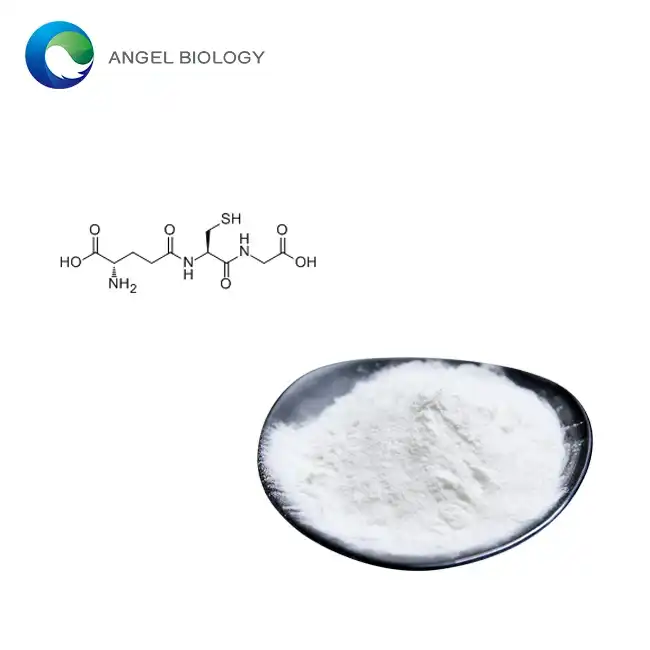
Reduced glutathione (GSH), which is the most powerful antioxidant, can be bought as L-glutathione powder. This off-white to white powder is made up of the tripeptides L-glutamate, L- cysteine, and glycine, which are biologically active. It is an antioxidant because it has a free sulfhydryl group.
Candida and Saccharomyces cerevisiae process high-quality L-glutathione powder instead of making it themselves. This fermentation method is safe for living things and clean in terms of stereochemistry for medicines and vitamins. Under controlled settings, the powder dissolves in water and stays solid.
Good L-glutathione powder is more than 98% pure and not easily degraded. The process of production takes into account hygroscopicity and thiol group breakdown when heat or moisture is present. Advanced condensation gets rid of the sulfury smell and makes industrial formulas more uniform.
The powder's chemical makeup makes it a helper in many biological processes. It helps with Phase II liver cleansing, immune control, and protecting cells from oxidative stress. It also has antioxidant properties. People who work on health and beauty products use L-glutathione powder because it is flexible.
The Problem It Solves and Market Demand
Modern life does a lot of damage to the face and body through reactive stress. Pollutants in the environment, UV rays, processed foods, and long-term worry all lower glutathione, which speeds up age, skin discoloration, and cell health. Traditional skin care puts treatments for the outside of the face ahead of the internal processes that affect beauty and health.
As people become more aware of manmade chemicals, natural skin brighteners are becoming more popular. A lot of chemical bleaches are bad for you or only work for a short time. In this gap, natural L-glutathione powder from cells makes skin brighter.
According to a study, the global glutathione market is driven by people's interest in nutraceuticals and their knowledge of antioxidants. In Asia, glutathione is used to whiten skin, while in the West, it is used to detoxify and slow down the aging process.
Cosmetics makers try to make products that are reliable, useful, and effective. Scientists have shown that L-glutathione powder can help treat skin problems. It could help make more collagen, protect cells from damage caused by free radicals, and make cells younger. This makes it an interesting ingredient for skin care.
Glutathione is thought to be good for your brain, immune system, and overall health. These let beauty and health things go between groups.
Core Features and Skin Whitening Mechanism
Using L-glutathione powder to whiten skin, advanced biological processes go after melanin. Tyrosinase changes tyrosine into melanin. The main route stops it. Glutathione lowers the activity of tyrosinase, which makes skin lighter.
L-glutathione powder changes pigment as well as stopping enzymes from working. It makes pheomelanin (yellow/red) from eumelanin (dark brown/black) to make skin lighter. This looks more realistic than whitening so much that the color is gone.
Antioxidants in glutathione make skin look better. Melanocyte discoloration and dark spots are caused by free radical inflammation. Glutathione gets rid of reactive oxygen species, which protects skin cells and lessens the color changes caused by inflammation.
Another skin benefit of glutathione is that it helps cells grow back. The peptide makes skin better by speeding up the production of proteins and cells and getting rid of colored cells. Damaged, unevenly colored skin cells are replaced by new, even skin cells.
Glutathione cleansing changes the way skin looks. Glutathione gets rid of toxins and cellular waste, which makes the face feel better. smoother, brighter skin that looks and feels better.
A study found that vitamins C and E make glutathione work better. A skin-whitening antioxidant network is made when glutathione fixes other antioxidants and makes itself work better.
Manufacturing Technology and Quality Control
Premium L-glutathione powder is made through advanced fermentation. With some yeast types, regulated fermentation leads to the best output and less form integrity. Keep an eye on the temperature, pH, air, and nutrients during fermentation to keep the product's quality and stop it from going bad.
Multiple filters and crystals get rid of contaminants without changing the bioactivity. Ion-exchange chromatography and membrane filtration make medically pure products that are 98% or more pure. These steps get rid of heavy metals, leftover proteins, and bacteria byproducts that could make the product less safe or effective.
The only way to keep pure glutathione from going bad is to spray-dry it into a stable powder. Nitrogen blanketing keeps specialized equipment from rusting. For consistent construction, the powder moves easily and has particles of the same size all over.
Quality control includes testing the product in more than one step. The active form can be seen in HPLC reduced-to-oxidized glutathione ratios. Microbiological testing finds diseases, and heavy metal research meets safety standards around the world.
Stability tests in different environments help with storage and shelf life. Rapid aging tests help with mixture and packing by mimicking keeping for a long time. Thorough testing is done on each production batch to make sure the product works well.
Key Advantages for Product Development
Formulators like L-glutathione powder because it can be used for many things. It is easy to add to pills, tablets, liquid vitamins, and topicals because it dissolves in water. Because of this, product makers can target different customer tastes and uses with a variety of marketing methods.
Customers who buy natural products like the clean label on glutathione that comes from fermentation. Certifications for non-GMO, kosher, and halal foods help with diets and grow markets. It tastes better when made without animal products in vegetarian and vegan forms.
Modern production stabilizes glutathione, which gets rid of problems with composition. Throughout the supply chain, powder types that are resistant to rust and wetness keep the product viable. Formulation creation is easier when the complexity of the regulating system is lowered.
With extra active ingredients, it is possible to make health and beauty products that work better together. Glutathione helps antioxidants and vitamins C and E repair cells. Using compatible parts helps formulators make better goods.
Major market government clearance makes it easier for products to be sold all over the world. Key safety features and government approvals make it easier to get into the market and boost trust in global growth. Product approval is sped up by sending regulatory submission papers in groups.
Considerations and Formulation Challenges
When making L-glutathione powder, you need to know what its strengths and weaknesses are. When powder is being made and stored, it needs to be cleaned for wetness. When there is a lot of humidity, a product may not work as well because it may not flow easily or at all.
If an ingredient or method is sensitive to oxidation, the recipe needs to be changed. Oxygen, light, and metal ions can oxidize glutathione's free sulfhydryl group, which makes antioxidants. Formulators need nitrogen washing, containers that don't let light in, and the right materials.
Formulation and spread are affected by bioavailability. Acid and enzymes in the stomach may break down oral glutathione before it can be absorbed. Enteric covering, liposomal packaging, and absorption boosters all work together to make drugs more bioavailable.
Things for people who may need to cover up the sulfur smell of glutathione. This smell is lessened by good powder, but to get rid of it completely, you need to use flavoring agents or encapsulation, which make formulas more difficult and cost more. Formulation must strike a balance between effectiveness and control of smell.
Cost affects how a product is positioned and how it gets into a market. Good L-glutathione powder costs more than fake or low-quality versions. For premium placement, the prices of ingredients should meet the price points that are wanted while still keeping their usefulness and quality.
L-Glutathione Powder vs. Alternative Ingredients
Compare L-glutathione powder to other antioxidants and skin-whitening chemicals to determine its value. Vitamin C helps combat free radicals and halt tyrosinase; however, some supplements are unstable and taste terrible. Glutathione is softer and more firm when correctly produced, making it suitable for delicate skin.
Arbutin and kojic acid brighten skin. When applied to the skin, these poisons may induce irritation. Besides lightening skin, glutathione enhances internal health and attractiveness.
Fermented glutathione is healthier. Chemical synthesis may introduce contaminants or stereochemistry alterations that reduce safety or efficacy. More pure and acceptable for living organisms than produced L-glutathione powder. Alpha-lipoic acid and antioxidants boost glutathione without lightening skin. They don't quickly diminish melanin or promote glutathione bleaching.
Glutathione precursor NAC may help create more. Directly taking L-glutathione powder is safer than converting basic components. This simple approach lets formulators regulate quantity and outcome.
Target Applications and Use Cases
To make L-glutathione powder more bioavailable for nutritional uses, companies that make it use complicated delivery methods. Enteric coverings or liposomes keep the contents of the pill safe while they move through the stomach. Adding flavor and keeping the supplement stable make liquid vitamins tasty and useful.
Glutathione is now used in cosmetics to make skin look brighter and fight age. Oral glutathione can be raised with serums, creams, and masks. Nanoparticles or microencapsulation help cosmetics work better and stay put longer.
Functional glutathione drinks and foods are starting to show up. Because glutathione is good for your health and looks good, ready-to-drink beauty drinks, enriched water, and useful food can all compete. Processing and storage need to be stable in order to stay active.
High-concentration glutathione is used to lighten skin in medical spas and dermatology offices. Glutathione and other active chemicals are used in professional treatments to get results faster.
The protective and healing benefits of glutathione in sports diets make people perform better. Glutathione after a workout lowers reactive stress and helps muscles heal. These uses focus on the protective and healing effects of glutathione on cells, not its looks.
Conclusion and Future Outlook
L-glutathione powder is a big step forward because it is healthy and looks good. It's a good choice for many people because it has skin-whitening, antioxidant, and purifying qualities that are backed by science. New ways to use and supply glutathione may make its roles in diet and personal care better. Because people want natural ingredients that can do more than one thing, this amazing peptide has a lot of promise for new product creation.
FAQ
Q1: How long does it take to see skin whitening results from L-glutathione powder?
Continuous use can make skin brighter in 4 to 8 weeks, depending on the amount, substance, and person. Glutathione moves slowly. Three to six months of constant sun protection and medicine gives the best benefits.
Q2: What dosage of L-glutathione powder is recommended for skin whitening?
250–1000 mg per day works, but it depends on the product and the need. Remember that 250–500 mg keeps you going and 500–1000 mg speeds you up. Doses are set by doctors based on the patient's health and the goals.
Q3: Can L-glutathione powder be combined with other skin-brightening ingredients?
Glutathione works with vitamins C and E and alpha-lipoic acid to make antioxidants stronger. Usually, more than one combination works better. Safe preparation stays away from reactions that could change how well it works or how stable it is.
Q4: Is L-glutathione powder safe for long-term use?
Research shows that taking glutathione supplements for a long time is safe. Since the body makes glutathione itself, it is safe to take as a vitamin. Medical tracking on a regular basis meets goals and improves advantages.
Q5: How should L-glutathione powder products be stored to maintain effectiveness?
Keep it cool, dry, and out of direct sunlight and water. Open things last longer in the fridge, but closing them down drops the air level. Storage rules for making keep things from going bad and keep them working well.
Partner with Angelbio for Premium L-Glutathione Powder Solutions
Angelbio has been independently researching and developing L-glutathione powder for 18 years and uses cutting-edge fermentation technology to make it. Pharmacy-grade production makes sure that even the most difficult recipes are pure and of high quality. Our expert team can help you sell L-glutathione powder in bulk for use in beauty products or health supplements. Email our experts at angel@angelbiology.com to find out how our high-quality L-glutathione powder can help you build your product.
References
1. Weschawalit, S., et al. "Glutathione and its antiaging and antimelanogenic effects." Clinical, Cosmetic and Investigational Dermatology, vol. 10, 2017, pp. 147-153.
2. Villarama, C.D., et al. "Evidence-based dermatology: Anti-aging skin care ingredients." Journal of Drugs in Dermatology, vol. 16, no. 4, 2017, pp. 329-340.
3. Handog, E.B., et al. "An open-label, single-arm trial of the safety and efficacy of a novel preparation of glutathione as a skin-lightening agent in Filipino women." International Journal of Dermatology, vol. 55, no. 2, 2016, pp. 153-157.
4. Arjinpathana, N., et al. "Glutathione as an oral whitening agent: A randomized, double-blind, placebo-controlled study." Journal of Dermatological Treatment, vol. 23, no. 2, 2012, pp. 97-102.
5. Watanabe, F., et al. "Effects of oral glutathione supplementation on skin properties." Journal of Clinical Biochemistry and Nutrition, vol. 54, no. 1, 2014, pp. 72-78.
6. Zhai, H., et al. "Skin whitening agents: An overview of current research and clinical applications. "Skin Pharmacology and Physiology, vol. 29, no. 3, 2016, pp. 143-152.