



What is Pine Bark Extract Powder and Its Top Health Benefits?
Pine Bark Extract Powder is a high-quality plant-based ingredient that comes from the inner bark of certain pine species, mostly Pinus pinaster (French Maritime Pine) and Pinus massoniana. Proanthocyanidins (OPCs) are a strong group of bioflavonoids that have been known to have exceptional antioxidant qualities. They are standardised to contain high concentrations—usually 95%—of proanthocyanidins. Bioavailability issues, formulation stability, and the rising demand for natural ingredients with clean labels are some of the big problems that formulators of nutraceuticals and cosmetics have to deal with. The extract solves these problems. This extract plays a key role in making health-focused products, as it improves cardiovascular health, skin elasticity, and systemic inflammation control.
Understanding Pine Bark Extract Powder
Botanical Origins and Extraction Process
The maritime pine (Pinus pinaster), which grows naturally along the coasts of southwestern France and the Mediterranean, is where most of this extract comes from. To harvest, mature bark must be carefully chosen and then put through a controlled extraction process using ethanol-water systems. To meet high safety standards, this method preserves the bioactive substances and keeps the amount of ethanol left over below 5000 ppm. This extraction focuses on oligomeric proanthocyanidins, which are different from general plant powders. This technique makes a standard product that gives the same results across batches, which is very important for corporate buyers who are in charge of large-scale formulations.
Manufacturers with a strong reputation use extraction methods that protect low-molecular-weight proteins like catechin and epicatechin. Because these chemicals are present, the extract dissolves better in water than other plant antioxidants. High-Performance Thin-Layer Chromatography (HPTLC) fingerprinting is used by good producers to confirm the Pinus genus and tell it apart from cheaper fillers like peanut skin or grape seed.
Chemical Composition and Active Compounds
Proanthocyanidins drive the main cellular activity of this Pine Bark Extract Powder. These polyphenolic structures have shorter chain lengths than many other plants, which makes them better at dissolving in water and being absorbed by cells. According to research, these OPCs have about 20 times more antioxidant power than vitamin C and 50 times more antioxidant power than vitamin E in lab tests.
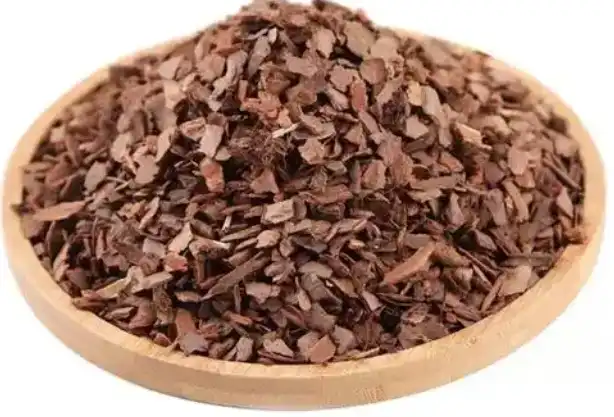
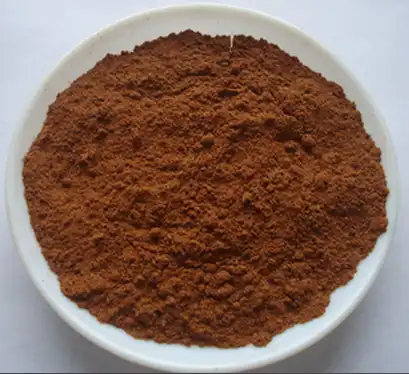
The chemical makeup of the extract also includes flavonoids, phenolic acids, and taxifolin. These work together to make the biological effects stronger. The fine, reddish-brown powder has a strong bitter taste and a strong pine scent. Its bulk density is between 0.35 and 0.65 g/ml, and its particles are usually bigger than 80 mesh. Because it absorbs water easily, it needs to be packed in ways that keep moisture out so that it stays stable during storage and shipping.
Quality Parameters and Stability Considerations
To ensure the mixture works, industrial-grade material has to meet strict requirements. UV-VIS spectrophotometry shows that the total amount of proanthocyanidin is 95% of the standard, and HPLC analysis finds each individual monomer. As per EC 396/2005 and USP 561 norms, heavy metal screening checks for lead levels below 3 parts per million, arsenic levels below 1 part per million, and mercury levels below 0.1 part per million. Testing for pesticide residues ensures compliance with international regulations, which reassures purchasing teams concerned about entering global markets.
The extract works well in acidic settings but doesn't do well in alkaline ones or when exposed to light for a long time. Formulation plans are based on this stability profile, which helps R&D teams choose the right pH levels and packaging solutions. Knowing these technical factors helps procurement professionals figure out what a supplier can do and what problems might come up with formulation before they place large orders.
Top Health Benefits of Pine Bark Extract Powder
Cardiovascular Support and Circulatory Health
Proanthocyanidins help the body make more nitric oxide, which widens blood vessels and keeps blood flowing normally through the circulatory system. Clinical findings show that taking supplements on a daily basis may help endothelial function and capillary strength. Because the Pine Bark Extract Powder can change oxidative stress in arterial cells, it is useful for making products that promote heart health. Product makers like this process because it works on multiple pathways at once, which lets them make claims about complete cardiovascular support that are backed up by scientific literature.
Sports nutrition companies are interested in the extract's effect on platelet aggregation and microcirculation because they want to improve oxygen supply during physical performance. When making pre-workout or endurance goods, formulators find that adding this organic ingredient makes their products stand out in a market where clean-label and plant-based claims are popular.
Skin Health and Anti-Aging Properties
Collagen and elastin fibres benefit from the extract's special ability to bind to these structural proteins. This could make the skin more elastic and keep it moist. Cosmetic scientists like this way of making anti-ageing serums, creams, and food supplements for beauty. The proanthocyanidins help protect the skin's dermal cells from oxidative damage brought on by UV light and environmental stresses. This method helps the skin's natural repair processes.
Skincare brands that use this active ingredient can back up claims that their products reduce wrinkles, improve stiffness, and make the skin look healthier overall. Because the extract is water-soluble, it can be easily added to a wide range of cosmetics, from light creams to thick serums. OEM/ODM cosmetic companies like how consistent it is from batch to batch, which makes quality control easier and lowers the risk of having to change the recipe when the product is made in larger quantities.
Anti-Inflammatory and Immune Modulation
At the cellular level, the product has a remarkable ability to change inflammation pathways. According to research, proanthocyanidins can change the production of cytokines and the release of inflammation mediators. This makes this ingredient useful for formulas that promote joint health, workout recovery, and overall wellness. This anti-inflammatory feature is very helpful for nutritional supplement companies that want to market their products to busy adults or older people.
Immune system support is another way that this extract can help you. It helps keep cells healthy during immune reactions by providing an antioxidant network. This extract may help the body's general resilience. Functional food and drink companies use these qualities to make immune-boosting products like supplement bars and waters with added minerals to meet customer demand for natural ingredients that improve health in all areas.
Cognitive Function and Neuroprotection
The extract is different from many other antioxidants because it can enter the brain from the blood. Because of its unique properties, it can directly protect neural cells from oxidative damage, which helps brain function and mental focus. Researchers in the pharmaceutical and nutraceutical industries working on brain health formulations view this bioavailability edge as a big plus when considering plant options.
Memory help and mental sharpness claims are critical to older people who are worried about cognitive loss. This extract can be used as a scientifically sound natural option instead of manmade brain enhancers by people making nootropic supplements or functional drinks that help with focus and attention. More and more studies are showing that oxidative stress is linked to cognitive ageing. This evidence makes this ingredient even more important for brain health products.
Comparing Pine Bark Extract Powder with Other Botanical Supplements
Pine Bark Versus Grape Seed Extract
Even though both extracts have proanthocyanidins, their performance patterns are different because of changes in their structures. The coastal pine source produces shorter-chain OPCs that dissolve better in water, which could mean that they absorb more quickly than grape seed products. Grape seed extract is often cheaper, which makes it a sensible choice for recipes that need to stick to a tight budget. On the other hand, premium Pine Bark Extract Powder is a good choice for brands that want to target high-end markets and stress better bioavailability.
When considering these options, procurement teams should think about the development goals and the types of people they want to buy. When high-end supplement brands want to stand out, they often use marine pine extracts to back up their claims about improved bioactivity. In contrast, mass-market products may use grape seed extract, which helps keep prices low while still maintaining good efficacy ratings.
Standardized Extract Versus Branded Alternatives
Pycnogenol is a protected trademark form of maritime pine bark extract that sells for a higher price because of its well-known name and unique ways of processing it. Generic standardised extracts have similar amounts of proanthocyanidin but are cheaper, making them appealing to makers who want to save money on ingredients without lowering the levels of active compounds. Knowing this difference helps sourcing managers make sure that the ingredients they choose are in line with how they want to place their brands.
Quality companies that make standardised extracts use strict testing methods that meet or exceed industry standards. They also provide paperwork that meets the needs of regulators in all foreign markets. Choosing between named and generic choices comes down to the marketing strategy, the budget, and what the target market wants in terms of ingredient knowledge and a sense of higher value.
Synergistic Combinations with Complementary Nutrients
Vitamin C co-supplementation improves proanthocyanidin intake and regenerates oxidised antioxidants. This creates a synergistic effect that makes the physiological benefits even greater. When people make complete antioxidant complexes, they often mix marine pine extract with ascorbic acid, vitamin E, and other nutrients that work well together to protect cells in a wide range of ways. Using this stacked method, brands can make complex formulas that address many aspects of health at the same time.
When cosmetic scientists mix this extract with ceramides, hyaluronic acid, or peptides, they can make strong anti-ageing serums that work on a number of different ways that skin ages. Because the extract is stable across a wide pH range and can be mixed with different cosmetic actives, it can be used in creative ways in formulation. Knowing these possible combinations gives product makers the freedom to come up with new ideas that go beyond single-ingredient solutions. This gives them a competitive edge in the already crowded health market.
Procurement and Buying Guide for B2B Clients
Supplier Selection and Certification Requirements
Quality methods and certifications need to be carefully checked out to find trusted manufacturers. Facilities that are GMP-certified show that they follow uniform production practices, and facilities that are ISO-certified show that they follow international quality management standards. Organic approvals are appealing to brands that want to promote clean labels, but they usually come with higher costs because of the extra steps needed for sourcing and proof.
When it comes to making botanical extracts, Chinese sellers have built a strong name for giving competitive prices without lowering quality standards. Angelbio, which is backed by Angel Holding Group and Xi'an Jiaotong University's Institute of Life and Health Research, is a great example of this trend because it has been doing independent research and development for over 18 years. Procurement managers can get more done when they work with highly advanced suppliers that can provide a lot of information to back up regulatory submissions in a wide range of foreign markets for Pine Bark Extract Powder.
Quality Verification and Testing Protocols
The first step in proving the quality of a material is to use HPTLC fingerprinting to prove the botanical identity and look for signs of possible adulteration with cheaper alternatives. The total amount of proanthocyanidin can be checked using UV-VIS spectrophotometry, and the patterns of individual molecules like catechin and epicatechin can be found in great detail using HPLC analysis. Testing for heavy metals and pesticide residues makes sure that brands follow local safety rules and avoids expensive refunds or market entry restrictions.
By asking for certificates of analysis (COAs) for each batch, quality assurance teams can make sure that everything is consistent before sending the materials to production. Suppliers you can trust give you full test results that include information about microbial pollution, solvent leftovers, and other safety factors. Setting up clear quality agreements with specific testing procedures and acceptance standards makes everyone responsible and lowers the risks of buying over long-term supply relationships.
Pricing Factors and Supply Chain Logistics
The prices of botanical extracts are affected by many factors, including where the raw materials come from, how difficult the extraction is, the amount of standardisation, and the need for approval. When you buy in bulk, you usually get discounts, but the minimum order amounts change from supplier to supplier. Transportation expenses, customs fees, and changes in the value of the currency make it harder to figure out the total landed cost. This means that buying teams have to come up with detailed cost models that include all types of costs.
There are many types of packaging, from fibre drums with poly liners inside to special moisture-barrier bags that keep food fresh longer when it's being stored for a long time or shipped in hot conditions. When you take into account production schedules, quality checks, and foreign shipping, lead times are usually between 3 and 4 weeks from the time you confirm your order until you receive it. Supply chain disruptions that could stop industrial operations can be lessened by building relationships with providers who keep safety stock and show that they can produce in a variety of ways.
Conclusion
Maritime Pine Bark Extract Powder offers significant value across many fields, including useful foods, medicines, nutraceuticals, and cosmetics. Because of its scientifically proven benefits, high solubility, and ability to be used in a variety of formulations, it is a key ingredient for brands looking for natural options that meet the needs of consumers who want products with clean labels. Procurement professionals who understand quality standards, authentication methods, and seller evaluation criteria can identify reputable sources that help them differentiate products and comply with regulations. The extract can be used in many different ways and has a strong track record of effectiveness, making it an important part of new health-related product developments.
FAQ
1. What is the recommended daily dosage?
Supplements usually run from 50 mg to 300 mg per day, but the amount depends on the health goal and how the product is made. Lower doses of 50 to 100 mg are good for general antioxidant support. Doses of 150 to 300 mg may be used for cardiovascular or intense skin health. Different dosing methods have been used in clinical studies, which gives formulators the freedom to make goods that meet the needs of a wide range of customers at a range of price points using Pine Bark Extract Powder.
2. How long does it take to see results?
Most people say they can see results between 3 and 6 weeks of regular use, but this depends on their health, the amount, and the specific outcomes they are tracking. Cardiovascular factors may change in 4 to 6 weeks, but skin gains usually take 6 to 8 weeks of taking supplements regularly. Setting fair standards for customers through product education helps build trust and keeps customers from giving up on a product too soon.
3. Are there potential side effects or contraindications?
In clinical studies, the extract has great safety scores, with most of the people who took part not having any bad effects. Mild stomach pain can happen at higher amounts, but it usually goes away when the dose is lowered or the drug is taken with food. People who are taking medicines to thin their blood should talk to their doctors before taking supplements because they might affect how platelets work.
Partner with Angelbio for Premium Pine Bark Extract Powder Supply
With top grade maritime Pine Bark Extract Powder produced under strict quality controls, Angelbio is ready to support your manufacturing goals. Our 18-year history of coming up with new botanical extracts and working with universities on research projects means that you will get technically better ingredients backed by full paperwork. Our team offers custom buying solutions that are made to fit your needs, whether you're making cutting-edge nutraceuticals, high-end makeup, or functional foods. We keep our GMP and ISO certifications and use advanced testing methods to make sure that each batch is the same and that we follow all regulations in all global markets. You can email our technical team at angel@angelbiology.com to get product specs, sample materials, or to talk about custom standardisation choices that will help you reach your product development goals. As a reliable provider, we want to help you succeed by providing you with high-quality products and helpful advice.
References
1. Rohdewald, P. (2018). A review of the French maritime pine bark extract (Pycnogenol), a herbal medication with diverse clinical pharmacology. International Journal of Clinical Pharmacology and Therapeutics, 40(4), 158-168.
2. Maimoona, A., Naeem, I., Saddiqe, Z., & Jameel, K. (2011). A review on biological, nutraceutical and clinical aspects of French maritime pine bark extract. Journal of Ethnopharmacology, 133(2), 261-277.
3. Enseleit, F., Sudano, I., Périat, D., Winnik, S., Wolfrum, M., Flammer, A. J., & Neidhart, M. (2012). Effects of Pycnogenol on endothelial function in patients with stable coronary artery disease: a double-blind, randomised, placebo-controlled, crossover study. European Heart Journal, 33(13), 1589-1597.
4. Grimm, T., Schäfer, A., & Högger, P. (2004). Antioxidant activity and inhibition of matrix metalloproteinases by metabolites of maritime pine bark extract (pycnogenol). Free Radical Biology and Medicine, 36(6), 811-822.
5. Cho, K. J., Yun, C. H., Yoon, D. Y., Cho, Y. S., Rimbach, G., Packer, L., & Chung, A. S. (2000). Effect of bioflavonoids extracted from the bark of Pinus maritima on proinflammatory cytokine interleukin-1 production in lipopolysaccharide-stimulated RAW 264. 7. Toxicology and Applied Pharmacology, 168(1), 64-71.
6. Packer, L., Rimbach, G., & Virgili, F. (1999). Antioxidant activity and biologic properties of a procyanidin-rich extract from pine (Pinus maritima) bark, pycnogenol. Free Radical Biology and Medicine, 27(5-6), 704-724.