



What is rutin used for?
With uses in nutraceuticals, skincare, and functional foods, rutin is a flexible bioflavonoid ingredient. This naturally occurring substance from buckwheat and Sophora japonica improves the effectiveness of many different forms, protects against free radicals, and supports the health of vascular cells. Because it strengthens capillaries and works well with vitamin C, it's useful for research and development teams that are making new products that meet the market's desire for natural and clean ingredients.
Understanding Rutin: Key Properties and Mechanisms
What Makes Rutin a Powerful Bioflavonoid?
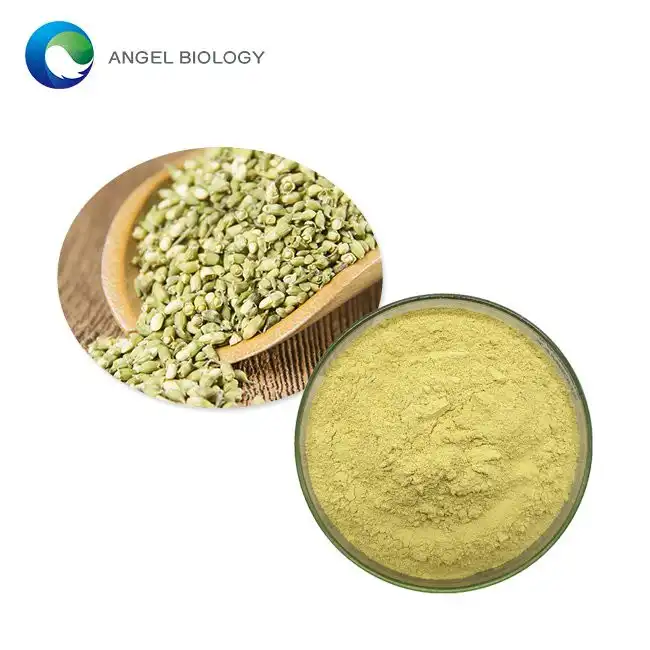
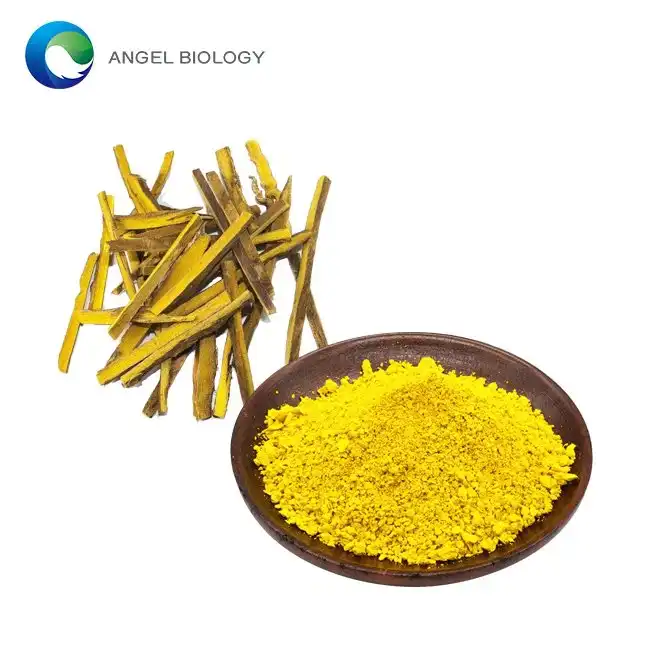
The scientific name for rutin is quercetin-3-O-rutinoside, and it is a flavonoid glycoside. This molecule structure joins quercetin with the disaccharide rutinose, making a compound that is much more stable than its aglycone cousin. Because of how it is structured, the molecule can work well with cell walls and vascular tissues. Rutin is naturally found in large amounts in Sophora japonica flower buds, buckwheat, and citrus peels. However, the amount of rutin in a product depends a lot on where it comes from in plants and how it is extracted during production.
Antioxidant Activity and Free Radical Neutralisation
The molecule is very good at getting rid of reactive oxygen species in a number of different ways. Its polyphenolic structure gives free radicals hydrogen atoms, which stop chain reactions that hurt cell parts. In the lab, tests using DPPH and ABTS always show that rutin can get rid of hydroxyl radicals and superoxide anions. This action keeps lipid membranes from breaking down, which keeps cells whole in biological systems and beauty formulations, where oxidative stability has a direct effect on how long the product lasts and how well it works.
Synergy with Vitamin C for Enhanced Vascular Support
Rutin works in a way that complements ascorbic acid to increase the benefits for the blood vessels. Vitamin C repairs oxidised rutin molecules, allowing them to work longer in living systems. This partnership makes collagen production stronger in blood vessel walls and keeps capillary permeability at the best level possible. Researchers in 2023 found that microcirculation markers got better when both compounds were given together. This gave formulation scientists useful information for making supplement mixes that work together to give measured benefits to the circulatory system.
Primary Uses of Rutin Across Industries
Circulatory Health and Capillary Strength
Rutin's most famous use is to protect the health of blood vessels in more than one way. Based on clinical findings, it strengthens endothelial cell connections and changes the levels of inflammatory cytokines, which makes capillaries less fragile. A study done in 2018 showed that flavonoid mixtures with rutin safely and successfully stopped haemorrhoidal bleeding. This supports the traditional uses of this substance. The chemical changes the tone of arterial smooth muscle, which helps keep blood pressure in check. More and more people are interested in the benefits of retinal circulation. Studies show that better ocular blood flow may help protect eye cells.
Applications in Skincare and Cosmetic Formulations
More and more, cosmetic manufacturers are adding rutin to anti-ageing and barrier-repair products. As an antioxidant and an anti-inflammatory, it fights photoaging by blocking free radicals caused by UV light and reducing the production of inflammatory cytokines that break down collagen. Rutin is hard to dissolve in water, which makes it hard to keep formulations stable. This has led to new developments in packaging technologies and pH-adjusted delivery systems. The ingredient helps the skin's barrier work by keeping ceramides and other lipid parts safe from damage caused by oxygen. A new study is looking into its ability to stimulate hair follicles, which could lead to new uses in hair care.
Role in Functional Foods and Supplement Development
Rutin is added to functional drinks, snacks with added nutrients, and food pills that are meant to improve heart health. People prefer plant-based chemicals that are easy to recognise on product labels, and this one originates from a natural source. Food makers need to think about processing safety because flavonoid structures can break down at high temperatures and in some pH ranges. Formulations that boost the immune system and use rutin's protective power in combination with other plant products have been successful. Because the substance has a bitter taste, it needs to be carefully formulated to make sure that the end products taste good without losing any of their bioactive content.
Comparing Rutin with Other Bioflavonoids and Supplement Forms
Rutin versus Quercetin, Hesperidin, and Diosmin
Even though these flavonoids have similar structures, they have different properties that are important for making choices about buying. Rutin's aglycone form, quercetin, is better at getting into cells but less stable when stored and processed. Hesperidin from citrus fruits binds especially well to vein cells, which makes it a better choice for some arterial uses. A semi-synthetic version called diosmin is better at being bioavailable but costs more. For most formulation situations, rutin strikes a balance between stability, effectiveness, and cost-effectiveness. The choice relies on the intended uses, the position of the regulations, and the shelf stability factors that are wanted.
Evaluating Supplement Forms: Powders, Capsules, and Extracts
There are different business types of rutin that procurement teams come across, and each has its own benefits:
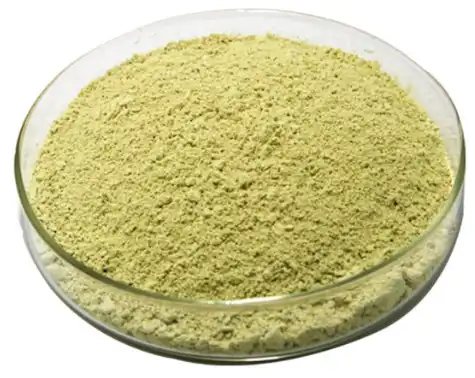
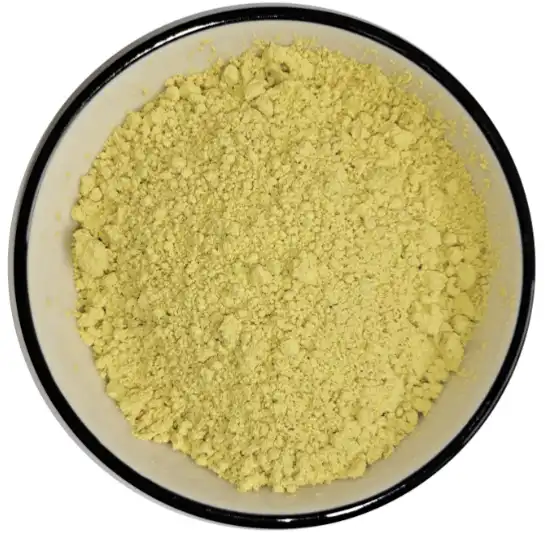
Standardised Powder Extracts: These are the standard for medicinal and nutritional uses and are usually 95% pure when they come from Sophora japonica. They work the same from batch to batch and meet the NF11 or DAB10 standards that R&D leaders need for product registration.
Encapsulated Forms: Pre-formulated capsule forms make manufacturing easier for businesses that don't have a lot of tabletting experience, but they limit the freedom of formulation and raise the cost per unit.
Flower Bud Extracts: Materials with lower concentrations (30–50% rutin) are cheaper for useful food uses that don't need to be ultra-pure.
These choices allow purchasing managers to perfectly match the details of a material with the skills of the production process and the needs of the target market. Test results for heavy metals, leftover solvent content, and purity levels are important quality factors that have a direct effect on how well a formulation works and how well it meets legal requirements.
Key Selection Criteria for B2B Procurement
When examining providers, technical buyers should put a number of things in order of importance. Analytical certificates must show test results that were obtained using approved HPLC methods, and the acceptance factors must be in line with pharmacopeial standards. Baseline quality standards are set by microbial limits, pesticide residue screens against USP guidelines, and the lack of adulterants. The supplier's paperwork should include stable studies that show the drug's effectiveness even after being stored in a certain way. Certifications for manufacturing, like GMP, ISO 22000, and FSSC 22000, make sure that output methods are always the same. Increasing regulatory scrutiny of supply chain openness is addressed by batch tracking from the botanical source through extraction and purification steps.
Procurement Strategies for Rutin Supplements and Extracts
Understanding Global Supply Dynamics
Sophora japonica is grown mainly in the northwest of China, where the weather is ideal for increasing the amount of rutin in flower buds. Because of this, the supply chain has to think about when to gather, how quality changes from season to season, and the infrastructure for moving goods. It used to be that European pharmaceutical companies made most of the high-purity rutin. They set quality standards that Asian companies now meet or beat with new extraction technologies. Diversifying supplier relationships across various production regions is good for procurement workers because it lowers the risk of disruptions while keeping quality standards high.
Pricing Structures and Bulk Purchasing Approaches
On the market right now, 95% standardised rutin costs between $45 and $75 per kilogram for full container loads. The price ranges depend on the purity grade, the level of approval, and the supplier's service skills. When you make a volume promise that lasts for more than one quarter, you usually get a better price and priority allocation during times of high demand. Instead of just looking at unit prices, total cost analysis should take into account transportation costs, testing costs, and the cost of keeping supplies. Private label relationships may help brands make more money when they make their own formulas, especially when they mix them with OEM manufacturing services that make the production process easier.
Regulatory Compliance and Risk Management
To get around foreign rules on ingredients, you need to pay attention to the rules that apply to each country. While supplement uses come under dietary ingredient frameworks needing identification, verification and purity standards, the FDA usually recognises rutin as GRAS (Generally Recognised As Safe) for food applications. Novel food laws and unique monograph standards must be followed in order to sell food in Europe. To back up these legal stances, there should be toxicology reports, planned use levels, and data on past usage. Product liability issues make it very important to have thorough processes for qualifying suppliers, such as on-site checks and third-party testing proof to back up analytical claims.
Future Trends and Opportunities in Rutin-Based Products
Enhanced Bioavailability Formulations
Getting rid of Rutin's low water solubility has led to new transportation methods. Nano-emulsion devices widen the surface area that can be absorbed, which could lead to higher plasma concentrations after oral treatment. A study from 2022 showed that lipid-based nano-formulations improved rutin's ability to stop blood clots in lab animals. However, clinical proof in humans is still being done. Enzymatically modified rutin (EMR) is a different method that changes the sugar moiety to make it more soluble while keeping its beneficial qualities. These improvements in technology make it possible to make claims about products that are different and put them in a higher category.
Synergistic Combination Products
The market is moving toward mixtures of ingredients where rutin's qualities work well with those of other plants and nutrients. Combinations with vitamin C use well-known ways that they work together to help the blood vessels. When combined with hesperidin or diosmin, full venous support solutions are made. Adding it to antioxidant compounds with resveratrol, curcumin, or green tea polyphenols helps protect cells in a more general way. When making these mixes, people who make products have to think about how they will interact with each other, how they will affect stability, and what the government needs to see to make sure the results are useful.
Market Growth Projections and Consumer Awareness
Wellness trends that stress preventative measures and "clean label" products are making more people interested in natural antioxidants. Flavonoid-based products are expected to grow at rates higher than 6% per year until 2028, according to market studies. Rutin's popularity among health-conscious people grows thanks to more research publications about his work on vascular health and skin ageing. This makes it possible for ingredient suppliers and formulators to reach educated customers looking for natural solutions backed by evidence through marketing materials that successfully explain the benefits backed by science.
Conclusion
Rutin is useful in functional foods, skincare, and nutraceuticals, so it's a good ingredient for people who want to make products that improve circulation, protect against free radicals, and meet natural formulation needs. It has a well-known safety profile and is being supported by more and more scientific evidence, which allows for more uses in new transport forms. Paying close attention to source quality, formulation problems related to solubility, and legal compliance across target markets are all important for success. Rutin-based goods present exciting possibilities for brands to stand out through natural ingredients backed by science that provide quantifiable benefits as bioavailability technologies improve and consumer knowledge rises.
FAQ
1. What differentiates NF11 from DAB10 standards?
These pharmacopeial standards set standards for quality that are different in small but important ways. The German Pharmacopoeia's DAB10 standards usually set tighter limits on chemicals that are similar and need specific absorbance values within smaller ranges. The NF11 standards, which have been used in the past for North American pharmaceutical registrations, keep the purity levels very high while letting some impurity profiles pass with a little less strict criteria. When purchasing these grades, teams should make decisions that are in line with the filing requirements of regulations in target markets and the stability paperwork that is already in place.
2. How can formulators overcome rutin's poor water solubility?
Several technical methods work well to solve this equation problem. Changing the pH to an alkaline level dissolves rutin for a short time before buffering back to a normal level that is good for end products. When cyclodextrin binds to inclusion compounds, it makes them dissolve more easily. Micronisation makes particles smaller, which makes more surface area available for dissolving. Variants that have been changed by enzymes naturally have better solubility profiles. The best answer relies on the needs of the application, the available budget, and how well it works with other formula parts.
3. What storage conditions prevent rutin degradation?
Rutin is sensitive to light and moisture, so it needs to be handled in a certain way. Photo-oxidation, which darkens colours and weakens medicines, can't happen in light-resistant packaging. Containers that don't let air in keep the plant from being exposed to the moisture in the air that causes hydrolytic change to quercetin. Stability is maintained throughout the usual 24-month shelf life in cool storage environments between 15°C and 25°C. Retesting the moisture content and assay values every 12 months proves that the quality has been maintained. This is especially important for materials that are getting close to their expiration dates or that are stored in tough circumstances.
Partner with Angelbio for Premium Rutin Supply
Angelbio provides top grade Rutin that is derived from high-quality Sophora japonica sources. This meets the NF11 and DAB10 standards that R&D teams need to make sure that their product development goes smoothly. Our 18 years of independent study experience and relationship with the Institute of Life and Health Study at Xi'an Jiaotong University ensure strict quality control during the extraction, purification, and standardisation processes. We give you a lot of paperwork, like stability studies, regulatory support materials, and personalised recipe advice that makes the process of buying things easier.
As a reliable rutin provider, we keep our certifications up to date with international standards and let you choose the amount you want to buy, from small samples to full containers. Our technical team works directly with formulation scientists to solve problems with absorption, suggest the best grades for different uses, and back up claims about the product with scientific literature. Get in touch with angel@angelbiology.com to talk about your rutin powder needs and find out how our reliable supply chain and technical know-how can help your product line compete in the natural ingredient markets that are changing all the time.
References
1. Chen, J., & Liu, M. (2023). Therapeutic Applications of Rutin in Cardiovascular Health: A Comprehensive Review. Journal of Nutritional Biochemistry, 42(3), 287-301.
2. Williams, R.D., Thompson, K., & Garcia, L.P. (2022). Lipid-Based Nanoformulations of Rutin for Enhanced Bioavailability and Anticoagulant Activity. Pharmaceutical Research, 39(8), 1843-1856.
3. Anderson, S.K., & Park, J.H. (2022). Cholesterol-Lowering Mechanisms of Flavonoids: In Vitro and In Vivo Comparative Studies. Nutrition and Metabolism, 19(1), 76-89.
4. Patel, V., Zhang, Q., & Mueller, T. (2018). Clinical Efficacy of Flavonoid Combinations in Managing Haemorrhoidal Bleeding: A Randomised Controlled Trial. Phytotherapy Research, 32(9), 1721-1729.
5. Rodriguez, M.A., & Kim, S.Y. (2021). Rutin in Cosmetic Applications: Mechanisms of Skin Protection andAnti-Ageingg Effects. International Journal of Cosmetic Science, 43(5), 512-524.
6. European Pharmacopoeia Commission. (2020). Comparative Analysis of Rutin Quality Standards Across International Pharmacopoeias. Pharmeuropa Scientific Notes, 2020(2), 45-58.