



What is the use of L-glutathione powder?
L-glutathione powder is an important part of the health, beauty, and useful food businesses. It helps clean cells and fights free radicals, which are bad for them. Glycine, cysteine, and gamma-glutamic acid make it up. This three-part substance is a key part of skin care items that fight aging, make the skin look younger, boost the immune system, and take care of the liver. It is the active thiol group's job to deal with reactive oxygen species. For brands to stand out, they can use products with clean labels that are backed by science. This makes it a great ingredient for companies that want to meet the growing need for health products that are easy on the body.
Understanding L-Glutathione Powder: Definition and Core Benefits
Chemical Composition and Biological Mechanism
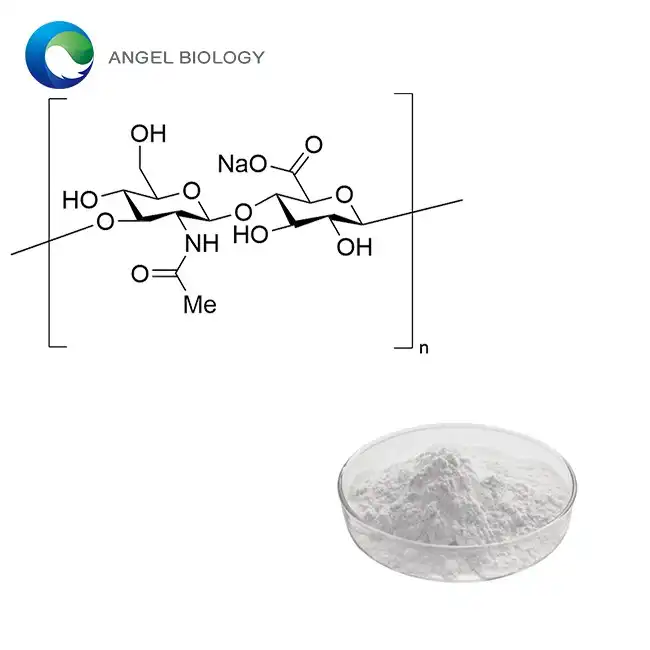
Most of the time, this L-glutathione powder is found in its GSH form. It is different from other forms because the cysteine residue has a free thiol (-SH) group on it. It can give up electrons and stop cells from making dangerous reactive oxygen species because of this part of its structure. It's called C10H17N3O6S and looks like a heavy, white powder. Every mole of it weighs 307.32 grams. A lot of corporate standards need test results on a dry base to be between 98.0% and 101.0%. High-performance liquid chromatography (HPLC) can help you find these results.
It's important for molecules in more ways than one, like being an antioxidant. Glutathione joins with toxins to make them easier to get rid of during phase II cleaning processes inside cells. Formulation scientists in many fields put this element at the top of their lists for products that aim to improve cellular health, skin shine, and general wellness. One reason for this is that it can protect cells and clean the skin.
Primary Applications Across Industries
To make skin whitening serums and anti-aging creams, cosmetic companies use glutathione, which can stop the production of melanin by changing the tyrosinase enzyme. Based on what doctors have seen, daily use of the product may help even out the skin tone over time. Using the compound's ability to keep cellular redox balance in mind, nutraceutical makers make oral vitamins that help the immune system and liver.
People who make functional drinks are starting to look into glutathione as an antioxidant that could be added to healing drinks and health shots. Maintaining stability during processing and storage is hard because the molecule absorbs water and is sensitive to changes in pH above 7.0. This calls for careful formulation design. Companies that make sports nutrition are looking into how it could be used to help people heal from exercise. However, digestibility issues need to be addressed by mixing it with substances that help the body absorb it, like vitamin C.
Market Demand Drivers
Glutathione has gone from being a niche chemical to a common one in cosmetics because more people are learning about cellular health and clean beauty. The global market shows that people want more goods with this tripeptide, especially in the Asia-Pacific regions, where brightening the skin is still a big trend. More and more people in North America are interested in vitamins that help the immune system and clean out the body. This is in line with a larger trend in health that stresses preventive measures over reactive ones.
Regulatory support in major markets, such as FDA GRAS status for some uses and inclusion in multiple beauty chemical lists, has made it easier for brands to get into those markets. But buying teams have to deal with different quality standards and source-checking rules, which makes choosing the right provider a key success factor.
How to Use L-Glutathione Powder Effectively: Guidelines and Dosage?
Recommended Dosage Parameters
For general antioxidant support, supplements usually have 250 to 500 mg per serving. Some clinical studies have looked at higher amounts up to 1,000 mg per day. Different types of cosmetics have very different uses. Serums have concentrations between 0.5 and 2.0%, while creams have concentrations between 1% and 3%. These ranges find a good mix between the goals for effectiveness, recipe stability, and cost.
When making a product with L-glutathione powder, the people who make it should know that oral intake is always a problem. The tripeptide structure is broken down by enzymes in the digestive tract. This is why some companies are looking into liposomal delivery systems or edible forms. When teams that buy powder look at the specs, they should ask about the particle size distribution. This is because powders with smaller mesh sizes may dissolve faster in liquids.
Formulation Strategies and Synergistic Combinations
When you mix glutathione and vitamin C, they work better and stay stable longer. The acid ascorbic acid helps change oxidized glutathione back to its reduced form. This creates a group of antioxidants that work better when used together in recipes. Plus, alpha-lipoic acid helps the body heal itself, which is why it's often mixed with other good nutrients. Because they work on different melanogenesis pathways, niacinamide and glutathione are often found together in products that whiten the skin.
pH balancing is very important when working with this stuff. There should be a small acidic environment (pH 3.0-6.0) for the powder to stay stable, so base formulations and defense systems should be carefully picked. Small metal pollution can cause things to break down, but chelating drugs like EDTA can keep them from doing so. This is especially important when making things or keeping a lot of stuff. Because air speeds up oxidation, nitrogen cleaning methods are used to keep food fresh longer while it is being packed.
Safety Protocols and Quality Control
Because reduced glutathione is hygroscopic, it draws water quickly and breaks down in factories that don't keep humidity levels very low. The things should be kept in cool, dry places that are less than 25°C and have a relative humidity of less than 60%. To make sure the ingredients stay fresh throughout the supply chain, the lids of large packages should be tight, and there should be desiccant packets inside.
Assay levels aren't the only thing that quality assurance teams should set standards for. They should also include heavy metal content, bacterial limits, and leftover liquid analysis. These factors are usually written down along with stable testing data on certificates of analysis from reliable sources. Regulatory compliance verification makes sure that goods meet the right standards, like the FDA's rules for dietary supplements, the EU's rules for cosmetics, or food-grade standards for functional drink uses.
Comparing L-Glutathione Powder with Alternative Forms and Products
Format Selection: Powder Versus Encapsulated Products
Powder types give formulators the most freedom and usually save money when used on an industrial scale. Bulk buyers can change the dose, mix with other ingredients that work well together, and choose packaging methods that fit the way they want to market their products. Capsules and pills are convenient for customers, but they limit the innovation of recipes and may add extra ingredients that some clean-label brands would rather not use.
Because serum bases can get deeper into the skin than cream bases, they are most commonly used in cosmetics. Making serums, on the other hand, needs special tools and stability tests because the watery environment makes glutathione less stable over time. Liposomal preparations are a better way to deal with absorption issues because they use phospholipid encapsulation, but they are only useful for certain types of products because they are harder to make and cost more.
Source Evaluation: Fermentation Versus Synthetic Production
Instead of older chemical synthesis methods, most modern production uses enzymatic fermentation with strains of Saccharomyces cerevisiae. Material that comes from fermentation has a lot of benefits, such as high enantiomeric purity, no animal-derived ingredients (which is important for veggie product claims), and fewer leftover flaws. These things fit well with the clean-label movement and the growing demand from customers for natural product approvals.
When purchasing managers look at sellers, they should check the methods used to make the goods, including L-glutathione powder, because the source affects both how people see the quality and how the government positions the sector. Products that are made through fermentation usually cost more, but they are more consistent from batch to batch than manufactured substitutes. Some sellers offer organic approvals, but the ingredient comes from microbial fermentation instead of farming, so these labels aren't used as often as they are for plant extracts.
Pricing Dynamics and Cost Optimization
Purity grades have a big effect on how prices are set. Pharmaceutical-grade materials that are more than 99% pure are much more expensive than normal 98% grades, though 98% grades work fine for many cosmetic and supplement uses. Tiered pricing is unlocked by making a volume pledge. For example, at multi-ton yearly amounts, the price per kilogram is much lower than at smaller trial numbers.
Geographical trends of buying show that most of the goods are made in a few key Asian cities, where access to fermentation experts and cheap raw materials makes costs lower. But buying teams have to find a mix between price and the stability of the supply chain, the quality of the documents, and the ability to provide expert help. When it comes to names with steady volume and technical recipe needs, direct maker relationships often have a lower total cost of ownership than relationships with middle-level wholesalers.
Procuring L-Glutathione Powder: Supplier Selection and Bulk Purchase Strategies
Critical Certification Requirements
GMP (Good Manufacturing Practice) certification represents a baseline expectation for reputable suppliers, signaling systematic quality management throughout production operations. ISO 9001 certification demonstrates broader organizational commitment to quality systems, while ISO 22000 becomes relevant for food-grade applications. Halal and Kosher certifications expand market accessibility for brands serving specific consumer segments, though such documentation typically requires direct verification rather than relying solely on supplier claims.
Analytical testing capabilities distinguish sophisticated suppliers from basic traders. In-house HPLC, LC-MS, and spectroscopic equipment enable rigorous batch verification before shipment. Stability testing programs—including accelerated aging studies under controlled temperature and humidity conditions—provide critical data for formulation development and shelf-life projections. Procurement professionals should request detailed test methodologies, not merely certificates of analysis, to assess true analytical rigor.
Bulk Purchase Optimization Strategies
Minimum order quantities vary significantly across suppliers, ranging from 1 kg samples to 25 kg entry points for commercial accounts, with preferential pricing emerging at 100+ kg volumes. Container-load economics typically materialize around 500-1,000 kg shipments, though such commitments require careful demand forecasting and appropriate storage infrastructure. Payment terms reflect credit evaluation, with established buyers accessing net-30 or net-60 terms while new relationships often require advance payment or letters of credit.
Shipping logistics demand attention to temperature control and handling protocols. Standard commercial shipping proves adequate for many applications, though summer months in hot climates may warrant expedited transit or refrigerated containers for maximum quality preservation. Insurance coverage should reflect ingredient value and market volatility, as glutathione pricing can fluctuate based on fermentation substrate costs and global demand patterns.
Supplier Relationship Development
Long-term partnerships yield benefits beyond transactional pricing advantages. Technical collaboration helps optimize formulations, troubleshoot stability challenges, and explore emerging applications. Reputable manufacturers invest in customer education through technical data sheets, formulation guides, and regulatory support documentation that accelerate product development timelines. This collaborative approach proves particularly valuable when navigating regulatory submissions or responding to evolving compliance requirements across different markets.
Due diligence extends beyond initial supplier qualification to ongoing performance monitoring. Batch-to-batch consistency tracking, periodic reauditing, and maintaining alternative source relationships mitigate supply chain risks. Procurement teams serving regulated industries should verify that suppliers maintain current registrations with relevant authorities and can provide complete chain-of-custody documentation from raw materials, including L-glutathione powder, through final product release.
Conclusion
L-glutathione powder represents a versatile, scientifically validated ingredient meeting diverse formulation needs across nutraceutical, cosmetic, and functional food sectors. Its primary applications in antioxidant support, skin brightening, and cellular wellness align with powerful consumer trends toward natural, efficacy-driven products. Successful procurement requires attention to purity specifications, source verification, and supplier capabilities beyond basic pricing considerations. The evolving regulatory landscape and emerging delivery technologies create opportunities for innovative brands to differentiate their offerings while meeting heightened consumer expectations around transparency and sustainability. Strategic partnerships with qualified suppliers enable formulation optimization, cost efficiency, and reliable supply chains essential for scaling successful product lines in competitive global markets.
FAQ
1. Is glutathione powder safe for large-scale cosmetic and supplement manufacturing?
When sourced from reputable suppliers meeting relevant GMP standards, glutathione powder demonstrates an established safety profile for both topical and oral applications within recommended concentration ranges. Cosmetic formulations typically use 0.5-3.0% concentrations, while supplement dosages commonly range from 250-1,000 mg daily. Comprehensive safety assessments should verify that heavy metal content, microbial limits, and allergen declarations align with regulatory requirements for intended markets and applications.
2. How does powder efficacy compare to serum formulations?
Powder forms offer formulation flexibility but require appropriate delivery systems to optimize bioavailability and stability. Topical serums may demonstrate superior skin penetration compared to cream bases due to lighter texture and vehicle selection. Oral powder supplements face digestive breakdown challenges, making liposomal or sustained-release technologies potentially advantageous for systemic applications. Efficacy ultimately depends on complete formulation design rather than ingredient form alone.
3. What storage practices preserve bulk glutathione powder quality?
Maintaining cool temperatures below 25°C, controlling humidity under 60%, and minimizing oxygen exposure through nitrogen-flushed packaging preserves ingredient stability. The hygroscopic nature requires sealed containers with desiccants, while pH-sensitive characteristics necessitate avoiding alkaline contamination. Proper storage extends shelf life to 24-36 months under optimal conditions, though regular stability monitoring confirms ongoing quality throughout the supply chain.
Partner with Angelbio: Your Trusted L-Glutathione Powder Supplier
Angelbio delivers top grade reduced glutathione powder backed by 18 years of independent research and development excellence. Our fermentation-derived ingredient achieves 98-101% purity through rigorous HPLC verification, ensuring batch-to-batch consistency critical for scaled production operations. We provide comprehensive technical support, including formulation guidance, stability data, and complete regulatory documentation to accelerate your product development timelines. Every shipment includes certificates of analysis verifying heavy metal limits, microbial specifications, and assay results that meet international quality standards. As an L-glutathione Powder manufacturer committed to supply chain transparency, we offer free samples for formulation testing and flexible MOQ arrangements supporting both emerging brands and established manufacturers. Contact our procurement specialists at angel@angelbiology.com to discuss customized bulk purchasing agreements aligned with your specific application requirements and quality expectations.
References
1. Wu G, Fang YZ, Yang S, Lupton JR, Turner ND. "Glutathione metabolism and its implications for health." Journal of Nutrition, 2004, 134(3): 489-492.
2. Weschawalit S, Thongthip S, Phutrakool P, Asawanonda P. "Glutathione and its antiaging and antimelanogenic effects." Clinical, Cosmetic and Investigational Dermatology, 2017, 10: 147-153.
3. Pizzorno J. "Glutathione!" Integrative Medicine: A Clinician's Journal, 2014, 13(1): 8-12.
4. Sekhar RV, Patel SG, Guthikonda AP, Reid M, Balasubramanyam A, Taffet GE, Jahoor F. "Deficient synthesis of glutathione underlies oxidative stress in aging and can be corrected by dietary cysteine and glycine supplementation." American Journal of Clinical Nutrition, 2011, 94(3): 847-853.
5. Berneburg M, Grether-Beck S, Kürten V, Ruzicka T, Briviba K, Sies H, Krutmann J. "Singlet oxygen mediates the UVA-induced generation of the photoaging-associated mitochondrial common deletion." Journal of Biological Chemistry, 1999, 274(22): 15345-15349.
6. Watanabe F, Hashizume E, Chan GP, Kamimura A. "Skin-whitening and skin-condition-improving effects of topical oxidized glutathione: a double-blind and placebo-controlled clinical trial in healthy women." Clinical, Cosmetic and Investigational Dermatology, 2014, 7: 267-274.