



Where to Buy Organic Elderberry Extract Anthocyanin Powder for Maximum Potency?
To get Elderberry Extract Anthocyanin powder for your recipes, it is very important to find a seller with strict quality control and clear instructions on how the powder was extracted. The highest level of effectiveness relies on the standardized anthocyanin content, which is usually 10%, 15%, or 25% as tested by HPLC, along with proper storage and very little carrier dilution. Elderberry Extract Anthocyanin powder from reputable companies like Angelbio is organically approved and HPLC-verified. It keeps the main bioactive elements cyanidin-3-sambubioside and cyanidin-3-glucoside. These chemicals give your goods the immune-modulating benefits they need while staying stable in a wide range of formulation matrices.
Understanding Global B2B Procurement Trends in Natural Ingredients
Clean label standards and scientific proof requirements have caused a huge change in the natural ingredients industry. Modern buying teams know that getting botanical extracts takes more than just negotiating prices. They also need to carefully screen suppliers, make sure that batches are consistent, and make sure that regulations are followed.
Digitalization Reshapes Ingredient Sourcing
R&D leaders and procurement managers can now use digital platforms to look at possible providers. These platforms have documentation sites that offer Certificates of Analysis (CoAs), third-party testing results, and traceability data. This makes it easier to verify ingredient authenticity, a key consideration in the berry extract market where some sellers may offer elderberry extract alongside other berry-based ingredients.
Sustainability Becomes Non-Negotiable
European and American nutritional brands are putting more and more emphasis on sellers who show they care about the environment and harvest crops in a way that doesn't harm it, especially for Elderberry Extract Anthocyanins. To get regular crops without depleting soil nutrients, growing elderberries requires responsible farming methods. Suppliers who give organic certifications meet the needs of customers and government regulations in many areas.
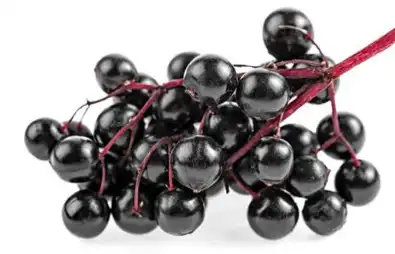
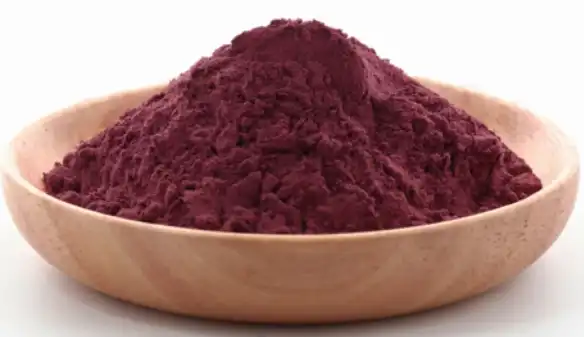
Challenges and Solutions in Industrial Procurement of Elderberry Anthocyanins
When seeking high-potency elderberry extracts, procurement professionals apply technical knowledge and strategic sourcing reviews.
Quality Verification Complexities
The way the anthocyanin level is measured affects the stated potency. UV-VIS spectroscopy measures total pigments, while HPLC separates individual chemical substances, enabling accurate measurement of actual Elderberry Extract Anthocyanins. Smart procurement teams include HPLC testing standards in purchase agreements to ensure they receive genuine high-quality extracts.
Formulation Stability Concerns
Anthocyanins have activity that depends on pH and are managed through proper formulation. When the pH is less than 3.5, these compounds have bright red-purple colors that work well in drinks. At neutral or above pH 3.5, color stability and bioactivity can be maintained through appropriate formulation adjustments. When you choose providers who know about these technical details and offer application-specific grades, like buffered formulas or microencapsulated versions, you can achieve stability during production and throughout shelf life.
How Technology Enhances B2B Procurement Efficiency for Botanical Extracts
New analysis tools and digital infrastructure are changing how businesses find and check the quality of Elderberry Extract Anthocyanin powder.
Analytical Precision Through HPLC Fingerprinting
By finding specific peak patterns for cyanidin-3-sambubioside and cyanidin-3-glucoside, high-performance liquid chromatography makes chemical fingerprints that can be used to verify elderberry product authenticity. This technology provides authentication that less advanced methods may not capture, protecting brand image and ensuring efficacy claims are based on sound science.
ERP Integration Streamlines Operations
These days, providers can exchange data electronically and connect directly with the ERP systems of their customers. Automated order handling, real-time inventory access, and digital COA delivery make it easier for procurement teams to manage multiple ingredient sources and do their work. These connections reduce manual entry while speeding up the order processing process. Blockchain-based tracking tools are the next big thing. They let brands keep track of elderberries from specific fields to the facilities that extract them to the packaging that they end up in. This transparency appeals to customers who want ethical sources and gives procurement teams an enhanced level of supply chain visibility.
Building Reliable Supplier Relationships for Premium Elderberry Ingredients
Long-term relationships with technically skilled sellers give you a competitive edge that goes beyond transaction considerations.
Technical Collaboration Drives Innovation
The biggest companies that make elderberry extract have application labs where formulation scientists work with R&D teams from customers to develop Elderberry Extract Anthocyanins. These partnerships speed up the development of new products by testing how stable extracts are in different types of media, such as acidic functional drinks, gummies that have been heated, and complex cosmeceutical emulsions. Joint development projects often lead to unique preparation techniques that set goods apart in markets that are already very crowded.
Transparent Communication Builds Trust
Procurement managers appreciate it when sellers proactively communicate about supply considerations, regulatory updates, or quality matters. This transparency enables contingency planning rather than reactive measures. On the other hand, manufacturers gain from customer forecasting data because it helps them plan output and buy raw materials. There are many suppliers of Elderberry Extract Anthocyanin on the market; those with extraction expertise, quality processes, and customer focus stand out as strong partnership candidates. Companies like Angelbio, which has 18 years of research and development experience and works with Xi'an Jiaotong University on institutional research, exemplify this relationship approach through continued investment in analytical capabilities and application development support.
Evaluating Elderberry Extract Specifications for Maximum Potency
Knowing the technical details helps you make choices about what to buy that align ingredient quality with formulation needs and marketing claims.
Anthocyanin Standardization Methods
HPLC analysis is used to measure specific anthocyanin glycosides rather than total polyphenols in high-quality elderberry samples. The listing should include information about the amount of cyanidin-3-sambubioside present, which is the primary medicinal ingredient affecting the immune system. Products standardized to 25% anthocyanins using HPLC are concentrated forms that allow for higher strength per dose while reducing filler requirements in capsules.
Carrier Systems Determine Application Suitability
Standard spray-dried extracts use maltodextrin carriers, which provide flowability but may create cloudiness in clear beverages. Carrier-free or "clear-soluble" types avoid this cloudiness while requiring standard temperature control during storage. Microencapsulated forms protect anthocyanins during thermal processing, maintaining color stability and bioactivity even when gummy manufacturing cooking stages reach 100°C.
Safety and Purity Parameters
Raw elderberries contain cyanogenic glycosides that are neutralized by controlled heat treatment in the extraction process. Reputable suppliers verify that cyanide compound levels are below measurable limits. Heavy metal testing for arsenic, lead, cadmium, and mercury meets or exceeds USP guidelines. Microbial testing verifies levels for yeast, mold, pathogens, and total plate count. These safety standards support consumer health and brand reputation while meeting regulatory requirements. Angelbio's Elderberry Extract Anthocyanin powder undergoes thorough testing procedures aligned with international quality standards, providing procurement teams with the documentation needed for confident sourcing decisions.
Application-Specific Considerations for Different Industries
Elderberry Extract Anthocyanins are used across industries for various purposes, each with its own manufacturing considerations affecting procurement requirements.
Nutraceutical Supplement Formulations
Elderberry extract Anthocyanin is primarily used in immune support products, commonly in capsule, tablet, gummy, or liquid syrup formats. High-content extracts (25% anthocyanins) help capsule formulations achieve therapeutic doses (often 500–1000 mg per serving) without excessive capsule size. Gummy manufacturers look for ingredients that handle temperature processing well and have flavors that complement co-formulated zinc or vitamin C. Liquid syrup applications require complete water solubility and stable pH to prevent settling during storage.
Cosmeceutical Applications
Elderberry anthocyanins are included in anti-aging skincare products for their ability to support skin protection from oxidative stress. In cream and serum applications where oil and water phases interact, emulsion stability is important. Formulators combine elderberry extracts with stabilizing antioxidants like vitamin E and adjust pH buffers to maintain the extract's violet color, indicating bioactive integrity. Cosmetic-grade specifications include additional purity parameters such as preservative compatibility and dermatological safety testing.
Conclusion
To find the most potent organic Elderberry Extract Anthocyanin powder, procurement professionals evaluate beyond the anthocyanin percentage. Ingredient value is based on HPLC verification, application-specific grades, comprehensive safety documentation, and supplier technical expertise. Quality differences among plant extracts significantly impact formulation performance and brand reputation. When procurement professionals work with established manufacturers who have strong analytical capabilities, extraction expertise, and customer service infrastructure, they position their companies for competitiveness in health-focused markets that demand safety, efficacy, and transparency.
FAQ
1. How does the way elderberries are extracted affect how strong the anthocyanins are?
The extraction method has a big impact on how well bioactive compounds are preserved and how much of them are present. Using ethanol-water extraction methods at controlled temperatures (usually 50–60°C) to separate Elderberry Extract Anthocyanins while preventing thermal breakdown is the best way to do it. Bad extraction methods that use too much heat or the wrong mix of solvents lower the amount of anthocyanin and change the structures of molecules, which makes the cellular activity less effective. Advanced makers use multiple stages of extraction and chromatographic processing to concentrate the chemicals they want while getting rid of unwanted sugars and tannins that get in the way of how well the product works.
2. What kinds of approvals should I look for when buying elderberry extract?
Organic certifications (USDA and EU Organic), GMP compliance paperwork, and third-party testing results from accredited labs are all things that reputable providers offer. The ISO 22000 food safety management certification shows that quality control is done in a planned way, and the kosher and halal certifications make it easier to sell your products in more markets. Check that the scientific testing includes heavy metals, microbial pollution, anthocyanin content (measured by HPLC), and the lack of cyanogenic glycosides. Full paperwork packages make it easier to submit documents to regulators and do checks for customers.
3. Can elderberry anthocyanins replace synthetic colorants in formulations?
Elderberry anthocyanins are natural colorants that give acidic mixtures bright red and purple shades while also offering useful benefits that synthetic dyes can't match. But because their color changes depending on pH and they are sensitive to light, the way they are made needs to be changed. Products with an acidic pH range (3.0-4.5) get steady coloring, while those with a neutral pH may need microencapsulation or co-pigmentation techniques. This dual purpose as a colorant and bioactive ingredient supports the "clean label" stance that health-conscious customers are asking for more and more.
Partner with Angelbio for Premium Elderberry Extract Anthocyanin Supply
Angelbio offers top grade Elderberry Extract Anthocyanin powder. They have been extracting plants for 18 years and work together with Xi'an Jiaotong University's Institute of Life and Health Studies on study projects. These HPLC-verified extracts meet strict international quality standards and come in the grades that your recipes need, from carrier-free drinking solutions to thermally stable gummy concentrates. As a reliable Elderberry Extract Anthocyanin seller, we keep a full list of certifications, such as organic, kosher, and halal, which helps us reach customers around the world. Our technical team works with your R&D team to improve extract performance in your unique patterns. This cuts down on development time and makes sure that all regulations are followed. Get in touch with our purchasing agents at angel@angelbiology.com to talk about your elderberry anthocyanin needs and get detailed specs, application advice, and cheap quotes that show how committed we are to relationship greatness.
References
1. Johnson, M.H., et al. (2015). "Anthocyanin Composition and Content of Commercial Elderberry Extracts." Journal of Agricultural and Food Chemistry, 63(18), 4405-4413.
2. Hawkins, J., et al. (2019). "Black Elderberry (Sambucus nigra) Supplementation Effectively Treats Upper Respiratory Symptoms: A Meta-analysis of Randomized, Controlled Clinical Trials." Complementary Therapies in Medicine, 42, 361-365.
3. Porter, R.S. and Bode, R.F. (2017). "A Review of the Antiviral Properties of Black Elder (Sambucus nigra L.) Products." Phytotherapy Research, 31(4), 533-554.
4. Veberic, R., et al. (2009). "Phenolic Compounds in Some Berries and Their Antioxidant Activity." Journal of Food Science, 74(5), C417-C422.
5. Młynarczyk, K., et al. (2018). "Bioactive Properties of Sambucus nigra L. as a Functional Ingredient for Food and Pharmaceutical Industry." Journal of Functional Foods, 40, 377-390.
6. Ulbricht, C., et al. (2014). "An Evidence-Based Systematic Review of Elderberry and Elderflower (Sambucus nigra) by the Natural Standard Research Collaboration." Journal of Dietary Supplements, 11(1), 80-120.