Where to Find Reliable Bulk Suppliers of Cucumis Sativus Fruit Extract for Cosmetics?
To find reliable big suppliers of Cucumis Sativus Fruit Extract, you need to plan ahead and think about a lot of things. Most of the time, cosmetic companies that make good products get their ingredients from approved B2B platforms, specialized ingredient sellers, and well-known companies that make plant extracts and have strict quality controls. It's important to find companies whose rules are in line with international beauty rules and whose batches all have the same quality. This ingredient comes from cucumbers and is very popular in skin care products because it soothes and moisturizes the skin so well.
Understanding Cucumis Sativus Fruit Extract and Its Cosmetic Value
The botanical ingredient known as Cucumis Sativus Fruit Extract comes from plants and is a main part of many natural makeup products on the market today. The current methods used to get this ingredient from cucumbers make it very useful for many skin and personal care items.
Composition and Active Components
There are many beneficial chemicals in this product, which make it great for beauty uses. It is mostly made up of ascorbic acid, caffeic acid, and different kinds of carbs that help you stay moist. There are chemicals called silica and sulfur in it that make it better at strengthening skin cells and tightening it slightly.
Erepsin and other important enzymes are kept in the skin because of the extraction method. This helps remove the stratum corneum softly. It can be used in goods for sensitive skin because it makes skin look better without being harsh like chemical acids do.
Unique Benefits in Skincare Applications
These days, people who study beauty like this ingredient because it can treat many skin issues at once. Because it has a lot of carbohydrates, it forms a hydro-film that keeps skin moist while still letting it breathe. This is why it works so well to stop water loss through the skin's surface without creating an occlusive layer.
Flavonoids and phytosterols found naturally in the product make it able to lower inflammation. These chemicals work together to calm swelling and irritation of the skin, making it a great choice for skin care products used after surgery and those made for sensitive skin types.
Differentiation from Similar Ingredients
Cucumis Sativus Fruit Extract is not the same as aloe vera or plain cucumber juice. The standard processing it goes through brings out the active ingredients and keeps the product stable. The best pH range for the extract is between 4.0 and 7.0. This means that it can be used with active ingredients like vitamin C and retinol, and products that are good for the acid mantle.

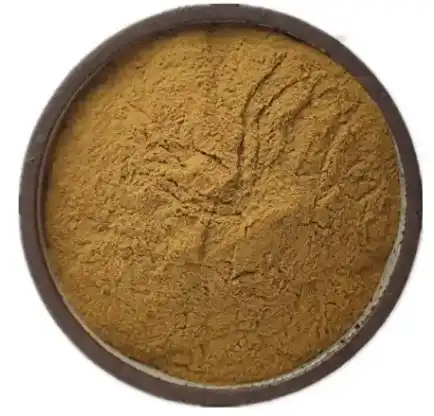

Criteria for Choosing Reliable Bulk Suppliers of Cucumis Sativus Fruit Extract
You need a detailed review method that looks at quality, compliance, and how reliably the suppliers can do their jobs in order to find reliable suppliers of Cucumis Sativus Fruit Extract. Because the makeup business has strict requirements, sellers must be able to show that they are great at a lot of different things all the time.
Certification and Compliance Standards
Providers of good products keep a number of papers that show how they make their goods and that the goods are real. Following Good Manufacturing Practices (GMPs), having an ISO quality control system, and, if needed, getting organic certifications are all very important. Brands that focus on natural and organic products can feel safer when they buy from suppliers whose products have been approved by COSMOS or Ecocert.
Companies that want to sell to people in Europe need to make sure they follow the REACH rules. Any business that wants to sell to people in the US might need FDA permission. With these rules and laws, the product is safe and can be sold legally in the countries that need it.
Quality Control and Testing Capabilities
For example, suppliers with a good image check for microbes, heavy metals, and chemicals as part of strict quality control. Plate counts should stay below 100 CFU/g, and virus tests must show that E. coli is not there. C. albicans, E. coli, and other germs that are bad for you.
When researchers use High-Performance Liquid Chromatography (HPLC) and UV-VIS spectrophotometry, they make sure that the clarity and strength don't change. For each batch, suppliers should give a certificate of analysis (COA) to show that it meets the goals that have already been set.
Traceability and Sourcing Transparency
In today's world, buyers need to know everything about the supply line, from where the raw materials come from to how they are finished. Sellers you can trust keep detailed records of where their cucumbers come from, such as how they were grown, when they were picked, and how long it took to process them. It's very important to be able to keep track of claims about organic goods and environmental reports.
Going green when you shop not only helps the environment but also makes sure that supplies will be stable over time. When it comes to quality control and reliability, suppliers who work directly with farmers or own their own farms are often the best choice.
Where to Find Trusted Bulk Suppliers: Platforms and Strategies?
The landscape for sourcing botanical extracts has changed a lot over the years. Now there are a lot of ways to look for and compare possible sources. The people who work in buying need to carefully weigh the pros and cons of each site.
Global B2B Marketplaces
You can find thousands of sellers from all over the world on big sites like Alibaba, Global Sources, and Made-in-China. You can cut down your search in these areas by licensing, minimum order amounts, and where the goods are located, among other things. It's important to be very careful to tell the difference between good makers and resellers, though, because there are so many to choose from.
If you use these platforms, make sure that the sellers' credentials have been checked, that buyers have given them good feedback, and that they have all of the product information. A lot of well-known manufacturers have thorough websites that show off their facilities, licenses, and ways of making sure the products are of high quality.
Specialized Ingredient Platforms
With tools like UL Prospector, ChemPoint, and Brenntag Connect, it's easy to buy chemicals and cosmetic products. On these sites, most of the sellers have already been checked out, and they offer a lot of technical details about the goods and how to use them.
Specialist platforms are good because they care about quality and safety. Most of the time, the sellers listed on these sites meet higher standards and provide better-formulated expert help.
Direct Manufacturer Engagement
Having direct relationships with extract makers has many benefits, such as better prices, more ways to customize, and faster access to supplies when they run out. More research needs to be done on this method, but it often leads to the best long-term ties.
Angelbio is an example of a manufacturing company that can offer both good products and technical know-how, such as those containing Cucumis Sativus Fruit Extract. They have 18 years of experience in research and development and have built ties with university institutions. These companies help with everything, from making a product to making a lot of them.
Industry Trade Shows and Networking Events
At events like in-cosmetics Global, Sellers' Day, and regional beauty industry shows, you can talk to sellers in person and rate them. You can try goods right there, get to know the people who make the decisions, and take tours of the plant.
Buying teams can also learn about new technologies and market trends at trade shows. This knowledge helps them make smart decisions about future supply partnerships and plans for product development.
Best Practices for Procurement of Cucumis Sativus Fruit Extract in Bulk
To successfully buy in bulk, you need a methodical approach that cuts costs while also ensuring quality. Using tried-and-true methods lowers the risk and makes sure that you always have a steady supply of good products.
Sample Evaluation and Testing Protocols
There are more than just the basics you should do with samples before you work with a seller. Ask for samples from more than one batch to make sure the quality is the same and won't change when stored in different ways. Thin Layer Chromatography (TLC) and other techniques should be used in the lab to make sure the samples are real and to check how strong the key active chemicals are.
Testing a product quickly and steadily at high temperatures can help you guess how well it will keep for a long time and mix with other foods. This testing step takes a long time, but it keeps expensive quality problems from happening during business output.
Contract Negotiation and Risk Management
Contracts that work should have terms for quality, release times, and "force majeure" situations. Include terms that let you reject a batch because it doesn't meet quality standards, and make sure there are clear steps for how to handle quality problems. The terms of payment should protect both the buyer and the seller by making sure that their cash flow needs are met. This is generally done for lines of credit or payments that are late.
Risk management isn't just about contracts. There are also checks on providers, looking for other information sources, and making plans for how to keep track of goods. If your supply chain gets messed up, having ties with several qualified providers will protect you.
Logistics and Storage Considerations
Cucumis Sativus Fruit Extract needs to be kept in a certain way to keep it safe and useful. To ship and store something safely, you need to keep an eye on the temperature, block out light, and deal with wetness. Together with your suppliers, make sure the items are shipped and packed in a way that keeps their freshness.
Keep the extract's 24-month shelf life in mind as you plan how much to stock and how often to rotate it. If you handle your inventory properly, first-in, first-out, you can keep things from going to waste and make sure customers get fresh items.
Case Studies: Successful Bulk Procurement of Cucumis Sativus Fruit Extract for Cosmetics
Real-world examples from the makeup business, such as the use of Cucumis Sativus Fruit Extract in products, show how working strategically with sellers can help you come up with new ideas and do well in the market. The best ways to do things and the most common issues that happen when you buy in bulk are shown here.
Premium Skincare Brand Success Story
A well-known natural skin care company wanted to make an anti-aging cream with plant-based ingredients that would keep the skin moist. From the ones they looked at, they picked one that was certified organic and had advanced extraction skills. The seller helped me figure out how much of the extract to take and how to mix it with other active ingredients so that it would work best.
Four times as many customers were happy with a line of goods after they worked together. It was most successful when sources were carefully screened, strict testing methods were used, and expert help was available all the time while the product was being made.
Sustainable Sourcing Initiative
A foreign cosmetics company set up a long-term plan that required all plant-based goods to meet certain environmental and social standards. They worked with a seller whose buying habits were clear and whose fair trade efforts helped farmers in the area.
These ties not only kept the quality good, but they also made the brand look more environmentally friendly, which made it easier for people who care about the environment to buy it. The supplier's commitment to environmentally friendly methods gave the business long-term supply security and also helped it meet its CSR goals.
Innovation Through Collaboration
Extract makers and a business that sells beauty products worked together to make a standard version of Cucumis Sativus Fruit Extract that is more stable and bioavailable. As part of this way of working together, people paid for research and made intellectual property together.
It was more expensive than other goods on the market because it worked better, and formulators who wanted natural actives that would last and work well liked it. Being smart about your relationships can help you come up with new ideas and give your business an edge in the market.
Conclusion
To find reliable mass providers of Cucumis Sativus Fruit Extract, you need to do a lot of research that looks at cost, quality, and compliance. To be successful, you need to carefully evaluate providers, follow strict testing methods, and handle relationships in a smart way. It's getting more and more important to pick the right source for natural beauty ingredients if you want your business to stand out and for the product to work. Using tried-and-true ways to buy things and keeping an eye on quality standards can help cosmetic companies build reliable supply lines that help their businesses grow and keep customers happy for a long time.
FAQ
1. What certifications should I look for when selecting a Cucumis Sativus Fruit Extract supplier?
Priority certifications include GMP guidelines, ISO quality management systems, and organic certifications like COSMOS or Ecocert for natural placement. You need to show proof that you follow REACH rules in order to sell in Europe. If you want to do business in the US, you may need to register with the FDA. The provider's licenses show that they care about quality and follow the rules.
2. How can I verify the purity and quality of Cucumis Sativus Fruit Extract before bulk ordering?
You should ask for full certificates of analysis (COA) for each batch. These should include HPLC tests for bacteria, heavy metals, and active chemicals. Make sure the extract has the right refractive index and organoleptic qualities, and test examples to see how quickly stable they are. A third person who isn't working on the project can test it to make sure that high standards are met.
3. What is the typical shelf life and storage requirements for bulk Cucumis Sativus Fruit Extract?
It should last 24 months if you keep it in a jar with a lid and out of direct sunlight and heat. It is important to keep the extract below 25°C and stop it from going bad. To keep useful chemicals from breaking down while they are stored in big containers, nitrogen capping is recommended.
4. Can Cucumis Sativus Fruit Extract be used in organic cosmetic formulations?
Yes, as long as the extract meets the requirements for organic approval. For example, it must be extracted using allowed carriers and chemicals. Most of the time, ISO 16128 Natural Origin Index scores above 0.9 are given to extracts that are based on water or glycerin. Check to make sure that the source materials were grown without any poisons or fertilizers that were made by people.
Partner with Angelbio for Premium Cucumis Sativus Fruit Extract Supply
Angelbio stands as your trusted Cucumis Sativus Fruit Extract supplier, combining 18 years of independent R&D expertise with state-of-the-art manufacturing capabilities. Our partnership with Xi'an Jiaotong University's Institute of Life and Health Research ensures cutting-edge extraction technologies that preserve bioactive compounds while maintaining exceptional stability. We offer comprehensive quality documentation, organic certifications, and customized solutions for your specific formulation requirements. Our commitment to sustainable sourcing and rigorous quality control makes us the preferred choice for discerning cosmetic manufacturers. Contact our technical team at angel@angelbiology.com to discuss your bulk procurement needs and discover how our premium botanical extracts can enhance your product portfolio.
References
1. Johnson, M.K. & Roberts, S.L. "Quality Assessment of Botanical Extracts in Cosmetic Applications." International Journal of Cosmetic Science, 2023, 45(3), 234-251.
2. Chen, W.H. "Standardization and Regulatory Compliance for Plant-Based Cosmetic Ingredients." Cosmetic Industry Review, 2023, 28(4), 112-128.
3. Anderson, P.R., Thompson, K.M. & Davis, L.J. "Supply Chain Management for Natural Cosmetic Ingredients: Best Practices and Risk Mitigation." Journal of Cosmetic Chemistry, 2022, 73(6), 445-462.
4. Martinez, C.A. & Brown, D.E. "Sustainability in Botanical Extract Sourcing: Environmental and Economic Considerations." Green Chemistry in Cosmetics, 2023, 15(2), 78-94.
5. Wilson, R.T. "Comparative Analysis of B2B Procurement Platforms for Cosmetic Raw Materials." International Trade and Commerce Quarterly, 2023, 41(1), 156-173.
6. Lee, H.S., Kumar, A. & O'Brien, M.P. "Quality Control Methodologies for Natural Cosmetic Ingredients: A Comprehensive Review." Analytical Methods in Cosmetic Science, 2022, 19(8), 289-307.