



White Willow Bark Extract Salicin for Skin Health
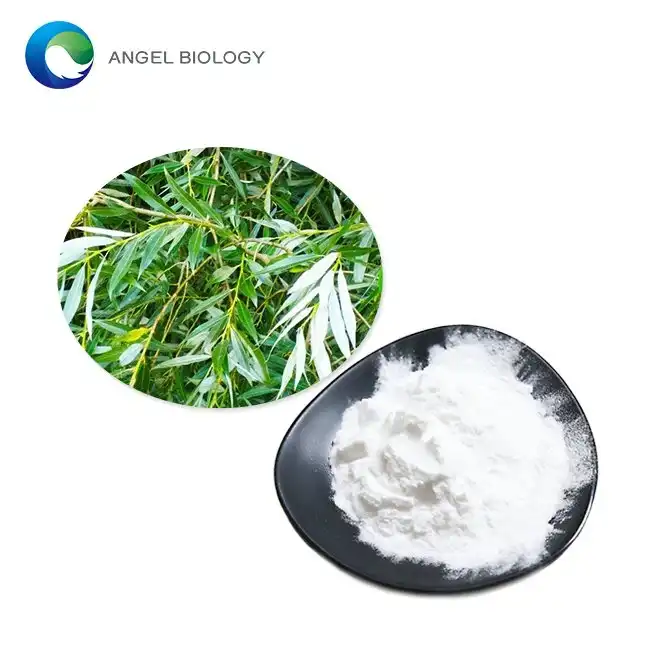
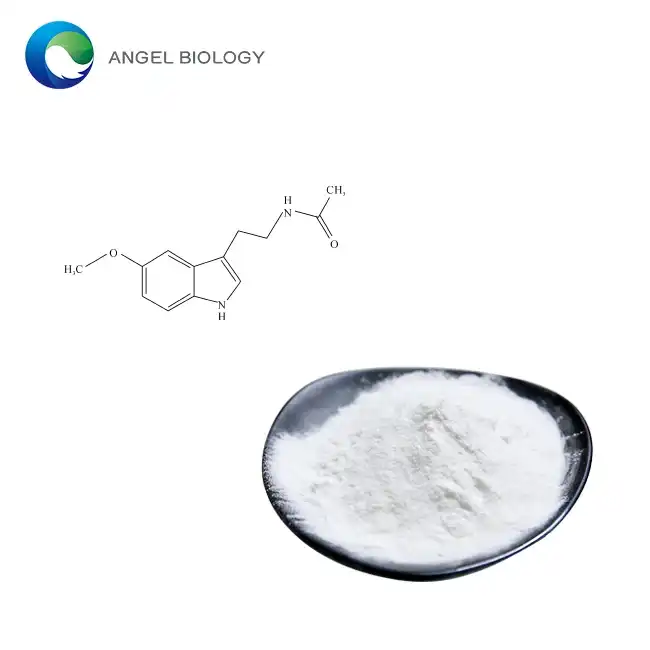
White willow bark extract salicin is a plant-derived ingredient obtained from the bark of willow species, including Salix alba L. It is used in cosmetic and botanical ingredient development, with product specifications varying according to the source material and extraction process. Salicin is a naturally occurring phenolic glycoside associated with willow bark, but its presence does not automatically establish the same exfoliating performance or skin effects as salicylic acid. For cosmetic R&D teams and procurement professionals, a standardized extract can offer a practical option for developing botanical formulations, provided that its composition, quality, and intended use are properly evaluated.
Understanding White Willow Bark Extract Salicin and Its Role in Skin Health
What Is Salicin and Where Does It Come From?
Salicin is a phenolic glycoside found in the bark of several willow species, including Salix purpurea and Salix daphnoides. Commercial white willow bark extracts may differ in botanical source, extraction method, and salicin content. High-performance liquid chromatography (HPLC) can be used to quantify salicin when an appropriate analytical method is available. Commercial specifications may cover different assay levels, such as 15% or higher, depending on the product grade. Salicin can be metabolized into salicylate-related compounds under certain biological conditions, but its conversion and effects depend on the route of exposure and the surrounding environment. For ingredient buyers, botanical traceability and verified composition are more useful than assuming that natural origin alone guarantees a particular benefit.


How It Supports Skin Care Formulation
White willow bark extract can be evaluated as a botanical component in skin care formulations, depending on its composition and compatibility with other ingredients. However, evidence for a specific skin benefit cannot be inferred from salicin content alone. The performance of a finished product depends on the extract's complete composition, use level, formulation pH, delivery system, and testing results. Before selecting a concentration, R&D teams should review the supplier's specification and conduct suitable compatibility, safety, and stability assessments. Cosmetic claims involving smoother-looking skin, improved appearance, or exfoliation should be supported by evidence relevant to the finished formulation rather than assumed from the raw material's botanical origin.
Natural vs. Synthetic: What Procurement Teams Should Know
Salicin and salicylic acid are chemically distinct compounds, even though salicin can be metabolized into salicylate-related substances under certain conditions. They should not be treated as interchangeable ingredients with identical performance. The effects of salicylic acid in a cosmetic formulation depend on factors such as concentration, pH, and the overall product design. Likewise, the presence of salicin in a willow bark extract does not establish that it releases salicylic acid gradually through the skin or causes less irritation than a formulation containing salicylic acid. Brands interested in natural-origin or clean-label positioning should verify the botanical source, ingredient composition, and documentation supporting any related claims.
Comparing White Willow Bark Extract Salicin with Other Botanical Ingredients for Skin Care
Salicin vs. Turmeric and Salicylic Acid
Turmeric-derived curcumin and willow bark extract have different chemical profiles and formulation characteristics. Curcumin has limited water solubility, which can require an appropriate delivery system in water-based cosmetic products. Salicylic acid is a separate ingredient with established formulation considerations, including concentration and pH. White willow bark extract may be considered for botanical formulations, but it should not automatically be described as a gentler substitute for salicylic acid or as having equivalent exfoliating performance. Ingredient selection should be based on the intended product concept, formulation compatibility, safety assessment, and available evidence for the finished product.
Refined Extract vs. Crude Willow Bark Powder
Botanical extracts and crude bark powders differ in composition, concentration, and suitability for formulation. A standardized extract with a defined salicin specification can make it easier for R&D teams to compare batches and calculate ingredient inputs. However, standardization does not guarantee identical performance in every formula, and a higher assay does not necessarily mean a better ingredient for all applications. Crude bark powder may contain a broader mixture of botanical constituents, but its composition can vary according to the source and processing conditions. Buyers should compare assay results, test methods, impurity limits, and application requirements rather than choosing solely on the basis of price or salicin percentage.
B2B Sourcing Considerations
When sourcing white willow bark extract salicin, buyers should focus on analytical reliability, specification clarity, formulation requirements, and supply consistency. HPLC can help quantify salicin when the method is appropriately developed and validated. Results from UV-based methods may be affected by other UV-absorbing constituents, depending on the sample and analytical procedure. However, a particular UV result should not be assumed to represent a specific lower HPLC value without comparative testing.
Lower-assay extracts, such as grades in the 15%–25% range, may retain other botanical constituents, depending on the extraction and enrichment process. Higher-assay grades, including those specified at 50% or above, may be useful when a formulation requires a more concentrated source of salicin. Neither grade is automatically more effective or better suited to a particular product without considering the complete composition and formulation requirements.
- Supply chain consistency: Bulk buyers should confirm the botanical source, sourcing practices, available production capacity, and batch-specific Certificate of Analysis (COA).
- Assay verification method: Confirm whether salicin content is measured by HPLC or another suitable method. Ask for the test method, acceptance criteria, and supporting analytical documentation when comparing suppliers.
- Formulation compatibility: Evaluate the complete extract composition and its compatibility with the intended base. The presence of polyphenols, flavonoids, or tannins may influence formulation properties, but an additional antioxidant effect should not be assumed without relevant evidence.
- Supply continuity: Discuss seasonal sourcing, production lead times, packaging, and the process for managing specification changes. Request batch-specific COA documentation for each delivery.
These considerations help procurement teams compare products on a consistent basis and make sourcing decisions that reflect technical needs, documentation quality, and total purchasing cost.
Procurement Insights: Sourcing White Willow Bark Extract Salicin for B2B Skin Care Products
Certifications That Matter
When evaluating a white willow bark extract salicin supplier, buyers should review the documentation relevant to the intended application and destination market. Useful materials may include a product specification, batch-specific COA, Safety Data Sheet (SDS), botanical identification information, and relevant quality or traceability records. Third-party certifications can provide additional information when their scope, validity, and applicability are clearly documented. Brands developing cosmetic products for the European market should also assess the requirements of the EU Cosmetics Regulation (EC No 1223/2009), where applicable. Request current analytical reports and supporting documents before finalizing a sourcing agreement, and confirm that the supplied material matches the agreed specification.
Pricing Trends and Bulk Order Guidance
The price of white willow bark extract salicin depends on factors such as assay level, botanical source, extraction process, order volume, packaging, and documentation requirements. A grade with a higher specified salicin content may cost more per kilogram, but its value depends on the quantity required in the finished formulation and the suitability of the complete extract. Buyers should request quotations based on a clearly defined specification rather than comparing prices alone. For bulk orders, confirm minimum order quantities, sample availability, production lead times, packaging options, and shipping arrangements. Where sourcing depends on seasonal raw materials, discuss supply planning in advance to reduce procurement uncertainty.
OEM and Private Label Options
Working with qualified contract manufacturers or ingredient suppliers can help brands evaluate different formulation and sourcing options. Depending on available services, buyers may discuss target assay levels, particle size, packaging, and other material requirements. OEM and private label arrangements can also support the development of new product concepts, although the scope of customization varies by provider. Cosmetic brands and supplement businesses should clarify who is responsible for formulation development, product testing, labeling review, and market-specific documentation. Clear project requirements help both parties assess feasibility and establish realistic development timelines.
Implementation in Skin Care Product Development: Application & Formulation Tips
Dosage by Product Type
The appropriate use level for white willow bark extract salicin depends on the extract's composition, the intended product type, the salicin assay, and applicable safety requirements. A concentration range should not be treated as a universal recommendation for acne serums, toners, creams, or lotions. Instead, formulation teams should establish an initial use level based on supplier guidance, review the relevant technical documentation, and conduct appropriate compatibility and safety assessments. If the product is intended to provide exfoliation or other specific cosmetic benefits, those claims should be evaluated using evidence relevant to the finished formula. For oral products, dosing decisions require a separate assessment of the ingredient, intended use, and applicable regulatory requirements; cosmetic use levels should never be used to determine oral intake.
Complementary Ingredients
White willow bark extract may be evaluated alongside ingredients such as niacinamide, green tea extract, or panthenol in selected cosmetic formulations. Compatibility depends on the complete composition of each ingredient, formulation pH, processing conditions, and the stability requirements of the finished product. Although individual ingredients may have different documented cosmetic functions, their combination does not automatically provide an additional or synergistic effect. R&D teams should review supplier data and carry out formulation trials to assess appearance, stability, compatibility, and the performance criteria relevant to the product concept.
Stability and Storage Requirements
The stability of white willow bark extract depends on its composition, moisture content, packaging, and exposure to environmental conditions. Follow the storage instructions and shelf-life information supplied for the specific grade. For powdered ingredients, sealed packaging and appropriate protection from moisture and excessive heat can help maintain material quality when consistent with the supplier's recommendations. In water-based formulations, stability should be assessed under the intended pH, processing, packaging, and storage conditions rather than assuming that one pH threshold will cause oxidation in every system. Before assigning a commercial shelf life, formulation teams should conduct suitable stability testing on the finished product and confirm that the proposed packaging provides adequate protection.
Why Choose Qualified White Willow Bark Extract Salicin Manufacturers?
Quality Standards and Regulatory Alignment
A qualified supplier should be able to explain its quality controls, raw material traceability, analytical methods, and batch-release procedures. Buyers should review the actual documentation available for the product, including HPLC results where applicable, relevant contaminant testing, and microbial analysis when required by the intended application. The presence of a quality certificate or analytical report does not, by itself, guarantee the safety or performance of a finished cosmetic or supplement. Product developers remain responsible for assessing suitability for the intended use and confirming that their finished products meet applicable requirements. Clear technical documentation and responsive support can make supplier qualification more efficient.
Detecting Adulteration
Verifying botanical identity and detecting possible adulteration may require more than one analytical technique. Carbon-14 (C14) testing can help distinguish modern biogenic carbon from fossil-derived carbon in suitable materials, but it does not independently establish botanical species, manufacturing route, or overall ingredient authenticity. Chromatographic profiling may provide useful information about salicin and other constituents, but the expected profile depends on the source species and extraction process. The presence or absence of a particular minor peak should not be treated as definitive proof of authenticity without a validated method and suitable reference information. Buyers should combine supplier traceability, appropriate analytical testing, and risk-based verification when evaluating a new source.
Value-Added Services from Qualified Manufacturers
A reliable ingredient supplier can provide more than the raw material itself. Depending on its capabilities, support may include technical documentation, specification discussions, sample arrangements, packaging options, and assistance with information needed for product development. Early communication about the target application, required assay, destination market, and intended order volume helps establish whether a proposed grade is suitable. For brands working with OEM partners, clear responsibilities for formulation, testing, labeling, and regulatory review can also reduce avoidable delays. Selecting a supplier with transparent documentation and practical technical support helps buyers plan projects more efficiently.
Conclusion
White willow bark extract salicin is a botanical ingredient that can be considered for skin care formulation and ingredient development. Its suitability depends on the botanical source, salicin content, complete extract composition, analytical verification, and intended application. For procurement teams, the most important steps are to confirm the specification, review batch documentation, assess formulation compatibility, and verify any proposed product claims with relevant evidence. Comparing suppliers on analytical transparency, consistency, supply arrangements, and technical support provides a more reliable basis for purchasing decisions than relying on a single assay figure or a broad natural-origin claim. For brands developing botanical skin care products, a clearly specified ingredient and a well-defined supplier relationship can support more efficient product development.
FAQ
1. Is white willow bark extract salicin suitable for sensitive skin formulations?
Suitability depends on the extract's composition, concentration, and the complete formulation. Natural origin does not guarantee low irritation, and salicin content alone cannot establish that a product is suitable for sensitive skin. Formulators should review the available safety information, assess the intended use level, and conduct appropriate testing on the finished product before making sensitive-skin claims.
2. Can it replace synthetic salicylic acid directly in a formulation?
No direct one-to-one substitution should be assumed. Salicin and salicylic acid are different compounds with different chemical properties and formulation considerations. Although salicin can be metabolized into salicylate-related compounds under certain biological conditions, this does not establish equivalent topical performance. If a formulation is designed around salicylic acid, any proposed substitution should be assessed through formulation development, safety review, and suitable performance testing.
3. What is the difference between UV-tested and HPLC-tested extract?
UV-based methods measure absorbance at selected wavelengths and may be affected by other absorbing constituents in a botanical extract. HPLC separates compounds before detection and can support salicin quantification when the method is suitable for the sample. The reliability of either result depends on method design, calibration, and sample characteristics. When comparing suppliers, request the analytical method and relevant supporting data instead of assuming that all reported assay values are directly comparable.
4. Can this extract be used as a standalone preservative?
It should not be assumed to function as a standalone broad-spectrum preservative. The presence of botanical constituents does not establish that an extract can control bacteria, yeast, and mold in a finished product. Cosmetic formulations that require preservation should use an appropriate preservation strategy and undergo suitable testing to demonstrate that the finished product meets its microbiological quality requirements.
Partner with Angelbio for White Willow Bark Extract Salicin Supply
Angelbio supports B2B customers sourcing white willow bark extract salicin for botanical ingredient development and suitable cosmetic applications. Buyers can request the current product specification, available assay options, batch documentation, and sample information to evaluate whether a grade meets their formulation requirements. Product characteristics, available testing, and documentation should be confirmed for the specific material and order.
To discuss your sourcing needs, contact angel@angelbiology.com. For a more relevant quotation, please include your target application, required salicin content, estimated order quantity, preferred packaging, and destination market. Our team can follow up on available specifications, technical documents, sample arrangements, and pricing based on your project requirements.
References
1. Vlachojannis, J., Magora, F., & Chrubasik, S. (2011). Willow species and aspirin: Different mechanisms of action. Phytotherapy Research.
2. Biegert, C., Wagner, I., Lüdtke, R., et al. (2004). Efficacy and safety of willow bark extract in the treatment of osteoarthritis and rheumatoid arthritis. Journal of Rheumatology.
3. Chrubasik, S., Eisenberg, E., Balan, E., et al. (2000). Treatment of low back pain exacerbations with willow bark extract. American Journal of Medicine.
4. Kähkönen, M. P., Hopia, A. I., Vuorela, H. J., et al. (1999). Antioxidant activity of plant extracts containing phenolic compounds. Journal of Agricultural and Food Chemistry.
5. Draelos, Z. D. (2010). The cosmeceutical realm: Botanical actives in skin care formulation. Journal of Cosmetic Dermatology.
6. European Medicines Agency (EMA). (2017). Assessment report on Salix [various species], cortex. EMA Committee on Herbal Medicinal Products (HMPC).