



White Willow Bark Extract Salicin: The Ultimate Guide for Herbal Supplement Users
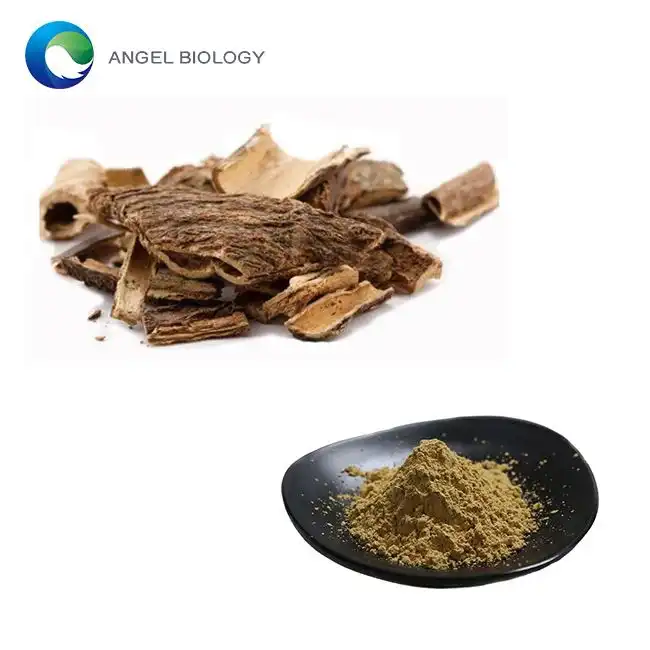
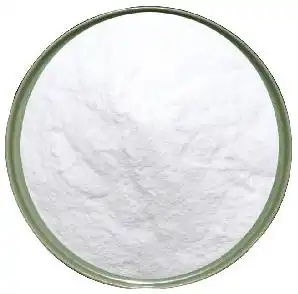
Extract from the bark of the white willow tree, White Willow Bark Extract Salicin, is the first natural painkiller, and it gives those who use herbal supplements a gentle but powerful alternative to pharmaceutical drugs. This amazing plant-based substance comes from Salix alba and has standardized levels of salicin that help with pain and inflammation. Formulators and consumers can use this time-tested cure for current health problems by knowing how it works, how to use it, and what quality issues to look out for. This will help make sure that herbal supplements are as safe and effective as possible.
The Ancient Wisdom Behind Modern Salicin Applications
For more than 2,400 years, traditional medicine practitioners have known that willow bark can help with health problems. Hippocrates wrote about how it might lower fevers, and ancient Egyptian and Chinese therapists used this natural cure in their treatments. Salicin, the active ingredient, is changed into salicylic acid by the body. This is the basis for what would later lead to the creation of aspirin.
Recent research confirms these historical uses through clinical investigations that show considerable increases in joint mobility and pain relief. Natural salicin gives long-lasting relief without the unpleasant stomach problems that are typical with synthetic alternatives and regular drugs. This mild effect makes white willow bark extract very useful for long-term health plans.
The plant's effectiveness comes from its complex mix of phytochemicals, which contains flavonoids, tannins, and phenolic glycosides that function together with salicin. These chemicals improve bioavailability and offer extra antioxidant protection, making them a better way to treat than isolated synthetic substances.

Understanding Salicin's Mechanism for Pain Relief
The mechanism of action of salicin, specifically from White Willow Bark Extract Salicin, involves the inhibition of the cyclooxygenase enzyme, which plays a role in the inflammatory responses that occur along the COX-1 and COX-2 pathways. This method reduces the production of prostaglandins, which in turn reduces the signals that are associated with pain and the cascades that are associated with inflammation, without completely stopping these vital biological processes. The intestines are the first place where the process of conversion begins, where salicin is transformed into saligenin. Saligenin is then converted into salicylic acid by enzymes that are found in the liver. As a result of this gradual shift, therapeutic levels are maintained at a high level while the stomach discomfort that frequently occurs when salicylic acid is taken immediately is reduced.
According to research, salicin is able to pass through the blood-brain barrier, which is the reason why it is effective in treating neurological discomfort such as headaches and migraines. In spite of the fact that it is relatively compatible with human physiology, the molecular structure of the drug makes it feasible to target pain receptors. After two to four weeks of consistent use, clinical investigations have demonstrated that inflammatory indicators can be assessed to reveal signs of improvement. People have reported that they are able to move around more readily, that they have less stiffness in the morning, and that they feel better in general when they incorporate standardized salicin extracts into their health routines.
Quality Standards and Potency Considerations
To make sure that each batch of premium white willow bark extracts has the same amount of salicin, they need to be rigorously standardized. Suppliers of high quality employ stringent testing methods, such as high-performance liquid chromatography (HPLC) analysis, to determine the levels of active compounds and identify any potential contaminants. Standardized extracts typically contain between 15 and 25 percent salicin, which enables them to be utilized in formulations with confidence. Not only does this range of concentrations offer the most beneficial therapeutic effects, but it is also economical for practical application in commercial settings. In order to demonstrate the levels of purity, heavy metals, and microbiological safety, reliable providers maintain accurate certifications of analysis.
The stability of salicin is significantly impacted by the manner in which it is stored. It is necessary to handle active compounds in areas that are cold, dry, and have very little light in order to ensure their safety. Extracts of professional quality are packaged and processed in a manner that is distinct from other procedures, which allows them to maintain their medicinal properties for a longer period of time. The verification of quality by third-party testing is an additional method of ensuring quality, which is especially important for supplement manufacturers that require their ingredients to function in the same manner each and every time. Spending money on comprehensive quality control systems is something that reliable suppliers do in order to comply with international standards and government regulations.
Applications Across Health and Wellness Industries
Because salicin, particularly from White Willow Bark Extract Salicin, may simultaneously address a wide range of health concerns, it is an excellent ingredient for the production of nutritional supplements. Extract of white willow bark is used in a variety of therapies for joint health. This extract is a natural method that helps reduce inflammation without the need of any additional chemicals.
The capacity of salicin to aid in the recovery of muscles is utilized by sports nutrition products in order to assist athletes in managing the pain that they experience as a result of exercise and to assist them in peak performance. Therefore, you can use it on a daily basis without having to worry about becoming reliant on it or developing a tolerance to it because the mixture acts in a gentle manner.
The modest blood-thinning properties of salicin are used in formulations for cardiovascular wellness; however, it is essential to exercise caution regarding the quantity of salicin that you consume when combining it with other substances that are beneficial to the circulatory system. This application requires the assistance of a specialist in order to guarantee that the appropriate therapeutic ranges are utilized.
The capacity of salicin to exfoliate helps cells develop and mend, and it also helps with sensitive skin diseases by reducing inflammation. Skincare products with salicin are beneficial for both of these purposes. When it comes to cosmetic formulations, lesser doses are used in order to achieve outcomes that are both gentle and effective.
Market Trends and Consumer Preferences
White Willow Bark Extract Salicin is well-positioned in the growing botanical supplement sectors by virtue of the fact that an increasing number of individuals are looking for natural solutions to alleviate pain. Plant-based treatments that are compatible with holistic health concepts are currently being actively sought after by individuals.
In order for producers to be transparent and honest, they are required to offer specific information regarding the origin of their ingredients and the conditions under which they are processed. Customers in today's market require comprehensive product documentation that includes evidence of the origin of the items as well as the outcomes of quality verification experiments.
It is more probable that those who are concerned about the environment will purchase from merchants who demonstrate that they harvest in a responsible manner. Certain specialized marketplaces have higher prices for certified organic and wildcrafted products than they do for other available choices.
Combination formulations, in which salicin is combined with other herbs such as turmeric, boswellia, and ginger, have the potential to generate novel concepts. These formulations aim to enhance the medical effects of salicin.
Conclusion
White Willow Bark Extract Salicin gives those who take herbal supplements a scientifically proven way to maintain their health naturally. It is an essential element for current formulations because it works, is gentle, and can be used in many different ways. Taking into account quality, following the right dose guidelines, and being aware of safety issues all help to provide the best therapeutic results while lowering risks. This plant extract is still a key ingredient in the development of new supplements and holistic medical treatments as more and more people want natural alternatives.
Partner with Angelbio for Premium White Willow Bark Extract Salicin Supply
Angelbio stands as your trusted White Willow Bark Extract Salicin manufacturer, delivering pharmaceutical-grade botanical ingredients backed by 18 years of research excellence and quality innovation. Our advanced extraction technologies ensure consistent 25% salicin standardization while maintaining complete phytochemical integrity for superior formulation performance. Contact angel@angelbiology.com to discuss your specific requirements and experience our commitment to natural ingredient excellence.
References
1. Mahdi, J.G., Mahdi, A.J., Mahdi, A.J. & Bowen, I.D. (2006). The historical analysis of aspirin discovery, its relation to the willow tree and antiproliferative and anticancer potential. Cell Proliferation, 39(2), 147-155.
2. Schmid, B., Lüdtke, R., Selbmann, H.K., Kötter, I., Tschirdewahn, B., Schaffner, W. & Heide, L. (2001). Efficacy and tolerability of a standardized willow bark extract in patients with osteoarthritis: randomized placebo-controlled, double blind clinical trial. Phytotherapy Research, 15(4), 344-350.
3. Vlachojannis, C., Zimmermann, B.F., Chrubasik-Hausmann, S. (2011). Quantification of extraction conditions for polyphenols from willow bark and effect of extracts on human keratinocytes. Phytotherapy Research, 25(3), 407-413.
4. Bonaterra, G.A., Heinrich, E.U., Kelber, O., Weiser, D., Metz, J., Kinscherf, R. (2010). Anti-inflammatory effects of the willow bark extract STW 33-I (Proaktiv) in LPS-activated human monocytes and differentiated macrophages. Phytomedicine, 17(14), 1106-1113.
5. Nahrstedt, A., Schmidt, M., Jäggi, R., Metz, J., Khayyal, M.T. (2007). Willow bark extract: the contribution of polyphenols to the overall effect. Wiener Medizinische Wochenschrift, 157(13-14), 348-351.
6. Khayyal, M.T., el-Ghazaly, M.A., Abdallah, D.M., Nassar, N.N., Okpanyi, S.N., Kreuter, M.H. (2005). Mechanisms involved in the antiinflammatory effect of a standardized willow bark extract. Arzneimittel-Forschung, 55(11), 677-687.