



Why B2B Buyers Prefer L-glutathione Powder: Benefits Explained
L-glutathione powder is becoming more popular among business-to-business buyers because it has great protective qualities, is more bioavailable, and can be used in a variety of ways. This tripeptide molecule has big benefits in nutraceutical, cosmetic, and pharmaceutical uses because it protects cells better and helps with cleansing. Tablets and pills can't compare to L-glutathione powder when it comes to purity levels, cost-effective scaling, and formulation versatility. Powder forms allow for accurate dosing, easier integration into a wide range of product matrices, and higher absorption rates. This makes them the first choice for makers looking for high-quality ingredient solutions that meet strict quality standards and regulatory requirements.
Understanding L-glutathione Powder and Its Core Benefits
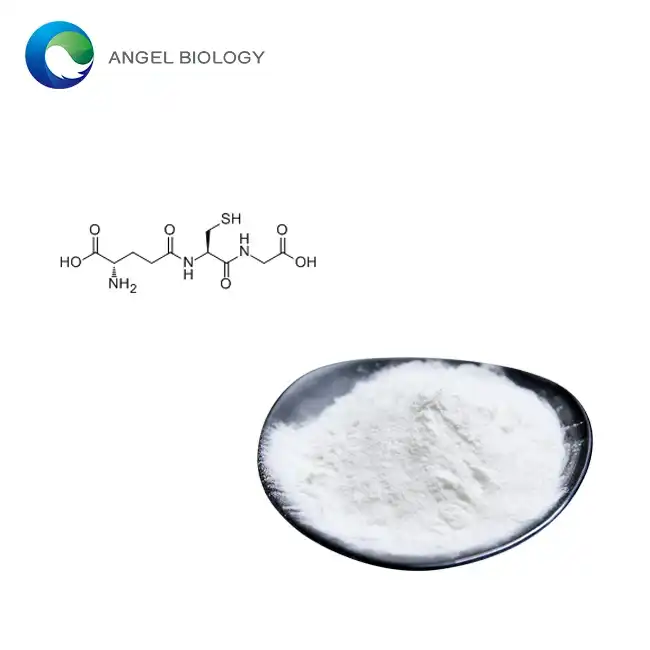
The powder form of L-glutathione is one of the strongest vitamins that our cells make on their own. This important tripeptide, which is made up of glutamic acid, cysteine, and glycine, is an important part of cleaning out cells and keeping the defence system strong. There are clear benefits to using powder over other delivery methods, especially in industrial settings where exact recipe control and consistent quality are most important.
The Science Behind Glutathione's Antioxidant Power
Glutathione is the body's main antioxidant. It fights free radicals and supports the health of cells at the molecular level, according to research. Glutathione works with vitamins C and E to restore these nutrients and increase their benefits. This is different from many other antioxidants that work on their own. This is one of the things that makes glutathione powder very useful for companies that are making complete antioxidant formulas.
Because it is easier for the body to absorb, glutathione powder is more bioavailable than regular tablets. Studies show that powder formulations dissolve more quickly and stay stable in the stomach, which leads to better treatment results. This benefit is especially important for B2B buyers who are working to make high-quality health goods that give end users measured results.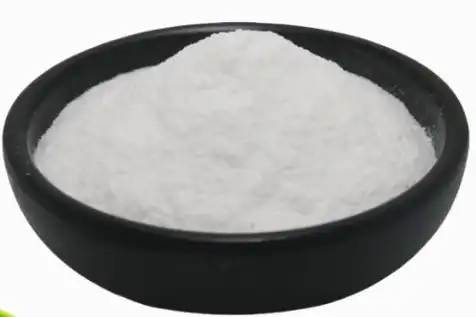
Industrial Applications Across Multiple Sectors
Manufacturing experts know that glutathione powder can be used in a lot of different situations. Companies that make nutraceuticals use this ingredient in goods that help the immune system, clean out the liver, and fight aging. Glutathione powder is added to skin care items by cosmetic companies to help cells heal and protect against environmental stresses.
Pharmaceutical companies like glutathione powder because it helps the liver work better and can be used as an extra treatment in a number of clinical situations. Food and drink companies are looking into glutathione's promise for functional goods that help people stay healthy and live longer. This wide range of uses ensures steady demand and market stability for business buyers who buy glutathione powder.
Comparing L-glutathione Powder to Other Supplement Forms
Industrial buyers need to look at the different ways L-glutathione powder can be delivered in order to choose the best formulas for their needs. Knowing the differences between powder, capsule, tablet, and injectable types helps you make smart purchasing choices that meet the needs of production and meet the interests of end users.
Powder Versus Capsule Formulations
When compared to pre-encapsulated goods, glutathione powder is more flexible. Manufacturers can carefully control dosage, mix different active ingredients, and make formulas fit the needs of each market. Because the powder form doesn't have any of the extraneous ingredients that come in pills, it has a higher concentration of active ingredient per unit weight.
Powder versions are better for large-scale production because they are cheaper. Buying powder in bulk is usually cheaper per gram of active ingredient than buying pills that are already made. This economic benefit is especially important for businesses that make private label or high-volume supplement lines, where profit optimisation is still very important.
The steps for quality control are easier to understand when powder products are used. Before the formulation process starts, testing methods can be used to check the raw material directly for purity, effectiveness, and contamination levels. When compared to buying pre-formulated capsule goods from different sources, this method lowers risk and ensures consistent product quality.
Tablets and Injectables Alternatives
Making tablets requires a lot of compression, which can make glutathione less stable when it is heated and under pressure. Manufacturers can use softer processing methods, like encapsulating or soft-gel formation, with powder ingredients, which keeps the active ingredient's integrity throughout the production cycle.
Injectable glutathione products have certain uses in medicine, but they are still not good for the general customer market because of rules and instructions on how to use them. Powder forms fill in this gap by offering high bioavailability through oral supplementation methods that people can easily do on their own.
The stability characteristic of glutathione powder is better than that of tablet forms when kept properly in a controlled environment. Powdered ingredients stay active for longer while being stored and shipped, which cuts down on waste and makes inventory management easier for B2B buyers who are in charge of complicated supply lines in many different geographic markets.
Procurement Considerations for B2B Buyers
To buy glutathione powder successfully, you need to look at a supplier's skills, quality certifications, and compliance with government rules. Professionals in buying know that the quality of the ingredients has a direct effect on how well the end product works and how well the brand is known in competitive markets.
Supplier Qualification and Certification Requirements
Good glutathione powder sellers keep their Good Manufacturing Practice (GMP) certifications up to date and get checked by a third party on a regular basis to make sure they meet international quality standards. These certificates make sure that the production processes are always the same, that contaminants are kept under control, and that batches can be made again and again, which is what B2B buyers need for reliable product development.
The ISO 22000 approval for food safety management shows that providers have put in place full hazard analysis and critical control point (HACCP) systems. This approval is especially important for businesses that are making food-grade products or vitamins for people who are sensitive.
There are different kinds of organic certifications for glutathione powder that is made by fermenting certified organic materials. Although there are higher costs, organic certification can help brands market to health-conscious customers who are ready to pay more for natural goods that have been approved.
Volume-Based Pricing and Contract Negotiations
Glutathione powder prices are usually based on how much the raw materials cost, how hard it is to make, and what certifications are needed. When you commit to a certain amount of goods, you can often save a lot of money on costs. This is because prices drop at certain tonnage levels that match up with the yearly planning stages for production.
When negotiating a contract, the parties should talk about quality standards, testing procedures, delivery dates, and "force majeure" clauses that protect both sides in case of problems in the supply chain. Buyers with a lot of experience arrange clauses that punish deliveries that don't meet specifications and structures that give bonuses to those who regularly meet or beat quality goals.
Long-term supply deals keep prices stable and make sure that supplies are distributed evenly, even when demand is high or raw materials are in short supply. These deals are good for both buyers and sellers because they make it easier to plan production and keep track of supplies, and they also lower the costs of doing business that come with renegotiating contracts all the time.
Quality Testing and Verification Protocols
Full testing methods should check the amount of glutathione, the quality, the presence of heavy metals, the number of microbes, and the amount of liquid that is still present. Certificate of Analysis (COA) paperwork must be sent with every package and show all the way back to the raw materials and production batches.
Third-party testing by approved laboratories makes sure that what the seller says is true and that they are following the rules. Before putting materials into production inventory systems, many buyers use inbound inspection processes to make sure that key quality parameters are met.
The results of stability tests help predict how well ingredients will work in different storage circumstances and set the right expiration dates for final goods. Providers should show full stability studies carried out according to ICH rules that show L-glutathione powder keeps its potency during the shelf life times that were planned.
Safety, Dosage, and Regulatory Insights
To get around legal systems and safety concerns, you need to have a deep understanding of the rules that apply to all target markets. When used according to known dosing instructions, glutathione powder usually has a great safety profile. However, some uses may need more regulatory review.
Regulatory Compliance Across Global Markets
As long as it is used within certain limits, glutathione is generally thought to be safe for use in food in the United States, according to the Food and Drug Administration (FDA). The Dietary Supplement Health and Education Act (DSHEA) has rules about supplement apps that say they must follow current good manufacturing practices and have correct labels.
The European Union's European Food Safety Authority (EFSA) says that glutathione is a legal food additive that can only be used in certain ways and at certain amounts. Novel food laws may apply to some formulations or transport methods, and these need to be approved before they can be sold to the public.
Different Asian markets, like Japan, South Korea, and Southeast Asian countries, have different rules about glutathione pills and cosmetic uses. Before starting to distribute goods in certain countries, B2B sellers need to check the requirements of those countries and get the right import permits.
Dosing Guidelines for Different Applications
Glutathione powder is usually taken in doses of 250 to 500 mg per day in nutraceutical uses to help with antioxidants in general. Some detoxification products or intense health plans may be able to handle higher amounts of up to 1000–1500 mg, but each person's tolerance is very different.
Glutathione powder is used in cosmetics at concentrations ranging from 0.1% to 2.0%, based on the type of product and its effects. For topical uses, the pH needs to be carefully adjusted to keep the ingredients stable and to make sure they are bioavailable through the skin's absorption routes.
When figuring out the best glutathione powder inclusion rates for food and drink uses, taste, colour, and stability must be taken into account. Functional beverage recipes usually use 50 to 200 mg per dose, while food recipes might need lower amounts so as not to change the way the food tastes.
Quality Assurance and Testing Standards
High-Performance Liquid Chromatography (HPLC) is used to find out how potent glutathione powder is, and mass spectrometry is used to prove its identity. These methods give exact amounts and make sure that ingredients are real throughout the whole supply chain.
According to established pharmacopoeial standards, microbial testing methods should check for total plate counts, levels of yeast and mould, and the lack of pathogens. Heavy metal research is needed to make sure that the highest levels of lead, mercury, cadmium, and arsenic contamination are being met.
Testing for residual solvents is done on glutathione powder that was made using organic solvents for extraction or processing. The International Conference on Harmonisation (ICH) sets the limits for the amounts of common liquids that can be used in the production of drugs and supplements.
Why is L-glutathione powder the preferred choice for B2B clients?
B2B buyers always choose L-glutathione powder over other types because it has clear benefits in improving product performance, making production more efficient, and lowering costs. These benefits include more than just short-term procurement issues; they also include long-term competition strategy and market response.
Manufacturing Flexibility and Scalability
Glutathione powder lets companies quickly adapt to changing market needs and make formulas that meet the unique needs of each customer. This flexibility is very important in markets that are always changing, where customer tastes change quickly and rules may change without warning.
It is much easier to make more of a product when the parts are in powder form instead of pre-made forms. Manufacturers can easily change batch sizes without having to reorganise whole production lines or buy new tools that are only used for certain types of products.
Powder ingredients that let tests and changes happen in real time help with quality control throughout the whole production process. This feature cuts down on waste, makes things more consistent, and lets you start projects to improve processes all the time, which makes the whole operation more efficient.
Economic Advantages for Large-Scale Operations
When companies make a lot of glutathione-containing goods, cost-per-unit calculations always show that powder versions are better. Getting rid of unnecessary steps in the production process and packing materials lowers the overall cost of production while keeping high-quality standards.
When you work with flexible powder ingredients instead of a lot of different pre-made goods, it's easier to keep track of your inventory. Single SKU buying makes it easier to buy things, takes up less space, and lowers the risk of obsolescence that comes with speciality goods that don't sell very quickly.
Sending concentrated powder ingredients is cheaper than sending finished goods that are bigger and bulkier. When buying things from other countries, this benefit is especially useful because freight costs make up a big part of the total landing costs.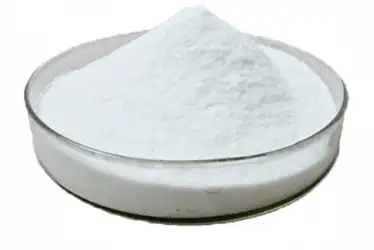
Innovation and Product Development Opportunities
When research and development teams work with glutathione powder ingredients that can be put into new ways of delivering drugs and making products, they have more freedom to be creative. This freedom speeds up the process of coming up with new ideas and makes it easier for breakthrough goods to get on the market faster.
Combination formulas are possible when powder chemicals that are compatible with each other can be mixed in certain amounts to get synergistic effects. When working with pills or tablets that have already been made and have set ingredient profiles, these chances may not be available.
Custom formulation services help companies that want to make their own unique goods that set their names apart in crowded markets. Powder ingredients can be mixed in different ways to make new mixtures that work better and help with special selling strategies.
Conclusion
It turns out that L-glutathione powder is the best option for B2B buyers who want to find high-quality antioxidants that work well in a wide range of industries. Because they are more cost-effective, easier to make, and more bioavailable, powder formulations are better than other ways to give drugs. For buying to go well, suppliers must meet certain requirements, follow rules, and follow quality control procedures that guarantee steady performance and market acceptance. As the need for natural antioxidants keeps growing, glutathione powder gives producers a wide range of options that encourage new ideas while still meeting the high-quality standards that are necessary for long-term business success.
FAQ
1. What makes glutathione powder more effective than capsule forms?
When compared to capsules, glutathione powder dissolves more quickly and stays stable in the stomach. The powder form is better for absorption because it has a larger surface area to touch, and the capsule materials can't get in the way. Manufacturing studies show that powder products have higher bioavailability rates. This means that they work better for therapeutic uses that need the best release of nutrients.
2. How should B2B buyers evaluate glutathione powder suppliers?
It is important for buyers to make sure that sellers have up-to-date GMP certifications, ISO quality management systems, and thorough third-party testing methods. Documentation showing compliance with regulations, data from stability studies, the ability to do analytical tests, and the dependability of the supply chain should all be used as evaluation factors. For partnerships to work, suppliers must offer full traceability, uniform quality measures, and quick technical help throughout the whole buying process.
3. What regulatory considerations apply to glutathione powder procurement?
Regulatory needs change based on the product and market being targeted. For supplement applications, you have to follow the rules set by the FDA for dietary supplements. For food applications, you have to follow the rules set by GRAS and follow the usage limits. Different rules apply to international markets, and they need different kinds of paperwork and permission processes. Buyers should check the rules early on in the product creation process to make sure they are followed and avoid delays in entering the market.
Partner with Angelbio for Premium L-glutathione Powder Solutions
Angelbio has been doing independent research and development for more than 18 years and has advanced production skills that allow them to make high-quality L-glutathione powder that meets the strictest international standards. Because we are dedicated to developing new technologies and integrating the supply chain, we can offer you consistent, dependable goods that help your production business succeed. We are a reliable L-glutathione powder provider backed by Angel Holding Group and Xi'an Jiaotong University's Institute of Life and Health Research. We offer full expert support, low bulk prices, and solutions that can be changed to fit your needs. Get in touch with our team at angel@angelbiology.com to talk about your buying needs and discover the Angelbio edge when it comes to natural ingredient greatness.
References
1. Pizzorno, Joseph. "Glutathione! Integrative Medicine: A Clinician's Journal." Clinical Applications of Antioxidant Therapy, 2014, pp. 8–12.
2. Witschi, Andrea, et al. "The Systemic Availability of Oral Glutathione." European Journal of Clinical Pharmacology, vol. 43, no. 6, 1992, pp. 667-669.
3. Richie Jr, John P., et al. "Randomised Controlled Trial of Oral Glutathione Supplementation on Body Stores of Glutathione." European Journal of Nutrition, vol. 54, no. 2, 2015, pp. 251-263.
4. Sekhar, Rajagopal V., et al. "Deficient Synthesis of Glutathione Underlies Oxidative Stress in Aging and Can Be Corrected by Dietary Cysteine and Glycine Supplementation." American Journal of Clinical Nutrition, vol. 94, no. 3, 2011, pp. 847–853.
5. Allen, Jeremy and Bradley, Rachel D. "Effects of Oral Glutathione Supplementation on Systemic Oxidative Stress Biomarkers in Human Volunteers." Journal of Alternative and Complementary Medicine, vol. 17, no. 9, 2011, pp. 827–833.
6. Herzberg, Glenn R., along with Rogerson, Melissa E. "Hepatic Glutathione and Lipid Peroxidation in Rats Fed Diets Containing Different Fats." Proceedings of the Society for Experimental Biology and Medicine, vol. 184, no. 2, 1987, pp. 162-167.