



Why Is Neohesperidin Dihydrochalcone Powder Popular in Food and Beverage Formulation?
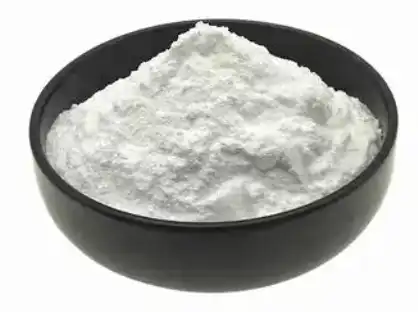
Neohesperidin Dihydrochalcone Powder is a very sweet ingredient that has changed the way food and drinks are made. It is about 1500 to 1800 times sweeter than regular sugar and solves important formulation problems at the same time. You can get this chemical from citrus fruits. It hides bitter tastes, makes things feel better in the mouth, and stays stable in a lot of different processing conditions. Formulators love that it can cut sugar levels by a lot without changing the taste. Because of this, it is necessary to make clean-label products that meet consumer needs for healthier options made from natural ingredients. Brands that want to stand out in crowded markets can use it as a strategy because it can change people's tastes in so many ways.
Understanding Neohesperidin Dihydrochalcone Powder
Natural Origin and Chemical Structure
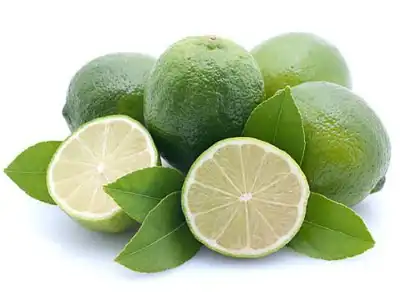
A flavonoid called Neohesperidin is naturally found in bitter orange peels (Citrus aurantium). This is where the compound comes from. Controlled hydrogenation changes the shape of the molecules into a Dihydrochalcone shape, which makes it feel completely different. A slightly bitter chemical is turned into a very sweet one through this process, which keeps the chemical's botanical source. While the ingredient has been processed, it can still be traced back to natural citrus sources. This change is very important for brands that want to make clean-label claims. The change in chemicals makes something taste sweeter and gives it useful properties that pure extraction can't do. Formulators like this because it has two benefits: natural ingredients and better performance that is consistent and hard to replicate with synthetic alternatives.
Production and Quality Considerations
You need to have tight control over the hydrogenation parameters, the catalyst choice, and the purification protocols in order to make an NHDC that is very pure. To create Neohesperidin, the raw material must first be extracted. Next, it must be hydrogenated with a catalyst while being kept at a certain temperature and pressure. In later steps of purification, any catalysts or starting materials that haven't been used up are thrown away. This is done until the purity level is above 96%. Taking this much care makes sure that every batch is the same, which is important when making food on a large scale. Along with purity metrics, quality parameters include the range of particle sizes, the amount of moisture, and the safety for microbes. Suppliers you can trust test their products thoroughly at many stages of production and keep records of all the parameters for regulatory submissions and customer audits. When procurement teams know these little facts about manufacturing, they can figure out what suppliers can do and predict quality differences that could affect how stable the formulation is.
Why Citrus-Derived Sweeteners Matter
People who like natural ingredients more than synthetic ones are becoming more and more common. The market likes compounds that come from citrus because they make things look natural, fresh, Neohesperidin Dihydrochalcone Powder, and healthy. This way of thinking is good for business, especially when it comes to high-end goods, where people buy them because they know what's in them. People are still not sure about artificial sweeteners, but citrus-based sweeteners are thought to be better for you because they contain vitamin C, antioxidants, and are linked to traditional health practices. In regulatory settings, labeling rules for natural ingredients are often less strict than those for synthetic ones. This psychological benefit also applies to these settings. When brands use this ingredient, they can show that they are real and meet performance standards that support their high-end market position.
The Advantages of Neohesperidin Dihydrochalcone Powder in Food & Beverage Applications
More and more, companies are being pushed to make their products less sweet without affecting their taste or appeal. The ingredients in this challenge are more complex and can be used for more than just swapping out sugar. Some formulation issues can be fixed at once with Neohesperidin Dihydrochalcone Powder. This makes it a good choice for brands that want to be on the cutting edge of new ideas.
Exceptional Sweetness Intensity and Synergy
It can be used in very small amounts, usually between 10 and 50 parts per million in finished goods, because it is 1500 to 1800 times sweeter than sucrose. Even though they cost more per kilogram than bulk sweeteners, they are cost-effective because of how well they concentrate. It's even better when you mix NHDC with other sweeteners. It adds 30–40% more sweetness to foods when mixed with stevia, monk fruit, or erythritol. People who make medicines can use less total sweetener and still get the sweetness levels they want. Soda and sports nutrition are great examples of this because they have a lot of active ingredients that all want to taste good. The compound's slow release of sweetness and long duration make the temporal profile more like sugar, which is better than many high-intensity sweeteners' quick release of sweetness and long-lasting aftertaste.
Superior Flavor Masking Capabilities
This ingredient not only adds sweetness, but it also blocks bitterness at the receptor level in amazing ways. Plant proteins, amino acids, minerals, and botanical extracts are all functional ingredients. They often add bitter, metallic, or astringent notes that make it hard to come up with new recipes. These off-flavors are blocked by NHDC because it interacts with receptors and does more than just add sweetness. Caffeine, magnesium salts, and hydrolyzed proteins all have a bitter taste that can be hard to cover up. This is a common problem in sports nutrition and drinks with added vitamins and minerals. Because of this feature, brands can add more useful ingredients to their products without making them taste worse, which directly backs up their claims that the products work. Toning down a flavor isn't the same as just making it stronger through sweetness; this method involves blocking bitter taste receptors, which creates cleaner flavor profiles that people say are more balanced and less fake.
Process Stability and Formulation Versatility
There are a lot of different conditions used to make food, from pasteurization at high temperatures to making carbonated drinks in environments with a low pH. Even though things are tough, NHDC keeps its structure strong and its functions running smoothly. It stays stable at temperatures above 200°C, which is much higher than what is needed to make drinks or baked goods safe to eat. The stable pH range is from 2.5 to 8.0, which means it can handle soft drinks that are slightly acidic, dairy products that are neutral, and uses that are slightly basic. Having this strength means that you can use temperature-sensitive sweeteners like aspartame or acesulfame potassium in any recipe you want. It's easy to add the compound to liquid systems because it dissolves quickly in water. You can also use the powder form for dry-blend projects. Shelf-life studies show that the product doesn't go bad much after 24 months of storage at room temperature. This means that it can be kept for longer without having to be reformulated or worry about sweetness drift, which are issues with less stable alternatives.
Comparing Neohesperidin Dihydrochalcone Powder with Other Sweeteners
To pick the right strategic ingredients, you need to be able to compare how well Neohesperidin Dihydrochalcone Powder works across a range of criteria. It's easier to see how Neohesperidin Dihydrochalcone Powder can be best used and what makes it better when you know how it stacks up against other options.
Performance Against Stevia and Monk Fruit
Plant-based sweeteners get a lot of attention when people talk about clean labels, but each one has its own sensory limits. People who use stevia extracts, especially steviol glycosides, often end up with bitter or licorice-like tastes that need to be covered up with a lot of other tastes. Monk fruit looks better, but its supply chain isn't stable, and it costs a lot, which makes it hard for uses that need to save money. NHDC stands out because it is better at hiding bitter tastes. This makes it a great ingredient for products that use stevia to hide the off-notes that come with it. When 10–20% NHDC is mixed with high-purity stevia extracts, they make something sweet that doesn't taste like stevia afterward. This mix strategy is now being used by beverage companies that want "all-natural" sweetener systems that people like the taste of. When it comes to heat processing and long-term storage, NHDC is more stable than some stevia glycosides. On the other hand, some stevia glycosides break down or precipitate in acidic environments.
Cost-Effectiveness in Industrial Applications
In the end, decisions about procurement have to strike a balance between how well something works and how the economy is doing. While NHDC costs more per unit than bulk sweeteners, the total cost of use is about the same when you figure out how much is used. A normal beverage might need 30–40 ppm NHDC instead of 8–10% sugar by weight, which is a 2500–3000 fold decrease in mass. Even though NHDC costs more, the cost of the sweetener per liter can be less than the cost of sugar-equivalent formulations when the costs of shipping, handling, and storage are added to the total cost. When companies that make a lot of different products that all use the same base ingredients buy in bulk, they can get discounts that make the prices even lower. The compound can mask flavors, make the mouthfeel better, and make it sweet all at the same time. This means that other flavor modifiers aren't needed as much, which saves money that you might not notice at first.
Application Versatility Across Product Categories
There are challenges in making different kinds of products that work best with certain kinds of sweeteners. One area where NHDC does really well, where other sweeteners have trouble, is with high-value foods. Protein drinks and bars don't taste as chalky or bitter because of it. This is because it doesn't add too many sweeteners, which would mean that nutritional labels would be hacked. It adds more creaminess, which is good for dairy products because it brings back the body and richness that sugar removal usually takes away. It can handle high temperatures and doesn't cause gallstones, which makes it useful in confectionery for making sugar-free candies without the laxative effects of using too much sugar alcohol. It is useful in pharmaceuticals and nutraceuticals because it works well at low doses and can help people take their medicine by making unpleasant active ingredients taste better. Sweeteners are made to work best in small application windows, but this category breadth is not the same. This cuts down on the number of SKUs that need to be managed, which speeds up procurement.
Procurement Insights for B2B Clients
Finding good products is only one part of getting good ingredients. You also have to check out suppliers, handle logistics, and follow the rules for quality control. It's important to know how to buy specialty ingredients in a way that keeps supply chain risks to a minimum.
Evaluating Supplier Capabilities
Not every NHDC supplier gives you the same amount of value. There is a wide range of manufacturing sophistication, which impacts how consistent the products are, how good the documentation is, and how well technical support can be given. Some of the best suppliers have research and development (R&D) teams that can help with things like making sure that custom specifications meet the needs of each formulation and giving advice on how to use the product. If a manufacturing company has certifications like ISO 9001, FSSC 22000, and HACCP, it means that quality management is planned and organized. This makes batch variation less likely. This happens when suppliers take care of the whole process, from getting the raw materials to making sure they are safe. This is known as vertical integration. Most of the time, this kind of supply means more reliable paperwork and easier tracking. The amount of Neohesperidin Dihydrochalcone Powder work that needs to be done should be compared to how much work the suppliers can do.
Navigating Minimum Order Quantities and Sampling
For the first evaluation of an ingredient, it is important to have access to samples that were made in conditions that are similar to those used in commercial production. Suppliers you can trust will give you free samples, which are usually between 100 and 500 grams and are large enough to test the formulation and stability on a small scale. Before making any commercial commitments, formulators can use this sampling phase to make sure that technical claims are true, to test the taste, and to see if the new ingredients will work with existing platforms. The lowest amount that a business can buy at once is usually between 25 and 100 kilograms. This is done so that the economics of production for the seller and the buyer's needs to keep track of inventory are both met. It's possible for smaller specialty manufacturers to get lower MOQs by working with distributors or spice brokers. For better cash flow and less risk with their stock, they might be willing to pay a little more per unit.
Understanding Global Trade and Logistics
Getting ingredients from outside the country is harder than getting them from inside the country. Depending on the country of destination, you need different kinds of permission forms. Some of the things that can be included are certificates of analysis, certificates of sanitary inspection, and sometimes certificates of origin to get the best tariff treatment. A lot of suppliers follow set export procedures, like putting goods in the right category by HS code and figuring out if they are dangerous when they need to be. As a way to cut down on the cost of freight per unit, shipping logistics like consolidation strategies group several items into one container load. When shipping NHDC powder, temperature control isn't usually needed because it's pretty stable. But when shipping products that are sensitive to moisture, humidity control is necessary during ocean transit. The time it takes for an Asian manufacturer to get an order to its destination is usually between 6 and 8 weeks, with supplies, quality holds, or delays at customs.
Ensuring Safety, Quality, and Compliance
No matter what, getting food ingredients means following the government's rules. Brands can avoid costly recalls, government action, and damage to their reputation by knowing the rules and ways to check Neohesperidin Dihydrochalcone Powder.
Regulatory Status Across Key Markets
Most regulatory bodies agree with NHDC, but each area has its own rules and limits on how it can be used. There is a FEMA GRAS status 3811 for the U.S. It is known as a flavor enhancer and flavoring agent by the Food and Drug Administration. The usual use levels are between 5 and 50 parts per million (ppm), depending on the type of application. As E 959, it has been approved by the European Food Safety Authority. The most that can be used in different kinds of food is 5 mg/kg for some drinks and 50 mg/kg for sweets. When formulating, these different rules need to be carefully thought through, as going over the limits could cause problems with not following the rules, even if the ingredients are safe. Countries like Japan, Canada, and Australia all have similar approvals, but they need Neohesperidin Dihydrochalcone Powder different kinds of paperwork. Full regulatory support materials should be given by suppliers. These should include summaries of safety assessments, toxicological data, and compliance statements that are unique to each jurisdiction. It will be easier for customers to send in regulatory paperwork.
Quality Control and Testing Protocols
The quality of an ingredient is more than just how pure it is; it also includes a full analytical description. An HPLC purity test that confirms ≥96% NHDC content, a residual solvent screen, a heavy metals test that meets food-grade standards, and microbiological testing for yeast, mold, pathogenic organisms, and total plate count are some of the standard ways to test something. What the customer wants, the smartest suppliers go the extra mile and do tests like checking for pesticide residue, allergens, and GMO status. Fingerprint analysis is used to see if there is consistency from one batch to the next. This makes sure that the functional performance stays the same from one production run to the next. A third-party laboratory certification from an ISO 17025-accredited facility independently checks the data that the supplier provides. This builds trust and supports quality claims. A certificate of analysis should be sent with every shipment. After delivery, they can be looked into again. This helps you get to the bottom of the problem and fix it.
Supplier Transparency and Audit Readiness
People trust a supplier more when they are open and have quality systems that can be checked. Leading suppliers don't mind if their customers check up on them, and they keep records in a way that makes it easy for regulators and inspectors to look over them. Many ingredients should be able to be tracked from the time they are received as raw materials until they are shipped. This makes it easy to fix quality issues quickly. Programs that manage allergens should keep track of the steps that are taken to keep products with citrus in them away from people who are most likely to be allergic to them. Change management procedures make sure that customers are aware of any changes that may affect the product's regulatory status or its ability to do its job. These changes could be to the process, the formulation, or the source materials.
Conclusion
This citrus-based sweetener is getting more and more popular, which shows how well it can fix more than one problem with a recipe at the same time. Formulators in a wide range of food and drink categories find it very valuable because it is very sweet, very good at hiding flavors, and very stable during the process. It works just as well as other sweeteners and doesn't cost as much, which is great when you need to cover up a bitter taste or make your mouth feel better. For procurement to go smoothly, it's important to think about the skills of suppliers, the frameworks for making sure they follow the rules, and the quality control protocols that make sure they always do a good job. As more people become interested in naturally occurring, useful ingredients, Neohesperidin Dihydrochalcone Powder sees itself as a way for brands to lower their sugar content while keeping or even improving the tasty feel that makes people want to buy again.
FAQ
1. What are the typical usage levels for NHDC in beverages?
In beverage applications, 10 to 50 ppm is common, but it depends on how sweet the drink needs to be, its pH, and whether or not there are other sweeteners in it. Most soft drinks with carbonation use 20 to 30 ppm, but functional drinks with bitter ingredients may need 40 to 50 ppm to cover up the bitterness and add sweetness.
2. How does NHDC compare to stevia in terms of taste profile?
Stevia often tastes like licorice or is bitter, but NHDC is sweeter and leaves behind less of an aftertaste. A lot of people who make sweeteners mix the two together, hiding the off-notes of stevia with Neohesperidin Dihydrochalcone Powder to make natural sweetener systems that people will buy.
3. Is NHDC suitable for clean-label formulations?
The compound comes from natural citrus sources and is processed in a controlled way, which means that most regulatory areas will back up claims of clean labels. Because it comes from plants and is GRAS, it can be used with "clean-label" marketing strategies. This is because people want ingredients that are easy to recognize and come from natural sources.
4. What shelf stability can manufacturers expect?
If you store Neohesperidin Dihydrochalcone Powder the right way, it will stay stable at room temperature for more than 24 months. The compound doesn't break down at normal temperatures and pH levels for food processing, so it keeps working right for as long as the product is stored without needing to be reformulated or the sweetness changed.
Partner with Angelbio for Premium Neohesperidin Dihydrochalcone Powder
Angelbio has been doing great research and development for 18 years, Neohesperidin Dihydrochalcone Powder, and is one of the best at making things in the world. They can make Neohesperidin Dihydrochalcone Powder that is safe for use in medicines and meets the strictest formulation needs. Our facility stays up to date on all the certifications it needs to meet the rules set by governments around the world. Our technical team can also help you figure out how to use the ingredients most effectively in your specific recipes. You can trust our Neohesperidin Dihydrochalcone Powder supplier to give you low prices on big orders, flexible minimum quantities for new brands, and free samples so you can be sure the product is right for you before you buy it. Write to our team at angel@angelbiology.com to share your formulation issues and learn how our top-notch ingredients can help you improve your products while still maintaining the honest, clean label that your customers desire.
References
1. Kinghorn, A.D., and Soejarto, D.D. (2002). Discovery of Terpenoid and Phenolic Sweeteners from Plants. Journal of Agricultural and Food Chemistry, Volume 50, Pages 5722-5727.
2. DuBois, G.E., and Prakash, I. (2012). Non-Caloric Sweeteners, Sweetness Modulators, and Sweetener Enhancers. Annual Review of Food Science and Technology, Volume 3, Pages 353-380.
3. Hellfritsch, C., et al. (2012). Human Psychometric and Taste Receptor Responses to Steviol Glycosides. Journal of Agricultural and Food Chemistry, Volume 60, Pages 6782-6793.
4. Spillane, W.J. (2006). Optimising Sweet Taste in Foods. Woodhead Publishing Series in Food Science, Technology and Nutrition, Cambridge, England.
5. Schiffman, S.S., and Gatlin, C.A. (1993). Sweeteners: State of Knowledge Review. Neuroscience & Biobehavioral Reviews, Volume 17, Pages 313-345.
6. Walters, D.E., Orthoefer, F.T., and DuBois, G.E. (1991). Sweeteners: Discovery, Molecular Design, and Chemoreception. American Chemical Society Symposium Series, Volume 450, Washington DC.