



3 Ways Rhodiola Rosea Extract Powder Enhances Cognitive Function
Rhodiola Rosea Extract Powder has been shown to improve cognitive function in three different ways: it changes neurotransmitters to give you more mental energy, it helps you remember things through neuroplasticity, and it lowers your anxiety by controlling cortisol. This adaptogenic ingredient meets the important need for consistent, bioavailable formulations in the development of nutraceutical products. It is standardized to contain certain ratios of rosavins and salidroside. Raw herbs can vary from batch to batch, but quality extracts give research and development teams the stability and effectiveness data they need for cognitive health uses.
Understanding Rhodiola Rosea Extract Powder and Its Cognitive Benefits
Rhodiola Rosea Extract Powder plants do best in high-altitude Arctic areas in both Europe and Asia. The harsh conditions there force the plants to make strong bioactive compounds. More and more business-to-business people are interested in this botanical because it offers a standard answer to common formulation problems. There are two main types of active compounds in the extract: rosavins, which include rosavin, rosarin, and rosin, and phenylethanol derivatives, which include salidroside.
What Sets This Extract Apart from Raw Botanical Materials
Product developers face big problems when they try to work with raw Rhodiola root powder. The potency changes a lot depending on when it is harvested, how high it is, and how it is processed. This problem can be solved by using a standardized extract that guarantees certain amounts of active markers, usually 3% rosavins and 1% salidroside. This standardization makes it possible for formulation scientists to figure out exact doses and confidently predict outcomes. The extraction process breaks down the root's tough cellulose matrix, which makes it much more bioavailable than whole plant material. This is very important for cognitive applications where stable blood levels of active compounds determine how well a product works. We've seen how this better bioavailability leads to better customer reviews and more repeat purchases when we work with nutraceutical brands.
Primary Mechanisms Supporting Brain Function
Rhodiola's adaptogenic properties help the body keep its balance when it's under a lot of stress. The chemicals work with the hypothalamic-pituitary-adrenal axis to change the release of stress hormones. This physical response lays the groundwork for cognitive improvements by getting rid of the mental fog that comes with long-term stress. Because salidroside is an antioxidant, it protects neural tissues from oxidative damage. This is especially important in high-stress work environments or when studying for a long time. Instead of giving you a burst of energy followed by a crash like synthetic stimulants do, this botanical ingredient helps keep your mind clear in a number of ways that work together. Product developers who are making nootropics like this multifaceted mechanism, Rhodiola Rosea Extract Powder, because it lets them make bigger claims that are backed up by more research.
Forms and Applications Across Industries
Manufacturers can get this ingredient in a number of different forms, depending on how they make things. Standardized powder is still the most common choice for making capsules and tablets because it lets you change the dose easily. Some beverage companies choose water-soluble versions for functional drinks, but because the root compounds are naturally bitter, they often need flavor-masking technologies. Companies that make sports nutrition have found that combining this extract with other performance ingredients is very useful. It works well with pre-workout formulas made for endurance athletes because it helps the body take in more oxygen. Cognitive health brands add B-vitamins and magnesium to it to make full-focus formulas for professionals who are feeling burned out. Knowing these patterns of application helps procurement teams find empty spaces in supplement markets that are already full.

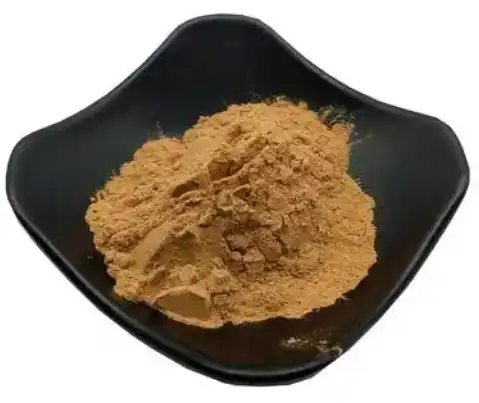
3 Key Ways Rhodiola Rosea Extract Powder Enhances Cognitive Function
Researchers who study adaptogenic plants have found specific ways that Rhodiola helps the brain work better. These pathways give R&D directors the scientific background they need to look at ingredients for cognitive health product lines. This extract is different from other adaptogens on the market in the following ways.
Mechanism 1: Boosting Mental Energy Through Neurotransmitter Regulation
Several neurotransmitter systems are affected at the same time by rhodiola compounds, which boost mental energy. By stopping enzymes that break down these important signaling molecules, the extract changes the amount of dopamine, serotonin, and norepinephrine in the brain. Keeping neurotransmitter levels steady means that you can focus and be motivated better when you have to do mentally challenging tasks. Studies that looked at how to resist fatigue have shown that mental performance improves significantly during long work periods. Instead of giving the brain artificial stimulation, the botanical ingredient helps the brain keep the right balance of neurotransmitters even when things are tough. This difference is very important for companies that market their products as healthy alternatives to drinking too much caffeine. The metabolic effects affect the way mitochondria work in brain cells. Increasing ATP synthesis gives neurons the energy they need to keep working. This sustained energy profile is very appealing to formulators who are making products for shift workers, students who are studying for exams, or executives who are in charge of big projects. Not having jitters or afternoon crashes makes for a great user experience that keeps customers coming back. Clinical observations have shown that responses depend on the dose, with certain concentration ranges having the most effective effects. This shows how important it is to work with extract suppliers who give you certificates of analysis that prove the amount of active compounds in the extract. When brands get materials from different places, customers might complain that the products don't work the same way every time. This could hurt the brands' reputations in competitive markets.
Mechanism 2: Supporting Memory Through Neuroplasticity Enhancement
Neuroplasticity is the brain's ability to make new neural connections and strengthen old ones. This is needed for memories to form. Salidroside has been shown to protect neurons in the hippocampus, which is a key part of the brain for forming memories. This neuroprotective activity helps keep brain function high as people age and when they are under a lot of stress. Scientists have looked into how the extract affects brain-derived neurotrophic factor, a protein that is needed for neurons to live and grow. Higher levels of this growth factor help make new neural pathways, which could explain why people in clinical settings are able to learn better. When making products for older people, people who make them look for ingredients that have been shown to protect neurons. By lowering oxidative stress, which hurts delicate neural tissues, the antioxidant properties help out. Aging-related cognitive decline is caused by oxidative damage that builds up over time. This makes prevention strategies even more important. This understanding of how things work can help brands tell stories about their products that are focused on healthy aging or cognitive longevity. Improving working memory has real-world effects on the people whose memory is being improved. Better professional decision-making is helped by being able to hold and change information more easily. Students studying for tests can remember things better when they practice. These real-life examples help nutraceutical brands make clear value propositions that appeal to end users looking for real cognitive benefits.
Mechanism 3: Reducing Anxiety and Building Stress Resilience
There are several ways that chronic stress hurts cognitive function, Rhodiola Rosea Extract Powder but cortisol elevation is one of the main ones. Rhodiola extract changes the stress response by changing how cortisol is released. This adaptation helps people keep their minds clear during times of high stress instead of getting the mental fog that comes with too much stress. The anxiety-relieving effects happen without making you sleepy, which is a big difference from some herbal ingredients that do that. Users say they feel calm but alert, which is a great state for getting work done. Because it has a balanced effect, the ingredient can be used in daytime formulations where keeping performance high is still important. Comparative studies of various adaptogenic herbs have shown that they have unique properties. While ginseng tends to be stimulating and ashwagandha tends to be calming, Rhodiola is in the middle, which is why many formulation scientists think it is best for cognitive uses. By understanding these subtle differences, product developers can choose ingredients that fit their specific positioning strategies. Long-term supplementation seems to make people more resistant to stress instead of just hiding its effects. Because of this adaptogenic effect, users get better at handling stress over time. Brands can market their products as tools for improving mental fitness instead of quick fixes. This helps build stronger emotional connections with health-conscious customers who value long-term approaches to wellness.
How to Choose and Use Rhodiola Rosea Extract Powder for Optimal Cognitive Benefits
Buying decisions have a big effect on how well the final product works and how well it follows the rules. Teams can find materials that meet both technical needs and business goals by understanding key selection criteria. The following things should be thought about when evaluating ingredients.
Evaluating Active Compound Standardization
The amount of rosavins to salidroside determines the quality of the extract and how well it is expected to work. Industry standards say that there should be at least 3% rosavins and 1% salidroside, but some high-end grades have up to 5% rosavins. Higher concentrations allow lower doses per serving, which could lower the number of capsules needed and make it easier for people to follow the directions. The certificate of analysis should use validated HPLC methods to confirm these concentrations. This method of analysis gives us the accuracy we need to confirm claims of standardization. Suppliers who can't give test results specific to a batch raise red flags about their quality control. We suggest asking for more than one batch analysis to see how consistent things are over time. In addition to the main markers, detailed specifications cover limits for heavy metals, the number of microbes, and pesticide residues. Different countries have different rules about what products can be sold, so it's important to find materials that meet the strictest standards that your distribution channels need. Working with suppliers who have more than one certification makes it easier to get into markets in different areas. The choice of extraction solvent affects the purity profiles of the final product. Most of the time, water-ethanol extraction methods make cleaner extracts than other solvents. When it comes to clean-label products, understanding the manufacturing process helps quality assurance teams figure out what kinds of contaminants and allergens might be present.
Comparing Format Options for Different Applications
Powder forms give you the most options for how to make the medicine, but they need to be carefully stored and handled to keep the moisture out. Free-flowing powders are easiest for encapsulation operations to work with, but some grades need anti-caking agents. Granulated versions may be better for compressing tablets because they have better flow and compression profiles. Liquid extract forms are useful for beverage uses where powder dispersion is hard. The way that water-extracted and alcohol-based tinctures dissolve is different. When making drinks, the people who make them have to think about how the format they choose will work with the other parts of the formula, especially when it comes to how stable the drink will be over time and in different storage conditions. Some manufacturers ask for spray-dried versions that are made to work best with their specific production equipment. The prices for these specialized formats are higher, but they make processing easier. It depends on how much is being made and how valuable it is to make as few changes as possible during production. OEM partners often give advice on format choice based on what their equipment can do. Comparing total cost is more than just comparing the prices of the ingredients. The real cost of formulation includes processing yield losses, the need for more excipients, and quality control testing. Before making big purchases, procurement teams should do test runs with possible materials and keep track of any processing problems that come up during scale-up.
Verifying Supplier Credentials and Quality Systems
Choosing the right supplier is what determines the long-term success of a product. In addition to price, procurement teams should look at how well suppliers can provide technical support, how well they know the rules, and how reliable the supply chain is. When you work with suppliers who understand the challenges of nutraceutical formulation, you gain a competitive edge. Quality management system certifications show how mature an organization is. ISO 9001 certification shows that a basic quality system is being used, while GMP certification shows that the company has specific knowledge in making pharmaceutical-grade products. Suppliers that work with regulated markets usually have stricter systems for keeping records and tracking goods. When regulatory agencies question where ingredients come from, auditing skills matter. Suppliers should be happy to let customers do audits and keep clear records about where their raw materials come from. The regulatory compliance chain of custody requires that products can be tracked from where they were collected in the wild or grown in a garden, all the way through to extraction and testing. Long-term availability worries mean that supplier sourcing strategies need to be looked into. Rhodiola grows in certain areas of the world, but it is not currently being cultivated very much. Suppliers who have direct ties to harvesting or planting projects are more likely to have a steady supply of goods than those who depend on buying on the spot market. This security is very important when making products that need to be supported on the market for more than one year.
Market Insights: Procurement and Supplier Selection for Rhodiola Rosea Extract Powder
As more people become interested in natural ways to improve their brain health, the global market for adaptogenic botanicals keeps growing. Knowing how the supply chain works helps procurement teams get better deals and make sure they always have access to good materials. The market is currently being shaped by a number of trends.
Analyzing Leading Suppliers and Certification Standards
There are both opportunities and risks that come with concentrating Rhodiola Rosea Extract Powder manufacturing in certain areas. Suppliers with a lot of experience with extraction can help with formulation development by sharing their technical knowledge. Geographic diversity in the suppliers you choose lowers your risk of problems happening in different areas. Portfolios of certifications show that a manufacturer is serious and not just trading commodities. Clean-label brands like organic certification, but it needs proof that the materials were collected from certified areas while still being wild. Kosher and Halal certifications let you sell to certain groups of people. People are worried about GMOs, but Rhodiola isn't actually a genetically modified organism. Non-GMO certification eases their minds. The ability to export documents affects buying things from other countries. Suppliers who have done business across borders before know about phytosanitary requirements, certificates of origin, and customs paperwork. For imports to go smoothly, suppliers need to pay attention to these administrative details that new businesses often miss. Supplier organizations that can do tests show that they care about quality. In-house labs make it possible to quickly release batches and look into problems. If a supplier only uses third-party labs, they might have to wait during busy times when testing facilities are overloaded. Knowing about the testing infrastructure helps procurement teams set reasonable expectations for lead times.
Understanding Pricing Structures and MOQ Considerations
Minimum order quantities are based on how much it costs to make something and how to manage inventory. Small MOQs give new brands more freedom to see how the market reacts to them, but they usually come with higher per-unit prices. Larger commitments unlock volume discounts, but they also require more working capital and raise the risk of running out of inventory. Price changes are linked to the availability of raw materials, which change based on the yields of each harvest. Price stability can be achieved through multi-year supply agreements, but accurate demand forecasting is needed. To find the best balance between price stability and flexibility, procurement teams should make models of different situations. Negotiating payment terms has an effect on managing cash flow. In markets for botanical extracts, standard terms often call for deposits, with the rest of the payment due before the shipment. If you have a relationship with someone, you may be able to get better payment terms. Letters of credit protect international transactions, but they add bank fees to the total cost of the transaction. Freight, insurance, customs duties, and inland transportation must all be added to the total landed cost. When it comes to freight costs, container loads are the best, but smaller brands may need to combine with other ingredients. Working with freight forwarders who know how to bring in plants avoids making mistakes that cost a lot of money when it comes to paperwork and handling.
Private Label and OEM Partnership Opportunities
Many brands that don't have their own research and development department, like turnkey formulation services. OEM partners who know a lot about cognitive health can suggest the best doses, suggest ingredients that work well together, and help you meet regulatory requirements. Time to market is sped up by these partnerships, but they need to be carefully checked out to make sure that quality standards match brand positioning. White-label programs help brands get into new markets more quickly by giving them ready-made formulas that they can change the way they package. In exchange, there is less differentiation because competitors can get similar products. If brands go this route, they should focus on how well they execute their marketing and how well they build relationships with customers as their main competitive advantages. Custom formulation development makes unique products that competitors can't easily copy. This method needs bigger minimum orders and an upfront investment in development. Brands that already have a lot of customers or a unique position in the market can justify the extra investment through the potential for higher prices and customer loyalty. Co-manufacturing works well for brands that don't have their own production facilities but have their own special recipes. To qualify co-manufacturers, you have to look at their equipment, quality systems, and available capacity. When sharing formulation details with manufacturing partners, it's important to protect intellectual property.
Conclusion
Rhodiola Rosea Extract Powder improves brain function by changing the balance of neurotransmitters, protecting neurons, and making people more resistant to stress. Because quality extracts are standardized, they solve important formulation problems related to consistency and bioavailability that come up with raw botanical materials. To be successful in procurement, you need to look at active compound standardization, check the quality systems of suppliers, and understand how the market works to change prices and availability. Brands that use this adaptogenic ingredient in cognitive health products are set up to meet the growing demand from customers for natural ways to improve their mental performance. Because the ingredient can be used in different types of supplements and works well with other active ingredients, it can be used in a lot of different ways to make different kinds of products. Strategic partnerships with suppliers based on quality standards and technical know-how give businesses an edge in the growing nootropics market.
FAQ
1. Is Rhodiola Rosea Extract Powder Safe for Daily Cognitive Support Applications?
Clinical studies have shown that standard dosing levels can be used continuously for long periods of time without any problems. When added to properly made products, quality extracts that are made under GMP guidelines and tested for contaminants don't pose much of a risk. Brands should give clear instructions on how to use their products properly and suggest that people with specific health concerns talk to a doctor. Teams in charge of buying things should make sure that the tests their suppliers do include checks for heavy metals, microbes, and pesticide residues that are below the legal limits for the markets they want to sell to.
2. What Should Procurement Teams Prioritize When Evaluating Rhodiola Suppliers?
Standardization of active compounds confirmed by HPLC analysis is the basis of quality assessment. Certificates of analysis should show that the concentrations of rosavin and salidroside meet the claims made in the specifications. In addition to chemistry, you should look at the quality management systems of your suppliers by looking at their certifications, audit access, and documentation that shows how the products were made. Because of limited geographic sourcing, supply chain stability is very important. This is why relationships between suppliers and harvest operations are valuable. Technical support can help you solve problems with formulation, and regulatory knowledge can make sure that the materials you use meet the needs of your target markets.
3. How Does Rhodiola Extract Combine With Other Nootropic Ingredients?
The adaptogen works well with other compounds that help the brain without getting in the way. Combining L-theanine with moderate caffeine creates well-balanced focus formulations, while combining B-vitamins with caffeine helps energy metabolism pathways. Adding magnesium can help with mineral loss caused by stress. Some brands use more than one adaptogen, but knowing how each one works keeps things from being repeated. Scientists who work on formulas should test the stability of final mixes to make sure that the ingredients will still work together during storage.
Partner With Angelbio for Premium Rhodiola Rosea Extract Powder Supply
Angelbio has been extracting plants for 18 years and has strict quality Rhodiola Rosea Extract Powder control systems in place to make sure that their standardized Rhodiola Rosea Extract Powder meets international standards for top grade products. Because our supply chain is vertically integrated and we work together on research with Xi'an Jiaotong University's Institute of Life and Health Research, we can guarantee consistency from batch to batch, which is very important for cognitive health formulations. Our technical team can help procurement professionals with any questions they have, whether they need bulk powder for making capsules, custom concentrations for proprietary blends, or help with OEM formulation. As a reliable Rhodiola Rosea Extract Powder supplier to nutraceutical companies around the world, we keep all the necessary certifications and paperwork to make sure we follow all the rules in every market. Email our team at angel@angelbiology.com to talk about your specific formulation needs, get certificates of analysis, or set up a sample evaluation for your next project to develop a cognitive health product.
References
1. Brown RP, Gerbarg PL, Ramazanov Z. Rhodiola rosea: A Phytomedicinal Overview. HerbalGram. 2002; 56: 40-52.
2. Panossian A, Wikman G. Effects of Adaptogens on the Central Nervous System and the Molecular Mechanisms Associated with Their Stress-Protective Activity. Pharmaceuticals. 2010; 3(1): 188-224.
3. Spasov AA, Wikman GK, Mandrikov VB, Mironova IA, Neumoin VV. A Double-Blind, Placebo-Controlled Pilot Study of the Stimulating and Adaptogenic Effect of Rhodiola rosea Extract on the Fatigue of Students Caused by Stress During an Examination Period. Phytomedicine. 2000; 7(2): 85-89.
4. Darbinyan V, Kteyan A, Panossian A, Gabrielian E, Wikman G, Wagner H. Rhodiola rosea in Stress-Induced Fatigue: A Double Blind Cross-Over Study of a Standardized Extract with a Repeated Low-Dose Regimen on the Mental Performance of Healthy Physicians During Night Duty. Phytomedicine. 2000; 7(5): 365-371.
5. Olsson EM, von Schéele B, Panossian AG. A Randomised, Double-Blind, Placebo-Controlled, Parallel-Group Study of the Standardised Extract of Fresh Rhodiola rosea in the Treatment of Subjects with Stress-Related Fatigue. Planta Médica. 2009; 75(2): 105-112.
6. Ma GP, Zheng Q, Xu MB, Zhou XL, Lu L, Li ZX, Zheng GQ. Rhodiola rosea L. Improves Learning and Memory Function: Preclinical Evidence and Possible Mechanisms. Frontiers in Pharmacology. 2018; 9: 1415.