



Ginseng Extract Powder (Panax Root) – Benefits, Uses, and FAQs
Panax Ginseng Extract Powder is an important B2B ingredient in the fitness, beauty, and functional food industries because it is a concentrated botanical ingredient. Its name comes from the Panax ginseng C.A. Meyer; this standardized extract contains ginsenosides, which are the bioactive compounds that give it its ability to help the body adapt. A solvent is used to make Panax Ginseng Extract Powder different from raw root powders. This is done to make sure that every batch is the same, to improve bioavailability, and to lower the level of contaminants. That is why it is a good choice for businesses that want to use trustworthy, useful ingredients that also meet global regulatory compliance standards and clean label requirements.
Understanding Panax Ginseng Extract Powder
China, Korea, and Siberia are where Panax Ginseng Extract Powder grows the most. You might also hear it called Asian ginseng or Korean ginseng. There are many kinds of this perennial herb. It has been grown for hundreds of years because it is good for you. Today, we're going to talk about extract powder, which is not the same as how raw roots are usually ground up.
Botanical Origin and Processing Methods
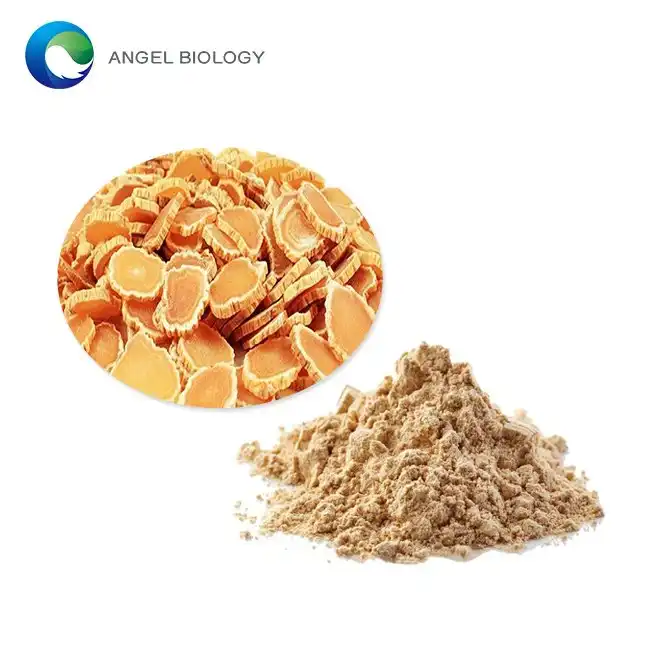
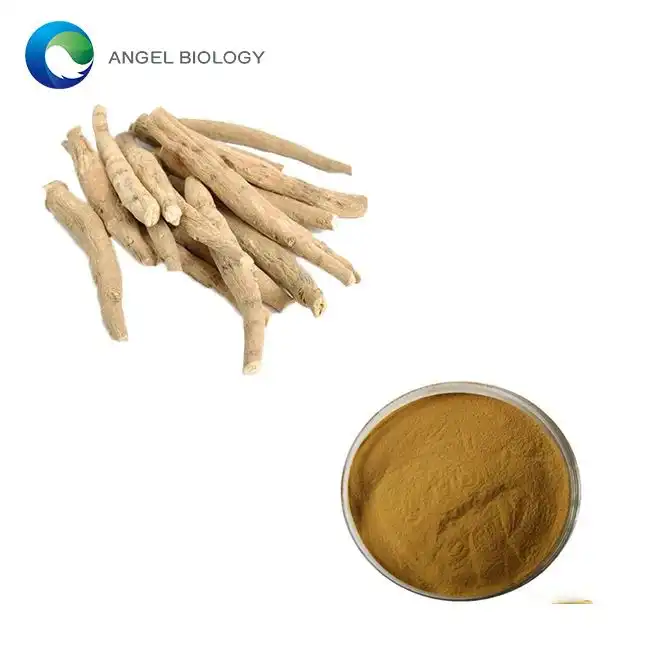
To get from raw root to standardized extract, you have to follow a lot of complicated steps. Most of the time, manufacturers use extraction systems that work with either water or ethanol to separate the active saponins from the dense cellulose matrix of ginseng roots. The ginsenosides can be up to 80% stronger with this method. It also gets rid of unwanted plant parts, heavy metals, and pesticide residues that used to be common in raw ginseng supplies. The fine powder that is made soaks up water. If it is made from steamed and dried red ginseng or white ginseng that has been left to dry in the air, it can be light yellow to brownish yellow. It's easy to mix particles that go through an 80-mesh sieve 95% of the way into different formulation matrices.
Key Bioactive Compounds: Ginsenosides
Ginseng is good for you because it has chemicals called panaxosides and ginsenosides that work to make it healthy. These dammarane-type saponins come in different types, which are named Rb1, Rb2, Rc, Rd, Re, Rf, and Rg1. Each one makes the body feel different ways. One of the most accurate ways to measure these ginsenosides is with high-performance liquid chromatography (HPLC). This is because older UV spectrophotometry methods only measure the total saponin content, which includes breakdown products. How the extract can be used is based on the specific ginsenoside profile. Some chemicals, like Rb1 and Rg1, have been looked into because they help neurons stay healthy and fight fatigue. Because of this, they are great for adding to sports nutrition mixes and supplements for brain health.
Physical and Chemical Specifications
For formulations to work, they must have certain technical properties. Panax Ginseng Extract Powder of high-quality extract powder. It has a bulk density of 0.45g/ml to 0.65g/ml, which changes how it mixes and how well it blocks. The best grades mix easily with water and, at a concentration of 1g per 100ml, make clear solutions. This is an important property for beverage applications where cloudiness or sedimentation can make it hard to mix the ingredients. Between 3 and 7 on the pH scale doesn't change how stable the extract is. It does, however, break down when heated above 120°C or when it is very acidic. For formulating, this stability profile helps them pick the best processing conditions and ingredients that work well with each other. To keep the powder from clumping, it needs to be kept in a controlled humidity environment with a relative humidity of less than 60%. This way, it can still be poured during production.


Common Uses and Applications in Industries
Panax Ginseng Extract Powder is an important part of a lot of different kinds of manufacturing because it can be used in a lot of different ways. The adaptogenic properties of this plant are in line with the latest wellness trends that focus on natural, useful ingredients. Adaptogens are substances that are thought to help the body deal with different types of stress.
Nutraceutical and Dietary Supplement Formulations
Supplement companies put ginseng extract in multivitamin mixes, energy pills that work on their own, and special formulas for men's health. For fast tableting, it's very important that the extract can be squished and flow easily. A lot of procurement managers like direct compression (DC) grades because they don't need wet granulation. This keeps the tablet's shape while cutting down on production costs. Because the extract is concentrated, it gives manufacturers a way to make smaller capsules that still contain clinically relevant doses. This benefit of concentration is especially helpful in mixed products where the amount of each ingredient that can be used is limited by space. Researchers have found that ginseng extract may help with endurance, so sports nutrition companies are using it in pre-workout mixes and other products.
Cosmetic and Personal Care Applications
Ginseng extract is liked by cosmetic chemists because it can help the body make more type I procollagen. This supports claims that high-end skin care lines can slow down the aging process. For older skin, the extract is used in serums, creams, and masks. The extracts must not have any solvents in them and have very little methanol or ethanol left over (usually less than 5000ppm) for them to work as cosmetics. Also, they should be light so that delicate emulsions don't get stained. The plant pigments are removed through ultrafiltration, but the ginsenoside content is kept. This fixes problems with the stability of the formulation. Ginseng extract comes from plants, which is good for natural cosmetic brands because it appeals to people who don't want to use natural ingredients. People who say the product will make your skin look younger, healthier, and brighter are telling the truth.
Functional Food and Beverage Innovation
Botanical extracts make things more difficult for people who make drinks. A certain way has to be used to process ginseng because it is bitter and can sink to the bottom of clear drinks. It is now possible to add to energy drinks, nootropic shots, and functional teas without changing the taste or look, thanks to new debittering methods and better cold-water solubility. People who care about their health and want easy ways to stay healthy put ginseng extract in candies, bars, and other sweets to make them more appealing. Because the temperature changes how stable the extract is while it's being baked and extruded, the process needs to be carefully fine-tuned. For these uses, it's still very important to get food-grade certifications and follow FDA GRAS (Generally Recognized as Safe) rules.
Comprehensive Benefits of Panax Ginseng Extract Powder
Panax Ginseng Extract Powder may be good for you in many ways, but different studies have shown different things. The people who buy things can make decisions that are in line with what the product says is true when they know both the strengths and weaknesses of the evidence.
Energy and Cognitive Function Support
Ginseng has been linked to health for a long time, both mental and physical. Some clinical studies say that ginsenosides may change neurotransmitter systems and make the brain work better, especially when the mind is tired. A few researchers believe that the adaptogenic mechanism changes the HPA axis, which helps the body stay balanced when it is stressed. For formulations that are good for brain health, ginseng extract is often mixed with things like B vitamins and amino acids that work well together. People who want a balanced way to get energy, like the extract, is known to give them long-lasting energy without making them feel jittery like drinking a lot of caffeine does.
Immune System Considerations
Studies that have looked into how ginseng affects the immune Panax Ginseng Extract Powder system have come to different conclusions. In some studies, ginsenosides may change how immune cells work. However, more research needs to be done to find out what this means for patients. Companies that make products to boost the immune system often add ginseng as part of complex mixtures that also contain other plant-based nutrients and extracts. Pay close attention to what the government says if you want to make claims about your products that are true. It is against the law for the FDA and FTC to make claims about structure-function. Manufacturers need to make sure that the language they use in their ads doesn't break any laws while still making it clear what their products can do for people.
Applications in Men's Health Products
Because it has been used for a long time and people know it works, ginseng extract is often found in supplements for men's health. Different parts of men's health are still being studied by researchers, but businesses that make goods need to be very careful about how they market and talk about their goods. The well-known reputation of the ingredient in this category can help build a brand when it is used with clear labels and good sourcing.
Safety Profile and Usage Considerations
When taken in the amounts that are suggested, ginseng extract is generally safe. They should be thought about, though, because they might not work well with some medicines. Talk to your doctor before using ginseng products if you are taking blood thinners, diabetes medicines, or medicines that weaken your immune system. Some users say they have mild side effects, like stomach pain or trouble sleeping, especially when they take more of the drug. The recommended daily dose for standardized extracts with 4-7% ginsenosides is usually between 200 mg and 400 mg. The exact dose depends on how it is used and how much ginsenosides it contains. Product designers should make sure that their products come with clear instructions on how to use them and the right kinds of warnings to keep people safe and on the right track.
How to Use Panax Ginseng Extract Powder Effectively
If you want to make a good product, you need to know how to best include Panax Ginseng Extract Powder in different types of delivery. How the extract is processed and what the end product tastes like depend on its physical properties.
Dosage Guidelines for Different Applications
Every day, oral supplements usually have between 100 mg and 600 mg of ginseng root extract. The exact amount varies based on the ginsenoside standardization levels. When the standardization percentage is higher, the total amount of extract that is used stays the same, but active compounds are still delivered. When you take capsules or tablets, you can precisely control your dose. But when you chew on pills or mix powder into drinks, you need to think about how they will taste.
Formulation Flexibility and Innovation Opportunities
With powder, there are a lot of new ways to make products better. These capsules keep the extract from breaking down and cover up the taste when you take them by mouth. It's possible to squeeze the extract, which is good for making tablets, but formulators need to know that it soaks up water when choosing ingredients and deciding how to store it. Solubility and stability need to be carefully thought out when they are used in drinks. Microencapsulation or spray-drying with carrier materials can help with dispersibility in cold water systems. Changing the pH and adding chelating agents can stop precipitation in acidic drink mixes. The flavors in protein shakes and smoothie powders cover up any bitterness that might still be there, so the ginseng extract works well in those foods. It is important to test topical formulations with emulsion systems to see if they work. Adding the water phase to the extract makes creams, lotions, and serums that mix well. The mixture is slowly mixed, so air doesn't get in. Systems for preserving plants need to think about how certain preservatives might react with the plants. This means that the stability needs to be checked over the time it will be stored and for how long it will last.
Key Considerations When Procuring Panax Ginseng Extract Powder
Panax Ginseng Extract Powder: tech terms and business terms are both important for procurement. More than just the price per kilogram can change the quality of a product and its total cost of ownership.
Quality Differentiation: Organic vs. Conventional
To get people who like natural products to buy from a brand, getting organic certification is helpful, but it costs more. The USDA or the EU sets standards for certified organic ginseng extract. These standards say that synthetic pesticides or GMO materials can't be used on the plant or in the processing of it. It might be less expensive to use regular extracts that still meet USP and EP quality standards for heavy metals, microbial limits, and pesticide residues.
Comparing Ginseng Types: Panax vs. American Ginseng
Panax ginseng, which grows in Asia and Korea, and Panax quinquefolius, which grows in the United States, are chemically different. They are traditionally used for different things because their ginsenoside profiles are different. More Rg1 is found in Panax ginseng, which is usually linked to energizing effects. More Rb1 is found in American ginseng, which is usually linked to calming effects. This chemical difference changes where a product is sold and who it's meant for.
Certification and Compliance Requirements
To sell different kinds of goods in different Panax Ginseng Extract Powder international markets, you need to get different kinds of certifications. These are some common requirements:
- Halal and Kosher certifications expand market access to specific consumer demographics.
- NSF or Informed Choice certifications prove essential for sports nutrition products, verifying the absence of banned substances.
- GMP certification from FDA-registered facilities or international equivalents demonstrates manufacturing quality controls.
- USDA Organic or EU Organic certifications command premium positioning for natural brands.
Full documentation packages should be sent by suppliers. These should include specification sheets, allergen statements, BSE/TSE declarations, GMO-free statements, and regulatory status letters that show they are following the rules in the target market.
Supply Chain and Pricing Dynamics
A lot of things affect the price of ginseng extract, like crop yields, how standardized the ginsenoside is, how hard it is to process, and how much demand there is in the market. Korean red ginseng extracts have been around for a long time and are hard to make, so they cost a lot. You can use white ginseng extracts instead, which are cheaper and have slightly different ginsenoside profiles. When you buy in bulk, you can usually save money and be sure you have a steady supply while planning your production. But people who want to buy a lot of things have to think about how much it will cost to store them and how long the goods will last. If you store ginseng extracts the right way, they should be stable for 24 months. However, testing is needed to confirm the exact shelf-life parameters. Lead times are different for each supplier and depend on the size of the order. For well-known suppliers, they are usually between 3 and 8 weeks. It is important for strategic buyers to have a backup supply on hand in case something goes wrong with the supply chain. They also work with many qualified suppliers to make the chain more stable.
Conclusion
Panax Ginseng Extract Powder is useful in nutraceuticals, cosmetics, and functional foods because it has a standard amount of ginsenoside and can be mixed with many other ingredients. When you're buying something, you should know the technical differences between extract grades, look at more than just price, and make sure that the quality documentation is complete and meets the needs of the target market. People have heard of the extract, and more studies are being done to find out how it works. This makes it a good ingredient for wellness brands that want to stand out in a market that is full of them. When companies work with reliable suppliers who offer technical support, consistent quality, and clear sourcing practices, they can make new products that meet government rules and meet consumer expectations for natural, effective ingredients.
FAQ
1. What distinguishes Panax ginseng extract from Korean ginseng extract?
People often use these words to refer to the same type of plant: Panax ginseng C.A. Meyer—most of it grows in Siberia, China, and Korea. The name "Korean ginseng" makes it clear where the plant comes from, and it can fetch a higher price because of its traditional reputation and the way it is processed, which is similar to how red ginseng is made. Labeling based on location is not as important as the ginsenoside profile and standardization level.
2. What concentration of ginsenosides should I specify for supplement formulations?
Based on HPLC tests, the normal range for ginsenosides is between 4% and 20%. When the concentration is higher, less extract needs to be given per dose to get the active compound to work. The right specifications should be chosen based on your target dose, how you want to word the label, and how much it costs. Talk to your formulation team about how to find a balance between making the product work well and not being able to do certain things with it.
3. Can ginseng extract interact with other ingredients or medications?
Ginseng might not work well with some medicines that lower your immune system, thin your blood, or treat diabetes. There should be warnings on product labels that tell people to talk to their doctors before taking medicines. Testing for compatibility in formulations makes sure that ginseng extract stays stable with other active ingredients for the whole time that the product is stored normally.
Partner with Angelbio: Your Trusted Panax Ginseng Extract Powder Manufacturer
Because it does its own research and development and has strict quality Panax Ginseng Extract Powder control, Angelbio has been a reliable source for Panax Ginseng Extract Powder for 18 years. A foundation that we share with Angel Holding Group and the Institute of Life and Health Research at Xi'an Jiaotong University was set up. This lets us use cutting-edge tools for extraction and analysis that are up to par with international standards. Standardized ginseng extracts with confirmed ginsenoside profiles, full documentation packages, and technical support as you make your product are all things we can offer. Our team gives you consistent quality that fits your brand's needs, whether you need a lot for mass production or help making formulas that are just right for a certain use. Contact us right away at angel@angelbiology.com to talk about your needs, get samples, or find out all the details.
References
1. Kim, J.H., et al. (2018). "Ginsenosides: Chemistry, Biosynthesis, Analysis, and Pharmacological Activities." Journal of Ginseng Research, 42(3), 264-269.
2. Leung, K.W. & Wong, A.S. (2020). "Pharmacology of Ginsenosides: A Literature Review." Chinese Medicine, 15(1), 20-35.
3. Smith, T., et al. (2019). "Quality Control of Herbal Dietary Supplements: Analytical Methods and Challenges." Journal of AOAC International, 102(2), 448-457.
4. Park, S.K. & Lim, D.S. (2021). "Processing Technologies for Ginseng Extract Production: Impact on Bioactive Compound Retention." Food Science and Biotechnology, 30(4), 501-512.
5. European Pharmacopoeia Commission (2022). "Ginseng Radix: Monograph 1523." European Pharmacopoeia, 11th Edition.
6/ Baeg, I.H. & So, S.H. (2020). "The World Ginseng Market and the Ginseng Industry." Journal of Ginseng Research, 44(1), 1-7.