




7 Rutin Benefits + Foods, Supplement
Rutin Powder is always rated as one of the best and most useful things on the market when it comes to natural bioflavonoids that have been shown to be good for your health. Some beautiful plants that have rutin are buckwheat and the flower buds of the Sophora japonica plant. It's a strong antioxidant that keeps inflammation down and helps blood vessels. This detailed guide talks about seven benefits that have been proven to work. It also offers the best food sources, makes supplementation clear, and talks about important things to think about when buying. If you know all about rutin's benefits, you can help anyone, from a researcher who is making new supplements to a beauty chemist who is making anti-aging serums better. It makes picking the right raw materials a smart way to stay ahead of the competition.
What Is Rutin Powder? Understanding Its Origins and Nutritional Value
Chemical Identity and Plant Sources
You can find rutin in nature as quercetin-3-O-rutinoside. It is a flavonoid that is glycosylated and has the formula C27H30O16. This bioflavonoid glycoside is mostly found in the flower buds of the Japanese pagoda tree (Sophora japonica). However, buckwheat, citrus peels, and some medicinal herbs also have a lot of it. Some ways use solvents to get rid of the material. It then crystallizes into a yellow to greenish-yellow powder that melts at 176°C to 178°C. Good rutin doesn't mix well with water, but it does mix with booze a little. This means that micronization or co-solvent methods must be used to make the product.
Nutritional Profile and Antioxidant Capacity
In older books, rutin is sometimes called "Vitamin P." It is very important to make capillaries less soft and porous. That's because it has a lot of hydroxyl groups that fight free radicals and stop the breakdown of lipids. Superior-grade Rutin Powders carefully follow pharmacopoeial standards like NF11, DAB10, and EP, making sure that the amount of quercetin aglycone is less than 4.0% and that there aren't any solvents left over. The bioflavonoid is known to have UV absorption peaks at around 257 nm and 358 nm. These are checked for accuracy during quality control tests. Formulation scientists can use this molecular design to make a vasoprotective product from plants that doesn't contain any heavy metals or man-made ingredients.
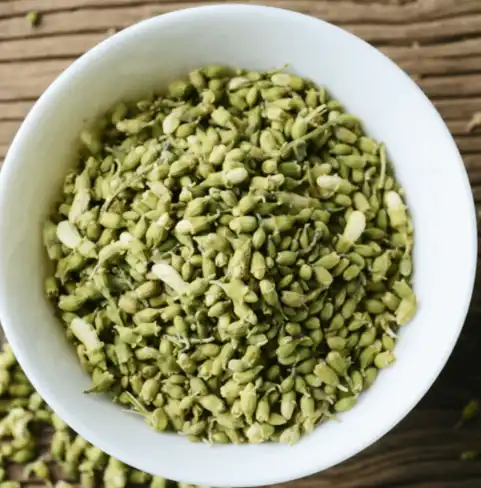
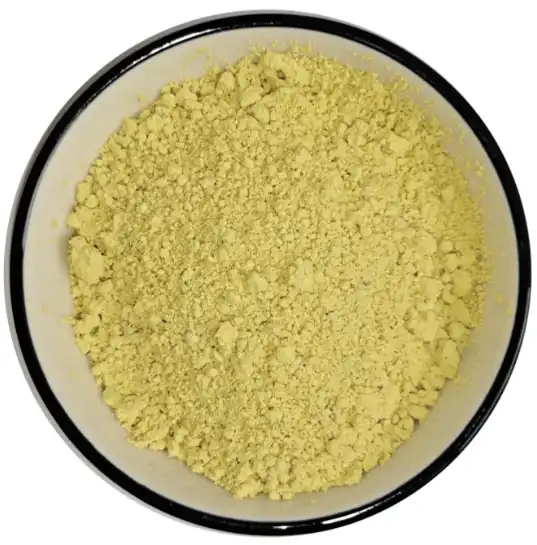
7 Proven Health Benefits of Rutin Powder for Enhanced Wellness
Strengthens Blood Vessels and Circulatory Function
Because it strengthens capillary walls and lowers leakage, rutin powder is very good for the health of arteries. Human studies have shown that it can stop platelets from sticking together and stop fluid from leaking into nearby tissues. This lowers the swelling that comes with having ongoing vein problems. The venotonic properties of rutin, especially when mixed with vitamin C, help make medicines for heart health more soluble and help the body make collagen in the linings of blood vessels.
Delivers Potent Antioxidant Protection
Rutin powder changes the COX-2 pathway and gets rid of free radicals to fight oxidative stress at the cellular level. You can use this method to keep protein structures steady and lipid membranes from getting damaged by peroxidation. It is very useful for food and drink applications. Rutin is liked by brands that make organic energy bars and health drinks because it keeps its antioxidant power even after being heated up and then flattened.
Supports Healthy Inflammation Response
Rutin's anti-inflammatory traits change how defense cells talk to each other and stop the release of cytokines that cause inflammation. Inflammation pain can be eased by this bioflavonoid without adding any man-made drugs, which is great for the clean-label trend. It is used by sports nutrition companies in mending recipes to help reduce swelling after exercise and make joints more comfortable, which is great for busy people.
Enhances Skin Health and Anti-Aging Properties
In makeup, rutin stops UV light from breaking down collagen and keeps skin networks steady in mixes that are very complicated. Researchers have found that rutin can slow down aging and protect against sun damage. This is because it is both an antioxidant and a UV absorber. Microencapsulation technologies stop oxidation and precipitation in water-based formulas. This makes sure that the formula stays solid over time and performs well across batch production.
Promotes Metabolic Balance
There is a new study that shows rutin changes the ways cells use glucose and makes them more sensitive to insulin. Companies that make functional supplements that help the metabolism, like how rutin can work with other plant-based ingredients to make the recipes better all around. Controlled particle size distribution—about 95% of the particles pass through an 80-mesh screen—makes sure that the particles mix evenly and break down at steady rates in the stomach.
Boosts Immune System Function
By stopping reactive breakdown in the gut and making it easier for nutrients to be taken in, rutin makes vitamin C more accessible. Because of this, rutin is a key part of vitamins that help the immune system, especially during holiday health programs. This relationship is important to companies that make supplements because it helps them make high-end mixes that give users measured benefits.
Supports Cognitive and Neurological Function
New studies show that rutin may help protect neurons by reducing oxidative damage in nerve cells and improving blood flow to brain parts that need it. Pharmaceutical R&D teams that are looking into natural chemicals for brain health are keeping an eye on rutin as a possible extra ingredient in brain-health goods. This is because more research needs to be done.
How to Use Rutin Powder: Dosage, Forms, and Safety Considerations?
Recommended Dosage Guidelines
A lot of people take vitamins every day. To help their bodies absorb them better, they do so in several doses, each 500 mg to 2,000 mg. When it comes to pharmaceuticals, rutin content is often standardized to make sure that doses are exact. On the other hand, supplement makers try to find a balance between usefulness and user compliance. Rutin doesn't mix well with water, so people who make goods need to think about how to make them accessible. To do this, they often mix rutin with chemicals that help the body absorb it better or use more advanced ways to get the drug to the right places.
Available Forms and Formulation Choices
Rutin Powder is the main ingredient, and it's simple to add to liquid solutions, pills, and tablets. Because you can mix items in exact amounts that work well together, powder form lets you make the most unique recipes. Putting things in capsules makes them easier to use and hides the slightly bitter taste of rutin, which makes it easier for people to accept. When makers pick a form, they think about how they want to place their goods, how much it will cost to make, and the people they want to sell to.
Safety Profile and Contraindications
A lot of different types of people can handle routine in the amounts that are recommended. A very small number of people have had mild stomach problems after they took more. For people who take blood thinners, rutin helps platelets stick together. They should talk to their doctors about this. It is very important for quality control teams to only buy rutin powders that come with all the safety information that goes with them, like toxicology results and allergy tests. This keeps people safe by making sure the powders follow all the rules.
Comparing Rutin Powder with Related Bioflavonoids and Vitamins
Rutin Versus Quercetin and Hesperidin
Quercetin makes up the aglycone backbone of rutin. It is more steady and accessible because of the rutinose sugar that is linked to it. Hesperidin, a bioflavonoid found in citrus fruits, helps blood vessels in some of the same ways that rutin does, but it doesn't improve capillaries as much. Formulators look at how well each ingredient melts, how stable it is, and what benefits it is meant to give when they mix more than one ingredient. To make bioflavonoids work better in the body, they are often mixed together.
Synergy with Vitamin C
Vitamin C and rutin have been studied together a lot in the field of nutrition science. Besides keeping ascorbic acid safe from environmental damage, rutin also helps make collagen, which is important for keeping blood vessels healthy. This link is the basis for formulating products that help the immune system, the heart, and your inner beauty.
Organic Versus Synthetic Rutin Considerations
People want products that are grown without pesticides and in a way that doesn't harm the environment. Organic Rutin Powder meets that need. It's harder to buy things that have been approved as organic, but names that have them stand out in markets for natural goods. Even though manufactured rutin might be purer, it is hard for people to understand because it is biologically the same as natural rutin. Organic goods made from plants are becoming more and more popular on the market, especially in the beauty and vitamin categories.
Sourcing and Procuring Rutin Powder for B2B Clients
Identifying Reputable Suppliers and Quality Certifications
It is more likely that a seller will get a deal if they can show a lot of quality proof, such as certificates of analysis, pharmacopoeial compliance, and evidence from a third-party test. ISO 9001, GMP, HACCP, and, if needed, organic certificates are all very important qualifications. You can be sure of quality and follow the rules if you can follow the process from the plant source to extraction and cleaning. Formulation variance risks are kept to a minimum when providers test each batch thoroughly to show that it is stable from one batch to the next.
Bulk Purchasing Strategies and MOQ Considerations
Most of the time, the minimum order size is between 25 kg and 100 kg, but if you're a regular customer and place a lot of orders, established suppliers are ready to be creative. Prices depend on the quality grade, with pharmaceutical-grade rutin powder costing more than food-grade choices. To properly manage your collection, you need to find the balance between saving space and keeping enough items on hand. When you store rutin, make sure it is in a dark, dry place because it is sensitive to light and soaks up water.
Evaluating Extraction Methods and Purity Standards
It makes a big difference in the quality of the end result how the solvent is removed. In favor of clean labels, ethanol-based ways work well, and checking for residue solvents makes sure that methanol levels stay below 3,000 parts per million. To get rid of plant impurities and lower the amount of quercetin aglycone, advanced processing methods are used. This leaves rutin numbers of 95% or more. When you know these technical details, you can choose to buy things that will work for a certain purpose.
Conclusion
Rutin Powder is an important bioflavonoid for heart health, antioxidant defense, controlling inflammation, and skin healing. It can be found in a lot of different things, from makeup and healthy foods to medicines that protect blood vessels and nutritional supplements. When you buy something, it's important to think about things like pure standards, extraction methods, licenses, and how stable the seller is. As clean labels and natural ingredients become more popular, rutin will be an important part of the next generation of health and fitness goods because it comes from plants and has been shown to work.
FAQ
1. What is the typical shelf life of high-quality rutin powder?
If stored properly, which means out of the sun, at temperatures between 15°C and 25°C, and with humidity below 60%, premium rutin powder will remain useful for 24 to 36 months. Light-proof packaging in nitrogen-flushed cases keeps things from breaking down and keeps antioxidants working. Regular steady tests make sure that the assay percentages stay within the acceptable range for the whole shelf life.
2. Can rutin powder be combined with other supplement ingredients safely?
A lot of the vitamins, minerals, and plant products that you can find in supplements work well with rutin. Because they work together, it works better with vitamin C. When formulators mix rutin with iron salts or very alkaline compounds, they need to do stability studies. This is because changes in pH can affect how well the compounds break down and how stable the color is.
3. How do I assess purity levels when sourcing bulk rutin powder?
Ask for Certificates of Analysis that clearly show how much rutin, quercetin aglycone, heavy metals, bacteria, and liquid that was left over after HPLC testing. There are rules that say rutin has to be more than 95% pure and quercetin has to be less than 4% pure. You can be more sure of the claimed specs and batch accuracy if they are checked by a third-party lab.
Partner with Angelbio for Premium Rutin Powder Supply
Angelbio combines the best research from Xi'an Jiaotong University's Institute of Life and Health Research with 18 years of private research and development experience to create top grade Rutin Powder that meets the highest quality standards. Our high-tech ways for extracting and cleaning make sure that the purity level stays above 95%. This is supported by a lot of scientific research and full paperwork from the government. As a reliable Rutin Powder provider, we help nutraceutical brands, cosmetic formulators, and functional food makers by having low prices, flexible minimum order amounts, and reliable supply chain management. Our quality control steps include making sure they are the same from one batch to the next, testing them for safety, and making sure they meet international standards like ISO 9001. Whether you're making healthy drinks, anti-aging skin care items, or heart-healthy pills, our team of experts can help you come up with ideas and make them happen. You can email Angelbio at angel@angelbiology.com to talk about your specific needs and find out how our services as a high-purity Rutin Powder provider can help your product stand out and find its place in the market.
References
1. Ganeshpurkar, A., & Saluja, A. K. (2017). "The Pharmacological Potential of Rutin." Saudi Pharmaceutical Journal, 25(2), 149-164.
2. Kreft, S., Knapp, M., & Kreft, I. (1999). "Extraction of Rutin from Buckwheat (Fagopyrum esculentum Moench) Seeds and Determination by Capillary Electrophoresis." Journal of Agricultural and Food Chemistry, 47(11), 4649-4652.
3. Choi, S. J., Lee, S. N., Kim, K., & Joo, S. S. (2013). "Rutin Protects Against UV-Induced Photoaging by Attenuating MMP Expression and Type I Procollagen Production." Experimental Dermatology, 22(10), 667-671.
4. La Casa, C., Villegas, I., Alarcón de la Lastra, C., Motilva, V., & Martín Calero, M. J. (2000). "Evidence for Protective and Antioxidant Properties of Rutin, a Natural Flavone, Against Ethanol Induced Gastric Lesions." Journal of Ethnopharmacology, 71(1-2), 45-53.
5. Park, C. H., Noh, J. S., Kim, J. H., Tanaka, T., & Yokozawa, T. (2011). "Rutin Increases the Serum and Liver Levels of Insulin-Like Growth Factor-I in Diabetic Rats." Journal of Agricultural and Food Chemistry, 59(20), 11321-11328.
6. Enogieru, A. B., Haylett, W., Hiss, D. C., Bardien, S., & Ekpo, O. E. (2018). "Rutin as a Potent Antioxidant: Implications for Neurodegenerative Disorders." Oxidative Medicine and Cellular Longevity, 2018, Article ID 6241017.
YOU MAY LIKE
 VIEW MORECeramide Powder
 VIEW MOREErgothioneine Extract Powder
 VIEW MOREPolygonum Cuspidatum Extract Powder
 VIEW MOREBulk Polygonum Cuspidatum Extract Powder
 VIEW MOREAcerola Cherry Extract Powder
 VIEW MOREBlack Elderberry Extract Powder
 VIEW MOREL-glutathione Powder
 VIEW MOREWhite Willow Bark Extract Salicin