



98% Apigenin Powder Spec Deep Dive for Cosmetic and Supplement Buyers
If you are obtaining high-purity botanical actives for cosmetic or supplement formulations, apigenin powder at 98% purity is worth considering. This crystalline flavonoid is often derived from chamomile flowers (Matricaria chamomilla) or parsley (Petroselinum crispum). Chemically, it is 4’,5,7-trihydroxyflavone (CAS: 520-36-5). When specified at 98% purity and HPLC-verified, it offers defined active content, clean-label positioning, and batch-to-batch consistency compared with lower-standardized botanical extracts. Smart procurement begins with knowing the precise specification of this ingredient, whether you are formulating cosmetic products or developing botanical-based supplement formulas.
Understanding 98% Apigenin Powder: Composition and Functional Properties
Molecular Structure and Purity Standards
Apigenin is a flavone (a subclass of polyphenols). It has three hydroxyl groups at positions 4’, 5, and 7, which contribute to its reported antioxidant activity in laboratory research. For commercial sourcing, an HPLC assay of ≥98% can provide a clear specification for the active ingredient. An effective CoA should validate assay value, heavy metal requirements, residual solvent levels, and microbiological parameters – important criteria for R&D directors and QA teams evaluating botanical actives.
Antioxidant and Anti-Inflammatory Activity
Published research in Phytomedicine and other publications has investigated apigenin for antioxidant and inflammation-related biological activity. For cosmetic chemists, these properties may support its use in skin-conditioning and antioxidant-oriented formulations. Supplement formulators may also consider its biological profile when developing products positioned around general wellness. At 98% concentration, the defined active content can simplify formulation calculations compared with standardized herbal extracts at 5-10%, although actual performance depends on formulation design and application conditions.

Comparing Apigenin to Related Flavonoids
Quercetin and luteolin belong to the same family of flavonoids, but apigenin is used in several specialized formulation applications. Research has examined its interaction with GABA-related pathways, which has contributed to interest in relaxation and sleep-oriented supplement research. Apigenin has also been investigated for CD38-related activity and its possible relevance to NAD+ metabolism, although these findings remain an area of ongoing research. Compared with broader chamomile extracts, isolated apigenin provides a more defined ingredient specification for formulators evaluating composition, purity, and application requirements.
Comparing Apigenin Powder with Other Forms and Flavonoid Supplements
Powder vs. Extract vs. Capsule: What Matters for OEM
For OEM projects purchasing at scale, format choice affects cost and formulation results. Before making large orders, here are the basic changes in format to know:
98% crystalline apigenin powder offers defined active content and may be used for capsule filling, tablet pressing, and cosmetic formulation. Depending on the formulation, additional carriers or solubilization systems may still be required.
Standardized chamomile extract (e.g., 1.2% or 5% apigenin) has the advantage of a broader plant matrix but contains a lower concentration of the specified active, which may require more material to reach a target active level.
Pre-filled capsules are easy for purchasers of completed products, but don’t give formulators the same flexibility to adjust concentration or combine the ingredient with other actives.
The preferred format for R&D and procurement teams working on proprietary formulae may be 98% powder when a defined active concentration is important. When comparing suppliers, calculate the actual active content and total formulation cost rather than evaluating price per kilogram alone.
Apigenin vs. Hesperetin, Luteolin, and Chamomile Flavonoids
Each flavonoid has its own compositional and functional profile. Luteolin is widely researched in antioxidant and cellular-function applications, while hesperetin is commonly studied in flavonoid and botanical formulations. Flavonoid mixes from chamomile provide a broader plant matrix but contain multiple naturally occurring compounds rather than a single defined active. Buyers looking for a standardized ingredient with a clearly stated assay – especially for sleep-oriented, skin-care, or NAD+ research-based formulations – can evaluate high-purity apigenin powder according to purity, source, analytical data, and intended application.
Supplier Comparison: Purity and Third-Party Verification
Not all apigenin sources are specified in the same way. Key differentiators include whether the supplier offers third-party laboratory verification, C-14 carbon dating where natural-origin verification is required, and batch-specific CoAs. Angelbio supplies plant-derived apigenin powder with analytical documentation designed to help buyers evaluate ingredient identity, purity, and sourcing information for their target markets.
Procurement Insights: Buying 98% Apigenin Powder for Bulk and OEM Use
Supplier Selection Criteria
The most essential technical criterion in assessing an apigenin powder provider is batch-to-batch uniformity. Request CoAs for multiple manufacturing lots and compare HPLC assay results, moisture content, and particle size data. Suppliers should be able to discuss standard 80-mesh and micronized grades (such as D90 < 10 microns) according to your application requirements. Sample minimum order sizes and commercial quantities vary by supplier, packaging format, and sourcing program, so confirm these details before placing an order.
Pricing, Lead Times, and Storage
The price of bulk 98% apigenin powder depends on order quantity, grade, origin, analytical requirements, and packaging. Lead times vary according to stock availability, production scheduling, and order volume. Storage should minimize exposure to light, moisture, heat, and air, using appropriately sealed packaging under the supplier's recommended conditions. Shelf life should be confirmed from the supplier's specification and stability data, with re-testing considered when material is stored for extended periods.
Regulatory Documentation and Compliance
US-market purchasers may request comprehensive documentation such as CoA, Safety Data Sheet (SDS), country-of-origin information, and other product-specific technical documents. If you are developing dietary supplements or cosmetic products, verify that the ingredient, intended use, labeling, and documentation meet the requirements applicable to your target market. For cosmetics, also confirm that the ingredient can be appropriately documented for the intended product category and market.
Application Scenarios: Using 98% Apigenin Powder in Cosmetics and Supplements
Cosmetic Formulation: Skin-Conditioning and Antioxidant-Oriented Products
In topical formulations, apigenin powder may be evaluated for use in serums, creams, and other cosmetic formats. Its reported antioxidant activity makes it relevant to formulations focused on skin conditioning and environmental-stress positioning. Liquid systems should be developed according to the overall formulation's pH, solubility, compatibility, and stability requirements, while suitable packaging can help limit unnecessary exposure to light and air.
Supplement Dosage and Formulation Guidelines
Research literature has explored a range of apigenin intake levels, but there is no single universal daily dosage that applies to every dietary supplement product. At 98% purity, the defined assay allows formulators to calculate the amount of material required for a target specification. The substance may be evaluated alongside other botanical or nutritional ingredients, while its relatively low water solubility should be considered when developing functional drinks or other water-based formats. Solubilization, dispersion, or delivery technologies may be needed depending on the final formulation.
OEM/ODM Success in Practice
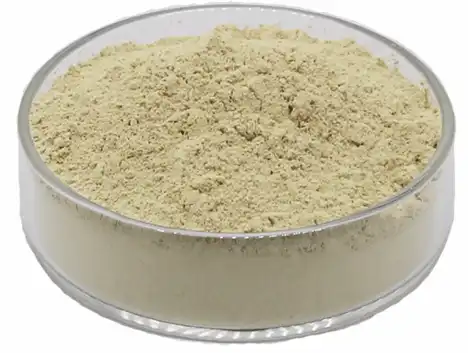
Brands developing products with high-purity apigenin may consider its defined assay and crystalline appearance when designing supplement and cosmetic products. Its pale-yellow crystalline appearance can be suitable for certain capsule and light-colored formulation formats, although final appearance depends on the complete formula, processing conditions, and packaging. For OEM projects, consistent specifications and reliable technical documentation can be as important as ingredient appearance when moving from samples to commercial production.
Ensuring Quality and Safety: What B2B Buyers Must Know
Third-Party Testing and Lab Interpretation
A practical approach to verify incoming material is independent testing. Request HPLC chromatograms together with the CoA when purity verification is important, rather than relying only on reported results. Contaminant testing may include heavy metals such as lead, arsenic, cadmium, and mercury, as well as pesticide residues and microbiological parameters according to the intended market and product specification. A responsive supplier should be able to explain the available analytical documentation and testing scope.
Building a Long-Term Supplier Relationship
Reliable supply of ingredients is as important as initial quality. Protect your production schedule and brand consistency by establishing a supplier qualification procedure with batch reviews, periodic verification testing, and defined communication processes. Suppliers with technical R&D capabilities and experience in botanical ingredients may also provide useful support when addressing formulation, analytical, or sourcing questions.
Authenticity Verification: Natural vs. Synthetic
The US clean-label market has growing interest in plant-based ingredient positioning. Radiocarbon dating can sometimes help distinguish modern biological carbon from fossil-derived carbon, making it a useful tool when natural-origin verification is relevant to the product's positioning. If natural-origin claims are important to your brand, request appropriate supporting documentation and confirm that the analytical method matches the claim being made.
Conclusion
98% high-purity apigenin powder provides cosmetic chemists and supplement formulators with a well-characterized flavonoid featuring a defined active content and a clear specification profile. From skin-conditioning formulations to botanical supplement concepts and research-oriented applications, the ingredient can support product development where consistent composition is important. Its commercial value depends on appropriate sourcing, analytical verification, documentation, and supplier communication. Angelbio provides technical sourcing support and specification-focused documentation to help buyers evaluate apigenin powder for their target applications and markets.

FAQ
1. What is the recommended daily dose of apigenin in supplements?
Research literature has explored different intake levels of apigenin, but a universal daily dose cannot be applied to every supplement formulation. Product developers should determine the appropriate amount according to the intended use, target market, formulation design, applicable regulations, and available safety information. At 98% purity, the assay allows the required material quantity to be calculated more precisely.
2. How is apigenin powder different from chamomile extract?
Chamomile extract typically contains apigenin alongside other naturally occurring plant compounds, with the actual apigenin content depending on the extract specification. At 98% purity, isolated apigenin powder provides a more concentrated and clearly defined active, which can be useful for formulations requiring precise specification and batch-to-batch consistency.
3. Can apigenin powder be used in beverages?
Standard apigenin powder has limited water solubility, so direct incorporation into water-based beverages may present dispersion challenges. Formulators may evaluate suitable solubilization, inclusion-complex, emulsification, or dispersion technologies according to the final beverage system and stability requirements.
4. How do I verify that apigenin powder is naturally sourced?
Request appropriate origin documentation from your supplier. C-14 radiocarbon analysis can be used in certain cases to distinguish modern biological carbon from fossil-derived carbon. For a natural-origin claim, buyers should also review the ingredient source, manufacturing information, and supporting analytical documentation.
5. What particle size is best for cosmetic applications?
There is no single particle size that is optimal for every cosmetic formulation. Micronized grades may improve handling and dispersion in some systems, while the appropriate particle-size specification depends on the base, processing method, packaging, and desired product characteristics. Discuss particle-size requirements with the supplier before finalizing the specification.
Partner with Angelbio for Premium Apigenin Powder Supply
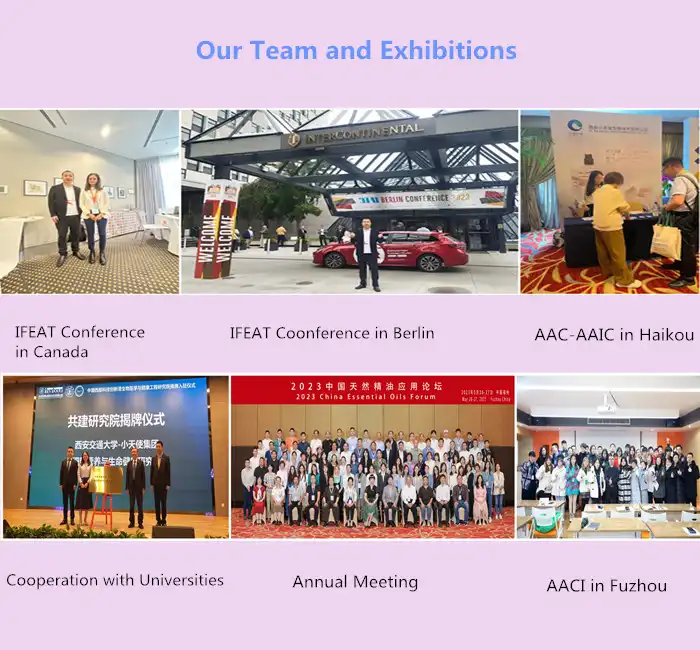
Angelbio is a supplier of apigenin powder backed by over 18 years of independent R&D and a research partnership with Xi'an Jiaotong University. Our 98% apigenin powder is supplied with COA documentation, available origin verification where applicable, and batch-specific analytical support. Whether you need samples or bulk OEM supply, our team can support specification review, documentation, and sourcing requirements for your formulation project. Contact us at angel@angelbiology.com to request a quote today.
References
1. Shukla, S., & Gupta, S. (2010). Apigenin: A Promising Molecule for Cancer Prevention. Pharmaceutical Research, 27(6), 962–978.
2. Salehi, B., et al. (2019). The Therapeutic Potential of Apigenin. International Journal of Molecular Sciences, 20(6), 1305.
3. Patel, D., et al. (2007). Apigenin and Cancer Chemoprevention: Progress, Potential and Promise. International Journal of Oncology, 30(1), 233–245.
4. Viola, H., et al. (1995). Apigenin, a Component of Matricaria recutita Flowers, Is a Central Benzodiazepine Receptor Ligand with Anxiolytic Effects. Planta Medica, 61(3), 213–216.
5. Liang, Y., et al. (2017). Bioavailability and Pharmacokinetics of Apigenin: Recent Advances. European Journal of Drug Metabolism and Pharmacokinetics, 42(5), 735–748.
6. Hertog, M. G. L., et al. (1993). Dietary Antioxidant Flavonoids and Risk of Coronary Heart Disease: The Zutphen Elderly Study. The Lancet, 342(8878), 1007–1011.