




Acerola Cherry Extract Powder: What Should Buyers Check?
When evaluating acerola cherry extract powder, buyers should treat it as a technical ingredient rather than judging it by its name or price per kilogram. The material form (whole-fruit powder, juice powder, concentrated extract, or a blend with added ascorbic acid), vitamin C content and analytical method, carrier system, performance in the finished product, and supplier documentation are five key factors to review before purchasing. Commercial grades may contain different vitamin C concentrations, with some standardized products offering approximately 17%–25% and selected higher-assay grades reaching around 34%. These values are product-specific and should always be confirmed through a batch-specific Certificate of Analysis (COA). Comparing the cost per gram of actual vitamin C can provide a more meaningful assessment of value than comparing price alone.
Understanding the Ingredient Before You Request a Quote
What Is Acerola Cherry Extract Powder?
Acerola cherry extract powder is produced from the fruit of Malpighia emarginata, a tropical fruit known for its naturally occurring vitamin C content. The fruit also contains other components, including organic acids and polyphenols. Its detailed composition can vary according to the growing region, fruit maturity, raw material selection, extraction process, drying method, and formulation of the finished powder.
Commercial products are not necessarily identical. Buyers should distinguish between whole-fruit powder, juice powder, concentrated extract, and blended products containing additional ascorbic acid. These forms differ in composition, processing, and potential applications. The reported vitamin C content should be supported by a suitable analytical method, such as high-performance liquid chromatography (HPLC) or an appropriately validated titration method, together with batch-specific documentation.
A complete ingredient evaluation should also consider microbiological quality, moisture content, sugar composition, polyphenol profile where relevant, and bulk density. These parameters help determine whether the material is suitable for the intended food, beverage, or supplement formulation.


Which Quality Specifications Should Buyers Check?
Start by defining the required ingredient identity, botanical source, plant part, processing method, vitamin C concentration, carrier system, and intended grade. Buyers should also clarify whether the material is intended for food, dietary supplements, beverages, or other applications.
Acerola powder commonly ranges from light pink to reddish or beige, depending on the raw material and processing method. Carriers such as maltodextrin or tapioca-derived ingredients may be used to improve powder handling and processing characteristics. However, the actual carrier composition should be confirmed through the product specification rather than assumed from the ingredient's appearance.
Important quality parameters may include moisture content, particle size, bulk density, vitamin C assay, microbiological limits, and relevant contaminant specifications. Some suppliers may offer moisture limits of 5% or lower and particle sizes such as 80–100 mesh, but these are examples rather than universal requirements. Buyers should select limits according to their formulation and processing needs.
Always request a current, batch-specific COA. Depending on the target market and intended use, the documentation may also cover heavy metals, pesticide residues, microbiological testing, residual solvents where applicable, and other relevant parameters. Finally, confirm the packaging material, sealing method, recommended storage conditions, and stated shelf life before placing an order.
How Should Buyers Compare Acerola with Other Natural Vitamin C Ingredients?
Acerola is one of several botanical sources used in vitamin C-containing ingredient formulations. Other options include camu camu and rosehip powders, while pure ascorbic acid is a concentrated form of vitamin C. Each ingredient has different compositional characteristics, processing requirements, flavor profiles, and cost structures.
Pure ascorbic acid generally provides a higher vitamin C concentration than botanical powders. For example, approximately 588 mg of a powder containing 17% vitamin C would provide 100 mg of vitamin C, assuming the stated assay is accurate and the calculation is based on the same reporting basis. Acerola ingredients, on the other hand, may contain naturally occurring fruit components in addition to vitamin C, depending on the material form and processing method.
The presence of polyphenols or other fruit constituents should be confirmed through suitable analytical testing. Buyers should not assume that compounds such as rutin or hesperidin are present at meaningful levels in every commercial grade or that they necessarily improve vitamin C stability. Ingredient composition and storage performance depend on the specific product.
When comparing botanical sources with synthetic or fermentation-derived vitamin C, review the ingredient identity, manufacturing information, analytical results, carrier content, and price per gram of actual vitamin C. HPLC can quantify vitamin C but does not, by itself, establish whether the vitamin C originated from acerola or another source. If source verification is important, discuss suitable traceability and analytical approaches with the supplier. Any isotope-based or other source-identification testing should be interpreted according to the method's capabilities and limitations rather than treated as automatic proof of botanical origin.
How to Test Performance and Screen Suppliers
The next step is to determine whether the supplier can consistently provide material that meets the agreed specification and whether the powder performs appropriately in your formulation. Begin by reviewing the technical documentation and confirming the key quality parameters.
How Can Buyers Evaluate Solubility, Stability, and Formulation Performance?
Do not rely only on a simple water-dispersion test. Evaluate the ingredient under conditions that reflect the intended finished product. Because acerola cherry extract powder contains water-soluble components, it can be considered for powdered beverages and other water-based formulations. However, its dispersion, dissolution, and appearance may vary with the powder's composition, carrier system, particle size, processing method, and storage history.
During formulation trials, monitor how changes in dosage, mixing conditions, drying methods, particle size, temperature, pH, oxygen exposure, and humidity affect the finished product. Beverage manufacturers should evaluate color, taste, clarity, and sedimentation throughout the intended storage period.
Acerola powder may contribute organic acids and vitamin C to a formulation, which can influence the finished product's pH. The actual effect depends on the ingredient concentration and the other components in the formula. Acidic beverages may require adjustments to flavor balance, acidity, packaging, or processing conditions. Different applications, including beverages, confectionery, tablets, supplements, and cosmetics, require different evaluation procedures.
Ask suppliers for recommended handling conditions and available stability information. Before committing to a large order, conduct small-scale trials to evaluate flavor, appearance, microbiological quality, vitamin C retention, and compatibility with the intended manufacturing process. Finished-product performance should be confirmed through testing rather than inferred from the raw material's specification alone.
What Should Buyers Check When Selecting an Acerola Powder Supplier?
A supplier evaluation should cover the manufacturing process, raw material sourcing, batch consistency, lead time, and quality-testing procedures. First, determine whether the company is the manufacturer, distributor, exporter, or trading partner. This helps clarify its control over production, documentation, technical support, and supply arrangements.
Ask the supplier for product specifications, batch-specific COAs, Technical Data Sheets (TDS), Safety Data Sheets (SDS), allergen statements, GMO declarations where relevant, and information about the country of origin. Also review available documentation for applicable quality systems, certifications, and food-safety controls according to the requirements of your target market.
For organic products, verify the validity and scope of the relevant certification, the certified product and production site, and the traceability of the raw materials. Do not assume that a product is organic simply because its botanical source is a fruit. Buyers should also check whether the carrier ingredients and processing arrangements meet their organic requirements.
For international procurement, evaluate export experience, packaging suitability, shipping arrangements, documentation support, and response times for technical enquiries. If you plan to develop an OEM or private-label product, confirm the supplier's actual customization capabilities, minimum order quantity, available packaging formats, and sample arrangements. A supplier that can provide clear technical information and timely communication can make product development and procurement more efficient.
How Should Buyers Compare Price, MOQ, and Total Procurement Cost?
A low quotation is not necessarily competitive if the products differ in vitamin C concentration, ingredient form, carrier composition, packaging, or documentation. Instead of comparing only the price per kilogram, calculate the cost per gram of actual vitamin C.
For example, 250 g of a powder containing 17% vitamin C provides approximately 42.5 g of vitamin C, while 170 g of a powder containing 25% provides approximately 42.5 g as well. If the prices are different, the cost per gram of vitamin C can help buyers compare the two products on a more consistent basis.
After calculating the active ingredient cost, consider additional expenses such as testing, shipping, storage, formulation losses, and trial production. Confirm the minimum order quantity (MOQ) for different purchasing options, including samples, trial orders, bulk packaging, and customized or certified grades.
Other factors that can influence the total procurement cost include payment terms, production lead time, delivery schedules, replenishment capacity, and the amount of safety stock required. A complete cost comparison should consider both the raw material price and the operational requirements associated with purchasing and using the ingredient.
Reducing Procurement Risk and Making the Final Decision
A structured evaluation process helps R&D, quality, and purchasing teams make a sourcing decision that can be supported by clear technical and commercial information.
What Are the Most Common Procurement Risks?
Buyers may confuse standardized extracts with whole-fruit powders, rely on unsupported marketing statements, overlook flavor and consistency issues, or select suppliers based only on price. When evaluating acerola cherry extract powder, vitamin C concentration is important, but it is not the only factor that determines suitability.
Even a powder with the required vitamin C assay may not perform well in beverages, gummies, tablets, or dietary supplements if its flavor, solubility, stability, carrier composition, or other formulation characteristics are unsuitable. Before approving a product, request batch-specific test results, review analytical documentation, and conduct application-specific formulation trials.
Regulatory requirements also vary across markets, including the European Union, the United States, and the United Kingdom. In the United States, dietary supplement manufacturers must meet applicable requirements under FDA regulations, including 21 CFR Part 111. Manufacturers should obtain appropriate supplier documentation to evaluate ingredient identity, quality, and suitability for their intended applications.
Finally, review all product specifications and marketing statements to ensure they are accurate, supported by appropriate evidence, and suitable for the target market. Claims about vitamin C content or other nutritional characteristics should be based on the finished product and the applicable labeling rules.
How Should Different Buyers Match Acerola Powder to Their Needs?
The intended application should guide ingredient selection. For dietary supplement and sports nutrition manufacturers, important considerations may include the vitamin C concentration, serving-size calculations, ingredient identity, label requirements, documentation, and finished-product characteristics.
Beverage manufacturers should focus on dissolution, clarity, flavor, color stability, sedimentation, and pH compatibility. Gummies require particular attention to the interaction between acids, pectin or gelatin, water content, and processing temperature. Tablet and capsule manufacturers should evaluate blend uniformity, flowability, bulk density, particle size, and compatibility with other formulation components.
Wholesalers and distributors may prioritize available stock, packaging formats, documentation, shelf life, and supply continuity. Cosmetic manufacturers should evaluate color, odor, formulation compatibility, and the suitability of the selected ingredient grade for the intended product. Submitting the target application and required specifications in advance helps suppliers recommend a more suitable product option.
A Practical Acerola Cherry Extract Powder Buyer's Checklist
A structured checklist can save time for both purchasing and technical teams. Before requesting a quotation, define the intended application, target market, expected annual vitamin C requirement, desired assay range, organic status if applicable, and expected delivery schedule.
When contacting potential suppliers, request product specifications, samples, relevant certificates and declarations, manufacturing information, MOQ, lead time, packaging details, and export terms. Compare the information from several suppliers using the same evaluation criteria.
Conduct small-scale formulation trials to assess vitamin C retention, flavor, appearance, odor, ease of mixing, stability, and processing compatibility. Also consider how the ingredient will be stored and handled throughout the supply chain.
Because moisture exposure may affect powder handling and product quality, use packaging appropriate to the supplier's recommendations. Double-lined polyethylene (PE) bags with suitable moisture protection may be considered, depending on the packaging specification. Storage conditions should follow the product's validated recommendations. For example, some grades may specify storage below 25°C and relative humidity below 60%, but these values should not be applied universally without supporting stability information. After opening, reseal the packaging promptly and follow the supplier's handling instructions.
Before approving the purchase, agree on the product specification, batch-release documents, inspection procedures, complaint-handling process, and communication requirements for any changes that may affect supply or quality.
How to Make the Final Purchasing Decision
Rather than focusing only on price, use a weighted evaluation system that considers active vitamin C cost, MOQ, lead time, supply capacity, documentation, technical support, customization options, safety information, and batch consistency.
A practical approval process may include reviewing supplier documents, testing samples, conducting application trials, checking quality data, comparing delivered quotations, and placing a pilot order. These steps help confirm whether the ingredient meets both technical and commercial expectations before larger-scale purchasing.
An appropriate supplier should be easy to contact, provide clear and consistent specifications, and demonstrate the ability to meet agreed quality and delivery requirements. Reliable communication, traceable batch information, and suitable technical support are also valuable when developing long-term supply relationships. This structured approach gives your team a transparent basis for selecting a supplier and explaining the final decision.
Conclusion
Selecting the right acerola cherry extract powder requires more than checking its name or comparing the price per kilogram. Commercial grades may contain different vitamin C concentrations, and their actual composition depends on the raw material, processing method, carrier system, and analytical approach. Buyers should compare acerola with ascorbic acid, camu camu, and rosehip using consistent specifications and the cost per gram of actual vitamin C.
Once the ingredient is selected, its performance should be evaluated in the intended formulation through appropriate testing of stability, flavor, appearance, pH, and processing compatibility. Supplier documentation, MOQ, lead time, packaging, and total delivered cost also influence the purchasing decision. A staged evaluation involving document review, sample testing, pilot trials, and a weighted supplier scorecard can help buyers select an ingredient that meets their specific requirements for beverages, tablets, gummies, capsules, supplements, and cosmetic formulations.
FAQ
1. What is the difference between acerola powder and acerola extract powder?
Acerola powder may refer to whole-fruit powder, juice powder, or concentrated extract powder. These forms differ in composition and processing. Extract powders may be standardized to a specified vitamin C concentration, but this should be confirmed through the product specification and batch-specific COA.
2. How much vitamin C does acerola cherry extract powder contain?
Commercial grades vary according to the raw material and manufacturing process. Some standardized products contain approximately 17%–25% vitamin C, while selected higher-assay grades may reach around 34%. These are examples rather than universal specifications. Always check the COA for the actual batch value and analytical method.
3. Can acerola powder replace ascorbic acid at a 1:1 ratio?
No. Pure ascorbic acid has a much higher vitamin C concentration than most acerola powders. The replacement amount should be calculated according to the actual vitamin C assay. For example, approximately 588 mg of a powder containing 17% vitamin C provides 100 mg of vitamin C, assuming the assay and calculation basis are consistent.
4. How should it be stored?
Storage conditions depend on the specific product and its stability data. Moisture-protective packaging and a dry storage environment are generally important. Some products may specify storage below 25°C and relative humidity below 60%, but buyers should follow the supplier's product-specific instructions. After opening, reseal the package promptly and minimize unnecessary exposure to moisture.
Request a Suitable Acerola Cherry Extract Powder Specification
Angelbio, jointly invested by Angel Holding Group and the Institute of Life and Health Research of Xi'an Jiaotong University, reports more than 18 years of independent R&D and testing experience. If you are comparing an acerola cherry extract powder supplier, share your intended application, destination market, target vitamin C concentration, estimated purchasing volume, and documentation requirements with our team.
Contact angel@angelbiology.com to discuss available specifications, sample arrangements, MOQ, lead time, and potential supply cooperation. Our team can help you evaluate suitable ingredient options for your product development and procurement needs.
References
1. Journal of Food Science and Technology, 2018: “Acerola, an Untapped Functional Superfruit: A Review on Latest Frontiers.” Verify the exact authors, title, volume, and page details before publication.
2. Trends in Food Science & Technology, 2018: “Phytopharmacology of Acerola (Malpighia spp.) and Its Potential as Functional Food.” Verify the exact article details before publication.
3. Nutrients, 2013: “Synthetic or Food-Derived Vitamin C—Are They Equally Bioavailable?” Verify the complete bibliographic information before publication.
4. Nutrients, 2017: “Vitamin C and Immune Function.” Verify the exact article title, authors, and publication details before publication.
5. AOAC International. Official Methods of Analysis. 2019. Refer to the specific method number used for vitamin C analysis rather than citing the general publication alone.
6. U.S. Code of Federal Regulations, Title 21, Part 111. Dietary Supplement Current Manufacturing Practice Requirements. Refer to the current applicable version when preparing regulatory content.
YOU MAY LIKE
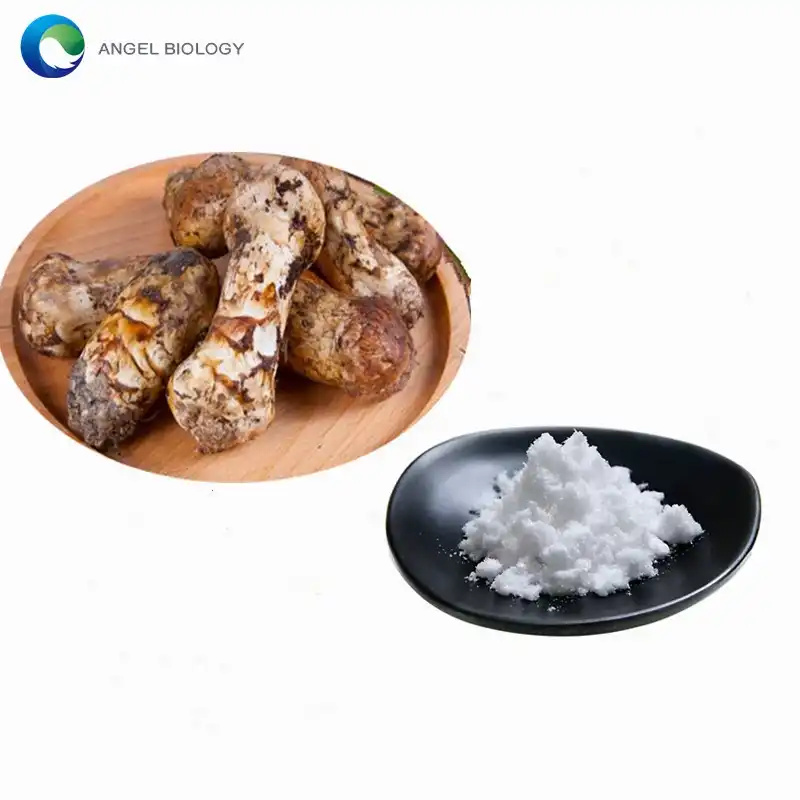 VIEW MOREErgothioneine Extract Powder
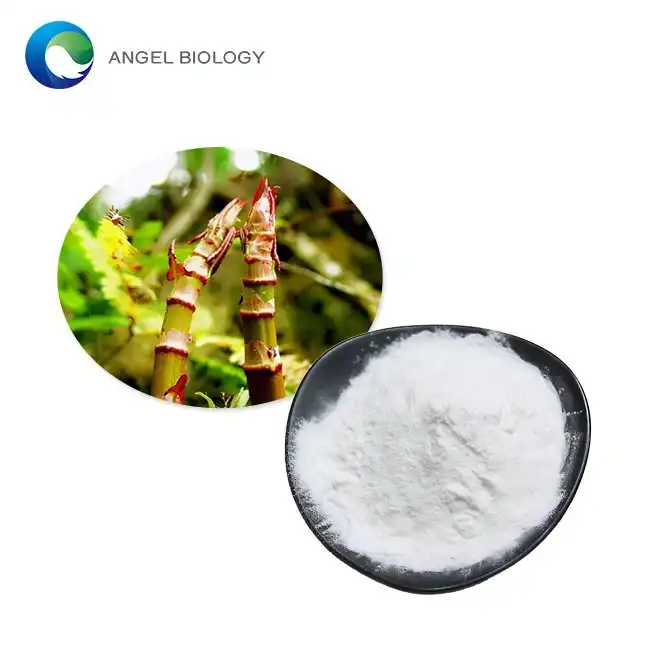 VIEW MOREPolygonum Cuspidatum Extract Powder
 VIEW MOREBulk Polygonum Cuspidatum Extract Powder
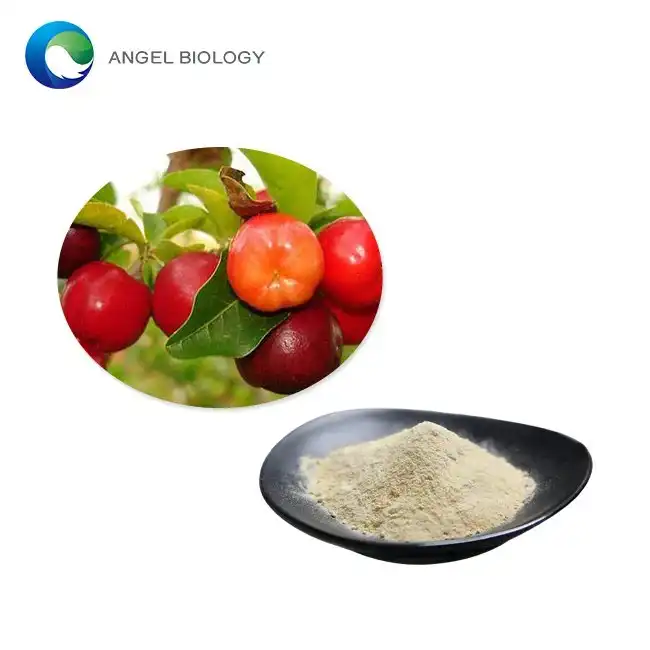 VIEW MOREAcerola Cherry Extract Powder
 VIEW MOREBlack Elderberry Extract Powder
 VIEW MOREL-glutathione Powder
 VIEW MOREWhite Willow Bark Extract Salicin
 VIEW MOREPure Melatonin Powder