Ambroxide Powder: Extending Fragrance Life
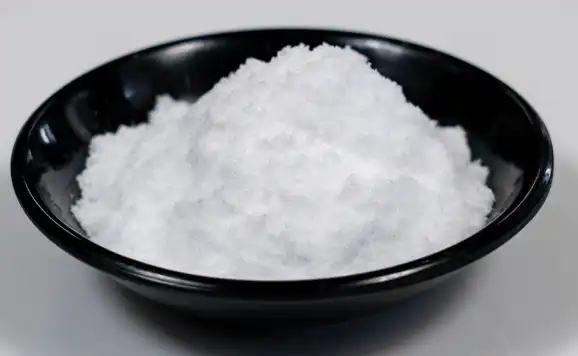
Durability is a major technological challenge in creating high-performance smells. Ambroxide Powder, an essential feature of current fragrance that offers wonderful odours and lasts, addresses this issue. This crystalline, free-flowing product smells like ambergris but is more stable, functions consistently, and is easier to deal with than liquid choices. Today's fragrance procurement personnel may transform product lines and compete in discerning global marketplaces by understanding how this ingredient boosts wear duration, improves base notes, and saves costs.
Understanding Ambroxide Powder and Its Role in Fragrance Longevity
Scientists name Ambroxide Powder (-)-ambrox or (3aR,5aS,9aS,9bR)-3a,6,6,9a-tetramethyldodecahydronaphtho[2,1-b]furan. This chemical smells like ambergris—warm, musky, and amber. However, its synthetic or semi-synthetic production makes it ethically and financially feasible. Its numerous methyl groups and fused ring system give it significant substantivity, or the capacity to adhere to surfaces and slowly release fragrance molecules.
Molecular Stability and Olfactory Characteristics
Breakdown temperatures exceeding 200°C make powder stable at high temperatures. This makes it suitable for hot-pour candles, soap, and high-temperature cosmetics. Low volatility means it loses less during preparation and storage, which helps maintain smell intensity throughout the product's shelf life. The fragrance profile is animalic but refined, woody but clean, and has mild marine undertones that add depth without overpowering the top or middle notes. This allows perfumers to create complex mixes with base notes that endure 12–24 hours on the skin, unlike most fixatives that last 4–8 hours.
Comparing Ambroxide Powder with Alternative Fragrance Ingredients
Procurement teams look at several ingredients to make goods last longer. Knowing how Ambroxide Powder compares to other materials will help you decide whether to use it and when to utilize others.
Ambroxide Powder Versus Liquid Ambroxan
Both varieties use the same active molecules, but physical conditions greatly impact production. Liquid ambroxan mixes quickly with alcohol-based scent concentrates by shaking. In dry items like solid fragrances, perfumed bags, and powdered personal care products, Ambroxide Powder performs well. The powder eliminates shipping leaks, saves warehousing space, and cuts freight costs because each active ingredient weighs less. Some materials disintegrate faster than others. Powder takes more stirring in cold processes, but dissolves more quickly in hot-melt systems because the warmth breaks it down.
Natural Ambergris Versus Synthetic Ambroxide
Sperm whale stomachs produce ambergris. It costs over $50,000 per kilogram and raises ethical problems concerning sea animal protection. The cheaper synthetic Ambroxide Powder can replicate the core fragrance signature (around $200 to $800 per kilogram, depending on purity and supplier). Performance changes are minor. Trained perfumers struggle to distinguish high-quality synthetic ambergris from real ambergris in blind testing. Synthetic methods guarantee uniform quality, eliminate wildlife law supply issues, and provide full traceability, which is increasingly vital for environmentally conscious businesses and customers.
Best Practices for Using Ambroxide Powder in Fragrance Manufacturing
Attention to how this substance dissolves, concentration, and the sequence of ingredients is crucial when adding it. Manufacturing teams may obtain the greatest outcomes by using tried-and-true techniques that include material properties.
Dosage Guidelines and Concentration Ranges
It is often utilized at 0.5%–5% in finished perfumes, depending on strength and application. 2% to 4% is used in fine fragrances to prolong aroma without dominating base notes. Because they are used more freely and require a milder aroma, hair care and body creams may utilize 0.5% to 1.5%. Candlemakers push ratios near maximum because heat distribution and wax encapsulation affect release patterns. Testing multiple concentrations throughout production helps determine the greatest lifespan, sillage, and cost-effectiveness for each product.
Dissolution Techniques and Processing Methods
Ambroxide Powder dissolves effectively in dipropylene glycol and benzyl benzoate but poorly in ethanol (10 g/100 mL at 25°C). Water barely dissolves it. Before adding powder to bulk fragrance oil in the cold process, dissolve it in a small amount of liquid. This procedure prevents clumping and evenly distributes material. Popular candle and soap-making processes employ high temperatures (60°C to 80°C) to expedite breakdown and reduce mixing times by 40% to 60%. Ultrasonic mixing equipment improves dispersion, especially with thick or high-purity bases with larger particles. Quality control checks should involve examining for undissolved particles, verifying concentration, and testing stability under fast-aging conditions (40°C for 12 weeks). Batch-to-batch stability requires regular mixing periods, temperatures, and input materials. When smell tests demonstrate poor performance, documenting working elements helps identify the issue.
Procuring Ambroxide Powder: A Strategic Guide for B2B Buyers
Choosing where to source Ambroxide Powder affects product quality, compliance, and supply chain strength. Procurement staff should understand suppliers, pricing, and documentation before placing buy orders.
Identifying Reputable Suppliers and Evaluating Quality
BASF, Firmenich, and Givaudan make pharmaceutical- and perfumery-grade Ambroxide Powder, but you must purchase 25–100 kg. Specialized fragrance ingredient distributors provide 1–10 kilogram batch sizes for new brands or product development. Ask for certificates of analysis (CoAs) that indicate purity percentages, fragrance descriptors, optical rotation values, and solvent levels when comparing sources. Check the batch numbers on COAs and shipping labels for authenticity. Independent lab testing provides you piece of mind, especially when interacting with new merchants. Data from gas chromatography-mass spectrometry (GC-MS) should reveal a major peak for ambroxide (236.4 g/mol) with a few additional signals. Even chemically pure goods can contain off-notes if production procedures include minor quantities of pollutants or isomer mismatches. Trained perfumers must evaluate them.
Pricing Dynamics and Bulk Purchase Considerations
Market prices fluctuate constantly according to raw material supply, production capacity, and regional demand. Prices for grades of 98% purity or greater range from $250 to $750 per kilogram, with sustainable and organic grades costing more. Volume discounts start at 50 kg and reduce small-lot pricing by 10% to 20%. Annual supply arrangements save considerably more—sometimes 25% below spot rates—and ensure supply during busy production times. Suppliers have different payment periods. Large chemical businesses need 30-day net terms with credit checks, whereas smaller vendors may require deposits or full payment for first-time purchasers. Selecting the correct Incoterms greatly impacts pricing. EXW (Ex Works) indicates the buyer is accountable from the factory gate, whereas DDP (Delivered Duty Paid) means the seller is responsible until the items reach at the destination facility. Chemical freight forwarders can aid with hazardous materials reports even if Ambroxide Powder doesn't suit most hazmat categories.
Making the Informed Choice: Optimizing Your Fragrance Portfolio
This ingredient, Ambroxide Powder, can be utilized strategically beyond recipes. Finding the most effective location helps organizations maximize their funds and stand out in crowded marketplaces.
Customization for Specific Scent Profiles
Ambroxide Powder works with numerous perfumes; its impact varies by mixing. In oriental perfumes, it enhances amber tones and adds marine brightness to lighten the aroma. Woody compositions acquire refined animalic undertones without the roughness of animal-based elements. Stronger base notes prolong fresh water fragrances without compromising their clean, airy character. In flower scents, lower quantities create a subtle fixing that highlights delicate petals all day. Change compounds that operate well together to personalize. Using ambroxide and iso e super together lasts longer than either alone. In combination with cashmere, it softens and spreads the fabric, while cedarwood replacements provide woodiness. These combinations help perfumers tailor the aroma while retaining the major life advantages that make the substances worth it.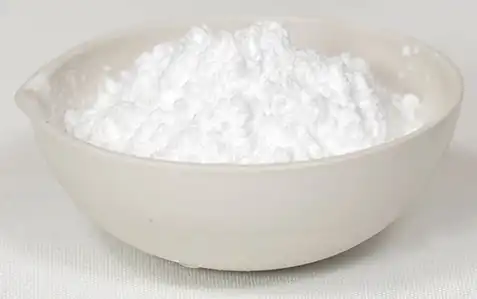
Emerging Trends in Fragrance Longevity Innovation
New microencapsulation technologies retain ambroxide in polymer shells. Skin rubbing or humidity changes slowly release fragrance molecules. People who prefer long-lasting personal care products like these technologies' wear times beyond 48 hours. Another trend is blending life boosters like Ambrocenide, cetalox, and Ambroxide Powder to create multi-layered release profiles where various fixatives take over at different wear stages. Sustainability drives innovation, too. Enzymatic synthesis approaches employing green feedstocks are being tested to reduce carbon footprints by 30% to 50% compared to petrochemical processes. Procurement teams may help their firms become early adopters of these improvements, offering them a competitive edge via environmental storytelling and decreased legal risk.
Conclusion
Ambroxide Powder helps fragrance manufacturers mix long-lasting odours, excellent smells, and efficiency. The powder form makes it easier to store and manage than liquid versions, and its clear fragrance profile accentuates base notes without compromising lighter top and middle notes. Procurement professionals who can identify suppliers, assess product quality, and advise on strategy design can improve product performance and minimize costs. The chemical can be utilized in many fragrance families, and new sustainable manufacturing and controlled release methods make it more likely to remain relevant in changing markets where buyers desire longer scent experiences.
FAQ
1. What primary benefits does ambroxide powder provide in fragrance formulations?
This ingredient increases wear duration by 50% to 200%, depending on the base recipe and amount. Warm, musky amber overtones make the smell appear more costly without overpowering it. Ambroxide Powder provides producers with greater possibilities, especially with dry or hot materials.
2. How does performance compare between ambroxide powder and liquid ambroxan?
Both smell the same and help you live longer because they share active chemicals. Powders are great for solids, candles, and hot-pour systems, while liquids are preferable for alcohol-based fragrances. Powders are lighter and easier to store and export.
3. What safety measures should teams follow when handling this ingredient?
Wear gloves and safety glasses to protect your skin and eyes, provide enough air movement to keep dust out of your lungs, and store chemicals in cool, dry areas away from fire. Normally, the substance isn't dangerous, and there are no transit restrictions.
Partner with Angelbio for Premium Ambroxide Powder Solutions
Angelbio offers high-purity, quality-controlled Ambroxide Powder to help you manufacture fragrances. Our ingredient fulfills international regulators' criteria and offers your compositions stability. Over 18 years of R&D experience comes from our relationship with Xi'an Jiaotong University's Institute of Life and Health Research. Technical guidance, comprehensive paperwork, including SDS and IFRA certifications, and flexible procurement options for new and established brands are available. Whether you make high-end perfumes, personal care products, or home scents, our supply chain stability and product understanding may help you convert sourcing issues into competitive advantages. Contact our specialists at angel@angelbiology.com to discuss your needs, request samples, or explore bulk buy agreements to save money on ingredients without compromising quality.
References
1. Curtis, T. & Williams, D. (2020). Modern Perfumery: Chemistry and Applications of Fragrance Ingredients. Royal Society of Chemistry Publishing.
2. Sell, C.S. (2019). The Chemistry of Fragrances: From Perfumer to Consumer. 3rd Edition. Cambridge: RSC Publishing.
3. Zviely, M. (2018). "Ambroxide and Ambergris-Type Odorants in Contemporary Perfumery." Perfumer & Flavorist, 43(6), 32-41.
4. Bauer, K., Garbe, D., & Surburg, H. (2021). Common Fragrance and Flavour Materials: Preparation, Properties and Uses. 7th Edition. Wiley-VCH.
5. Arctander, S. & Leffingwell, J.C. (2017). Perfume and Flavour Chemicals: Aroma Chemicals, Essential Oils, Synthetics. Allured Publishing Corporation.
6. International Fragrance Association (2022). "IFRA Standards: Usage Guidelines for Ambroxide in Consumer Products." IFRA Technical Compliance Documentation.