



What is the best form of apigenin?
High-purity Apigenin Powder is suitable for B2B applications. Crystalline flavonoid concentrate, standardized to ≥98% purity by HPLC testing, offers superior dose control and formulation flexibility compared to capsules or plant extracts. Micronized particles improve bioavailability in nutritional supplements, cosmeceuticals, and functional foods. Pharmaceutical-grade powder minimizes batch variation and meets tight regulatory criteria across nutraceutical, cosmetic, and pharmaceutical sectors, making it the perfect raw material for efficacy and compliance-focused R&D teams.
Understanding Apigenin and Its Forms
One of the best researched bioactive flavonoids is Apigenin (4',5,7-trihydroxyflavone, CAS: 520-36-5). Formulators are increasingly pursuing this chemical for its antioxidant and anti-inflammatory qualities. Apigenin, extracted from chamomile flowers (Matricaria chamomilla), parsley (Petroselinum crispum), and celery (Apium graveolens), is available in different forms, each with distinctive product development properties.
Commercial Forms Available
Apigenin is available in several forms. Minimum potency is provided by 5-10% standardized extracts in raw herbal powders. Encapsulated vitamins simplify the dose but restrict accuracy. Advanced extraction procedures provide high-purity isolates with ≥98% concentration. Understanding these differences is crucial when choosing compounds that meet formulation goals and regulatory criteria.
Synthetic Versus Botanical Origins
Source distinction is crucial in procurement. Clean-label markets prefer botanical extraction because it retains molecular structure. In other places, synthetic manufacture is cheaper yet subject to labeling constraints. We advocate for supplier qualification verification using carbon-14 isotope analysis to determine their sources.

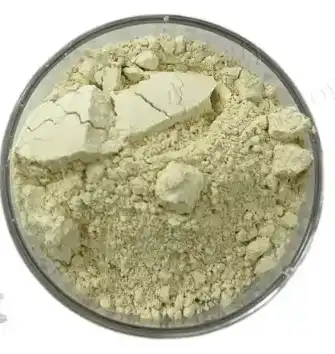
In-Depth Analysis of Apigenin Powder
Traditional plant preparations are inferior to high-quality Apigenin Powder. Concentration removes raw plant material contaminants and unpredictability. We've worked with formulation teams that value this ingredient's adaptability across many applications.
Scientifically-Supported Benefits
Apigenin's GABA-A receptor modulation provides anxiolytic benefits without drug dependence, according to research. Its CD38 enzyme inhibitory capabilities make it ideal for NAD+ longevity supplements. By scavenging free radicals, the chemical protects cells from oxidative damage. Multiple signaling cascades modulate anti-inflammatory pathways for internal and topical use.
Application Scope Across Industries
Commercial demand comes from three sectors:
- Longevity and Nootropic Supplements utilize Apigenin as a key active in NAD+ boosters. Dosing 50-200mg per serving needs pharmaceutical-grade powder precision. Formulators provide synergistic metabolic support systems using cofactors like nicotinamide riboside.
- Sleep and Stress Management Products use their slight sedation. Adding magnesium threonate or L-theanine completes relaxing formulations. Pure ingredients may be included without bulk volume, which benefits capsule design.
- Advanced Cosmeceutical Formulations contain Apigenin to reduce UV-induced oxidative damage. After-sun repair serums help delicate skin by stabilizing. Because the chemical is hydrophobic, it must be solubilized in lipid carriers to penetrate the skin.
The applications show why procurement teams value ingredient quality. Batch uniformity impacts product effectiveness and consumer confidence.
Comparing Apigenin Powder with Other Forms: Which Is Best?
Powder concentrates differ from completed dosage forms due to formulation flexibility. Tablets and capsules are convenient but limited in customisation. Powder additives let product producers tailor distribution to suit populations and therapeutic purposes.
Bioavailability Considerations
Absorption efficiency varies greatly between preparations. Fiber and inactive chemicals limit bioavailability in crude plant extracts. In liposomal encapsulation or cyclodextrin complexation methods, micronized high-purity powder dissolves faster. Pre-encapsulated drugs lack these sophisticated delivery systems, which increase therapeutic potential.
Dosage Precision and Flexibility
B2B buyers like Apigenin Powder's scalability. Clinical research techniques demand milligram amounts that final goods cannot meet. Multiple dosage point R&D teams require ingredient forms for iterative formulation development. Bulk powder provides experimental flexibility and cost savings during product improvement.
Related Flavonoids Comparison
Quercetin and luteolin are structurally similar but biologically separate. Quercetin has reduced GABA receptor affinity but wider anti-allergic effects. Luteolin has substantial anti-inflammatory properties but is expensive owing to limited natural sources. Apigenin's potency, availability, and economic feasibility explain its widespread supplement use.
Procurement and Sourcing Guide for Apigenin Powder
Strategic sourcing demands multidimensional supplier evaluation. Our procurement frameworks assist formulation teams in finding long-term suppliers.
Supplier Qualification Criteria
Certification checks begin manufacturer evaluation. GMP accreditation shows quality commitment. ISO 9001 certifies process standardization. Kosher and Halal certifications increase market access. Requesting facility audits and customer references boosts operational trust.
Critical Purchasing Factors
High-purity powder comes in 1-25 kilogram minimum order quantities (MOQ), impacting initial investment. Purity grade, order amount, and certification determine the gram price from $80-$250. Logistics coordination and payment conditions affect working capital and delivery times. Clear requirements before asking quotations reduces negotiating problems.
Product Authentication Methods
Independent lab testing verifies supplier claims. HPLC fingerprints verify molecular identification. MS finds adulterants and substitutes. Stable isotope ratio analysis verifies "botanical source" claims by distinguishing natural from synthetic sources. These analytical efforts prevent brand-damaging counterfeits.
Making an Informed Decision — Which Apigenin Form Fits Your Needs?
Industry sectors value different ingredient qualities. Application-specific Apigenin form selection improves product performance and cost efficiency.
Nutraceutical Formulations
Manufacturers of dietary supplements require ingredients to back label claims. High-purity Apigenin Powder delivers exact capsule, pill, and liquid dosages. Test stability before scale-up throughout production processes such as compression, granulation, and heat exposure. Successful supplement launches require ingredient uniformity across batches.
Cosmetic Applications
Hydrophobic actives present distinct issues for skincare formulators. Apigenin powder needs solubilization with suitable carriers. Dermal delivery can be achieved by emulsions, anhydrous formulations, or nanotechnology. Accelerated aging stability testing ensures ingredient integrity throughout the product's shelf life.
Pharmaceutical Development
The strictest regulations apply to drug development teams. Pharmaceutical-grade Apigenin must have complete impurity profiling. Reference standard validation, forced degradation, and genotoxicity tests are required. These strict requirements increase material prices but assure patient safety and regulatory clearance.
Decision-Making Framework
A systematic grading system is recommended for supplier evaluation. Give purity verification, certification, price competitiveness, technical support, and supply chain reliability weights. Procurement choices are objective using this quantitative method. Having two certified suppliers gives you choices for demand swings and supply disruptions.
Conclusion
Selecting the best Apigenin form requires considering purity, application, and supplier capabilities. Compared to capsules or crude extracts, high-purity powder offers more formulation flexibility, dose control, and bioavailability. Procurement requires rigorous COA assessment and practical factors like MOQ and cost. Formulating lifespan supplements, stress-relief products, or advanced cosmeceuticals with certified manufacturers assures ingredient uniformity and regulatory compliance. Top grade materials preserve brand reputation and enable new nutraceutical, cosmetic, and pharmaceutical product development.
FAQ
1. What purity level should I specify when purchasing apigenin powder for bulk supplement manufacturing?
Target ≥98% purity verified by HPLC analysis on a dry basis. The concentration provides dosing accuracy and formulation consistency. Lower grades (95-97%) may be cheaper but vary in product performance. Request CoA documentation on assay technique and reference standards.
2. How can I verify that a supplier provides authentic botanical-sourced apigenin rather than synthetic alternatives?
Ask for Carbon-14 isotope analysis to distinguish natural plant extracts from manufactured chemicals. Authentic botanical sources should give raw material traceability from harvest batches to final powder. Supplier qualification claims are more reliable with third-party laboratory verification from independent testing institutions.
3. What safety considerations apply when formulating with high-purity apigenin powder?
ICP-MS testing should confirm heavy metal levels satisfy international standards: lead <3ppm, arsenic <2ppm, cadmium <1ppm, mercury <0.1ppm. Check if residual solvents meet USP <467> standards. Microbiological tests should rule out E. coli, Salmonella, and S. aureus. These criteria fulfill target market regulations and assure customer safety in dietary supplement, food, and cosmetic applications.
Partner with Angelbio for Premium Apigenin Powder Supply
Angelbio provides top grade Apigenin Powder with 18 years of R&D and strict quality controls. Our certified manufacturer guarantees ≥98% purity and includes COA documentation for HPLC, heavy metals, residual solvents, and microbiological. We offer flexible MOQ, reasonable bulk pricing, and technical formulation help to B2B nutraceutical, cosmetic, and pharmaceutical clients. Our recognized Apigenin Powder producer uses modern extraction technology and sustainable sourcing. Contact our procurement specialists at angel@angelbiology.com to discuss your needs, request product samples, or acquire formulation-specific estimates.
References
1. Salehi, B., Venditti, A., Sharifi-Rad, M., et al. (2019). The Therapeutic Potential of Apigenin. International Journal of Molecular Sciences, 20(6), 1305.
2. Shankar, E., Goel, A., Gupta, K., & Gupta, S. (2017). Plant flavone apigenin: An emerging anticancer agent. Current Pharmacology Reports, 3(6), 423-446.
3. Zhao, L., Wang, J.L., Liu, R., et al. (2013). Neuroprotective, anti-amyloidogenic, and neurotrophic effects of apigenin in an Alzheimer's disease mouse model. Molecules, 18(8), 9949-9965.
4. Sung, B., Chung, H.Y., & Kim, N.D. (2016). Role of Apigenin in Cancer Prevention via the Induction of Apoptosis and Autophagy. Journal of Cancer Prevention, 21(4), 216-226.
5. Chamorro, M.F., Reiner, G., & Theoduloz, C. (2020). Isolation and Quantification of Apigenin from Chamomile Flowers: Optimization of Extraction Methods. Journal of Pharmaceutical and Biomedical Analysis, 182, 113127.
6. Sliwoski, G., Kothiwale, S., Meiler, J., & Lowe, E.W. (2014). Computational Methods in Drug Discovery: Structure-Based Virtual Screening of Flavonoid Compounds. Pharmacological Reviews, 66(1), 334-395.