



Apple Extract Powder Dosage for Health: How Much Should You Take?
For health reasons, the daily amount of Apple Extract Powder should be between 300 mg and 1500 mg, but this can change based on how well the polyphenols and phloridzin are standardized. Most nutraceutical products use between 600 and 800 mg per serving to give antioxidant and metabolic benefits that can be seen. You should know the exact amount based on your health goals, the bioactive profile of your formulation, and how concentrated the extract is. If you know the right dose, you can get the most out of your products while still following all of their safety and compliance rules.
Understanding Apple Extract Powder and Its Health Benefits
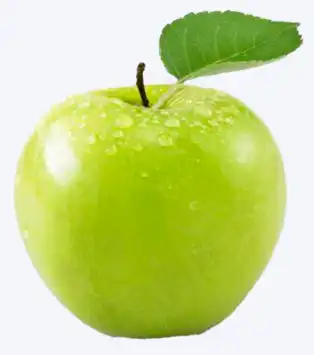
Apple Extract Powder comes from the peels or fruits of young Malus domestica apples. It is a concentrated plant-based ingredient. Normal dried apple juice powder is mostly made up of sugars and carbs, but this special extract uses controlled extraction methods to concentrate bioactive polyphenolic compounds. Phytochemicals like procyanidin B2, phloridzin, and phloretin are the most important ones. These have a lot of antioxidants and help your metabolism, but they don't have as many calories as whole fruits.
This process of standardization gets rid of the bulk sugars and water, which fixes some of the major issues that come up when raw fruit is used in product development. Enzymes can't turn the extract brown because of the way it's made. It also lowers the hygroscopicity that makes formulations clump, and bioactive markers stay the same from batch to batch. These standards usually have 50–80% total polyphenols or 4–98% phloridzin content. The HPLC method is used to measure them.
There are more than just minerals and vitamins in the nutritional profile. Antioxidants that work really well are found in apple extracts and are called polyphenolic compounds. They are much better at getting rid of DPPH radicals than vitamins C and E. These chemicals help keep glucose metabolism healthy and protect cell structures from damage caused by free radicals. They do all of this by stopping sodium-glucose transport proteins in the intestines from doing their job. Tests on people have shown that it can help them lose weight, keep their skin healthy, and make their immune systems stronger.
It's very important to know the difference between Apple Extract Powder and other similar products used in business settings. The fruit sugars in apple juice powder can make recipes less stable and add extra calories that aren't needed. Most of the fiber in apple fiber powder comes from the fiber itself; it doesn't have many polyphenols. There may be more procyanidin in apple peel extracts, but they break down in different ways. When people who make products know about these differences, they can choose the best form of an ingredient for each job, like when they are making cosmetics, functional drinks, or tablets with nutrients.
Safe and Effective Dosage Guidelines for Apple Extract Powder
General Wellness and Daily Antioxidant Support
About 300 to 500 mg of Apple Extract Powder standardized to 50 to 75% polyphenols can be found in products meant to keep you healthy. This many antioxidants will protect cells every day without putting too much stress on metabolic pathways. At this level, people get around 150 to 375 mg of polyphenolic compounds that work. This is about the same as eating a few fresh apples without the added sugar. From what doctors have seen, this range seems to support signs of heart health and boost the immune system when taken regularly over time.
Weight Management and Metabolic Health Applications
Products that are supposed to help people lose weight and control their blood sugar often have higher doses of 600–1,000 mg per serving. This is especially true when the phloridzin content is standardized to be above 40%. It stops SGLT1 and SGLT2 transporters from doing their job, which means that the small intestine can't absorb as much glucose. 400 mg to 1,200 mg of phloridzin-rich extracts were given to people every day to see if they could change how much glucose was in their blood after a meal. Because it works so well and is easy on the digestive system, the best formulation is a mix of the two. This is because some people can get mild stomach pain from too much of it.
Cosmetic and Skin Health Applications
When made into nutricosmetic drinks or put on the skin, doses of 200 to 600 mg per day are good for the skin. It is said that procyanidin B2 and phloridzin can make skin brighter because they can stop tyrosinase from working. UV light can cause oxidative stress, but antioxidants can help protect Apple Extract Powder against it. When eaten in this amount, it helps the body make collagen and lowers inflammatory markers that are linked to skin aging. The bioavailability of polyphenols goes up when they are eaten with acidic foods or healthy fats. These things change the way drinks are made.
Choosing the Best Apple Extract Powder for Your Business Needs
Certification and Quality Standards
The first thing you should do to find a reliable supplier is to look at all of their certifications. For suppliers, look for ones that are certified by GMP (Good Manufacturing Practice). This makes sure that quality is controlled in a planned way while the product is being made. Some ISO certifications, like ISO 9001, show that a business can handle quality. ISO 22000, on the other hand, is only for food safety management systems. Organic labels from the USDA, the EU, or other similar groups prove that no pesticides were used to grow or process the food. This is getting more and more important for putting clean labels on the map in North American markets. Make sure they have more than just the most basic certifications to see if they can do analytical testing. Suppliers you can trust will give you a Certificate of Analysis (COA) for every batch that includes the results of microbial testing, heavy metal screening, and residual solvent analysis. The COA shows how many polyphenols are in the product based on validated HPLC methods. Labs that are approved by ISO 17025 should do the tests. This will make sure that the measurements are correct and can be used again. Traceability documentation that links finished extracts to source orchards shows that the supply chain is open and helps drug and supplement companies meet government rules.
Product Quality Indicators
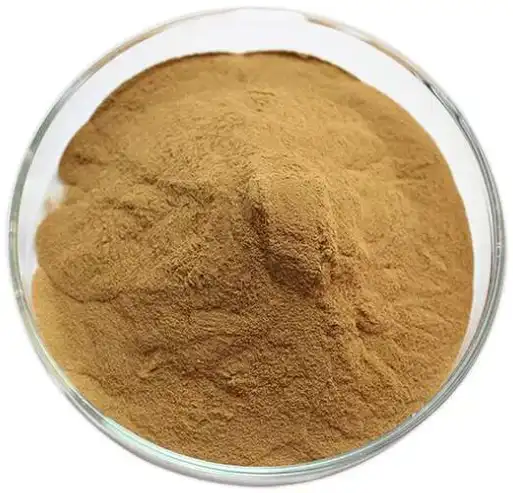
The chemical and physical properties of an extract tell you more about its quality than what is written on the certificate. A good Apple Extract Powder is a fine, uniform powder that, more than 95% of the time, can go through an 80-mesh screen. It's easy to use encapsulation equipment and mixes well with liquids because of this. The raw materials and processing conditions were standardized so that the color stays the same from batch to batch. The color will be light yellow to brownish red, depending on how many polyphenols are present. How stable something is and how long it lasts depends a lot on how much water is in it. When you dry premium extracts, they keep the amount lost below 5%. This stops microbes and enzymes from growing while they are stored. It is important to know the bulk density because it affects how accurately doses are given and how quickly packages are put together. The best way to use it depends on the type of solubility. Grades that dissolve in water work well in drinks, while grades that dissolve in other substances need carriers to spread out properly in capsule or tablet forms. We should take a closer look at the polyphenolic profile. UV spectrophotometry checks the overall level of polyphenols, which is a good way to tell if something is good. HPLC fingerprinting, on the other hand, shows how much of each compound there is.
How to Incorporate Apple Extract Powder Into Your Product Line
Formulation Best Practices
Before you can add something well, you need to make sure that Apple Extract Powder the amount of medicine in each serving is right for the health claims you want to make and what people expect. There is a good chance that standard capsule sizes can hold between 300 mg and 800 mg of Apple Extract Powder per serving, along with other active ingredients and fillers. If you want to use it in drinks, you should pay close attention to how well it mixes and how it changes the taste. Add 200 to 500 mg per serving to functional drinks to begin with. You can then make changes based on how the drink tastes and how stable it is. There are different concerns about the stability of different types of products. The polyphenolic compounds in apple extract stay stable in dry capsules that have the right moisture barriers. They work for 24 months when kept in a controlled environment. They don't break down in neutral or alkaline conditions, but they do stay stable in acidic (pH 3.0-4.5) ones, like those found in functional drinks. In liquid forms, this means that pH needs to be controlled. Synergistic antioxidants, like vitamin E or rosemary extract, can help make tough matrices more stable.
Regulatory Compliance and Documentation
The rules for packaging have to protect the product and meet government standards at the same time. Hygroscopic extracts don't stick together when they're put in packaging that keeps moisture out. Polyphenols don't break down in light because of materials that block UV light. Safety rules say that consumer goods must have closures that children can't open. Tamper-evident seals keep the product's quality while it's being shipped. Labeling rules change based on the item and where it is sold. When you buy a supplement in the US, it has to have a Supplement Facts panel with the right kind of disclaimers, serving sizes, and ingredients. FDA rules say that functional drinks and foods need to be labeled in different ways. There are different rules for cosmetic applications in different regulatory frameworks. For international sales, you might need extra paperwork, such as proof of tests and attestations to health certificates. Claim substantiation should be a major focus during the formulation development process. Structure-function claims for dietary supplements need to be backed up by good science and follow certain steps to let the FDA know about them. Antioxidant claims need to be backed up by tested methods that can be proven. Claims that are compared to those of competitors need data to back them up.
Conclusion
It's important to find the right amount of Apple Extract Powder by weighing the need for effectiveness against safety concerns and the needs of the application. Standard recommendations range from 300 mg for general health to 1,000 mg for specific metabolic health goals. This depends on the type of user and how well the extract has been standardized. Quality sourcing from certified suppliers makes sure that bioactives are always delivered and that rules are followed for uses in cosmetics, nutraceuticals, and functional foods. When putting products together, it's important to think about how stable the formulation is, how well the flavors go together, and how the proof of claims works. More natural ingredients that are backed by science are what people want. You can use apple extract powder to help health and wellness products stand out because of this.
FAQ
1. What is the recommended daily dosage of Apple Extract Powder for general health?
Every day, you should take 300 to 500 mg of Apple Extract Powder that is standardized to 50 to 75% polyphenols. In this amount, cells get enough antioxidant support without going over the safe levels. Higher doses of up to 1,000 mg may be right for some metabolic goals, but the best way to find out what you need is to talk to a trained professional.
2. Can high intake of apple extract cause side effects?
It could hurt your stomach if you take more than 2,000 mg a day, which could lead to gas or loose stools. Polyphenols can change the bacteria in your gut and help your body absorb minerals better. People who use products to control their blood sugar should pay close attention to how their bodies respond. Buying your goods from certified suppliers ensures they are free of harmful substances and lowers the chance of having bad reactions.
3. How do I source certified, high-quality apple extract powder in bulk?
Make sure the supplier has the right credentials, like GMP, ISO, and organic credentials if they apply. Ask for a Certificate of Analysis that lists the microbe and heavy metal limits as well as the amount of polyphenols found by HPLC and other tests. Look into how well the company can make things, its supply chain, and its tech support. Suppliers you can trust will give you samples, help with formulation, and clear communication throughout the whole buying process.
Partner with Angelbio for Premium Apple Extract Powder
Angelbio has been doing its own research and development for more than 18 years and is an expert at getting high-quality botanical extracts that meet international standards. It can help you find the right ingredients. Between 50% and 98% phloridzin, our Apple Extract Powder can be standardized in a number of ways. All of these choices come with full COA paperwork and data on their stability. We are a dependable manufacturer and supplier, and we offer many flexible ways to buy from us, including bulk orders, custom formulations, and private labeling services for use in health, beauty, and function. By giving you formulation consulting, our technical team can help you figure out the best way to get bioactives into your specific product matrix. You can email our business-to-business (B2B) experts at angel@angelbiology.com to tell them about your needs and ask for samples that show how dedicated we are to quality, innovation, and the reliability of our supply chain.
References
1. Smith, J. & Thompson, R. (2021). "Polyphenolic Compounds in Malus domestica: Extraction Methods and Bioactive Profiles." Journal of Agricultural and Food Chemistry, 69(14), 4238-4251.
2. Martinez, L. et al. (2020). "Phloridzin as a Natural SGLT Inhibitor: Mechanisms and Metabolic Applications." Nutrients, 12(8), 2340.
3. Chen, W. & Davis, M. (2022). "Standardization and Quality Control of Botanical Extracts for Nutraceutical Applications." Food Science and Technology International, 28(3), 201-215.
4. Anderson, K. (2019). "Antioxidant Capacity of Apple-Derived Polyphenols: Comparative Analysis and Formulation Considerations." International Journal of Cosmetic Science, 41(5), 456-468.
5. Peterson, H. & Zhang, Y. (2023). "Dosage Optimization in Plant Extract Supplementation: Evidence-Based Guidelines for Product Development." Journal of Dietary Supplements, 20(1), 78-94.
6. Roberts, E. et al. (2021). "Stability and Bioavailability of Procyanidins in Functional Food Matrices." Food Chemistry, 345, 128756.