



Applications of Ambroxide Powder in Cosmetics and Personal Care
Ambroxide Powder is an important part of many modern beauty and personal care products because it has a special amber-like smell, works well as a fixative, and stays stable in the recipe. This solid powder comes from real ambergris or is made with biotechnology in ways that are safe for the environment. The warm, woody, and musky notes make things smell better and make them last longer. In the makeup business, ambroxide is becoming more and more important as a natural option that meets the needs of clean beauty without losing performance. It's an important factor for brands that want to attract smart customers who care about both how well something works and how long it lasts.
Understanding Ambroxide Powder: Properties and Benefits
Chemical Nature and Molecular Structure
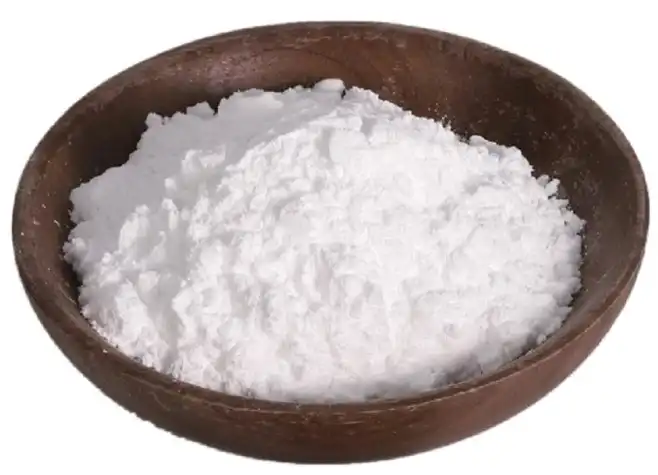
There is a type of chemical called tetracyclic triterpene alcohol that is very stable at different temperatures and pH levels. This is what Amberoxide is. It's easy to mix with oil-based, water-based, and dry solutions because of the way the chemicals are structured. The scientists who work on cosmetics like that it mixes well with other fragrance molecules. This lets them add complex smells without having to separate the stages. Because they are easier to work with, cost less to ship, and stay stable longer on the shelf, powders are better than liquids. Most grades of purity are between 85% and 99%, and pharmaceutical-grade options meet the high-quality standards that big brands expect.
Fragrance Profile and Sensory Characteristics
This element stands out because of its complex smell profile. It starts with warm amber tones and then transitions to soft woody notes with a lasting musky depth. Unlike volatile top notes that fade quickly, ambroxide is a part of heart and base notes that keep the smell intact over the course of a product's shelf life. Sensory testing regularly shows that people like recipes that contain this ingredient, especially in leave-on items where the smell stays on for a long time. During the dry-down step, complex notes emerge that set high-end formulas apart from mass-market options, backing strategies for placing expensive products.
Safety and Regulatory Compliance
Ambroxide meets international safety standards set by governing bodies such as the FDA, the EU Cosmetics Regulation, and Health Canada, according to full chemical studies. Dermatological tests show that it doesn't make skin more sensitive, so it can be used in products for sensitive skin. The ingredient is on lists approved by the International Fragrance Association (IFRA), and usage suggestions are based on the type of product. A lot of safety information helps manufacturers get their products to markets around the world. Correct MSDS (Material Safety Data Sheets) explain how to handle the substance, and the powder form lowers the risks of exposure at work compared to unpredictable liquid forms.
Core Applications Across Product Categories
Because ambroxide powder is so flexible, it can be used in a wide range of cosmetics, each of which uses its unique properties to make the product work better and look better.
Fine Fragrance and Perfumery
People who make perfume use ambergris as a main note to make scents last longer and spread further. It slows down the rate at which volatile top notes vanish and smooths out changes between smell levels because it is a natural fixative. Perfumers today like how it can add substance, which is what makes smells stick to clothes and skin. Niche fragrance brands love this ingredient because it helps them make unique amber-woody smells that make their goods stand out in a crowded market. Fine scents normally have concentration levels between 0.5% and 3%. This is the right amount to get the desired sillage without making lighter notes too strong.
Skincare and Body Care Formulations
Ambroxide powder not only has a nice smell, but it also makes skin care products work better. Lotions, creams, and body oils smell better when they have light scents that last after you use them. Because the ingredient is lipophilic, it helps the skin feel properties. This makes the surfaces smooth, which makes the product look like it's of higher quality. For example, retinoids and peptides work well with it, and the smell stays the same even when chemicals are around that could react with it. Ambroxide is used by companies that make body wash and shower gel to make their goods stand out. It does this by giving customers a unique smell experience that makes them want to buy again. This gives them an edge over stores that already have a lot of personal care items in the same area.
Haircare Product Enhancement
Ambroxide is being used more and more in shampoos, conditioners, and styling products to give hair salon-quality scents. The ingredient can stand up to detergent systems and neutral pH conditions that are common in cleaning products, and it keeps its flavor throughout use. Its temperature stability makes it great for heat-styling products because the scent stays strong even after blow-drying or flat-ironing. Ambroxide can cover up the smell of base ingredients in functional ingredients, which are used in leave-in treatments and hair serums to make the products seem more expensive. Concentration optimization keeps foam quality from being affected in surfactant-based systems while still getting the desired smell strength.
Emerging Trends and Innovative Applications
Recent trends in product creation show creative ways to use amberboxide in areas other than standard categories. Powder adds structure and scent strength to solid perfume forms, making them appealing to eco-friendly customers who want packages without plastic. Multi-use beauty balms mix skin care benefits with a light scent. They do this by using ambroxide to blend different plant products into a single sensory experience. It's used in beard oils, perfume creams, and body care lines for men because it has a manly smell. Ambient scenting is being used more and more in color cosmetics like lipsticks and foundations. Ambroxide adds a subtle grace that works well with applied scents instead of competing with them.
How to Choose the Right Ambroxide Powder for Your Products?
To pick the best ambroxide ingredients, you need to carefully consider the needs of the recipe, the wants of the target market, and the company's restrictions.
Purity Assessment and Quality Grading
At the top of the list for procurement teams should be cleanliness standards that match marketing plans for the product. Most of the time, high-end beauty names need pure grades of 95% or higher. This makes sure that each batch of the product works the same way and that there aren't many flaws that could change the smell or make it less stable. For middle-level goods, types that are 85 to 90% pure may be used because they are less expensive and still meet quality standards. Gas chromatography-mass spectrometry (GC-MS) tests should be shown on Certificates of Analysis (COAs). The scores for quality should match what the item says it is. For instance, natural beauty standards need proof of where the plants came from and ways to buy them that are good for the earth. When a supplier has more than one grade, it lets different product lines use different recipes.
Natural Versus Synthetic Comparison
Natural ambroxide that comes from plants costs a lot, but it supports the idea of clean beauty and the COSMOS/ECOCERT approval processes. It speaks to people who value food openness and stories about sustainability. The managed chemical methods used to make synthetic forms offer a reliable supply, standard quality factors, and cheap price structures. A lot of well-known names use manufactured choices that are just as safe and pure as natural ones. The choice grid should take into account how the consumer sees things, the formulation's performance needs, and the budget. Cost-performance ratios can be improved across a wide range of products by using hybrid methods that combine both sources.
Supplier Vetting and Documentation Requirements
A thorough review of the provider lowers the risk of quality problems and legal compliance issues. Make sure that factories have up-to-date GMP (Good Manufacturing Practice) and ISO 9001 quality management system qualifications. Ask for inspection records and audit reports from a third party that show how the process is controlled. Full MSDS paperwork should list the physical qualities, handling measures, and how to handle an emergency. Specifications for packaging are important. Pharmaceutical-grade cases with moisture shields keep the quality of powder while it is being shipped and stored. Set up rules for how to talk to suppliers so that expert help can be reached when formulation problems appear. Minimum order amounts and wait times should be in line with how inventory is managed so that costs don't go up or production delays don't happen.
Procurement Guide: Sourcing Strategies for B2B Buyers
Effective procurement workflows combine technical diligence with strategic supplier relationships to secure consistent material supply supporting uninterrupted production schedules.
Identifying Reputable Manufacturers and Distributors
The global supply landscape includes specialized ambroxide powder and fragrance ingredient manufacturers, integrated chemical suppliers, and regional distributors serving the cosmetic industries. China has emerged as a significant production hub offering competitive pricing through advanced biotechnology platforms and scale economies. European suppliers maintain strong reputations for premium-grade materials meeting stringent REACH compliance requirements. United States-based distributors provide logistical advantages for North American manufacturers requiring rapid turnaround times. Evaluate supplier track records through industry references, trade show presence, and customer testimonials. Long-term partnerships often yield collaborative benefits, including formulation support, market trend insights, and preferential pricing structures.
Sample Request and Bulk Purchase Negotiation
Initial procurement should begin with representative sample requests, enabling comprehensive laboratory evaluation before committing to bulk orders. Test samples across intended formulation systems verifying compatibility, stability, and sensory characteristics. Document performance observations systematically, comparing multiple supplier offerings when possible. Bulk purchase negotiations should address pricing tiers based on volume commitments, payment terms accommodating cash flow management, and delivery schedules synchronized with production planning. Discuss customization options, including specific purity grades, particle size distributions, or specialized packaging meeting unique operational requirements. Establish quality assurance protocols defining acceptance criteria and procedures for addressing non-conforming materials.
International Compliance and Documentation
Cross-border transactions require meticulous attention to regulatory documentation, facilitating customs clearance and regulatory compliance verification. Confirm suppliers provide comprehensive technical dossiers, including ingredient safety assessments, allergen declarations, and regulatory status confirmations for target markets. REACH pre-registration numbers prove essential for European Union imports, while FDA compliance documentation supports United States market access. Shipping considerations encompass proper hazard classification under transportation regulations, temperature-controlled logistics for stability-sensitive materials, and insurance coverage protecting against transit losses. Incoterms clarification prevents misunderstandings regarding freight responsibilities and cost allocations. Build contingency time into procurement timelines, anticipating potential customs delays or documentation clarification requests.
Real-World Success: Industry Applications and Insights
Examining practical implementations demonstrates tangible value creation through strategic ingredient selection and formulation innovation.
Premium Fragrance Brand Case Study
A European luxury perfume house reformulated its signature amber fragrance collection, incorporating high-purity ambroxide powder, replacing less stable liquid alternatives. Consumer testing revealed 32% improvement in scent longevity ratings and enhanced skin adherence characteristics. The reformulation supported sustainability messaging through reduced packaging requirements enabled by powder format concentration. Sales data showed 18% revenue growth in the reformulated line within six months post-launch, attributed to improved customer satisfaction and positive word-of-mouth recommendations. The technical transition required collaboration with suppliers providing application guidance and stability testing support, demonstrating value-added partnership benefits beyond transactional material supply.
Natural Skincare Product Development
A North American clean beauty brand developed a body cream line featuring botanical extracts enhanced with naturally derived ambroxide. The ingredient unified diverse plant oil fragrances into cohesive scent profiles while contributing to luxury positioning. Consumer perception studies indicated that the subtle ambient scenting elevated quality perceptions by 24% compared to unscented control formulations. The product achieved COSMOS natural certification, with ambroxide documentation supporting botanical origin claims. Market performance exceeded projections, establishing the line as a core revenue contributor. The success validated investment in premium natural fragrance ingredients as differentiation strategies in crowded natural beauty segments.
Future Trends and Innovation Trajectories
Industry analysts project continued growth in ambroxide powder and ambroxide applications driven by several converging trends. Biotechnology advances enable fermentation-derived production methods offering sustainability credentials and supply chain diversification away from traditional chemical synthesis routes. Encapsulation technologies create controlled-release delivery systems extending fragrance longevity in rinse-off products historically challenged by scent retention. Gender-neutral fragrance trends favor woody-amber profiles where ambroxide serves foundational roles. Personalized beauty concepts may incorporate ingredient customization options, allowing consumers to adjust fragrance intensity preferences. These developments position ambroxide as a strategic ingredient supporting innovation agendas across diverse cosmetic categories.
Conclusion
Ambroxide powder represents a valuable asset for cosmetic manufacturers seeking performance, sensory excellence, and market differentiation. Its multifunctional benefits span fragrance enhancement, formulation stability, and consumer appeal across personal care categories. Successful procurement requires balancing quality specifications, supplier reliability, and cost considerations while maintaining rigorous compliance standards. The ingredient's versatility supports innovation opportunities aligned with emerging consumer preferences for natural origins, sustainability, and premium sensory experiences. Strategic ingredient selection ultimately contributes to product success through enhanced customer satisfaction, brand loyalty, and competitive positioning in dynamic beauty markets.
FAQ
1. What distinguishes ambroxide powder from Ambroxan?
Both terms reference the same core molecule, though "Ambroxan" represents a trademarked name while ambroxide serves as the generic chemical designation. Functionally, products marketed under either name deliver equivalent performance when purity grades match. Procurement specifications should focus on documented purity levels, manufacturing processes, and quality certifications rather than nomenclature variations. Some suppliers maintain distinct product lines with proprietary refinement processes justifying brand differentiation, though comparative testing remains advisable for validation.
2. How can buyers verify product purity and quality?
Request comprehensive Certificates of Analysis documenting GC-MS testing results confirming molecular composition and purity percentages. Third-party laboratory verification provides additional assurance, with independent testing services offering comparative analysis across supplier samples. Physical inspection should assess powder characteristics, including color uniformity, particle size consistency, and absence of foreign materials. Stability testing under accelerated aging conditions reveals quality robustness supporting shelf-life predictions. Reputable suppliers welcome transparency and provide detailed technical documentation supporting quality claims.
Partner with Angelbio for Premium Ambroxide Powder Supply
Angelbio stands ready to support your formulation success as a trusted ambroxide powder supplier with comprehensive technical expertise and quality assurance. Our 18-year research foundation combines academic collaboration with Xi'an Jiaotong University and industrial-scale production capabilities, delivering consistent, high-purity ingredients meeting international standards. We provide complete documentation packages, including MSDS, Certificates of Analysis, and regulatory compliance certificates, facilitating smooth procurement processes. Our technical team offers formulation consultation, helping optimize ingredient selection for specific applications and target markets. Customized packaging options accommodate diverse operational requirements from laboratory samples to bulk manufacturing quantities. Contact angel@angelbiology.com to request product specifications, discuss your unique requirements, or arrange a sample evaluation.
References
1. Burdock, G. A. (2010). Fenaroli's Handbook of Flavor Ingredients (6th ed.). CRC Press.
2. Cavill, G. W. K., & Ford, D. L. (1953). The Chemistry of Ambergris. Australian Journal of Chemistry, 6(2), 185-190.
3. Kraft, P., & Fráter, G. (2001). Enantioselectivity of the Mammalian Odorant Receptor System. Chemistry & Biodiversity, 8(11), 1970-1999.
4. Sell, C. S. (2006). The Chemistry of Fragrances: From Perfumer to Consumer (2nd ed.). Royal Society of Chemistry.
5. Surburg, H., & Panten, J. (2016). Common Fragrance and Flavor Materials: Preparation, Properties and Uses (6th ed.). Wiley-VCH.
6. Williams, D. G. (1996). The Chemistry of Essential Oils: An Introduction for Aromatherapists, Beauticians, Retailers and Students. Micelle Press.