



How does sodium hyaluronate work?
Sodium Hyaluronate works by holding onto water molecules with its special carbohydrate structure, which can hold up to 1000 times its weight in water. This glycosaminoglycan works with skin cells and the extracellular matrix to make a moisturising film that helps tissues heal, makes skin more elastic, and improves the performance of the product. Because its molecules are smaller than hyaluronic acid's, it can get deeper into products and provide better stability and hydration for cosmetic, nutritional, and pharmaceutical uses. Knowing how this works helps business-to-business buyers choose items that really make a product work better and make it more competitive in the market.
Introduction
Sodium Hyaluronate is an important material in many businesses because of the need for biocompatible, useful ingredients around the world. From anti-ageing serums to joint health pills, this naturally occurring compound gives people the hydration and tissue support they want. In addition to its benefits on the surface, Sodium Hyaluronate solves some of the most important problems in formulation, such as keeping ingredients stable, making sure that batches are all the same, and following the rules. These are problems that R&D leaders and buying teams worry about a lot.
This guide helps B2B decision-makers find Sodium Hyaluronate and add it to their product lines, even though it can be difficult to do. We explain how it works biochemically, compare it to other humectants, and offer tips on how to get it. This guide explains how Sodium Hyaluronate works and why it's important for business, whether you're making a new line of supplements, researching active ingredients for cosmetics, or looking for raw materials for OEM production.
What is Sodium Hyaluronate? Understanding the Fundamentals?
The Molecular Foundation
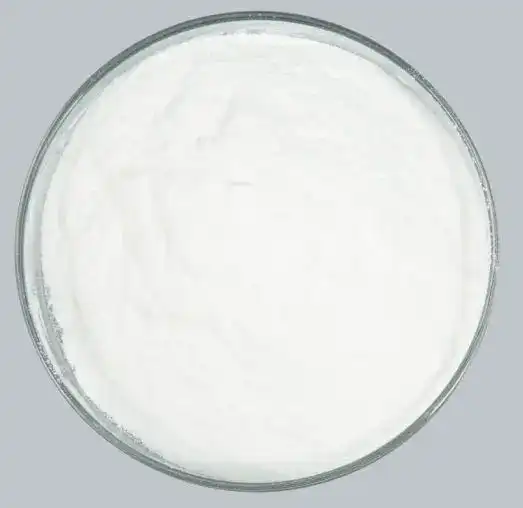
Sodium Hyaluronate, which is made up of repeated disaccharide units of D-glucuronic acid and N-acetyl-D-glucosamine, is the sodium salt form of hyaluronic acid. Because of this unique arrangement, it has a lower molecular weight and dissolves more easily than its acid cousin. It looks like a white to off-white powder, and its glucuronic acid content is usually higher than 45%. Pharmaceutical types have purity levels of 95–99%.
Production Methods and Quality Grades
Instead of traditional animal extraction from rooster combs, modern production mostly focuses on bio-fermentation processes that use Streptococcus zooepidemicus. This biotechnological method eliminates the risk of cross-species contamination and meets the standards for vegan and Halal approval, which is becoming more and more important for getting products to markets around the world. There are different levels of quality, from cosmetic to medicinal. Each level meets its set of rules, such as those set by the European Pharmacopoeia, the United States Pharmacopoeia, and the Chinese Pharmacopoeia.
Applications Across Industries
Different molecular weight ranges give the ingredient different functions. Low molecular weight versions (less than 10 kDa) can get deeper into the skin, which makes them useful for transdermal delivery methods. Cosmetic serums with molecular weights between 50 and 500 kDa are good for both penetrating the skin and keeping the surface moist. Ultra-high molecular weight types (above 2.0 MDa) make protective films and lubricants, making them good for eye drops and vitamins for joint health. Because of these properties, formulation managers can make goods that meet specific performance goals.
How Does Sodium Hyaluronate Work? Mechanism and Benefits?
Water Retention at the Molecular Level
The main process relies on its remarkable ability to retain water. A wet gel matrix is made when the hydroxyl groups on each molecule join with water molecules through hydrogen bonding. It can hold up to 1000 times its weight in water because it is polyanionic and its polymer chains are flexible. In recipes, this property means that the ingredients instantly hydrate and keep the wetness in for a long time.
Interaction with Biological Systems
Sodium Hyaluronate doesn't just sit on the surface; it interacts with the structures of cells. The chemical attaches to CD44 receptors on the outer membranes of fibroblast cells. This sets off intracellular signalling pathways that increase collagen and elastin production. This biochemical process helps the skin's barrier heal and makes tissues more flexible. Research shows that regular use increases the thickness of the dermis and lowers the loss of water through the epidermis. These are measurable results that back up the product promises.
Functional Benefits for Product Development
These processes give real benefits in a wide range of situations. In cosmetics, brands can back up their claims of anti-ageing with measured changes in skin hydration. Nutraceutical companies use their ability to lubricate joints to make goods that help people move around. Pharmaceutical companies use it to make wound-mending mixtures because it speeds up the healing process by encouraging tissue repair. B2B clients get ingredients that support marketing based on evidence and meet buyer standards for how well they work.
Sodium Hyaluronate vs. Hyaluronic Acid and Other Humectants: Key Comparisons for B2B Buyers
Structural Differences That Matter
Even though they are physically similar, Sodium Hyaluronate has smaller molecules and is more stable than hyaluronic acid. This difference in size has a big effect on how the mixture works. Smaller molecules can get inside more easily, and the sodium salt form doesn't break down during processing or storage. Stability tests show that Sodium Hyaluronate keeps working even when the temperature or pH changes, which can damage hyaluronic acid. This lowers the cost of reformulation and makes the product last longer.
Performance Against Alternative Humectants
Sodium Hyaluronate has different performance patterns when compared to glycerin, collagen peptides, or aloe vera extract. Glycerin instantly moisturises the skin's surface, but it doesn't connect with tissues in a way that helps cells. Collagen peptides can add amino acids to your diet, but they can't replace the ability to bind water or support the extracellular matrix. When used in different ways, aloe vera can soothe and heal, but it can also dry out skin. Sodium Hyaluronate has many useful properties in a single ingredient, which makes creation easier and increases effectiveness.
Regulatory and Sourcing Considerations
From the point of view of buying, Sodium Hyaluronate provides clearer regulatory routes. It can be identified consistently across markets thanks to its CAS number (9067-32-7). Sources that come from fermentation meet strict safety standards and help with clean label placement. Certifications like organic, non-GMO, and veggie choices help businesses reach more customers. Formulators can use it with a wide range of ingredient systems without having to make complicated pH changes or use special processing tools. This cuts down on the time and money needed for development and production.
Procurement Guide: How to Source Sodium Hyaluronate for Your Business?
Essential Quality Standards
Setting high standards is the first step to successful buying. For pharmaceutical uses, the protein content must be less than 0.1%, the heavy metals must be less than 10 ppm, and tight microbial limits must be met through batch tests. For cosmetic grades, the material needs to be stable during freeze-thaw cycles and work with most preservation systems. Certificates of Analysis (CoA), stability data, and allergy labels should all be part of the documentation. Before committing to large sales, buyers should ask for samples at the concentrations they plan to use to make sure the product works as expected.
Supplier Evaluation Criteria
To find trusted suppliers, you need to look at their output and quality processes. Look for companies that have ISO certifications, follow good manufacturing practices (GMP), and have check trails that show stability from batch to batch. When suppliers offer different molecular weights, it's easier to change the recipe as product lines change. Getting goods from Asia, Europe, or North America affects shipping prices, wait times, and the strength of the supply chain. Building ties with suppliers who offer professional support, such as help with formulation and fixing problems, is worth more than just the price.
Practical Procurement Strategies
Molecular weight bands, purity levels, and order amounts are often used to set prices. The smallest amount you can order is 1 kg for testing purposes and 25 kg for mass production. The price goes down as you order more, up to 100 kg. Some types of packaging are aluminium foil bags with desiccants to keep powders stable and special cases for solutions that have already been dissolved. Getting longer payment terms or transfer agreements can help you keep track of your cash flow while you're developing a product. Sustainable sourcing helps your business grow by forming partnerships with sellers who understand your place in the market and how you plan to grow.
How to Incorporate Sodium Hyaluronate into Your Product Line?
Formulation Parameters for Optimal Performance
Molecular weight decisions determine how well a program works. Oligo-HA (less than 10kDa) works well with intense serums that provide deep hydration. Weights in the middle (50–500 kDa) are good for daily moisturisers because they balance entry with benefits on the skin's surface. Ultra-high molecular weights (more than 2MDa) work best in protective creams and supplements that need to have a thick consistency. In makeup, the concentration ranges from 0.05% to 2%, and in nutraceuticals, it runs from 50 mg to 200 mg per dose. Testing within this range finds the best mix between how well a product idea works and how much it costs.
Stability and Storage Management
Even though ingredients are naturally stable, they still work best when they are handled properly. Keep powder forms in containers that won't let air in at room temperature, away from direct light and humidity. With the right stabilisers, liquids stay stable between pH 5.0 and 8.0 once they are dissolved. Avoid high-shear mixing, which can break down polymer chains. A complete breakdown can be achieved by shaking slowly at room temperature. Airless packing or clear glass are good for finished goods because they keep them from going bad. These safety measures make sure that the product works the same way throughout its entire lifecycle.
Safety and Regulatory Compliance
Sodium Hyaluronate has great safety ratings for a wide range of uses. Clinical evidence supports use during pregnancy and nursing, but people who are allergic should still get a patch test first. This ingredient won't cause acne and is good for all skin types. It is vegan-friendly because it comes from sources of veggie fermentation. Cosmetic ingredient lists (INCI), food additive status in several countries, and pharmaceutical excipient monographs are all examples of regulatory licences. Compliance documents from providers should show that they are in line with the rules of the target market. This will cut down on approval delays and the risks of entering the market.
Conclusion
The molecular processes by which Sodium Hyaluronate functions provide quantifiable hydration, tissue support, and formulation stability. Because of the way its molecules are structured, it can hold a lot of water and work with cells to help make collagen and fix barriers. When business-to-business buyers understand these functional processes, they can make better purchasing choices that balance effectiveness, legal compliance, and the ability to make money. Because the ingredient can be used in makeup, nutraceuticals, and medicines, it can be used to make products stand out. To integrate well, you need to pay attention to choosing the right molecular weight, making sure the provider has good quality systems, and using formulation factors that give you the best stability and performance over the whole lifecycle of the product.
FAQ
1. Is sodium hyaluronate suitable for sensitive skin formulations?
Due to its biocompatibility and lack of irritability, Sodium Hyaluronate is an excellent choice for sensitive skin types. The ingredient is found naturally in human tissue, which lowers the risk of an allergic reaction. But good composition practice says that procedures for patch testing should be followed before full-scale use. Because it's non-comedogenic, it won't clog pores or cause acne, which makes it useful for acne-prone formulas. When it comes from fermenting vegetables instead of animal parts, it meets the standards for vegan approval and doesn't contain any allergens that might be found in materials that come from animals.
2. What distinguishes fermentation-derived sodium hyaluronate from animal sources?
Using bacterial strains in fermentation-based production gets rid of the cross-species contamination risks that come with rooster comb extraction. This biotechnological method offers uniform molecular weight control, better levels of purity, and ethical sources that fit with what consumers value. The fermentation method makes it possible to precisely standardise quality to meet pharmaceutical-grade standards. It also supports veggie, Halal, and kosher certifications that open up more markets around the world.
Partner with Angelbio for Premium Sodium Hyaluronate Supply
Angelbio offers Sodium Hyaluronate powder that is safe for use in medicine and cosmetics. They have 18 years of experience in independent research and development and strict quality control. We are a reliable Sodium Hyaluronate producer that has been invested in by Angel Holding Group and the Institute of Life and Health Research at Xi'an Jiaotong University. We offer high-purity ingredients that meet EP, USP, and CP standards. Our fermentation-based production guarantees batch stability, vegan friendliness, and low prices, with flexible packages that can hold samples of 1 kg or large amounts. Technical teams can help you reach your goals for product creation by giving you advice on preparation. Email us at angel@angelbiology.com to get samples or talk about your unique buying needs. We want to help you advance your innovation in medicine, nutraceuticals, and skin care.
References
1. Stern, R., Asari, A.A., and Sugahara, K.N. "Hyaluronan fragments: An information-rich system. "European Journal of Cell Biology, 2006.
2. Papakonstantinou, E., Roth, M., and Karakiulakis, G. "Hyaluronic acid: A key molecule in skin ageing." "Dermato-Endocrinology, 2012.
3. Kawada, C., Yoshida, T., Yoshida, H., et al. "Ingested hyaluronan moisturises dry skin." Nutrition Journal, 2014.
4. Bukhari, S.N.A., Roswandi, N.L., Waqas, M., et al. "Hyaluronic acid, a promising skin rejuvenating biomedicine: A review of recent updates and pre-clinical and clinical investigations on cosmetic and nutricosmetic effects." International Journal of Biological Macromolecules, 2018.
5. Juhlin, L. "Hyaluronan in skin. " Journal of Internal Medicine, 1997.
6. Gao, Y., Sun, Y., Yang, W., et al. "Safety evaluation of the sodium salt of hyaluronic acid produced by microbial fermentation." Food and Chemical Toxicology, 2008.