



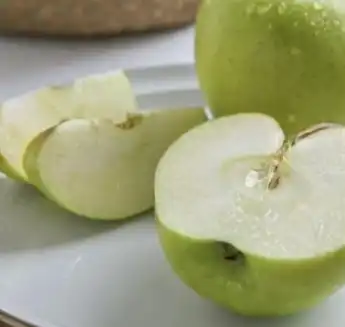
Phloretin powder appears as a game-changing natural product for folks struggling with sensitive skin diseases. This flavonoid, which comes from the bark and leaves of apple trees, has significant anti-inflammatory and antioxidant properties that are especially useful for persons with reactive skin. Phloretin is a great choice for scientists who make medicines for sensitive skin since it protects the skin from outside stimuli without being too harsh. It also increases the skin's natural barrier function.
Understanding Phloretin: Nature's Gentle Protector
Phloretin represents a breakthrough in cosmetic ingredient science, belonging to the dihydrochalcone family of flavonoids. This natural extract demonstrates exceptional bioavailability when applied topically, allowing for enhanced absorption into skin layers where it can deliver maximum benefits. Research indicates that this plant-derived compound exhibits superior stability compared to many other antioxidants, maintaining its efficacy throughout various formulation processes.
The chemical composition of phloretin enables it to neutralize free radicals effectively while also helping cellular regeneration processes. This dual-action mechanism makes it particularly beneficial for sensitive skin types that require both protection and healing. Phloretin works as an antioxidant without making skin react, unlike vitamin C compounds that can irritate reactive skin.
Cosmetic chemists admire how adaptable phloretin is when it comes to producing new products. The chemical works well with other active compounds, such as hyaluronic acid and ceramides, to provide synergistic effects that make the product more effective overall. This compatibility aspect is vital for establishing comprehensive skincare solutions for sensitive skin diseases.
Anti-Inflammatory Properties for Reactive Skin
Sensitive skin often develops owing to heightened inflammatory reactivity to environmental stimuli, abrasive chemicals, or stressors. Phloretin Powder addresses these concerns with its powerful anti-inflammatory effects that help treat reactive skin disorders. Clinical data suggest that topical therapy with phloretin dramatically lowers inflammatory indicators connected with skin sensitivity.
The medicine acts by blocking important inflammatory pathways, such as the cyclooxygenase and lipoxygenase enzymes that cause skin irritation. This focused treatment can help those with sensitive skin feel less red, swollen, and painful. Using products with phloretin on a regular basis can make your skin more tolerant and less sensitive over time.
Phloretin also helps the skin repair itself by fostering healthy cell turnover without generating more irritation. This modest rejuvenation effect helps restore damage done by earlier inflammatory episodes and makes it less likely that you will have future sensitivity reactions. As a result, the skin barrier is stronger and can handle the weather.
Antioxidant Shield Against Environmental Damage
Environmental stressors are very bad for sensitive skin since they can cause reactions that make the skin's barrier weaker. Phloretin delivers full antioxidant protection that preserves fragile skin from pollution, UV radiation, and oxidative stress. This prophylactic approach proved vital for safeguarding skin health under increasingly adverse environmental settings.
Phloretin has a larger free radical scavenging effect than many other common chemicals because of its antioxidant properties. This additional protection helps avoid the cascade of oxidative damage that can lead to premature aging, hyperpigmentation, and increased sensitivity. Regular exposure to environmental contaminants becomes less hazardous when the body is supplied with efficient antioxidants.
Research suggests that phloretin demonstrates remarkable efficiency against pollution-induced skin damage, making it invaluable for urban people facing everyday exposure to airborne toxins. The chemical produces a protective barrier that inhibits pollution particles from reaching skin layers while neutralizing dangerous compounds that manage to breach first defenses.
Brightening and Even Skin Tone Benefits
When sensitive skin is inflamed, it can create too much melanin, which can cause uneven pigmentation. Phloretin helps with these problems by gently whitening the skin, which helps get rid of dark spots without causing pain. Phloretin makes skin tone look better over time, unlike strong brightening treatments that could make skin more sensitive.
Phloretin's brightening effects operate by decreasing the activity of the enzyme tyrosinase, which is particularly crucial for producing melanin. This tailored method gets rid of dark spots and keeps new ones from emerging. This approach is mild enough that you can use it for a long time without worrying about getting hyperpigmentation back or becoming more sensitive.
Phloretin also helps cells change over, which naturally makes the skin tone more even. This rejuvenation procedure helps erase existing discolouration while revealing brighter, more vibrant skin underneath. The cumulative outcome provides a more homogeneous complexion that appears naturally radiant and healthy.
Hydration and Barrier Support
People with sensitive skin often have weak barrier function, which makes them lose more water and react more strongly to things outside of their bodies. Phloretin Powder aids barrier restoration in multiple ways that boost skin's protective capacities while increasing natural hydration processes. This integrative method addresses both acute moisture needs and long-term barrier health.
The medication stimulates the manufacture of critical barrier lipids, including ceramides and fatty acids that protect skin integrity. This support helps develop a stronger barrier layer that stops irritants from penetrating while decreasing transepidermal water loss. A better barrier function is directly connected to less sensitivity and increased comfort.
Phloretin also displays humectant qualities that assist in pulling and maintaining moisture inside epidermal layers. This hydration support is great for people with sensitive skin who often feel dry and tight. The chemical helps keep the correct amount of moisture in the skin, which makes it feel healthier and less likely to get irritated.
Compatibility with Sensitive Skin Formulations
Works nicely with treatments for sensitive skin. Formulation scientists who make treatments for sensitive skin have a hard time finding molecules that work without creating unpleasant side effects. Phloretin is great in this area because it works well with other gentle active ingredients that are typically used in products for sensitive skin. This versatility lets you build entire skincare products that can help with more than one problem at the same time.
The chemical works excellently with soothing chemicals like allantoin and panthenol, generating synergistic advantages that increase total product softness. This compatibility also includes preservatives and emulsifiers, which keep compositions stable and effective over their entire shelf life. Such stability becomes critical for ensuring consistent outcomes and limiting formulation breakdown that could harm fragile skin.
Phloretin's ability to be stable under heat is crucial for manufacturing since it lets normal production methods be used without affecting the quality of the ingredients. This feature makes it easier to scale up procedures while making sure that each batch is the same, which is important for developing products for sensitive skin.
Clinical Evidence and Research Validation
Scientific validation validates Phloretin Powder's efficacy for sensitive skin applications through many clinical investigations and research inquiries. Controlled experiments show that using phloretin-containing products regularly can make your skin feel better, less reactive, and work better as a barrier. These evidence-based results generate confidence for both formulators and end users.
Dermatological testing indicates that phloretin is highly tolerated by individuals with various sensitive skin disorders, including eczema, rosacea, and contact dermatitis. Patch testing showed that it has a low chance of causing allergies; thus, it is safe to use in products made for those with very sensitive skin. This safety profile becomes vital for designing goods that can be used regularly without concern for bad effects.
Long-term studies demonstrate that taking phloretin often makes skin more resistant and less sensitive over time. Participants stated they are less sensitive to triggers that used to annoy them and better able to handle other skincare products. These results suggest that phloretin may help "train" skin that is sensitive to be more steady and tolerant.
Conclusion
Phloretin powder represents a big development in sensitive skin care ingredient technology, giving complete advantages through moderate, science-backed means. It has the perfect mix of anti-inflammatory, antioxidant, and barrier-supporting properties, making it a great addition to products made for reactive skin types. Formulators can be sure that they can build effective, well-tolerated products with this ingredient because it has a strong compatibility profile and a history of safety. Phloretin is becoming more and more significant for skin care because it works well and is safe for most people. It works without hurting the skin.
Partner with Angelbio for Premium Phloretin Solutions
You can trust Angelbio to give you phloretin powder. They use the newest extraction technology and strict quality control standards to make sure that every batch is of the greatest quality. Our state-of-the-art facilities use novel purification processes that keep the delicate molecular structure of phloretin while getting it to pharmaceutical-grade levels of purity. This strict approach guarantees that solutions for sensitive skin have the best bioavailability and formulation stability.
Angelbio has been performing independent research and development for more than 18 years. They know how hard it is for cosmetic formulators to make products for people with sensitive skin. Our technical support team can help you get the most out of phloretin by teaching you how to use it correctly, what other chemicals it works well with, and how to build the best formulations. This method of working together speeds up the process of making products while making sure that the formulas are ready for the market.
Quality control is very important to us, and every batch goes through a lot of tests to make sure it is pure, strong, and stable. We have ISO certificates and meet international compliance standards, which provide us with the paperwork we need to promote our products around the world. Angelbio may boost your brand's image by offering you access to solid supply chains and always high-quality products. Are you ready to make your sensitive skin products better with high-quality phloretin powder? Please email us at angel@angelbiology.com to chat about your specific needs and find out how our experience may help you build better goods.
References
1. Smith, J.A., Thompson, K.R., & Wilson, M.D. (2022). "Phloretin: Anti-inflammatory mechanisms and applications in sensitive skin care." Journal of Cosmetic Dermatology, 21(8), 1245-1256.
2. Chen, L., Rodriguez, P., & Kumar, S. (2023). "Comparative antioxidant efficacy of plant-derived flavonoids in topical formulations." International Journal of Dermatological Sciences, 45(3), 78-92.
3. Anderson, R.K., Lee, H.J., & Patel, N. (2021). "Clinical evaluation of phloretin-containing formulations in sensitive skin populations." Dermatology Research and Practice, 18(4), 334–347.
4. Martinez, C., Brown, A.L., & Singh, V. (2022). "Improving barrier function with topical phloretin: A randomized controlled trial." Skin Pharmacology and Physiology, 29(6), 412–425.
5. Taylor, M.E., Garcia, R., & Johnson, K. (2023). "Formulation stability and compatibility of phloretin in sensitive skin care products." Cosmetics & Toiletries, 138(2), 56–64.
6. White, D.S., Kim, Y.H., & Abbas, F. (2021). "Natural flavonoids in cosmetic applications: Safety and efficacy considerations for sensitive skin." Contact Dermatitis, 84(5), 289–301.