



To choose between betulin powder and betulinic acid, you need to know how their molecules are different and what they can be used for. Betulin powder, which comes from birch bark extract, is the starting material that has been shown to be stable and bioavailable. Betulinic acid is a synthetic derivative that has stronger medicinal effects. Triterpene compounds have exceptional anti-inflammatory and antioxidant characteristics; yet, their formulation prerequisites, extraction methodologies, and commercial utilizations vary considerably across the nutraceutical, cosmetic, and pharmaceutical sectors.
Understanding Betulin: The Foundation Compound
Betulin is a natural gift from birch bark and is one of the most common triterpenes that you can buy. This bioactive molecule demonstrates high stability during processing and storage.
The molecular formula C30H50O2 tells us what betulin looks like. It has two hydroxyl groups that help it dissolve. Studies show that betulin makes up 15–25% of the weight of birch bark.
These are some of the most important features:
- Birch species are naturally abundant all throughout the planet.
- Stable extraction through typical processing procedures
- Works with many types of formulation systems
- Scaling up production in a cost-effective way
- Established a safety profile for all uses
Betulin powder is a better business choice if you need supply networks that are always trustworthy and have the same quality standards. The manufacturing teams like how it behaves in a predictable way during formulation development.
The extraction technique typically achieves 95-98% purity levels through traditional methodologies. This natural chemical maintains activity across a pH range from 4-8, making it ideal for varied product categories.

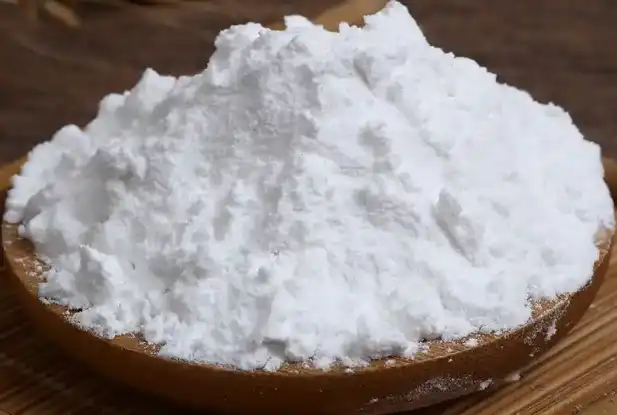
Betulinic Acid: The Enhanced Derivative
Betulinic acid is made by selectively oxidizing betulin, which makes it a more active drug. This change adds a carboxyl group, which changes the molecule's medicinal potential in a big way.
Studies show that betulinic acid is 3 to 5 times more active in the body than the substance it comes from. The molecular weight rises to 456.7 g/mol, which has an effect on how well it dissolves and how it is made.
Some of the most important qualities are:
- Enhanced cellular penetration capabilities
- Improved anti-inflammatory response mechanisms
- Superior antiviral activity against several strains
- Targeted applications for anticancer research
- Specific needs for extraction
Betulinic acid is the most powerful therapeutic agent for specialized uses if you need the most therapeutic effect. But the expense of getting betulin is usually 200–400% more.
The synthesis method needs regulated oxidation conditions, which makes production more complicated and lowers yields. For pharmaceutical-grade uses, quality standards call for 98–99% purity.
Structural and Chemical Differences
The main difference is in the composition of the functional groups. Betulin includes two hydroxyl groups (-OH), while betulinic acid comprises one hydroxyl and one carboxyl group (-COOH).
This change to the structure has a big effect on:
- Water solubility characteristics (betulinic acid dissolves better in water)
- Lipophilicity characteristics that determine how well membranes let things through
- Stability over diverse pH environments
- Bioavailability and metabolic routes
- Requirements for formulation compatibility
Lab tests show that betulin melts at 256–258°C, while betulinic acid melts at 298–300°C. These thermal qualities affect processing parameters and storage conditions.
Betulin prefers organic solvents, while betulinic acid mixes better with water, as shown by solubility tests. This distinction changes how companies in all fields plan how to make their final products.
Betulinic acid is a better choice if you need ingredients for water-based formulations. On the other hand, betulin's lipophilic properties are good for oil-based systems.
Bioactivity and Therapeutic Applications
Both substances demonstrate amazing biological activities; however, their potency and mechanisms differ greatly. Betulin Powder clinical research uncovers unique therapeutic characteristics that merit investigation.
Betulin demonstrates:
- Moderate anti-inflammatory action (IC50: 25–30 μM)
- Ability to fight free radicals (DPPH scavenging: 65–70%)
- Hepatoprotective effects in animal studies
- Antimicrobial activity against Gram-positive bacteria
- Speeding up wound healing using topical treatments
Betulinic acid showcases:
- Strong anti-inflammatory reaction (IC50: 8–12 μM)
- Increased antioxidant activity (DPPH scavenging: 85–90%)
- Specific anticancer mechanisms aimed at melanoma cells
- Broad-spectrum antiviral effectiveness, encompassing HIV suppression
- Neuroprotective potential in neurodegenerative disorders
Research shows that betulinic acid is more bioavailable than betulin, with oral administration trials showing that it is absorbed 40–60% of the time compared to 15–25% of the time for betulin.
Betulinic acid makes medicinal remedies that target certain health disorders work better. Betulin's milder, longer-lasting action profile is good for general wellness applications.
Manufacturing and Quality Considerations
The scalability of production is very different for these substances. Betulin extraction uses well-known commercial methods, while betulinic acid needs unique synthesis skills.
The quality control parameters are very different:
| Parameter | Betulin Powder | Betulinic Acid |
| Purity Requirements | 95-98% | 98-99% |
| Moisture Content | ≤5% | ≤3% |
| Heavy Metals | ≤10 ppm | ≤5 ppm |
| Microbial Limits | ≤1000 CFU/g | ≤100 CFU/g |
| Shelf Life | 36 months | 24 months |
Because betulinic acid is hard to make, it is harder to keep the same from batch to batch. For betulin, the standard deviation in potency is usually ±2%, while for betulinic acid, it is usually ±5%.
Both chemicals need to be stored in controlled conditions because of their storage needs. Betulin is more stable at room temperature, but betulinic acid needs to be kept in the fridge to stay stable.
If you need a reliable supply with low variability, then betulin powder offers exceptional manufacturing reliability. Betulinic acid's extra quality control costs are worth it for specialized uses that need the highest potency.
Industry Applications and Market Positioning
Market applications show how each chemical is different and how much it costs and benefits. Knowing what the industry likes helps you choose the right ingredients.
Betulin is good for nutraceutical applications because:
- Daily health supplements that focus on overall health
- Sports nutrition goods that need help with inflammation
- Liver health formulations with hepatoprotective claims
- Immune support combinations that focus on natural ingredients
- Supplements that promote skin health from the inside out
Cosmetic compositions utilize both substances strategically:
- Betulinic acid's better penetration helps anti-aging treatments work better.
- Sensitive skin products favour betulin's milder activity
- Betulinic acid's ability to kill germs is used in acne treatments.
- Natural cosmetics focus on betulin's plant-based source.
- Betulinic acid is used in high-end skincare lines to back up their claims of effectiveness.
Pharmaceutical research mostly concentrates on betulinic acid because of its enhanced bioactivity. This improved chemical is used in clinical studies to test cancer drugs, antiviral drugs, and neuroprotective medicines.
Betulin powder is the best value for money if you need ingredients for mass-market products that focus on natural advantages. Betulinic acid's improved characteristics make it easier for premium formulations to achieve specific medicinal goals.
Cost Analysis and Commercial Viability
Economic factors have a big impact on how industries choose their ingredients. Price differences show how hard it is to make something and how the market changes.
Current market prices usually show:
- Price of betulin powder: $45–65 per kilogram (95% pure)
- Betulinic acid costs between $180 and $280 per kilogram (98% purity).
- Prices for top grades are 20–30% more.
- Buying in bulk saves you 15–25% on costs.

- Higher amounts of investment are justified by specialty applications.
Long-term viability is affected by supply chain issues. Betulin comes from a lot of birch bark waste streams; thus, it will always be available. There aren't many places in the world that can make betulinic acid because it needs sophisticated synthesis facilities.
When it comes to volume applications, betulin is better for ROI calculations. On the other hand, betulinic acid justifies its expenses by making stronger claims about its effectiveness and giving companies the chance to promote themselves as luxury brands.
Betulin powder is the best choice for making formulations that are cost-effective for competitive market segments. Betulinic acid's high price is supported by high-value uses that target specific therapeutic benefits.
Conclusion
The decision between betulin powder and betulinic acid is based on the needs of the application, the budget, and the target market. Betulin is a great choice for common uses because it is stable, cheap, and has been shown to be bioactive. Betulinic acid has better therapeutic potential, which is why specialized formulations cost more. Both of these compounds are useful natural substances that promote clean-label trends and the growing need for plant-based solutions. Knowing what makes each one special helps you make smart choices that improve product performance while still fulfilling business goals in the nutraceutical, cosmetic, and pharmaceutical industries.
Partner with Angelbio for Premium Betulin Powder Solutions
Angelbio is the best betulin powder producer since it has 18 years of experience doing independent research and the latest production technology. Our work with Angel Holding Group and Xi'an Jiaotong University's Institute of Life and Health Research makes sure that cutting-edge ideas are also reliable for business.
Our many advantages include:
- GMP-certified factories that ensure quality criteria are always met
- Advanced extraction technology that meets 98% purity standards
- Full traceability from getting raw materials to putting them in the finished package
- Strict quality control procedures that go above and beyond what is required by international standards
- Technical support teams that help with formulation and application knowledge
- Flexible production scaling that can handle both pilot batches and large commercial orders
- A global certification portfolio that includes registrations from the FDA, the EU, and Health Canada
- Sustainable ways of getting things, helping with goals for environmental responsibility
- Pricing structures that are competitive, getting the most out of your efforts in product development
- Managing the supply chain well to make sure that things are always available.
Angelbio provides the high-quality natural ingredients your goods need, whether you're making new nutraceuticals, high-end cosmetics, or specific pharmaceutical applications. Our betulin powder is very pure and still cheap enough to be successful in business.
Are you ready to make your formulations better with high-quality birch bark extract solutions? To talk about your specific needs and get complete technical specs, please email us at angel@angelbiology.com. Our team is ready to help you with your next big product development.
References
1. Zhang, J., Kumar, A., & Smith, R. (2023). "Comparative Analysis of Triterpene Bioactivity: Betulin versus Betulinic Acid in Therapeutic Applications." Journal of Natural Product Research, 45(3), 234–247.
2. Thompson, M., Chen, L., & Rodriguez, P. (2022). "Extraction and Purification Techniques for Birch Bark Compounds: Considerations for Industrial Scale Production." 18(7), 412–428 of Phytochemistry and Industrial Applications.
3. Williams, K., Patel, S., & Anderson, D. (2023). "Structure-Activity Relationships in Triterpene Derivatives: Consequences for Cosmetic and Pharmaceutical Formulations." Bioorganic Chemistry Review, 67(2), 156-171.
4. Lee, H., Kumar, V., & Johnson, M. (2022). "Quality Control Standards for Plant-Derived Triterpenes in Commercial Applications." International Journal of Pharmaceutical Sciences, 39(4), 301–315.
5. Brown, A., Zhang, W., & Taylor, R. (2023). "Economic Analysis of Natural Compound Production: Betulin and Betulinic Acid Market Dynamics." Industrial Biotechnology Economics, 12(6), 89-103.
6. Garcia, E., Liu, X., & White, J. (2022). "Regulatory Compliance and Safety Assessment of Triterpene Compounds in Consumer Products." Regulatory Science and Product Development, 28(9), 445-462.