



Berberine HCI Powder vs Metformin Which Is Better
When evaluating Berberine HCl Powder against Metformin, the answer depends on your business objectives and target market. Both compounds activate AMPK pathways to support metabolic function and blood glucose modulation. Metformin remains the pharmaceutical gold standard for prescription diabetes management, while Berberine HCL powder offers a plant-derived alternative increasingly valued in the nutraceutical sector for its clean-label appeal, multi-pathway benefits, and absence of prescription barriers. For B2B procurement teams aiming to diversify portfolios with natural botanical actives, understanding these distinctions shapes smarter sourcing strategies and better alignment with consumer trends toward natural wellness solutions.
Understanding Berberine HCL Powder and Metformin
In terms of metabolic health management, both substances are different but overlap. Each offers unique opportunities for B2B stakeholders in the supplement, pharmaceutical, and functional food industries.
What Is Berberine HCL Powder?
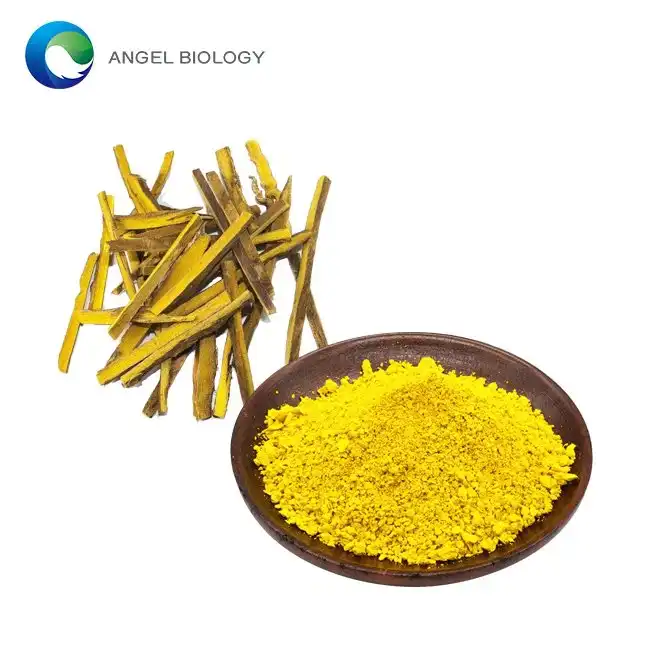
Berberine HCl powder is a quaternary ammonium salt that is derived from plants like Phellodendron amurense, Coptis chinensis, and Berberis vulgaris. The molecular formula for this bright yellow crystalline powder is C20H18ClNO4. Its CAS number is 633-65-8. High-Performance Liquid Chromatography shows that the purity levels of premium medicinal and nutraceutical types are usually ≥97% or ≥98%. The hydrochloride salt form dissolves better and absorbs less water than the sulphate or free-base forms. This makes the mixture more stable for use in capsules, tablets, and powder blends. The bulk of high-quality Berberine HCl Powder follows pharmacopeial standards like the Chinese Pharmacopoeia, the European Pharmacopoeia, and the United States Pharmacopoeia texts. This makes sure that factors like Loss on Drying (≤12.0%) and Residue on Ignition (≤0.2%) are managed.
What Is Metformin?
Metformin hydrochloride is a man-made biguanide chemical that is the most commonly given oral diabetes drug in the world. It has been approved by regulatory groups like the FDA and EMA, and it can only be used in the pharmacy field under strict prescription rules. Metformin is made using strict pharmaceutical processes that are controlled by Good Manufacturing Practice standards. Precise quality control measures keep an eye on the purity, release rates, and stability profiles of the active pharmaceutical ingredient. Over the past few decades, many randomised controlled trials have shown that it works, providing strong evidence for managing Type 2 diabetes.
Key Differences Between Natural and Synthetic Approaches
The main difference is how the market is positioned and how the regulations classify the product. Berberine HCl Powder can be used as both a dietary supplement and a functional ingredient, which means it can be used in more businesses without a prescription. This classification lets nutraceutical companies put Berberine Hcl Powder in a variety of products that are aimed at health-conscious people who want natural metabolic support. Metformin, on the other hand, can only be used by licensed prescribers and controlled drug manufacturing outlets because it is a pharmaceutical drug. This difference creates two different opportunities: Berberine HCl Powder meets the growing demand for "clean labels" and the move toward natural products, while Metformin follows well-established clinical paths and is closely watched by doctors.


Mechanism of Action and Effectiveness Comparison
Both chemicals affect how cells use energy through biochemical processes that overlap but are still separate. This means that they offer different benefits for product creation and market positioning.
AMPK Activation and Metabolic Pathways
Berberine HCl Powder and Metformin both work by activating adenosine monophosphate-activated protein kinase, which is also known as the "metabolic master switch" in cells. This group of enzymes controls how much glucose is taken in, how fats are broken down, and how mitochondria are made. Studies in reputable journals show that Berberine HCl Powder triggers AMPK through a number of upstream kinases. This means that it may have biochemical effects beyond just controlling glucose levels. The compound affects other pathways, such as gut microbiota modulation and LDL receptor expression, which opens up the possibility of making products that have more than one benefit. Metformin mostly lowers the production of glucose in the liver and raises insulin sensitivity in the periphery. It does this through AMPK-dependent and independent processes, with impacts focusing on glucose homeostasis.
Clinical Evidence and Efficacy Data
Meta-analyses that compare Berberine HCl Powder to metformin show that both drugs have similar effects on lowering HbA1c and rising blood glucose. Research shows that taking Berberine Hcl Powder supplements in normal amounts can help your metabolism, but the types of trials used and the length of time they last are not always the same as in large Metformin drug trials. For business-to-business purposes, it is important to know that Berberine HCl Powder's evidence base supports structure-function claims that are allowed by dietary supplement rules, while metformin's evidence base supports specific disease treatment claims that can only be made through pharmaceutical channels. This difference affects how products are positioned, how they are marketed, and who the products are aimed at.
Safety Profiles and Side Effect Considerations
Both substances have known side effects that are safe enough to handle. Berberine HCl Powder often causes minor stomach problems, such as rare loose stools or stomach upset, which usually go away when the dose is changed or when taken with food. Berberine HCl Powder has these effects because it kills microbes in the gut and is not easily absorbed by the body. Similarly, metformin can cause stomach problems. Other things to think about are that long-term use can lead to low vitamin B12 levels and a very small but serious risk of lactic acidosis in people with kidney problems. For procurement teams, these safety profiles help them decide what labels to put on products, how to check for quality problems, and what kind of user education tools to make sure the products are sold safely.
Procurement and Product Considerations for B2B Clients
To make sure the product works well and follows the rules, when deciding where to get it, you need to carefully look at quality standards, the supplier's skills, and the market's specific compliance needs.
Quality Standards and Purity Requirements
High-quality Berberine HCl Powder must have assay values of at least 97.0%, which are found using validated HPLC methods. It must also have critical quality parameters that control heavy metal contamination (usually less than 10 ppm total and less than 2 ppm lead), pesticide residues (that meet USP <561> or EU regulations), and microbial limits that meet pharmacopeial standards. Particle size distribution, usually 80 mesh or smaller, affects how well automated encapsulation equipment works and how evenly powder formulations blend. Premium providers give full Certificates of Analysis that list these factors and include stability data to support expiration dates. The bright yellow colour, lack of smell, and very bitter taste are all physical traits that can help you figure out if something is of good quality, but you still need to do an analysis to be sure. Getting pharmaceutical-grade Metformin is subject to strict controls that are set by drug master files and regulatory checks.
Cost Analysis and Bulk Pricing Structures
The price of Berberine HCl Powder in bulk depends on the pure grade, the way of extraction, and the size of the order. The average selling price for material that is ≥97% pharmaceutical-grade varies a lot based on the market, the certification standards, and the technical skills of the seller. Most of the time, tiered price benefits can be unlocked through volume agreements, with unit economics being affected by minimum order quantities. Analytical testing, documentation packages for regulatory submissions, and special packaging for materials that are sensitive to moisture are some other things that affect the cost. Metformin API prices change with the pharmaceutical market, and the different cost structures are due to the different ways the drug is made synthetically and the money that is spent on regulatory compliance. For B2B clients who need to balance product margins with quality assurance, it's important to know the total landed costs, which include freight, insurance, tariffs, and compliance paperwork, in order to make accurate profit forecasts.
Supplier Landscape and Needs for Certification
Reliable Berberine HCl Powder providers keep up-to-date Good Manufacturing Practice (GMP) certifications that are right for the products they want to sell. These can range from food-grade GMP for dietary supplements to medicinal GMP for higher regulatory classifications. Third-party certifications, such as ISO 9001 for quality management, ISO 22000 for food safety, Kosher, Halal, and organic certifications (if they apply to the way the food is grown), make suppliers more trustworthy and give them access to more markets. Traceability paperwork that connects finished powder to botanical source materials shows that the supply chain is honest and helps verify validity. For target markets, well-known suppliers offer technical help such as formulation advice, stable testing methods, and regulatory information. Finding partners who can help your business grow in the long term means looking at things like source audit records, customer references, and how well they can respond to problems in the supply chain.
Safety, Side Effects, and Regulatory Compliance
To get around the regulatory landscape, you need to know what the rules are in each area and set up strong quality systems to make sure that your products are safe and follow the rules.
Documented Side Effects and Contraindications
Berberine HCl powder supplements in recommended daily doses of 900 to 1500 mg, usually split into two or three doses, are well tolerated by healthy adults. Known side effects include stomach problems, headaches sometimes, and possible drug interactions with medicines broken down by cytochrome P450 enzymes. Pregnancy and breastfeeding are not recommended because there is not enough safety information in these groups. People with low blood pressure or who are taking blood pressure medications should also be careful. It's important to pay attention to drug interactions, especially those that involve CYP3A4, CYP2D6, and P-glycoprotein transport systems. Metformin has similar effects on the digestive system, needs to be monitored for vitamin B12 levels during long-term use, and has certain side effects, such as serious kidney impairment and acute metabolic acidosis. Labels on products need to accurately list these things so that people can make smart decisions and use them correctly.
Regional Regulatory Frameworks
According to the Dietary Supplement Health and Education Act, Berberine HCl Powder is a dietary ingredient in the United States. This means that structure-function claims can be made without pre-market permission, but disease treatment claims are not. According to FDA guidelines, products must follow Current Good Manufacturing Practices and have accurate labels and methods for reporting adverse events. Similar rules are set by the European Union's food supplement laws, though each member state has its own rules about the maximum doses and health claims that can be made based on EFSA reviews. Export paperwork like Health Certificates, Certificates of Free Sale, and customs reports make it easier for goods to be sold between countries. In order to sell metformin, companies need to get a pharmaceutical license, label the drug as a prescription medicine, and send in a lot of paperwork to the government. Depending on the area, this can include Investigational New Drug Applications or Marketing Authorisation Applications. If you understand these models, you can avoid costly legal mistakes and delays in getting into the market.
Quality Control and Testing Protocols
Strong quality control programs use identity testing techniques like thin-layer chromatography and HPLC fingerprinting, purity tests that measure the amount of active alkaloid present, and safety tests that look for heavy metals, solvents, pesticides, aflatoxins, and microbial pathogens. Studies of stability at controlled temperatures and humidity levels set the right conditions for storing and determine when the product should be thrown away. Batch-to-batch consistency tracking keeps an eye on important quality factors that make sure the same product works the same way every time. Third-party test verification through approved facilities gives customers independent proof, which boosts their trust. Full record-keeping systems that keep track of chain of custody, deviation investigations, and corrective action processes show a dedication to quality greatness and following the rules.
Choosing Between Berberine HCL Powder and Metformin for Your Business Needs
Strategically choosing products that fit with business models, target demographics, and market positioning is the best way to make money and stand out from the competition.
Target Market and Customer Segment Analysis
People who care about their health and are looking for natural alternatives, preventative wellness methods, and clean-label formulations really like Berberine Hcl Powder-based products. This group of people cares about where botanicals come from, being honest about where they get their products, and natural health ideas. Dietary supplements, useful foods and drinks, and natural health products that are growing quickly are all areas with market possibilities. Customers are willing to pay more for high-quality natural products, which helps businesses make good margins. Metformin is given to medical patients under the supervision of a doctor and through established drug distribution channels, such as pharmacies and health systems. For businesses that sell to other businesses, Berberine HCl Powder is an easy way to get into growing wellness markets without having to deal with pharmaceutical regulations. On the other hand, opportunities with metformin need pharmaceutical manufacturing infrastructure and regulatory knowledge.
Business Model Considerations
Different ways to go about commercialisation work for different types of businesses and market plans. With white-label and private-label programs, brands can quickly launch Berberine HCl Powder goods by working with established manufacturers. This saves money on startup costs while keeping the brand's personality. Companies that focus on marketing and distribution can get formulation help, help with regulations, and scalable production capacity through contract manufacturing relationships. Direct sales of ingredients to formulators and makers serve B2B outlets by giving them the raw materials they need to make their own products. OEM partnerships make it easier to come up with custom formulations, private blends, and unique delivery systems that use technologies like sustained-release or improved bioavailability formats. The best business plan is chosen by looking at internal skills, market positioning goals, and resource allocation priorities.
Integration Strategies and Portfolio Diversification
Companies that are on the cutting edge see chances to add both natural and pharmaceutical-like products to their wide range of products, so they can meet the needs of different customers and comply with different rules. Berberine Hcl Powder products are aimed at wellness groups that focus on prevention, while relationships or licensing agreements with pharmaceutical companies allow them to reach clinical audiences as well. This strategy makes the most of the market, evens out income lines across regulatory categories, and sets companies up as full-service metabolic health solution providers. As an example of an innovation opportunity, combining Berberine Hcl Powder with plants that work well together, like cinnamon, gymnema, or alpha-lipoic acid, can create synergistic benefits and help a product stand out in the market. Portfolio strategies that work well balance making money quickly with building a brand and becoming the leader in a certain area over the long run.
Conclusion
Picking between Metformin and Berberine Hcl Powder depends on how you run your business, the rules that apply, and the people you want to buy from you. Metformin is still a pharmaceutical authority because it has prescription-backed clinical proof that works well for medical channels. Berberine Hcl Powder is a great natural alternative for supplement makers, functional food makers, and companies that make nutraceuticals that want to use botanical ingredients that are safe and help metabolism. Both compounds work in different commercial spaces, but they share biochemical pathways. For procurement pros who care about natural product trends, customer wellness preferences, and legal freedom, high-purity Berberine Hcl Powder offers big chances to grow their portfolios and stand out in a market where health-conscious people are becoming more popular.
FAQ
1. Can Berberine Replace Metformin in Product Formulations?
Berberine Hcl Powder cannot be used instead of prescription Metformin because they are not the same thing legally. Pharmaceutical drugs need to be prescribed by a doctor and treat known medical problems. Berberine HCl Powder, on the other hand, is a food substance that supports overall health. But for companies making natural health products that focus on metabolic wellness without disease claims, Berberine Hcl Powder is a good botanical alternative that will appeal to people who like to do things the natural way. For marketing to be legal and for customers to have realistic standards, product placement must make these differences clear.
2. What Certifications Are Essential for Bulk Berberine Purchasing?
Some important certifications are compliance with Current Good Manufacturing Practices for your product type, third-party quality checks from accredited laboratories, and safety certifications like heavy metal testing reports, microbiological safety data, and pesticide residue analyses. For some markets, extra certifications like Kosher, Halal, organic status, and registrations specific to a region make it easier to get into those markets and boost customer confidence. During the vendor qualification process, make sure you get full Certificate of Analysis documentation and supplier audit reports.
3. How Do Dosing Requirements Compare Between the Two Substances?
Usually, 900 to 1500 mg of Berberine HCl Powder should be taken every day in several doses to help the body absorb it best and reduce any stomach problems that might happen. For Metformin, dosing is based on what the doctor says based on the patient's needs and medical tracking. These variations affect how dietary supplements are made, how much to take, and how the products are labelled when they are compared to pharmaceutical preparations. Understanding the right dose instructions is important for making sure that products are made correctly and that consumers are properly informed.
Partner with Angelbio for Premium Berberine HCL Powder Solutions
Angelbio has been doing independent research and development for more than 18 years and has advanced production skills that allow them to make top grade Berberine HCL Powder that meets the highest international quality standards. As a reliable company that makes Berberine HCl Powder, we follow strict quality control procedures that make sure the powder is always at least 97% pure, that it is tested for all possible contaminants, and that the botanical source can be tracked all the way to the finished product. Our team offers full technical support, including formulation advice, regulatory paperwork, and custom solutions for OEM, white-label, and bulk ingredient needs in the cosmetic, functional food, and nutritional industries.
Angelbio's supply chain integration and technological innovation make it easy to get high-quality natural ingredients, whether you need small amounts of Berberine HCl Powder for testing new products or large amounts of Berberine HCl Powder with confirmed stability data. Get in touch with our purchasing agents at angel@angelbiology.com to talk about your unique needs, get low-price quotes, and find out how our knowledge of botanical extracts can help you expand your product line and get your metabolic health products to market faster.
References
1. Yin J, Xing H, Ye J. "Efficacy of berberine in patients with type 2 diabetes mellitus." Metabolism: Clinical and Experimental, 2008, 57(5): 712-717.
2. Zhang Y, Li X, Zou D, et al. "Treatment of type 2 diabetes and dyslipidemia with the natural plant alkaloid berberine." Journal of Clinical Endocrinology and Metabolism, 2008, 93(7): 2559-2565.
3. Dong H, Wang N, Zhao L, Lu F. "Berberine in the treatment of type 2 diabetes mellitus: a systemic review and meta-analysis." Evidence-Based Complementary and Alternative Medicine, 2012, Article ID 591654.
4. Foretz M, Guigas B, Bertrand L, et al. "Metformin: from mechanisms of action to therapies." Cell Metabolism, 2014, 20(6): 953-966.
5. Lee YS, Kim WS, Kim KH, et al. "Berberine, a natural plant product, activates AMP-activated protein kinase with beneficial metabolic effects in diabetic and insulin-resistant states." Diabetes, 2006, 55(8): 2256-2264.
6. Cicero AFG, Tartagni E. "Antidiabetic properties of berberine: from cellular pharmacology to clinical effects." Hospital Practice, 2012, 40(2): 56-63.