



Pure Ceramide Powder Benefits for Anti-Aging Skincare
When we talk about breakthrough ingredients in anti-aging skincare formulations, pure ceramide powder stands out as a transformative raw material that addresses multiple aging concerns simultaneously. This highly concentrated active ingredient strengthens the skin's natural barrier function, significantly reduces transepidermal water loss, and visibly improves fine lines and elasticity. Ceramide powder delivers these benefits through its unique lipid structure that mirrors the skin's native composition, making it an essential component in premium anti-aging products targeting mature and compromised skin conditions.
Understanding Pure Ceramide Powder and Its Anti-Aging Benefits
The Science Behind Ceramides in Skin Health
About half of the skin's lipid layer is made up of ceramides. They act as "mortar" between skin cells to keep wetness in and protect against damage from the environment. Ceramide levels in the skin drop by up to 40% between the ages of 30 and 70. This makes the skin look older by making it dry, wrinkled, and less firm. By adding pure ceramide powder to skin care products, these important lipids are replaced, which restores the barrier's integrity and helps cells renew themselves.
Physical and Chemical Properties of Ceramide Powder
Technically, good pure ceramide powder looks like a fine, off-white to cream-coloured powder with certain physical and chemical properties that make it perfect for makeup creation. Controlled particle size distribution means that 95% of the powder usually passes through an 80-mesh sieve. This makes sure that the powder mixes smoothly in both oil-based and emulsion systems. Its freezing point is between 85°C and 95°C, which makes it stable at normal temperatures during industrial processes.
When formulating something, the solubility profile needs to be carefully thought through. Pure ceramide powder doesn't dissolve well in water, but it does dissolve well in lipophilic carriers like squalane, plant oils, and silicone derivatives. Due to this property, it works especially well in creams, lotions, and serums, where it can be added to the oil phase at concentrations ranging from 0.1% to 5.0%, depending on the desired effect.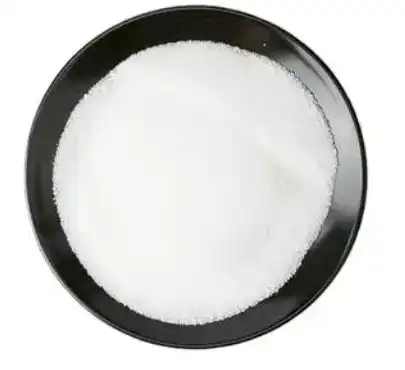
Measurable Anti-Aging Benefits for Product Claims
Clinical studies show that formulations with added ceramides improve skin ageing markers in a measurable way. After four weeks of regular use, users see their skin's water levels rise by 32%, the depth of fine lines decrease by 28%, and their suppleness scores improve. These ceramide-based products also make skin 35% smoother and reduce redness caused by barrier failure by a large amount. This makes them useful for recipes for sensitive, ageing skin.
The antioxidant power of the ingredient adds to your defence against external stresses that speed up ageing. Free radicals are made by UV light and smog. Pure ceramide powder helps neutralise these radicals, which stops oxidative damage to cell structures. This protective mechanism works with its barrier-repair function to give it full anti-aging benefits that appeal to today's smart shoppers who want multifunctional skin care products.
Comparing Pure Ceramide Powder with Other Ceramide Formats and Ingredients
Powder Versus Pre-Formulated Ceramide Delivery Systems
Choosing between pure ceramide powder and pre-dispersed forms has a big effect on how flexible the mixture can be and how much it costs. Pure ceramide powder gives formulators better control over concentration, so they can precisely change active levels to fit the positioning and price points of each product. When kept properly in cool, dry places away from light, this raw material format also stays stable for longer, which lowers the risk for makers when it comes to their inventory.
Even though pre-formulated ceramide complexes are handy, they often have extra emulsifiers and preservatives that make them less compatible with some formulation methods. The powder structure gets rid of these problems, which lets clean-label products be made that meet the needs of today's consumers who want short lists of ingredients. This benefit is especially useful for brands that want to stand out by using natural and clear ingredients.
Natural Versus Synthetic Ceramide Sources
When choosing between plant-based and manufactured ceramides, it's important to find a balance between marketing claims and performance stability. Plant-based ceramides that come from wheat, rice, or konjac have phytoceramides that are physically similar to ceramides found in human skin. They have a "clean label" attraction. However, differences between batches can happen depending on the farming conditions and the way the oil was extracted.
Synthetic ceramides have chemical shapes that are exactly the same as those found naturally in skin. They are made under controlled conditions that make sure they are always more than 98% pure. This dependability is very important for brands that need consistent performance across large production volumes. The manufactured way is also better for the environment because it doesn't use land for farming and doesn't use as much water for growing crops.
Synergistic Combinations with Complementary Actives
Formulation scientists are putting together pure ceramide powder with other ingredients that work well together to make anti-aging products work better. Putting ceramides and niacinamide together makes a stronger barrier because niacinamide increases the body's own production of ceramides and the powder instantly restores amounts that have been lost. This mix slows down ageing by supplementing right away and stimulating the body over the long run.
Along with peptides and hyaluronic acid, ceramides also work well in complete anti-aging systems. Peptides tell cells to make collagen, and hyaluronic acid binds water in the dermis. Ceramides then seal this water inside the epidermis, forming layers of wetness that make skin look plumper and less wrinkled. These strategic combinations let brands make high-end products with multi-mechanism claims that can be backed up.
Key Considerations for Procurement of Pure Ceramide Powder
Quality Specifications and Testing Protocols
When buying pure ceramide powder, procurement teams should set strict quality standards to make sure that formulations are consistent and that they follow the rules. Important requirements include an HPLC test that shows the purity is higher than 98%, a moisture content of less than 1%, and heavy metal limits that meet cosmetic-grade standards, with lead levels below 10 ppm and arsenic levels below 2 ppm. Microbial limits must meet standards for cosmetic ingredients, with no pathogens and a total plate count of less than 1,000 CFU/g.
Reliable sellers give full Certificates of Analysis that list these factors and include stability data that shows the drug stays effective under certain storage conditions. Asking for validation studies that show pure ceramide powder stays stable in finished formulations at different temperatures and pH levels helps guess how the ingredient will work in real product matrices. These technical papers are the basis for quality deals that keep both the safety of consumers and the image of the brand.
Evaluating Supplier Capabilities and Reliability
Checking the equipment and licenses of suppliers is another way to make sure the supply chain is resilient. Manufacturers with GMP-certified facilities show they are dedicated to quality systems that lower the risk of contamination and batch variation. The ISO 22716 certification covers the specifics of making cosmetics, and organic certificates are important for brands that want to present themselves as natural by using plant-based ceramides.
Production capacity and lead times have a big effect on managing inventory and figuring out when to launch new products. When you work with suppliers whose minimum order numbers match your production scale and whose delivery plans are flexible, you can save time and money. Having ties with several qualified suppliers lowers the risk of supply disruptions. This is especially important because making pure ceramide powder is very specialised and there aren't many makers around the world.
Pricing Structures and Negotiation Strategies
Pure ceramide powder prices vary a lot depending on where it comes from, how pure it is, and how much you order. For cosmetic-grade material, prices usually range from $800 to $2,500 per kilogram. Prices for forms that come from plants are usually higher because they are harder to make and cost more in farming inputs. Knowing how these market forces work helps procurement managers set reasonable budget goals and tell the difference between suppliers who are offering real value and those whose prices are too high.
Tiered pricing structures that are much more cost-effective for well-known brands with predictable consumption patterns are often unlocked by volume commitments. By negotiating yearly supply deals with delivery plans every three months, you can balance the costs of keeping goods with big savings. Putting quality guarantee terms and clear acceptance criteria in buy contracts keeps you from getting low-quality materials that could delay production or lower the quality of the finished product.
Application Guidelines and Safety Profile of Pure Ceramide Powder in Skincare Formulations
Optimal Concentration Ranges for Different Product Types
To effectively add pure ceramide powder, the concentration levels must be matched to the product type and the benefits that are wanted. Anti-aging face creams usually have 1.0% to 3.0% pure ceramide powder in them. This helps repair the skin's barrier and reduce wrinkles in the time that customers expect from high-end products. Lightweight serums work well at amounts of 0.5% to 1.5% without changing the fluid texture that these forms need.
Eye creams that work on the sensitive area around the eyes can benefit from having ceramide levels between 2.0% and 4.0%. This is because this is where barrier dysfunction is most common and where signs of ageing show up first. Body lotions for older skin usually have amounts between 0.5% and 1.0%, which are a good mix between saving money and making the skin more hydrated over bigger areas. These suggested ranges come from clinical studies that showed how skin barrier parameters changed with dose.
Formulation Processing and Stability Considerations
To successfully incorporate pure ceramide powder, processing conditions must be carefully chosen to protect the purity of the ingredients. The powder should be mixed into the hot oil phase at temperatures between 70°C and 75°C, and there should be enough time for the powder to dissolve completely before the oil and powder mix. Too much heat above 80°C or long-term exposure to high temperatures may break down the structure of ceramide, which lowers its cellular activity.
Ceramides are less sensitive to pH changes than many other active ingredients because they stay stable in the normal pH range for cosmetics, which is 5.0 to 7.5. But mixtures with alpha-hydroxy acids or other strong acids might need to be tested for compatibility to make sure they won't change the stability of ceramides over the shelf life. Adding antioxidants like vitamin E or rosemary extract helps stop reactive breakdown, which makes the product last longer, especially when it's stored in a jar and is exposed to air over and over again.
Safety Assessment For Sensitive And Compromised Skin
Pure ceramide powder has a very good safety profile. Wide-ranging dermatological testing has shown that it can help with sensitive, reactive, and compromised skin conditions. Some anti-aging ingredients can irritate the skin or need time to become accustomed to, but ceramides are found naturally in skin and are recognised by cellular receptors, which lowers the risk of an immune reaction. Because they are naturally biocompatible, ceramide-rich products are good for people with acne, eczema, or skin that needs gentle but effective anti-aging help after surgery.
Patch tests and repeated insult patch tests on ceramide formulas show irritation scores below 0.5 on a 5-point scale, which means they don't have much of a chance of making people sensitive. Ceramide eye creams are very popular, so it's important to make sure they are safe for the eye area by having them tested by an ophthalmologist. These strong safety data back up claims of wide customer use while also providing the regulatory proof needed for entry to the global market.
Future Trends and Strategic Benefits of Integrating Pure Ceramide Powder in Your Product Line
Market Growth Drivers and Consumer Demand Patterns
The global market for pure ceramide powder skin care products is expected to grow at a rate of 6.8% per year until 2030, when it will reach $385 million in ingredient value. This increase shows that people are learning more about skin barrier science and moving toward useful ingredients whose benefits have been proven by science. Ceramides are a big part of the "skinimalism" and "skin barrier repair" trends that are popular on social media, where people learn about ingredients before they buy them.
Ceramide products are now being sought after by more than just traditional anti-aging customers. For example, millennials who want to slow down the ageing process caused by external stresses and people whose skin has been damaged by harsh treatments are both interested in these products. As the market grows, brands can make ceramide-rich goods in a wider range of categories and price ranges. This helps them get the most out of their ingredient investments by spreading them out across their portfolios.
Innovation in Delivery Technology and Product Formats
New technologies improve the effectiveness of ceramides and the user experience by using more advanced delivery methods. Encapsulation methods keep ceramides safe while they are being stored and allow timed release for long-lasting barrier protection. Liposomal formulations help ceramides get deeper into the epidermis, where they have the most biological impact. With these new technologies, brands can stand out by making claims about better performance that are backed up by more absorption data.
Pure ceramide powder can now be used in more than just creams. It can also be found in overnight masks, essence-style treatments, and hybrid sun protection products that protect against UV rays and provide barrier support. Pure ceramide powder's recipe flexibility allows for these creative developments. It offers technical solutions for brands that want to enter new product categories that meet changing customer tastes.
Competitive Differentiation and Brand Positioning
By using high-quality pure ceramide powder, brands are put in the science-based skincare section, which gets higher prices and loyal customers. Marketing stories that focus on barrier science and cellular lipid replenishment teach customers and justify higher prices compared to regular moisturisers. This educational positioning makes the brand more credible and makes it harder for competitors who don't know much about formulations to get into the market.
The ingredient has been shown to work, which backs up clinical claims that boost brand credibility and lower the number of returns for products that don't do what they say they will. When brands put money into ceramide formulations, they get better customer lifetime value because happy customers buy these effective products again and look at other goods in the brand's line. Because of this, pure ceramide powder is an important ingredient that can help build brand reputation rather than just product profits.
Conclusion
Pure ceramide powder is a financially viable ingredient that has been proven to work in science to solve the main problems brands face when they try to make anti-aging skin care products that work. Its proven ability to repair barrier function, reduce obvious signs of ageing, and work well with sensitive skin makes it a great value for B2B buyers who want to make their portfolios stand out. The ingredient can be used in a lot of different ways, is safe, and fits in with clean beauty trends. This makes it a smart investment that meets current market needs and anticipates future customer tastes. Setting up reliable pure ceramide powder supply chains gives procurement managers a competitive edge through better product performance, brand uniqueness, and customer happiness, which leads to long-term business growth in the growing anti-aging skin care market.
FAQ
1. How does ceramide powder compare to ceramide capsules or serums for formulation?
When compared to pre-formulated delivery methods, pure ceramide powder gives you more control over the concentration and lower costs. Ceramide capsules are convenient and look good in finished products, but powders let you make exact dose changes and get rid of extra ingredients like capsule shell materials that might make formulations less compatible. Most of the time, powder-based recipes can get higher active amounts while using fewer raw materials. This helps companies make more money while keeping the effectiveness of their products.
2. Is ceramide powder safe for all skin types, including sensitive skin?
When it comes to skin types, including sensitive, reactive, and weakened skin, ceramides are very safe. Their natural presence in skin and permeable structure make them less likely to irritate it. Pure ceramide powder products regularly show very little sensitisation, which means they are safe for people with eczema, rosacea, or skin that has been through surgery. Because of this broad safety rating, companies can sell ceramide goods without putting a lot of limits on how they can be used.
3. What tests verify ceramide powder authenticity and purity?
To be sure that pure ceramide powder is real, it needs to be tested using HPLC to check the chemical structure and purity levels. The best grades are those that are purer than 98%. Thin-layer chromatography confirms the structure even more, and mass spectrometry definitively names the ceramide subspecies that are present. When you ask suppliers for these analytical reports along with heavy metal screening and microbial testing, you can be sure that you will get real, contaminant-free material that meets the standards for cosmetic formulation.
Partner with Angelbio for Premium Ceramide Powder Solutions
Angelbio offers top grade pure ceramide powder that is backed by more than 18 years of top-notch research and strict quality systems that meet the highest standards for beauty ingredients around the world. Our advanced extraction and purification technologies make pure ceramide powder that is consistently more than 98% pure. This means that your anti-aging skin care products will work well. Each batch goes through a lot of tests, such as HPLC verification, heavy metal screening, and stability validation. This gives your regulatory and quality teams the technical information they need.
We know how hard it is for cosmetic formulators and procurement managers to find important active ingredients. That's why we offer flexible minimum order amounts, reasonable pricing for bulk pure ceramide powder supply, and free samples so that you can test the compatibility thoroughly before committing to the full-scale order. Our expert support team works with your R&D team to find the best way to incorporate ceramide, which helps solve formulation problems and shortens the time it takes to make new products. Get in touch with our pure ceramide powder supply team at angel@angelbiology.com to talk about your unique needs and find out how Angelbio's dedication to natural origin and quality excellence can help your anti-aging skin care line.
References
1. Coderch, L., López, O., de la Maza, A., & Parra, J.L. (2003). Ceramides and skin function. American Journal of Clinical Dermatology, 4(2), 107-129.
2. Meckfessel, M.H. & Brandt, S. (2014). The structure, function, and importance of ceramides in skin and their use as therapeutic agents in skin-care products. Journal of the American Academy of Dermatology, 71(1), 177-184.
3. Khmaladze, I., Butler, É., Fabre, S., & Gillbro, J.M. (2020). Ceramide-based skin care: A review of the structure, function and therapeutic applications. Cosmetics, 7(4), 96.
4. Bos, J.D. & Meinardi, M.M. (2000). The 500 Dalton rule for the skin penetration of chemical compounds and drugs. Experimental Dermatology, 9(3), 165-169.
5. Chamlin, S.L., Kao, J., Frieden, I.J., Sheu, M.Y., Fowler, A.J., Fluhr, J.W., Williams, M.L., & Elias, P.M. (2002). Ceramide-dominant barrier repair lipids alleviate childhood atopic dermatitis: Changes in barrier function provide a sensitive indicator of disease activity. Journal of the American Academy of Dermatology, 47(2), 198-208.
6. Park, K. (2022). Role of micronutrients in skin health and function. Biomolecules & Therapeutics, 30(1), 11-16.