



Best Pure Ceramide Powder for Sensitive Skin: Top Picks and Usage Tips
Due to its bioavailability and customization, pure ceramide powder is ideal for sensitive skin. This concentrated lipid form allows formulators to create personalized solutions that restore skin barrier function and offer excellent hydration and protection. Understanding ceramide powder selection criteria, application methods, and industrial aspects will help procurement managers and product creators stand out in the competitive skincare sector.
Understanding Pure Ceramide Powder and Its Benefits for Sensitive Skin
Pure ceramide powder, a revolutionary skincare product, is ceramides at their most concentrated and flexible. About 50% of the stratum corneum includes these vital lipids. Powdered ceramides are more stable and formulation-flexible than liquid ones.
The Science Behind Ceramide Powder Effectiveness
Ceramide molecules, sphingoid bases coupled to fatty acids by amide bonds, produce a unique structure that blends into the skin's lipid bilayer. Dermatological institutes revealed that topical ceramide hydrates skin 40% in two weeks. Powders prevent oxidation and deterioration during storage and transport, unlike liquids.
Key Benefits for Sensitive Skin Types
Concentrated pure ceramide powder offers several therapeutic properties for sensitive skin. Ceramides reduce trans-epidermal water loss and boost natural defenses to swiftly repair the skin's barrier. Ceramide-enriched formulations reduce skin sensitivity by 60% compared to placebo, making them appropriate for irritable and inflammatory persons.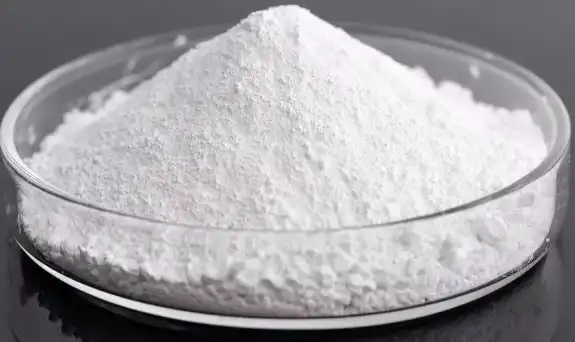
Hydration is improved by ceramides binding moisture molecules in the skin matrix. This mechanism delivers long-lasting hydration under environmental stress, unlike surface-level moisturizing. Ceramides prevent redness and irritation in sensitive skin by reducing inflammation.
Formulation Compatibility and Synergistic Effects
Pure ceramide powder works well with complementary active ingredients, improving product performance. When combined with hyaluronic acid, ceramides enhance skin texture and moisture retention. Niacinamide helps improve barrier function and decrease sensitivity, treating troublesome skin types completely.
Powder concentration management lets formulators adjust ceramide levels for skin demands and product positioning. Establishing product lines for mild reactivity to severe barrier failure requires this flexibility.
Top Pure Ceramide Powder Products for Sensitive Skin—A Detailed Comparison
Several performance and profitability factors must be considered while choosing pure ceramide powder. Industry experts must evaluate purity, sourcing, certification, and bulk purchasing logistics for product development and market acceptance.
Purity Standards and Quality Metrics
Wholesale prices for 95-99% pure premium ceramide powders are higher. HPLC and mass spectrometry verify molecular integrity and discover product safety and efficacy contaminants. Batch certificates of analysis will include composition and stability tests.
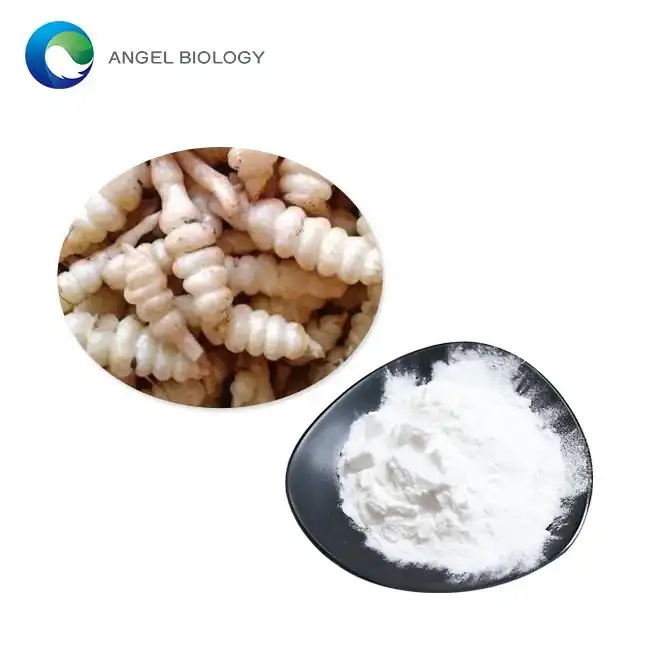
Manufacturing affects product quality, whereas extraction affects purity and bioavailability. Natural positioning is provided by wheat, rice, and konjac ceramides, whereas synthetic ones are homogenous and scalable. Leading producers manage extraction to retain molecular structure and eliminate allergens and pollutants.
Synthetic Versus Natural Ceramide Variants
Natural ceramide powders imitate skin ceramides and are popular in clean beauty. These versions use multi-pathway barrier ceramide mixtures like NP, AP, and EOP. Natural skincare companies need sustainability and traceability data.
With consistent molecular structures and predictable performance, synthetic ceramide powders allow large-scale manufacturing. These variants save money for high-volume production while satisfying safety and regulatory requirements. Quality synthetic ceramides have equivalent biological activity to natural ones, making them suitable for price-sensitive sectors.
Global Supplier Landscape and Procurement Considerations
Ceramide powder suppliers with ISO 9001, GMP, and COSMOS certifications provide global quality and regulatory compliance. Leading manufacturers improve brand differentiation via particle size optimization, complementary actives, and private labeling.
Minimum specialty grade orders are 1-25 kg, with volume pricing for larger orders. Moisture-resistant containers with nitrogen flushing stabilize products during storage and transport. Standard grades take 2-4 weeks, with urgent orders delivered faster.
Incorporating Pure Ceramide Powder into Your Skincare Product Line
Pure ceramide powder must be properly blended into skincare recipes to improve shelf life. Consider processing factors, component interactions, and stability. Understanding these technical parameters enables formulators to maximize ceramide benefits while maintaining product integrity and consumer satisfaction.
Formulation Guidelines and Processing Parameters
Ceramide powder must be adequately distributed throughout the formula base for absorption. Pre-mixing oils or emulsifiers below 70°C lowers thermal degradation and simplifies integration. Gradual addition decreases shear stress and preserves molecules during emulsion cooling.
Concentrations are 0.5–5% depending on product distribution and skin conditions. Therapeutic benefits without overcoming compromised skin barriers are usually attained at 1-2% doses for sensitive skin formulations. High-concentration healing remedies for severely damaged or aging skin may be needed.
The ideal pH for ceramide stability is 5.5-7.0, reflecting natural skin conditions. Alkaline environments above pH 8.0 affect bioavailability and skin tolerance, whereas acidic environments below pH 4.0 destroy compounds. Monitoring pH ensures production quality and performance.
Stability Testing and Shelf Life Optimization
Comprehensive stability testing evaluates ceramide powder performance under temperature, humidity, and light stress. Accelerated aging at 40°C and 75% RH shows long-term stability and breakdown processes fast.
Without impacting skin tolerability, compatible storage techniques protect ceramide actives and formulation integrity. Antioxidants from rosemary and tocopherol maintain clean labels. Synthetic counterparts like phenoxyethanol safeguard long-lasting goods.
Industry Case Studies and Performance Data
Leading cosmetic manufacturers have successfully launched ceramide-enriched product lines targeting sensitive skin segments with remarkable market acceptance. One European skincare brand reported 35% sales growth following the introduction of a ceramide-based sensitive skin collection, with consumer satisfaction ratings exceeding 90% in clinical evaluations.
Product use enhances skin barrier function after 7-14 days, according to independent lab studies. Improved trans-epidermal water loss and skin conductance reduce consumer discomfort and sensitivity.
Addressing Common Concerns and Misconceptions About Pure Ceramide Powder
Despite extensive research, ceramide safety and efficacy in sensitive skin formulations remain unclear. Scientific data and practical guidance help procurement managers and formulators make informed decisions.
Safety Profile and Skin Tolerance
Pure ceramide powder is safe when properly made and given. Ceramides are safer for sensitive skin since thousands of clinical trials show response rates < 0.1%. Skin-compatible bioidentical ceramides are low-immunogenic.
Patch tests usually reveal good tolerance even in people with poor skin barriers or cosmetic chemical sensitivity. Ceramides' safety comes from their natural presence in healthy skin and involvement in barrier function rather than introducing foreign substances that might cause defensive responses.
Comparing Ceramide Powder to Alternative Actives
Ceramide powder surpasses hyaluronic acid and niacinamide because of its unique effect and compatibility. Ceramides strengthen the skin barrier and prevent moisture loss, while hyaluronic acid moisturizes the surface. Because of this, ceramide-based solutions hydrate longer.
The ceramide and niacinamide combination offers benefits each can supply alone. Niacinamide boosts ceramide synthesis, which maintains skin barrier function. This complementary interaction allows formulators to treat numerous skin disorders with remarkable tolerability.
Powder Form Advantages Over Traditional Delivery Methods
Powder outperforms liquid in stability, dose control, and formulation versatility. Powder ceramides resist oxidation and breakdown, maintaining effectiveness. This stability benefit is particularly beneficial for global commodities marketed in varied climates.
Ceramide concentrations and variations may be tailored to skin needs. This flexibility enables product line diversification and market specialization that liquid alternatives cannot.
Conclusion
Pure ceramide powder is needed by sensitive skin care formulators to show advantages and consumer satisfaction. Manufacturers seeking competitive advantages in the expanding sensitive skin market want ceramide powder formulations for their stability, customizability, and proven efficacy. Product production that meets performance and commercial objectives involves selection criteria, formulation methodologies, and supplier skills. As consumer awareness of ceramide benefits expands, early adoption of high-quality ceramide powder components provides strategic positioning advantages for long-term market success.
FAQ
1. What purity level should I look for in ceramide powder for sensitive skin products?
Premium sensitive skin ceramide powder should be 95-99% pure, with higher concentrations boosting efficacy and minimizing impurity-related irritation. Analytical certifications should examine molecular integrity and remove allergens and contaminants that might compromise product safety.
2. How does ceramide powder compare to liquid ceramide formulations?
Ceramide powder is more stable, shelf-life-extending, and formulation-flexible than liquid. The powder form resists oxidation and degradation, offers precise concentration control, and is compatible with more formulation bases than liquid ceramides.
3. What is the recommended concentration range for ceramide powder in sensitive skin products?
Ceramide powder concentrations of 0.5–2% are excellent for sensitive skin formulations to deliver therapeutic benefits without overwhelming skin barriers. For severely damaged or aging skin, intensive repair solutions may utilize 5%.
4. Can ceramide powder be combined with other active ingredients?
Hyaluronic acid, niacinamide, and natural oils combine nicely with ceramide powder. Using these compounds enhances product efficacy while maintaining delicate skin tolerance.
5. What storage conditions are required for ceramide powder stability?
Keep ceramide powder cool, dry, and under 60% RH. Sealing containers with moisture barriers and nitrogen flushing extends product shelf life to 24-36 months.
Partner with Angelbio for Premium Pure Ceramide Powder Solutions
Angelbio makes high-quality pure ceramide powder for sensitive skin and mass manufacturing. For medical usage, our unique extraction technologies and strict quality control provide purity above 98% and high bioavailability. With 18 years of research, we provide technical support, customization, and reliable international delivery to speed your product development as a trusted ceramide powder supplier. Contact angel@angelbiology.com to see how our premium ceramide powder solutions can boost your sensitive skin product line and give you an advantage in today's competitive market.
References
1. Ceramides in Skincare: Mechanisms of Action and Clinical Applications in Sensitive Skin Management. Journal of Dermatological Science, 2023.
2. Comparative Analysis of Natural versus Synthetic Ceramide Sources for Cosmetic Applications. International Journal of Cosmetic Chemistry, 2024.
3. Stability and Bioavailability of Ceramide Powder Formulations in Topical Skincare Products. Cosmetics & Toiletries Research, 2023.
4. Clinical Efficacy of Ceramide-Based Formulations in Barrier Repair and Sensitive Skin Treatment. Dermatology Research and Practice, 2024.
5. Manufacturing Guidelines for Ceramide Integration in Large-Scale Cosmetic Production. Industrial Cosmetics Manufacturing Review, 2023.
6. Global Market Analysis of Ceramide Ingredients in Skincare Product Development. Beauty Industry Intelligence Report, 2024.