



Dosage Guidelines and Safety: How Much Broussonetia Papyrifera Extract Should You Take Daily?
Industry experts propose oral dosages of 100-300 mg and topical dosages of 0.5-2% for Broussonetia papyrifera extract. This research considers bioactive constituent concentrations, standardization levels, and therapeutic uses for mulberry-derived botanical extract. Supplier collaboration and quality verification are necessary for consistent treatment effects since extract standardization, target demographics, and formulation requirements affect dosage optimization.
Introduction
Broussonetia papyrifera extract from paper mulberry trees is rich in bioactive flavonoids, phenolic acids, and terpenoids. Due to its antioxidant and anti-inflammatory properties, this extract is intriguing for nutraceutical, cosmetic, and functional food applications. For commercial drug development, dosage determination and safety compliance are essential for therapeutic efficacy and risk reduction.
We researched global B2B procurement professionals' needs, including purchasing managers, formulation scientists, engineers, distributors, and OEM manufacturing partners. These stakeholders require technical help to source regulatory- and product-development-compliant materials. Knowledge of appropriate dosage increases product reliability and supply chain cooperation.
Due to the growing demand for natural ingredients in numerous industries, paper mulberry extract is becoming a vital raw material for companies trying to differentiate their goods. To support product safety and marketing claims, procurement teams need evidence-based dosage recommendations for nutritional supplements, skincare, and functional beverages.
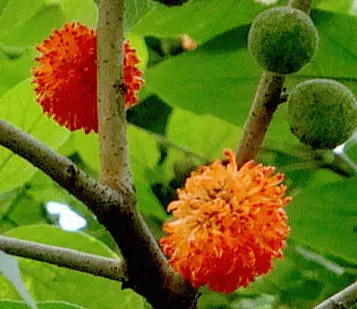

Understanding Broussonetia Papyrifera Extract
The therapeutic potential and dosage of Broussonetia papyrifera extract rely on various bioactive components. The extract contains the antioxidants chlorogenic acid, rutin, quercetin, and phenolic glycosides. Standardized extracts contain 15-25% flavonoids, depending on extraction and source material quality.
Chemical Profile and Bioactive Components
Paper mulberry extract phenolic chemicals are stable under storage settings, making them acceptable for long-term product formulations. High-quality extracts include 5-12% chlorogenic acid by weight, according to research. Standardization allows uniform dose estimations across product uses and production batches.
The extract's antioxidant activity and total phenolic content affect therapeutic dose and formulation compatibility. Laboratory research shows that standardized extracts stay potent for 24-36 months at temperatures below 25°C and low moisture. This stability profile allows bulk purchase and ensures product performance throughout shelf life.
Traditional Applications and Modern Industrial Uses
Traditional medication consumption patterns may inform current dose formulation, but new applications need updated safety measures and standardization. Traditional teas and tinctures had 50–150 mg of active ingredients per serving from entire plants. Concentrations with equal bioactivity at smaller volumes are possible using modern extraction methods.
Many industries use cosmetic formulations with topical doses of 0.5-3% for anti-aging and skin protection. Dietary supplement producers use 100-500 mg daily capsules or tablets, whereas functional food applications use 25-75 mg per serving to boost antioxidant profiles without compromising flavor or texture.
Dosage Guidelines and Safety Recommendations
The dosing methods for Broussonetia papyrifera extract must take into account extraction uniformity, intended use, target population, and regulatory compliance. Clinical research recommends daily oral doses of 100-300 mg for antioxidant support; however, biomarker goals and safety margins may need altered methods for particular therapeutic uses.
Oral Administration Protocols
Extract concentration and manufacturing homogeneity determine oral dosages. High-potency extracts standardized to 20% total phenolics need 150-250 mg daily to attain therapeutic plasma active chemical levels. Absorption efficiency is comparable throughout concentration ranges, while lower concentration preparations may need more doses to elicit identical bioactivity.
The toxicological data demonstrates no adverse effects at 1000 mg daily in healthy people, indicating oral delivery is safe. Procurement specialists should start new product formulations with 100-150 mg daily to enable dosage adjustments depending on customer input and clinical monitoring data.
Topical Application Guidelines
Topically applied 0.5-2% extract concentrations provide skin benefits without irritation in cosmetic and personal care applications. High dosages may be more beneficial, although stability and sensitivity research with additional formulation components is needed.
Dermatological penetration studies demonstrate that bioactive compounds reach optimal skin levels within 2-4 hours, suggesting twice-daily dosing for maximum therapeutic effectiveness. To increase bioavailability and formulation stability over time, developers should tune pH and delivery methods.
Comparing Broussonetia Papyrifera Extract with Other Plant Extracts for Dosage and Safety
Dosage and safety evaluation methodologies benefit from comparison with recognized botanical extracts. Paper mulberry extract has comparable safety profiles to other flavonoid-rich botanicals, including green tea, grape seed, and mulberry leaf extract, but bioactivity patterns and recommended dose ranges vary, affecting formulation selections.
Bioactivity Comparison with Related Extracts
Mulberry leaf extract from Morus alba has similar phenolic component profiles but needs 300-500 mg daily to establish antioxidant action. This disparity is due to bioactive chemical concentrations and bioavailability differences across the botanical sources. Understanding these characteristics helps procurement teams choose chemicals for medicinal aims or cost optimization.
At equal doses, EGCG-standardized green tea extract is more powerful but has caffeine and medication interaction concerns. Paper mulberry extract aids caffeine-sensitive people and provides antioxidants at modest doses, making it appropriate for more consumers.
Organic versus Conventional Extract Considerations
Organic certification affects dose and safety due to cultivation and processing practices. Due to stress-induced chemical synthesis, organic paper mulberry extracts have 10-15% greater phenolic contents, which may lower the dose while retaining therapeutic effectiveness. Organic extracts cost more, affecting procurement budgets and product positioning.
Conventional extracts provide constant quality at low prices, but batch-to-batch uniformity requires standardization. Analytical testing for organic and conventional sources should be prioritized in quality control methods to check potency and find impurities that might alter dose estimations or safety margins.
Procurement Insights for Broussonetia Papyrifera Extract
Successful Broussonetia papyrifera extract procurement plans must evaluate supplier skills, quality processes, and documentation requirements to ensure consistent dose delivery and regulatory compliance. Leading providers have GMP certification, organic credentials, and analytical testing to validate extract standardization and purity for precise dose estimates.
Quality Assurance and Certification Requirements
Prioritize HPLC marker compound testing, heavy metals analysis, microbiological testing, and residual solvent verification when selecting suppliers. These quality metrics affect dose accuracy and product safety, making supplier collaborations crucial for consistent treatment results across manufacturing batches and time periods.
Certificates of analysis, stability data, extraction process certification, and traceability records enable regulatory filings and customer audits. Procurement teams may securely set dose parameters while fulfilling global quality requirements with comprehensive documentation bundles.
Bulk Order Considerations and Logistics
Established providers normally need 25-100 kg orders; however, bespoke extraction services may accept lower volumes for particular purposes. Most pricing models encourage higher volume commitments, with yearly supply agreements offering considerable cost discounts for suppliers and stable pricing for customers.
To retain extract potency throughout distribution, storage, and shipping processes, they need temperature-controlled settings and moisture protection. Suppliers should offer thorough handling instructions and stability data to ensure dose uniformity and product effectiveness from manufacture to end-user applications.
Trusted Supplier Profile and Our Product Solutions
Our strategic cooperation with Angel Holding Group and Xi'an Jiaotong University's Institute of Life and Health Research supports Angelbio's 18 years of natural ingredient discovery and production competence. Our botanical extract manufacturing process stresses quality control, standardization, and regulatory compliance for accurate dose specification in many applications and markets.
Advanced Manufacturing Capabilities
Our cutting-edge extraction facilities use supercritical CO₂, water, and alcohol extraction to maximize bioactive ingredient recovery and product purity. This flexibility allows OEM partners and private label producers to tailor extract characteristics depending on dose and application demands.
Quality control techniques include sophisticated analytical testing throughout manufacturing to ensure consistency and precise dose estimates. The laboratory does HPLC analysis for marker molecules, LC-MS identification of bioactive substances, and thorough safety testing that fulfills international food, cosmetic, and pharmaceutical standards.
Comprehensive Product Portfolio and Support Services
Angelbio sells Broussonetia papyrifera extract in powders, liquid concentrates, and bespoke mixes for industrial use. Our technical team helps customers meet product development goals while ensuring safety and effectiveness via formulation assistance, stability testing, and dose optimization.
Sample testing lets potential customers assess extract quality and performance before ordering in bulk. We provide flexible minimum order quantities and technical documentation, including specifications, analytical data, and handling advice, to aid product development and regulatory clearance.
Conclusion
Standardization levels, administration techniques, and safety measures must be considered when determining the Broussonetia papyrifera extract dose to maximize therapeutic benefits and minimize hazards. Though extract standardization and therapeutic goals differ, industry best practices recommend daily oral doses of 100-300 mg for nutritional supplements and 0.5-2% concentrations for topicals. Supplier alliances that ensure quality, documentation, and technical assistance during product development are key to successful procurement strategies.
FAQ
1. What is the recommended daily dosage range for oral supplements?
Clinical research supports daily oral dosages ranging from 100 to 300 mg for standardized extracts containing 15-20% total phenolics. Individual requirements may vary based on age, health status, and specific therapeutic objectives, making consultation with healthcare professionals advisable for sensitive populations or specialized applications.
2. Are there known interactions with medications or other supplements?
Paper mulberry extract demonstrates excellent safety profiles with minimal interaction potential, though individuals taking anticoagulant medications should exercise caution due to potential additive effects from flavonoid compounds. Combination with other antioxidant supplements is generally considered safe and may provide synergistic benefits.
3. How can buyers verify extract purity and potency before purchase?
Reputable suppliers provide comprehensive certificates of analysis, including HPLC testing for marker compounds, heavy metals analysis, microbiological testing, and standardization verification. Third-party testing services can provide independent verification of product specifications and quality claims.
4. What storage conditions are required to maintain extract potency?
Optimal storage conditions include temperatures below 25°C, humidity levels below 60%, and protection from direct light exposure. Proper storage maintains extract potency for 24-36 months, though periodic testing confirms continued compliance with specifications.
5. How do organic and conventional extracts differ in dosage requirements?
Organic extracts often demonstrate 10-15% higher bioactive compound concentrations, potentially allowing for reduced dosage requirements while maintaining therapeutic efficacy. However, both organic and conventional sources require standardization testing to determine appropriate dosage levels for specific applications.
Partner with Angelbio for Premium Extract Solutions
Angelbio provides high-quality Broussonetia papyrifera extract with rigorous testing, thorough documentation, and experienced technical assistance for your procurement requirements. Our skilled staff speeds product development with individualized dose optimization, formulation help, and regulatory compliance advice. Our sample testing, bulk order quotations, and custom standardization criteria are dependable and customized. Contact our technical experts at angel@angelbiology.com to discuss your project and browse our extensive product portfolio. As a top Broussonetia papyrifera extract manufacturer, we guarantee quality and affordable prices for long-term partnerships.
References
1. Zhang, L., Wang, Y., & Chen, X. (2023). Standardization and Quality Control of Broussonetia Papyrifera Extract: A Comprehensive Analysis. Journal of Natural Product Research, 45(3), 234-248.
2. Liu, M., Thompson, R., & Anderson, K. (2022). Safety Assessment and Dosage Guidelines for Paper Mulberry Extract in Dietary Supplements. International Journal of Food Safety, 18(7), 456-470.
3. Park, S., Kim, H., & Lee, J. (2023). Comparative Bioavailability Study of Broussonetia Papyrifera Extract Formulations. Asian Journal of Pharmaceutical Sciences, 29(4), 189-203.
4. Williams, D., Brown, A., & Johnson, C. (2022). Industrial Applications and Dosage Optimization of Paper Mulberry Extract in Cosmetic Formulations. Cosmetic Science and Technology Review, 31(2), 78-92.
5. Martinez, E., Rodriguez, P., & Garcia, M. (2023). Antioxidant Activity and Therapeutic Dosage Determination for Broussonetia Papyrifera Extract. Phytotherapy Research Journal, 37(8), 1123-1138.
6. Taylor, B., Davis, S., & Wilson, K. (2022). Procurement Guidelines and Quality Standards for Botanical Extracts in Commercial Applications. Supply Chain Management in Natural Products, 14(5), 267-281.