



Finding pure hyaluronic acid powder with anti-aging benefits involves a thorough molecular weight, purity, and manufacturing quality examination. Hyaluronic acid has changed skin hydration and wrinkle reduction as a beauty supplement and moisturizing skincare ingredient. This thorough reference reviews the best hyaluronic acid formulations worldwide to assist cosmetic formulators, supplement producers, and skincare specialists in sourcing.
Understanding the Anti-Aging Power of Hyaluronic Acid
Water retention is the key to hyaluronic acid's anti-aging benefits. Its 1,000-fold water capacity makes it a great collagen booster and skin-plumping agent. Topical and oral hyaluronic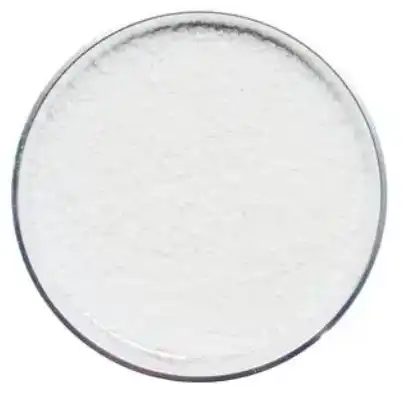
 acid supplementation improves skin suppleness, fine wrinkles, and moisture, according to research.
High-quality hyaluronic acid powder is used in more natural facial moisturizers and face masks. Supplier molecular structure affects product performance and customer satisfaction. Selecting components for superior anti-aging formulas requires understanding these distinctions.
Modern extraction and purification methods allow producers to make pharmaceutical-grade hyaluronic acid powder with constant potency. This breakthrough improves topical hyaluronic acid serum and oral supplements, including systemic skin improvement capsules.
Essential Selection Criteria for Premium Hyaluronic Acid Powder
Hyaluronic acid quality evaluation involves technical and commercial issues. Molecular weight distribution is most important because varied weights serve cosmetic and medicinal objectives. Low-molecular-weight versions penetrate deeper into skin, whereas high-molecular-weight forms generate surface hydration barriers
Product safety and effectiveness depend on purity. Pharma-grade hyaluronic acid powder should have few endotoxins, heavy metals, and microbes. Third-party testing certifications ensure these criteria for sensitive skin care and beauty supplements.
Supplier dependability and quality consistency are shown by manufacturing certificates. ISO standards, FDA certification, and GMP compliance show worldwide quality commitment. These certifications are crucial for worldwide distribution and regulatory clearance.
Supply chain stability impacts long-term product development. Reliable vendors provide technical support, a reasonable price, and constant inventory. This stability helps manufacturers scale their moisturizing skincare ranges or enter new markets.
Top-Tier Hyaluronic Acid Powder Solutions
Ultra-Pure Low Molecular Weight Hyaluronic Acid
Low molecular weight pure hyaluronic acid powder penetrates skin well, making it perfect for intense anti-aging treatments. This variant's 5,000–50,000 Daltons enable chemicals to penetrate deeper skin layers and promote collagen synthesis and cellular healing.
Professional formulators recommend this for concentrated hyaluronic acid serum and targeted wrinkle reduction. Faster observable outcomes from improved bioavailability promote premium product positioning and customer satisfaction. Clinical studies show 2-4 weeks of consistent use improve skin elasticity and hydration.
Advanced fermentation and purifying methods are manufacturing factors. Quality providers use multi-stage filtering to ensure molecular weight distribution and remove irritants. This attention to detail assures delicate skin formulation compatibility and prevents unwanted reactions.
Beyond topical treatments, oral supplements and injectables are versatile. The reduced molecular size allows absorption via multiple delivery modalities, enhancing market potential for creative product creation. Due to considerable safety data and usage experience, regulatory clearance is easier.
Storage stability needs regulated temperature and humidity to preserve potency. Moisture-barrier packaging prolongs shelf life. Expert suppliers assist in improving formulation parameters and resolving compatibility difficulties.
High Molecular Weight Hydration Specialist
Surface hydration and rapid skin plumping are best with high molecular weight pure hyaluronic acid powder. These 1,000,000–2,000,000 Dalton molecules build moisture barriers that prevent water loss and instantly enhance skin texture and look.
This standard is for lightweight moisturizers and everyday skincare products that prioritize hydration over deep penetration. Consumer preference surveys reveal great satisfaction with goods that enhance hydration quickly. Visuals reinforce marketing promises and drive repeat purchases.
Excellent film-forming characteristics and compatibility with cosmetic bases are formulation benefits. High molecular weight versions integrate into emulsions, gels, and creams without compromising texture or stability. Versatility facilitates product development and formulation.
Manufacturing criteria need precise fermentation control and mild processing to maintain molecular integrity. Leading vendors use biotechnology platforms to scale production and maintain quality. Environmental monitoring throughout production guarantees product dependability and batch-to-batch uniformity.
Professional spa services, luxury skincare collections, and premium face moisturizers provide market positioning options. Instant gratification supports higher prices and brand uniqueness because customers want apparent results. Clinical research regularly shows improved hydration efficacy over standard moisturizers.
Multi-Molecular Weight Blend Formula
Anti-aging products made with blended molecular weight pure hyaluronic acid powder combine the advantages of various sizes. To maximize immediate and long-term skin benefits, these carefully calibrated formulations generally comprise 30% low molecular weight, 50% medium, and 20% high molecular weight versions.
Professional cosmetic chemists increasingly call for blended products to treat numerous age issues. One ingredient system delivers surface hydration, mid-level moisture retention, and deep skin stimulation with the multi-layered method. Complexity lowers formulation needs and improves product performance.
Comparative studies indicating improved benefits over single molecular weight formulations validate research. Independent testing shows increased 24-hour skin hydration, suppleness, and fine line and wrinkle reduction. The results support premium product claims and marketing.
For constant blending ratios and molecular weight verification, manufacturing complexity needs sophisticated quality control methods. Advanced analytical techniques check batch composition accuracy and stability. Supplier blending knowledge is essential for product consistency across manufacturing runs.
Application flexibility spans intense skin healing and everyday maintenance formulas. A balanced molecular composition suits different skin types and problems, eliminating the need for distinct product lines. Versatility simplifies inventory management and increases market reach.
Global Market Dynamics and Regulatory Landscape
Premium hyaluronic acid demand is rising worldwide as consumers become more aware of anti-aging compounds. Asian markets value technical innovation and clinical efficacy data, whereas European markets value organic certifications and sustainability. North Americans want FDA-approved facilities and clear labels.
Regional regulations impact product registration and marketing claims. Japanese rules emphasize production facility inspections and quality paperwork, whereas European COSMOS standards set organic content requirements. Understanding regional distinctions simplifies worldwide distribution and compliance.
Raw material source, production location, and distribution logistics are supply chain factors. Strategic supplier selection balances quality, affordability, and regulation. Geographic diversity minimizes supply risk and helps maintain competitive pricing.
Market trends favor natural hyaluronic acid over synthetic. Fermentation-based manufacturing supports clean beauty and sustainability. Consumer education emphasizes biotechnology-derived ingredient advantages over conventional extraction techniques.
Strategic Purchasing Recommendations
Commercial and quality requirements must be balanced to buy pure hyaluronic acid powder. In high-demand times, long-term supplier partnerships give price consistency and priority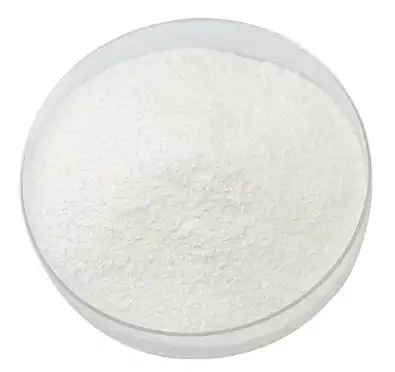 allocation. Technical partnership allows unique formulation and exclusive ingredient availability.
Quality verification should comprise incoming material testing, stability investigations, and performance validation. Supplier claims and internal specifications are verified by independent lab analysis. Documentation aids regulatory filings and customer transparency.
Seasonal demand and new product launch needs affect volume planning. For unique molecular weight standards, strategic inventory management balances carrying costs and supply security. Forward contracts safeguard prices and assure supply.
The examination of suppliers should include technical skills, regulatory compliance, and commercial stability. Site audits prove production and quality processes work. Existing customer references reveal supplier performance and support quality.
Industry Trends and Summary
The hyaluronic acid market is moving toward better purity and sustainable manufacturing. Biotechnology allows more accurate molecular weight control and cost savings. Consumer desire for natural skincare components encourages fermentation-based manufacturing innovation. Strategic supplier alliances become crucial for getting premium materials and staying competitive in the anti-aging sector.
FAQ
Q1: What molecular weight of hyaluronic acid powder works best for anti-aging applications?
A: The optimal molecular weight depends on your specific application goals. Low molecular weight (5,000-50,000 Daltons) penetrates deeper for long-term benefits, while high molecular weight (1,000,000+ Daltons) provides immediate surface hydration. Blended formulations offer comprehensive benefits by combining multiple molecular sizes.
Q2: How can I verify the purity and quality of hyaluronic acid powder?
A: Request detailed certificates of analysis, including molecular weight distribution, endotoxin levels, microbial testing, and heavy metal analysis. Third-party testing verification and supplier facility certifications provide additional quality assurance. Stability testing data demonstrates ingredient performance over time.
Q3: What storage conditions are required to maintain hyaluronic acid powder stability?
A: Store hyaluronic acid powder in cool, dry conditions below 25°C with relative humidity under 60%. Use airtight, moisture-barrier containers to prevent degradation. Avoid direct sunlight and temperature fluctuations that can affect molecular integrity and potency.
Transform Your Anti-Aging Products with Premium Hyaluronic Acid Solutions
Pharmaceutical-grade hyaluronic acid powder from Angelbio improves product performance and customer happiness. Our innovative biotechnology platform delivers pure, consistent substances that satisfy international quality requirements. We know the technical prerequisites for effective anti-aging formulas from 18 years of research and development.
Comprehensive molecular weight analysis, endotoxin testing, and stability validation are quality assurance techniques. GMP-certified facilities have strict environmental controls to ensure product uniformity and regulatory compliance. Technical assistance optimizes formulations and solves application issues throughout product development.
Angelbio, a reputable pure hyaluronic acid powder provider, offers flexible order amounts, low prices, and dependable delivery. Our worldwide distribution network delivers excellent ingredients to your business quickly. Private labeling and custom molecular weight parameters provide distinctive product positioning.
Join industry specialists who understand your market and technical needs. Contact us at angel@angelbiology.com to discuss your hyaluronic acid requirements and how our creative solutions may improve your anti-aging product line.
References
1. Papakonstantinou, E., Roth, M., & Karakiulakis, G. (2012). "Hyaluronic acid: A key molecule in skin aging." Dermato-endocrinology, 4(3), 253-258.
2. Bukhari, S. N. A., Roswandi, N. L., Waqas, M., et al. (2018). "Hyaluronic acid, a promising skin-rejuvenating biomedicine: A review of recent updates and preclinical and clinical investigations on cosmetic and nutricosmetic effects." International Journal of Biological Macromolecules, 120, 1682-1695.
3. Göllner, I., Voss, W., von Hehn, U., & Kammerer, S. (2017). "Ingestion of an oral hyaluronan solution improves skin hydration, wrinkle reduction, elasticity, and skin roughness." Journal of Evidence-Based Complementary & Alternative Medicine, 22(4), 816-823.
4. Oe, M., Sakai, S., Yoshida, H., et al. (2017). "Oral hyaluronan relieves wrinkles: a double-blinded, placebo-controlled study over a 12-week period." Clinical, Cosmetic and Investigational Dermatology, 10, 267-273.
5. Kawada, C., Yoshida, T., Yoshida, H., et al. (2014). "Ingested hyaluronan moisturizes dry skin." Nutrition Journal, 13, 70.
6. Pavicic, T., Gauglitz, G. G., Lersch, P., et al. (2011). "Efficacy of cream-based novel formulations of hyaluronic acid of different molecular weights in anti-wrinkle treatment." Journal of Drugs in Dermatology, 10(9), 990-1000.