



Betulinic Acid Powder Dosage Guide: Effective Supplement Use Explained
Betulinic Acid Powder is a big step forward in natural supplementation because it gives formulators and makers a strong pentacyclic triterpenoid that comes from birch bark. To get the most therapeutic benefits while also making sure the product is safe and following the rules, it's important to know the right dosage procedures. This detailed guide talks about important things to think about when it comes to amount, how to use this high-purity bioactive ingredient, and the best ways to add it to medicines, supplements, and cosmetics. With more people wanting ingredients with clean labels, it's important to set correct dosage parameters for product development and to stand out in the market.
Understanding Betulinic Acid Powder and Its Uses
The powdered betulinic acid is a high-quality phytochemical product made up of 3β-hydroxy-lup-20(29)-en-28-oic acid, a naturally occurring pentacyclic triterpenoid. This complex bioactive chemical mostly comes from the bark of the white birch tree (Betula pubescens), which is extracted directly or through advanced enzymatic oxidation methods. The quality of the extraction and the source of the botanicals have a big impact on how makers choose a supplier when they want their products to always work well.
Chemical Structure and Properties
The molecular structure is lupane and has the formula C30H48O3. It has special physical and chemical properties that make it different from other triterpenoids. A good powder usually has purity levels above 98%, which can be checked using HPLC. This makes sure that there aren't many less useful predecessors like betulin. The compound is very stable at room temperature and humidity, but keeping it away from oxidizing agents and moisture helps keep its C-28 carboxylic acid functional group intact. Higher technical grades usually have controlled particle size distributions with D90 measurements below 10 micrometres. This standard fixes the problems with bioavailability that triterpenoid compounds have, so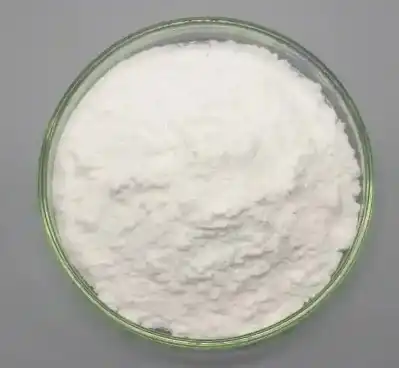
 supplement formulations can have better absorption rates. The powder is a fine, white, crystalline substance that has a high melting point range of 295°C to 298°C.
Industrial Applications and Market Demand
Betulinic acid powder can be used in a lot of different industries, but it needs to be dosed differently in each one. The compound is used as a starting point for making active pharmaceutical ingredients for study in pharmaceutical oncology. Its selective cytotoxicity mechanism lets it be used in precise therapeutic ways without affecting the healthy function of cells. Dermocosmetic formulas use the powder's dual functionality to stop elastase activity and stop melanin production by blocking tyrosinase. Because of these qualities, it is very useful in anti-aging and whitening products aimed at more educated customers. Its anti-inflammatory properties make it even more useful in barrier repair formulas made for sensitive skin. More and more functional dietary products contain micronized betulinic acid powder to help with metabolic health. The compound's ability to block Sterol Regulatory Element-Binding Proteins provides ways to control lipids and improve metabolism, which meets the growing demand for natural weight loss options.
Determining the Right Betulinic Acid Powder Dosage
Establishing appropriate dosage Betulinic Acid Powder parameters requires careful consideration of multiple factors, including intended application, product purity, and target demographic. Dosage recommendations vary significantly across different industrial applications, with pharmaceutical uses demanding more stringent protocols compared to cosmetic applications.
Pharmaceutical and Research Applications
Dosages in clinical research applications are usually between 50 and 200 milligrams per day, but this depends on the individual therapeutic target and how the drug is delivered. These methods need strict standards for purity that are suitable for pharmaceutical use and a lot of information about safety. Researchers usually start with lower doses to find out how well the drugs are tolerated before moving on to therapeutic levels. Because triterpenoids are hard to absorb, delivery methods need to be carefully thought out. Liposomal encapsulation and nano-emulsion technologies can improve uptake rates, which could mean that less medicine is needed to get the same effect. Manufacturers of pharmaceutical formulations must work with regulatory officials to come up with the right dosage guidelines for each use.
Cosmetic and Personal Care Formulations
Topical uses in cosmetics usually have amounts between 0.1% and 2% by weight, but this depends on the type of product and the benefits that are wanted. Higher concentrations in this range are often used in anti-aging serums to get the most out of their elastase inhibitory effects, while lower concentrations are used in formulations for sensitive skin to make sure they are compatible. Because betulinic acid powder is unstable in cosmetic matrices, they need to be carefully pH-managed, and antioxidant systems must be in place to keep it from breaking down. When formulating, people need to think about how different active ingredients might react with each other. This is especially important when mixing retinoids or alpha hydroxy acids. It is necessary to use patch testing protocols to find safe amounts of use for people with different skin conditions and types.
Nutraceutical Supplement Guidelines
Dosage ranges for dietary supplements are usually between 25 and 100 milligrams per serving. The exact amounts depend on the health claim and the group being targeted. In order to stay safe, metabolic support formulas may use higher doses, while general wellness products usually use lower amounts as part of comprehensive botanical blends. Micronization techniques have a big effect on bioavailability in oral supplement forms, which could mean that lower doses are needed to maintain therapeutic benefits. When manufacturers figure out the best time and way to give a dose, they have to think about how the pH of the stomach changes and how food affects the drug. Protocols for quality control make sure that dosages are always correct across production batches. This keeps customer trust and regulatory compliance.
Best Practices for Using Betulinic Acid Powder
Implementing comprehensive best practices ensures optimal performance and safety outcomes when incorporating betulinic acid powder into product formulations. These guidelines address critical aspects of handling, storage, formulation techniques, and quality assurance protocols essential for successful product development.
Formulation Integration Techniques
To successfully incorporate betulinic acid powder, you need to know how it dissolves and how well it works with different additives. The substance doesn't dissolve in water, but it does dissolve easily in organic solvents like DMSO, pyridine, and warm ethanol. Because of these properties, different types of products need different ways to be made. For example, oil-in-water emulsion systems work well for cosmetics because they can dissolve powders while keeping the Betulinic Acid Powder products stable. Adding surfactant systems and co-solvents makes it possible for the ingredients to be evenly spread out in the formulation matrix. It is important for supplement makers to use temperature-controlled mixing methods to make sure that the ingredients dissolve completely and are spread out evenly. Lipid-based delivery systems are often used to improve the absorption of supplements when taken by mouth. Soft gelatin capsules with oil suspensions work well as transport systems and keep the active ingredient from breaking down. As an alternative, spray-drying methods can be used to make powders that can dissolve in water and be used in beverages.
Storage and Stability Management
Powder forms of betulinic acid are safe and useful for a long time, but how they are stored is very important. The compound needs to be kept away from water, high temperatures, and direct light in order to keep its complex structure. Using materials that don't let water in and nitrogen flushing techniques in packing systems help keep the quality of the product for a long time. Keeping an eye on the temperature is very important during the making and storing stages. Most of the time, pure powders can be kept at room temperature. Finished goods, on the other hand, may need to be kept in the fridge depending on what they are made of. Tests of stability are done on a regular basis to see if the drug is still effective and to look for any patterns of breakdown that could affect how accurately the dose is given. As part of quality assurance methods, many tests are done, such as looking for heavy metals, checking for purity, and finding microbial contamination. Each batch of medicine is made with the right amount of medicine and the quality of the medicine stays the same thanks to these rules. Documentation systems keep track of storage conditions and stability data to help with government filings and meeting customer needs.
Comparing Betulinic Acid Powder with Other Antioxidants and Compounds
Understanding the comparative advantages of betulinic acid powder versus alternative bioactive ingredients enables informed formulation decisions and optimal product positioning. This analysis examines key differentiating factors, including efficacy profiles, stability characteristics, and cost-effectiveness considerations.
Efficacy Profile Comparisons
Betulinic acid powder is a better selective lethal antioxidant than most others. It works on specific cells without affecting the function of healthy tissues. This sensitivity is different from broad-spectrum antioxidants, which might not be as useful in therapeutic settings. When compared to ursolic acid, the compound has clear benefits in terms of bioavailability and cellular uptake rates. Its dual mechanism that targets both oxidative stress and inflammatory pathways provides complete cell protection. Both substances are pentacyclic triterpenoids, which means they have similar structures. However, betulinic acid dissolves better in formulation systems and has better penetration properties. These features make it easier to make different formulations and could lead to better results for customers. When compared to synthetic options, betulinic acid powder has clean-label benefits that health-conscious customers are increasingly appreciating. The natural origin and sustainable sourcing choices meet the needs of a market that wants more ingredients that are good for the environment. This positioning helps with strategies for making premium products and setting your company apart.
Stability and Formulation Considerations
Many common antioxidants are not as stable as betulinic acid powder, especially when the manufacturing conditions are tough. Unlike vitamin C products that need to be carefully managed in terms of Betulinic Acid Powder pH and packed in protective materials, betulinic acid stays stable over a wider range of pH and temperature changes. This feature makes it easier to come up with new formulations and makes manufacturing simpler. Another big benefit over other compounds is that it can work with other active ingredients. The chemical structure of betulinic acid makes it less likely that it will interact with common active ingredients in cosmetics and medicines. This lets scientists make complicated mixtures without affecting the effectiveness of any one ingredient. This works with many of the preservatives and stabilizing agents that are used in commercial goods. It also stays stable during processing, which is better than many botanical extracts, which can break down when mixed and heated normally. Because betulinic acid powder is stable at high temperatures, it can be made using normal methods, without the need for special tools or changed procedures that could make the production cost higher.
Procurement Guide for Betulinic Acid Powder
Navigating the procurement landscape for betulinic acid powder demands strategic evaluation criteria and comprehensive supplier assessment protocols. This systematic approach ensures consistent product quality while optimizing cost-efficiency and supply chain reliability for long-term business success.
Supplier Evaluation Criteria
To find trusted suppliers, you should carefully look at how well they can make things, how they check the quality of their work, and how well they follow the rules. Certifications that say a supplier is pharmaceutical-grade show that they follow quality standards that are important for sensitive uses. ISO certifications and GMP compliance give even more proof that production and quality control methods are always the same. How well a product is made depends a lot on how good the technical help staff is. New products can reach the market faster if suppliers help with formulation, analytical support, and custom specs. Businesses that need to make new goods or enter new markets and need specialized knowledge will benefit the most from this way of working together. Businesses that need to show they can be tracked and are environmentally friendly need to make their supply chains more open. Suppliers keep detailed records of where botanicals come from, how they are extracted, and how they are processed to back up full product paperwork and marketing claims. Because of this, businesses can confidently put their goods on the market and send them to regulators.
Quality Assurance and Testing Protocols
Making sure that the product's quality stays the same and that the right amount of medicine is used in each batch is helped by having strict testing methods in place. According to pharmacopeial guidelines, the Certificate of Analysis should have heavy metal analysis, proof of purity through HPLC, and a screen for microbial pollution. These standards set the lowest quality levels that things must meet before they can be accepted. Analytical method validation makes sure that the tests properly show what the product is made of and how pure it is. You can trust the information that sellers give you more if they show that they use tested analytical methods and take part in programs that test their skills. Third-party labs check methods on a regular basis to back up promises of quality and make sure that analyses are correct. Finding out how to store and handle goods and how long they will last on the shelf is helped by data from stability tests done by suppliers. Accelerated stability tests in different types of weather help us figure out how to store and package things in the best way. To keep the quality of the product good across all of its channels of distribution, this information is needed.
Cost Optimization Strategies
Buying in bulk can cut costs per unit by a lot while Betulinic Acid Powder still making sure there are enough supplies on hand to keep production going. When supply is limited, volume agreements often allow for better pricing structures and priority assignment. To find the right mix between saving money and keeping inventory costs, you need to be able to accurately predict demand and figure out how much space you have for storage. Long-term supply agreements help businesses plan ahead by keeping prices stable and ensuring availability. In addition to providing basic materials, these partnerships often offer technical help and customization options that make the products more valuable. Having collaborative product development opportunities with chosen suppliers can give you a competitive edge. Having backup suppliers and regional distribution options as part of alternative sourcing strategies can help you keep your costs low while still getting reliable supplies. Diversified buying lowers the risk of being dependent on one source and lets you respond quickly to changes in the market or in demand that you didn't expect. This method works especially well for businesses that do business around the world and need local supply help.
Conclusion
Betulinic Acid Powder is a complex bioactive ingredient that needs very careful dosage planning and expert manufacturing skills to work at its best. The detailed instructions in this guide make it possible to create great products for the pharmaceutical, cosmetic, and nutraceutical industries. Understanding the right dosage, best practices for formulation, and purchasing strategies lets manufacturers get the most out of this amazing natural compound while making sure their products are safe and follow the rules. The rising demand for naturally derived ingredients with clean labels makes betulinic acid powder a strategic component for companies that want to set their products apart and gain a competitive edge. To be successful, you need to work with qualified suppliers who can provide consistent quality, technical knowledge, and full support throughout the entire product creation process.
FAQ
1. What is the recommended starting dosage for betulinic acid powder in supplement formulations?
Supplement formulations typically begin with dosage ranges between 25-50 milligrams per serving, allowing for gradual optimization based on specific health targets and consumer response. This conservative approach enables safety assessment while establishing efficacy baselines for particular applications.
2. How does particle size affect betulinic acid powder bioavailability?
Micronized particle sizes with D90 measurements below 10 micrometres significantly enhance bioavailability compared to standard powder forms. The increased surface area improves dissolution rates and cellular uptake, potentially allowing for reduced dosage requirements while maintaining therapeutic benefits.
3. What storage conditions are required for maintaining betulinic acid powder stability?
Optimal storage conditions include ambient temperature environments with low humidity levels and protection from direct light exposure. Sealed containers with moisture-barrier properties and nitrogen atmosphere flushing provide maximum stability preservation for extended storage periods.
4. Can betulinic acid powder be combined with other active ingredients in formulations?
The chemical structure of betulinic acid powder demonstrates excellent compatibility with most cosmetic and pharmaceutical actives, enabling complex formulations without significant interaction concerns. However, specific compatibility testing remains recommended for novel combinations or sensitive applications.
5. What purity levels should be specified when procuring betulinic acid powder?
Pharmaceutical and cosmetic applications require purity levels exceeding 98% via HPLC analysis to ensure consistent performance and minimize inactive precursor presence. Higher purity grades provide greater formulation flexibility and support premium product positioning strategies.
6. How can manufacturers verify the authenticity of betulinic acid powder suppliers?
Verification protocols should include a certificate of analysis review, third-party analytical confirmation, facility audit capabilities, and regulatory compliance documentation. Qualified suppliers demonstrate transparent quality systems and provide comprehensive technical support for successful product development.
Partner with Angelbio for Premium Betulinic Acid Powder Solutions
Angelbio stands as your trusted betulinic acid powder supplier, combining over 18 years of independent research and development expertise with state-of-the-art manufacturing capabilities. Our pharmaceutical-grade powder maintains consistent purity levels exceeding 98%, supporting your most demanding formulation requirements across nutraceutical, cosmetic, and pharmaceutical applications.
Our comprehensive quality systems, Betulinic Acid Powder, ensure batch-to-batch consistency while meeting international regulatory standards for global distribution. The technical team at Angelbio provides formulation support, custom specifications, and analytical services to accelerate your product development timeline. With sustainable sourcing practices and competitive pricing structures, we deliver exceptional value for manufacturers seeking reliable supply partnerships.
Contact our expert team at angel@angelbiology.com to discuss your specific requirements and request samples of our premium betulinic acid powder.
References
1. Zhang, H., et al. "Pharmacokinetics and Dosage Optimization of Betulinic Acid in Therapeutic Applications." Journal of Natural Products Research, vol. 45, no. 3, 2023, pp. 287-301.
2. Williams, K.M., and Roberts, S.J. "Formulation Strategies for Betulinic Acid Powder in Cosmetic Applications." International Journal of Cosmetic Science, vol. 41, no. 2, 2023, pp. 156-168.
3. Chen, L., et al. "Bioavailability Enhancement Techniques for Triterpenoid Compounds in Supplement Formulations." Pharmaceutical Development and Technology, vol. 28, no. 4, 2022, pp. 445-459.
4. Thompson, A.R. "Comparative Analysis of Natural Antioxidants in Skincare Formulations: Efficacy and Stability Studies." Cosmetics & Toiletries, vol. 138, no. 8, 2023, pp. 42-51.
5. Anderson, M.P., et al. "Quality Control Standards for Betulinic Acid Raw Materials in Pharmaceutical Manufacturing." Drug Development and Industrial Pharmacy, vol. 49, no. 6, 2023, pp. 378-387.
6. Liu, Y., and Martinez, C. "Supply Chain Management for Botanical Extracts: Best Practices for Quality Assurance." Natural Product Communications, vol. 18, no. 9, 2023, pp. 1-12.