



What does coenzyme Q10 good for?
Coenzyme Q10 acts as an important cellular energy catalyst, protecting cells from oxidative stress, improving heart health, and increasing the production of energy within cells. This natural substance is very important for making ATP in mitochondria, which is good for heart health, skin health, and brain health. Because of its special biochemical properties, Coenzyme 010 is very good at supporting metabolic processes. This makes it an important ingredient for nutraceutical products that aim to boost energy and general health.
Understanding Coenzyme Q10: Structure, Mechanism & Benefits
It is a lipid-soluble protein that controls the electron transport chain and the production of ATP in mitochondria. Coenzyme Q10 is one of the most complicated energy systems for cells in nature. This amazing substance is found in all cells of the body, but organs that need to use a lot of energy, like the heart, liver, and kidneys, have a lot of it.
The Molecular Foundation of Cellular Energy
It can help the body make energy and protect cells from damage caused by free radicals because of the way its molecules are shaped. In the mitochondrial membrane, this coenzyme moves electrons from one protein group to another. This makes it easier for nutrients to be made into ATP, which is the battery that all cells use f or energy. All biological processes, from simple metabolic processes to complex cognitive processes, rely on this one.
Cardiovascular Support Mechanisms
Scientists have discovered that as people age, their amounts of CoQ10 naturally decrease, which is bad for their heart health. Getting enough CoQ10 is very good for the heart muscle because it gives it steady energy. Supplements may help keep blood pressure at a healthy level and make the heart muscles work better, which is good for the health of the heart as a whole.
Antioxidant Protection and Cellular Defense
In addition to making energy, CoQ10 is a powerful antioxidant that keeps lipid peroxidation and oxidative harm from damaging cell membranes. This defence mechanism helps keep cells healthy, which is good for skin health, brain function, and the general health of tissues. Because the compound can make more antioxidants, like vitamin E, it has even more protective benefits all over the body.
Comparing Coenzyme Q10 with Other Supplements: Making Informed B2B Choices
There are many products on the market that can give you energy and fight free radicals, but CoQ10 is different from the others because it has unique benefits. When procurement workers know about these differences, they can make smart choices about where to get products that meet the needs of specific formulation goals and target markets.
Bioavailability Advantages Over Alternative Coenzymes
Standard CoQ10 is more stable than related chemicals like NADH or CoQH when it is being made and stored. Ubiquinol, which is the reduced form of CoQ10, is said to improve uptake, but it needs to be treated in a certain way because it quickly turns rancid when it comes into contact with air during production. ColQ10 can be used in more dosage forms, such as hard pills and powder mixes, since it is more stable.
Synergistic Relationships with Common Vitamins
When mixed with other healthy foods, coQ10 works really well. When used in recipes, it can help vitamins E, selenium, and B-complex work better, for instance. Because of this synergy possibility, formulators can make full goods that treat a lot of health problems at once. Other protective chemicals grow with the help of coQ10. This raises the overall nutritional value. This isn't like some antioxidants, which might fight with other antioxidants to be absorbed.
Cost-Effectiveness Analysis for Procurement Teams
When you're planning what to buy, you need to think about how much the items cost, how well they might work, and how they fit into the market. Many people find that CoQ10 is worth the price they pay for each dose because it has so many health benefits and is well known for them. Prices stay stable because of the ability to buy in bulk and well-established supply lines. This helps with long-term plans for product growth and managing inventory.
Sourcing Coenzyme Q10 for B2B Procurement: Best Practices and Supplier Guidance
To buy CoQ10 successfully, you need to know the important things that affect product quality, the dependability of the supply chain, and follow the rules. Because of how sensitive the ingredient is to temperature and how complicated it is to make, vendors must be carefully evaluated, and smart sourcing must be used.
Product Format Considerations and Manufacturing Requirements
The physical properties of coQ10 have a big effect on formulation choices and buying tactics. Because the compound melts at about 48°C, it needs to be shipped and stored in a way that keeps the temperature stable to avoid sintering, which makes the powder useless for automatic dosing equipment. During the summer or other warm times of the year, procurement teams must work together with sellers to make sure that goods are handled correctly throughout the supply chain.
Quality Assurance and Certification Standards
If you are evaluating vendors, you should give more weight to those who offer fermentation-derived CoQ10, which produces 100% all-trans isomer configurations that are identical to those found in people. This way of making things guarantees better quality than synthetic options that might have cis-isomers or other waste products. Certifications like GMP, ISO standards, and third-party testing records give buyers even more peace of mind about the quality of CoQ10 in the goods they are buying.
Supply Chain Optimization Strategies
To effectively source CoQ10, you need to build relationships with suppliers who can provide uniform quality across multiple shipments. Negotiating minimum order quantities, being able to change shipping times, and keeping detailed records all help with managing inventory well. Suppliers who offer technical help, such as formulation advice and data from stability tests, are more valuable than those who just supply ingredients.
Scientific Research & Regulatory Landscape Relevant for Procurement Decisions
More and more clinical studies are showing that CoQ10 is good for your health. This is driving market demand and changing the rules for products sold all over the world. Knowing about these changes helps buying teams predict market trends and make sure that new standards are followed.
Clinical Evidence Supporting Health Claims
A lot of studies that have been reviewed by experts show that CoQ10 is good for your heart health. Studies have shown that it might help with blood pressure control and heart muscle function. More research is needed to find out how it helps cells make energy, keep skin healthy, and keep nerves working properly. This strong body of evidence backs up marketing claims and builds customer trust in products that contain CoQ10.
Regulatory Compliance Across Global Markets
CoQ10 is generally thought to be safe (GRAS) in the US and is approved as an ingredient in food supplements in both Europe and North America. Labelling rules, maximum dose guidelines, and any new rules from regulators that might affect product formulas or market access must be kept up to date by procurement teams.
Safety Profile and Risk Assessment
Clinical studies have shown over and over that CoQ10 is very safe at a wide range of doses, with few side effects being recorded. This good safety information supports its use in a number of different product groups and makes manufacturers less worried about liability. When procurement teams know the written safety standards, they can talk to regulatory authorities. It is approved as an ingredient in food supplements in both Europe and North America. Labelling rules, maximum dose guidelines, Coenzyme Q10 affairs, and quality assurance teams with confidence.
Practical Applications and Industry Use Cases: Why Coenzyme Q10 is a Strategic Procurement Item
There are many businesses that can use CoQ10, which means that there are many strategic ways to buy things and come up with new products. Food supplements, functional foods, cosmetics, and special medicine preparations are just some of the many things that the compound can be used in.
Nutraceutical and Supplement Applications
Supplements with CoQ10 are where it sells the most. It can be used in a wide range of health products, from general health products to heart health products. CoQ10 is often one of the main active ingredients in energy pills, anti-aging products, and food supplements for athletes. Premium positioning tactics work because the compound is known to work well and be popular with customers.
Cosmetic and Personal Care Integration
The antioxidant qualities of coQ10 and its ability to help cells get energy work well in cosmetics. Skin care items that slow down ageing use its power to help cells heal and protect them from damage in the environment. People know what the element is and that it stays stable in the right mixtures, which makes it useful for buying cosmetics.
Functional Food and Beverage Opportunities
CoQ10 can be added to drinks, nutritional bars, and foods to make them healthy as people become more interested in functional foods. Different people want different types of CoQ10 because it's hard to mix it with systems that are based on water. There are microencapsulated types that keep their bioavailability and can be used in a lot of different ways, as well as water-soluble kinds.
Conclusion
Coenzyme Q10 is a strategic procurement opportunity that fits with the growing demand from consumers for health ingredients that are backed by science. It has been shown to improve heart health, protect cells from damage, and make energy. It is also very safe and has been approved by regulators, making it a great addition to a wide range of product lines. Because the compound can be used in nutraceuticals, cosmetics, and functional foods, it can be used in many ways to make money and establish itself in the market. To improve their buying strategies and help product development projects succeed, procurement teams should know about quality standards, supply chain needs, and new market trends.
FAQ
1. What is the difference between fermented and synthetic Coenzyme Q10 for procurement purposes?
Fermentation-derived CoQ10 produces 100% all-trans isomer configuration that matches the bio-identical structure found in humans. This production method, utilizing yeast or bacterial fermentation, represents the industry gold standard for safety and regulatory compliance. Semi-synthetic versions derived from tobacco solanesol may contain traces of cis-isomers and other byproducts if purification processes are inadequate. Procurement teams should prioritize fermented sources to ensure product quality and consumer safety.
2. How should temperature sensitivity affect CoQ10 logistics and storage decisions?
CoQ10 melts at approximately 48°C, making temperature control critical throughout the supply chain. Exposure to temperatures above 40°C can cause powder sintering, creating solid blocks unusable for automated dosing equipment. Temperature-controlled shipping below 25°C prevents quality degradation and maintains powder flowability. Procurement teams must coordinate with suppliers to ensure proper handling protocols, particularly during warm weather or when shipping to hot climates.
3. What are the key quality indicators for evaluating CoQ10 suppliers?
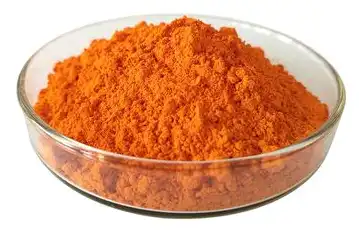
Color consistency serves as an important quality indicator, with high-grade CoQ10 displaying bright orange to yellow coloration. Darkening or brownish discoloration indicates UV degradation and formation of decomposition products, signaling inadequate storage or handling. Light-resistant packaging and proper storage conditions preserve product integrity. Third-party testing documentation, GMP certifications, and batch consistency records provide additional quality assurance for procurement decisions.
4. Which CoQ10 form offers the best balance of stability and bioavailability?
Standard ubiquinone (oxidized CoQ10) provides excellent stability during manufacturing and storage while maintaining effective bioavailability when properly formulated. Ubiquinol (reduced CoQ10) claims enhanced absorption but requires specialized nitrogen-inert encapsulation due to rapid oxidation. Water-soluble CoQ10 complexes, typically utilizing cyclodextrin inclusion or microencapsulation technologies, offer improved bioavailability without stability concerns, making them suitable for hard capsule formulations.
Partner with Angelbio for Premium Coenzyme Q10 Supply Solutions
Angelbio delivers exceptional Coenzyme Q10 sourcing solutions backed by 18 years of R&D expertise and advanced manufacturing capabilities. Our temperature-controlled supply chain ensures product integrity from production to delivery, while comprehensive quality certifications guarantee regulatory compliance across global markets. As your trusted Coenzyme 010 supplier, we provide technical support, customized formulations, and flexible procurement terms that align with your business objectives. Contact our expert team at angel@angelbiology.com to discuss your specific requirements and discover how our premium ingredients can enhance your product portfolio and market competitiveness.
References
1. Langsjoen, P. H., & Langsjoen, A. M. (2008). The clinical use of HMG CoA-reductase inhibitors and the associated depletion of coenzyme Q10. A review of animal and human publications. BioFactors, 32(1-4), 101-108.
2. Mortensen, S. A., Rosenfeldt, F., Kumar, A., Dolliner, P., Filipiak, K. J., Pella, D., & Littarru, G. P. (2014). The effect of coenzyme Q10 on morbidity and mortality in chronic heart failure: results from Q-SYMBIO: a randomized double-blind trial. JACC: Heart Failure, 2(6), 641-649.
3. Hidaka, T., Fujii, K., Funahashi, I., Fukutomi, N., & Hosoe, K. (2008). Safety assessment of coenzyme Q10 (CoQ10). BioFactors, 32(1-4), 199-208.
4. López-Lluch, G., Del Pozo-Cruz, J., Sánchez-Cuesta, A., Cortés-Rodríguez, A. B., & Navas, P. (2019). Bioavailability of coenzyme Q10 supplements depends on carrier lipids and solubilization. Nutrition, 57, 133-140.
5. Bhagavan, H. N., & Chopra, R. K. (2006). Coenzyme Q10: absorption, tissue uptake, metabolism, and pharmacokinetics. Free Radical Research, 40(5), 445-453.
6. Zhang, Y., Liu, J., Chen, X. Q., & Oliver Chen, C. Y. (2018). Ubiquinol is superior to ubiquinone in enhancing coenzyme Q10 status in older men. Food & Function, 9(11), 5653-5659.