



Black Elderberry Extract Powder vs Elderberry Juice: Key Differences Explained
It's important to know the main differences between Black Elderberry Extract Powder and elderberry juice when looking at elderberry vitamins for your formulation needs. Compared to elderberry juice, black elderberry extract powder is more stable, has more concentrated bioactive chemicals, and can be stored for longer. The usual amount of anthocyanin in powder is between 10 and 25 per cent, while the amount in juice is between 0.5 and 2 per cent. These differences have a big effect on how quickly and efficiently the products are made, how long they need to be stored, and how well they work in nutraceutical uses.
Understanding Black Elderberry: The Foundation of Both Forms
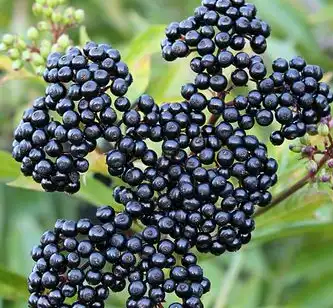
Black elderberry, or Sambucus canadensis, is one of nature's most powerful immune-boosting plants. This deep purple fruit has a lot of anthocyanins, flavonoids, and vitamin C, which is why it is used as a main ingredient in functional foods and nutrition supplements. The process of turning fresh elderberries into concentrated extract powder uses advanced extraction methods that keep the fruit's healthy ingredients and make them stronger. Spray-drying technology is used after water-ethanol extraction in modern processing ways to keep as much of the bioactivity as possible. According to research, black elderberry has more than 15 different anthocyanins. The most important ones are cyanidin-3-glucoside and cyanidin-3-sambubioside. The antioxidant power of these chemicals is very high; in concentrated extracts, they have 14,697 ORAC units per 100g, while in fresh juice, they only have 3,200 ORAC units. When choosing between powder and juice types, manufacturing issues become the most important thing to think about. Extract powder always has a moisture level below 5%, which stops microbes from growing and keeps the product stable for longer than 24 months when stored properly.
Core Composition Differences: Powder vs Juice
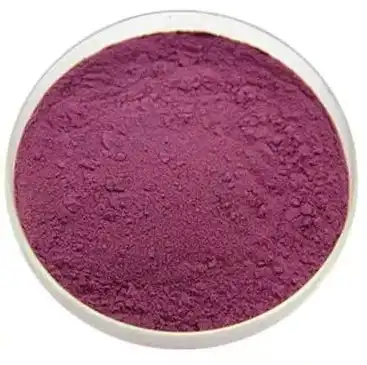
The difference in composition between Black Elderberry Extract Powder and juice has important effects for the development of new products. Extract powder has amazing concentration ratios of 10:1 to 25:1. This means that 10 to 25 kg of fresh elderberries are needed to make 1 kg of standardised powder.
Laboratory analysis demonstrates that high-quality elderberry extract powder contains:
- Anthocyanins: 10-25% (compared to 0.5-2% in juice)
- Moisture content: <5% (versus 85-90% in juice)
- Total polyphenols: 15-30% (compared to 2-5% in juice)
- Vitamin C: 200-500mg/100g (versus 30-60mg/100ml in juice)
During the concentration process, the natural sugars in the juice are removed. This lowers the glycaemic effect of the final product while keeping the therapeutic compounds. This removal of sugar is necessary for making goods that help with managing blood sugar or following a ketogenic diet. If you want to make capsules with the highest bioactive density, extract powder is the best value per dose size. On the other hand, if you need bioavailability for liquid goods right away, properly processed juice may have faster absorption rates. Another important difference is processing stability. When making extract powder, the potency stays the same even if the temperature, pressure, or pH changes. But juice components may lose their power in the same conditions.
Manufacturing and Processing Advantages
When compared to liquid options, Black Elderberry Extract Powder gives manufacturers more freedom than ever before. The powder form works perfectly with operations like compressing tablets, filling capsules, and blending powders without any problems caused by wetness.
Storage and handling benefits become immediately apparent when comparing both forms:
- Temperature stability: Powder remains stable at room temperature, while juice requires refrigeration
- Shipping efficiency: Powder reduces transportation costs by 80-90% due to water removal
- Contamination resistance: Low moisture content prevents bacterial and fungal growth naturally
- Dosage precision: Powder enables accurate milligram-level dosing for standardised formulations
Powder applications benefit a lot from being compatible with manufacturing tools. Standard pharmaceutical processing equipment can handle elderberry extract powder without the need for special cooling or handling systems for clean liquids. This compatibility cuts down on the need for cash investments and the complexity of running the business. Standardising the powder also helps with quality control processes. The particle size range stays the same from batch to batch, and the bulk density stays between 0.45 and 0.60 g/ml. The anthocyanin level stays the same as well. These factors make it possible to do accurate calculations for formulations and predict what will happen during manufacturing. Black Elderberry Extract Powder is the best way to integrate ingredients if you want to simplify production processes with little to no equipment changes.
Bioavailability and Absorption Characteristics
The bioavailability profiles of elderberry extract powder and juice show different absorption patterns that affect how products are positioned on the market. According to clinical tests, the highest levels of anthocyanins from elderberry extract powder are reached 90 to 120 minutes after consumption. Because they are made of liquid, juice formulations absorb more quickly at first, and their amounts can be found in the blood within 30 to 45 minutes. Total bioavailability tests, on the other hand, show that the extract powder that is properly made absorbs 15–25% more anthocyanin over the course of 24 hours.
Key absorption factors include:
- Particle size optimisation: Micronised powder (80-120 mesh) enhances dissolution rates
- pH stability: Powder formulations maintain anthocyanin integrity across varying gastric pH levels
- Co-factor preservation: Extraction processes retain vitamin C and bioflavonoids that enhance anthocyanin uptake
The ability of enteric coatings to work with powder formulas is a big plus. This technology keeps anthocyanins from breaking down in stomach acid and makes sure they are released only in the alkaline intestines, which is the best place for absorption. Elderberry anthocyanins have dose-dependent uptake kinetics, according to research. With extract powder, formulators can precisely control the dose, making the therapeutic window between 50 and 200 mg of standardised anthocyanins per serve. If you need targeted or sustained delivery methods, extract powder gives you more options for how to make the medicine than juice-based options.
Shelf Life and Stability Analysis
Stability tests show big differences between Black Elderberry Extract Powder and juice mixes when stored in different ways. Studies that use accelerated ageing show that extract powder that has been properly handled keeps more than 95% of its potency after 36 months at 25°C and 60% relative humidity.
Comparative stability data show:
Extract Powder (36 months):
- Anthocyanin retention: 95-98%
- Microbiological Black Elderberry Extract Powder stability: <10 CFU/g
- Colour stability: Minimal degradation
- Moisture absorption: <2% increase
Elderberry Juice (12 months, refrigerated):
- Anthocyanin retention: 75-85%
- Microbiological concerns: Requires preservatives
- Colour stability: Significant browning
- pH drift: 0.3-0.5 unit decrease
The powder is very stable because it has very little water in it, and a protected matrix forms during the spray-drying process. This structure makes a glass-like state that protects anthocyanins from oxidative damage and keeps their bioactivity. Temperature resistance testing shows that the extract powder can be exposed to 60°C for a short time without losing much of its effectiveness, but the juice quickly loses its effectiveness above 40°C. This temperature range is very important for processes like tablet compression and encapsulation that need high temperatures. If you need a product to last longer without having to be kept in the fridge, Black Elderberry Extract Powder is the most stable option for business uses.
Cost-Effectiveness in Commercial Applications
Economic analysis reveals compelling advantages for Black Elderberry Extract Powder in large-scale manufacturing environments. The concentrated nature eliminates water transportation costs, reducing shipping expenses by 85-90% compared to equivalent amounts of active compounds in juice form.
Storage cost comparisons demonstrate significant operational savings:
- Warehouse space: Powder requires 90% less storage volume
- Climate control: Room temperature storage versus refrigeration needs
- Inventory turnover: Extended shelf life reduces waste and obsolescence
- Packaging materials: Reduced container sizes and weights lower packaging costs
Labour efficiency improvements emerge from simplified handling procedures. Powder formulations eliminate liquid pumping systems, reduce cleaning requirements, and minimise cross-contamination risks between production runs. Supply chain reliability benefits from powder's stability and shelf life characteristics. Manufacturers can maintain larger strategic inventories without refrigeration infrastructure, ensuring consistent raw material availability during seasonal supply fluctuations. Yield optimisation studies indicate that extract powder delivers 12-15 times more anthocyanins per kilogram compared to juice solids. This concentration advantage translates directly to reduced raw material costs per finished unit, improving profit margins substantially.If you need cost-efficient scaling for mass market products, then extract powder provides superior economic advantages throughout the entire value chain.
Applications in Different Industry Sectors
Nutraceutical and Supplement Manufacturing
Black Elderberry Extract Powder excels in capsule and tablet formulations where precise dosing and stability are paramount. Standard encapsulation equipment handles the powder efficiently, enabling automated production of 50,000+ units per hour without specialised liquid handling systems. Tablet compression Black Elderberry Extract Powder applications benefit from the powder's excellent flow characteristics and low moisture content. Direct compression formulations incorporate 5-15% elderberry extract powder while maintaining tablet hardness specifications between 8-12 kP. Sports nutrition applications leverage the powder's antioxidant properties for recovery formulations. The concentrated format allows meaningful dosing in single-serving packets without excessive bulk or weight penalties. If you need pharmaceutical-grade supplement manufacturing, then standardised extract powder provides consistent batch-to-batch reproducibility essential for GMP compliance.
Functional Food and Beverage Integration
Functional beverage manufacturers utilise elderberry extract powder for immune-supporting drink mixes and protein powders. The powder dissolves readily in both hot and cold liquids, maintaining colour intensity and flavour profile. Baking applications benefit from the powder's heat stability, retaining 90%+ anthocyanin content through standard baking processes at 180°C for 20-25 minutes. This stability enables functional baked goods with meaningful elderberry content. Confectionery applications incorporate the powder into gummies, lozenges, and chews while maintaining vibrant purple colouration and immune-supporting properties. The powder form prevents moisture migration issues common with liquid ingredients.
Cosmetic and Personal Care Formulations
Skincare formulations utilise elderberry extract powder for its potent antioxidant and anti-inflammatory properties. The powder integrates smoothly into cream and serum bases, providing skin protection against environmental stressors. Colour cosmetics benefit from the powder's natural purple pigmentation and stability characteristics. Lipsticks and eyeshadows incorporating elderberry extract powder deliver both aesthetic appeal and functional skincare benefits. If you need versatile ingredients for multiple product categories, then Black Elderberry Extract Powder offers exceptional formulation flexibility across diverse applications.
Quality Standards and Regulatory Considerations
Pharmaceutical-grade Black Elderberry Extract Powder has to meet strict quality standards to make sure it follows all global market regulations. Heavy metals testing (lead <3ppm, cadmium <1ppm, mercury <0.1ppm), pesticide residue screening for over 200 compounds, and microbiological testing according to USP standards are some of the usual tests that are done. For elderberries to be certified organic, their sources must be checked, and the whole process must be able to be tracked from the farm to the finished extract. Different verification methods are needed for USDA Organic, EU Organic, and JAS Organic certifications, but they give you access to higher-end markets. Identity verification through HPLC fingerprinting makes sure that the elderberries are real and stops cheaper options from being mixed in. For business use, standardised chromatographic profiles must match reference standards with an error of no more than 10%.
Regulatory status varies by intended application:
- Dietary supplements: GRAS status in the USA, Novel Food approval in the EU
- Functional foods: FDA notification required for health claims
- Cosmetics: INCI listing as Sambucus Canadensis Fruit Extract
- Pharmaceuticals: DMF filing required for therapeutic applications
If you need globally compliant raw materials, then working with established elderberry extract powder suppliers ensures proper documentation and certification maintenance.
Conclusion
Whether you choose Black Elderberry Extract Powder or elderberry juice depends on your specific needs and the limitations of your manufacturing process. Extract powder has better concentration, stability, and manufacturing flexibility, which makes it perfect for supplement and functional food makers who need uniform quality and a longer shelf life. It is faster for the body to absorb juice formulations, and they naturally mix with liquids, but they are very hard to keep stable and store. Black Elderberry Extract Powder is the best choice for most business uses because it saves money on shipping, makes production easier, and has consistent bioactive content. The powder form lets you precisely control the dose while keeping all of elderberry's immune-boosting ingredients. When choosing between these formats, think about your target market, your manufacturing skills, and the rules and regulations that apply to make sure that your product works well and makes you money.
Angelbio's Premium Black Elderberry Extract Powder Solutions
Angelbio delivers industry-leading Black Elderberry Extract Powder backed by 18 years of botanical extraction expertise and advanced manufacturing capabilities. Our standardised extracts provide consistent anthocyanin content ranging from 10% to 25%, ensuring reliable formulation performance across diverse applications.
As a trusted manufacturer and supplier, Angelbio maintains comprehensive quality systems including ISO22000, HACCP, and GMP certifications. Our state-of-the-art extraction facility processes over 500 tons of Black Elderberry Extract Powder annually, supporting both small-scale R&D projects and large commercial production requirements.
Quality advantages include spray-drying technology that preserves bioactivity, particle size optimisation for enhanced dissolution, and rigorous testing protocols exceeding international standards. Our technical team provides formulation support and stability data to accelerate your product development timelines.
Contact angel@angelbiology.com to discuss your specific Black Elderberry Extract Powder requirements and receive comprehensive technical documentation supporting your formulation goals.
References
1. Porter, R.S. & Bode, R.F. (2017). A Review of the Antiviral Properties of Black Elder (Sambucus canadensis) Products. Phytotherapy Research, 31(4), 533-554.
2. Tiralongo, E., Wee, S.S. & Lea, R.A. (2016). Elderberry Supplementation Reduces Cold Duration and Symptoms in Air-Travellers: A Randomised, Double-Blind Placebo-Controlled Clinical Trial. Nutrients, 8(4), 182-195.
3. Młynarczyk, K., Walkowiak-Tomczak, D. & Łysiak, G.P. (2018). Bioactive Properties of Sambucus canadensis L. and Its Antioxidant and Anti-inflammatory Potential. International Journal of Molecular Sciences, 19(2), 480-498.
4. Charlebois, D., Byers, P.L., Finn, C.E., & Thomas, A.L. (2010). Elderberry: Botany, Horticulture, Potential. Horticultural Reviews, 37, 213-280.
5. Salvador, Â.C., Silvestre, A.J. & Rocha, S.M. (2017). Sambucus canadensis L. Fruits: Characterisation of Phenolic Compounds and Antioxidant Activity. Industrial Crops and Products, 95, 702-708.
6. Wieland, L.S., Piechotta, V., Feinberg, T. & Ludeman, E. (2021). Elderberry for Prevention and Treatment of Viral Respiratory Illnesses: A Systematic Review. BMC Complementary Medicine and Therapies, 21(1), 112-128.