



Bulk Ivy Leaf Extract: Key Specs Supplement Buyers Must Verify
When buying bulk Ivy Leaf Extract for nutritional products, knowing the exact requirements is what sets high-quality ingredients apart from less-than-stellar ones. This plant product comes from Hedera helix L. and requires careful checking of purity metrics, saponin standardization, and compliance paperwork to make sure that your final goods always improve respiratory health. Before agreeing to a seller, procurement managers must look at a number of quality indicators, such as the quantity of Hederacoside C and the method used for extraction. This is because these factors have a direct effect on bioavailability, formulation stability, and regulatory approval in the market.
Understanding Ivy Leaf Extract – Essential Knowledge for Buyers
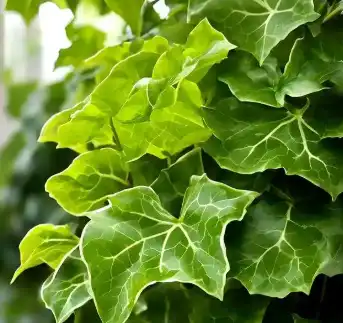
As people around the world move toward natural ingredients that help the lungs, Ivy Leaf Extract has become a key part of supplement creation. This plant extract comes from the annual climbing vine Hedera helix. It has been used in European phytotherapy for decades, and clinical studies have shown that it can help with bronchospasm and secretion.
Traditional Uses and Modern Applications
In the past, Ivy Leaf Extract preparations were used to treat problems with the upper respiratory tract. With the help of new extraction technologies, this tradition has been improved into standard formats that can be used for making capsules, liquids, and functional drinks. Because the extract is so flexible, it can be used to make goods that help with seasonal respiratory pain, mucus control, and airway comfort without using synthetic replacements. Because it is flexible, it is being used more and more in nutraceutical packages that focus on clean-label options.
Active Compounds Driving Efficacy
Triterpene saponins, especially Hederacoside C and its metabolite alpha-hederin, are what make the Ivy Leaf Extract useful for health. These chemicals work with beta-2 adrenergic receptors in lung tissue to change the production of surfactants and the thickness of mucus. Flavonoids like kaempferol and rutin increase antioxidant activity and protect respiratory pathways from oxidative stress. By using HPLC measurement, premium grades keep saponin levels above 10%, which makes sure that biological activity is consistent across production runs. With this level of biochemical accuracy, raw plant material is turned into a reliable functional ingredient.
Scientific Validation and Safety Profiles
Several clinical studies published in journals of lung medicine show that natural expectorants work as well as manufactured ones and are easier to handle. Paediatric research shows that it works well for younger people, and safety data support using it with kids older than two years. Toxicology tests show that there isn't much of a risk when the suggested dosages are followed. However, formulators should make a note that this product shouldn't be used by people who are known to be sensitive to plants in the Araliaceae family. This proven safety base is reflected in regulatory support across the EU and U.S. markets, making it easier for compliant formulations to get into those markets.
Key Specifications to Verify When Purchasing Bulk Ivy Leaf Extract
Quality assurance starts with knowing which factors have a direct effect on how well a product works and how well it follows the rules. Buyers need to set up systematic protocols for checking things like chemical markers, physical traits, and processing records.
Standardized Saponin Content Requirements
The most important requirement is to confirm the concentration of Hederacoside C using an approved HPLC method. Pharmaceutical-grade products usually have at least 10% saponin, and higher-end ones can have up to 12–15%. This standardization makes sure that the biological response and dose will be the same across all formulation types. Suppliers should give test papers that are special to each batch and show not only the total amount of saponin but also the profiles of each glycoside. Variability greater than ±5% between lots means that the process controls aren't good enough, which hurts the stability of the product. When a supplier is being qualified, asking for at least three consecutive batch reports shows more about the stability of the manufacturing process than asking for a single batch report.
Purity Levels and Contamination Testing
Comprehensive purity analysis protects brand identity and customer safety by looking at more than just the amounts of active markers. In line with USP 〈2232〉 elemental impurities standards, heavy metal screening must show that arsenic is less than 1 ppm, lead is less than 3 ppm, and cadmium is less than 1 ppm. The total plate count for microbes should be less than 10,000 CFU/g, and the counts for yeast and mould should be less than 1,000 CFU/g. Not having bacteria like Salmonella and E. coli is not an option. When ethanol extraction methods are used, residual solvent testing is necessary because ethanol residues must be less than 5,000 parts per million (ppm). Pesticide screening panels that include organochlorines, organophosphates, and pyrethroids protect crops from getting contaminated.
Physical Form Considerations
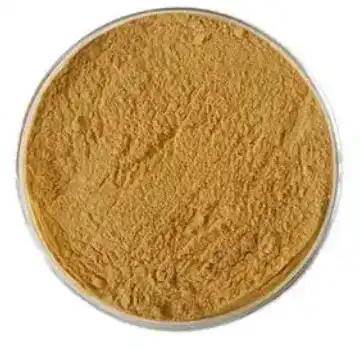
How a material is presented affects how well it works in later steps of the process and how it turns out. Fine powders with particles smaller than 80 mesh mix easily into capsule blends and pill matrices, which lowers the risk of segregation. Flowability is often better with spray-dried forms, but they may cost more. Liquid extracts make it easier to make syrup, but they need to be carefully stabilized and have a limited shelf life. Because powders tend to absorb water, they need to have a moisture content of less than 5% to keep them from caking up while they're being stored. Before committing to large-scale purchases, buyers should test samples in real production settings.
Certification and Compliance Documentation
Suppliers who work within GMP frameworks show that they are committed to quality systems in more ways than just testing products. Certifications like ISO 22000 or FSSC 22000 prove that food safety management is good, which is especially important for nutritional uses. Organic approvals from the USDA, EU, or similar groups help brands that want to present themselves as having clean labels, but the extra cost of organic ingredients is usually between 20 and 30 percent higher. Kosher and Halal approvals make markets more accessible to a wider range of consumers. Full sets of technical documents should have allergen statements, GMO status declarations, BSE/TSE compliance, and evaluations for California Proposition 65.
Comparing Ivy Leaf Extract with Similar Herbal Alternatives
To choose the right ingredients strategically, you need to know about the different botanical options that are available and what their benefits are in different formulation situations.
Ivy Versus Eucalyptus and Thyme Extracts
Ivy Leaf Extract has long-lasting effects on mucus through saponin processes, while eucalyptus oil has an instant effect on the senses through volatile terpenes. Thyme extracts have antimicrobial properties because they contain thymol, but they don't have the beta-2 receptor activity that is unique to ivy. Combination formulas that use more than one botanical are becoming more popular. These allow formulators to address respiratory comfort in ways that work with each other. Because it is cheaper, Ivy Leaf Extract in tablet form is better than eucalyptus, which is less stable because it is more volatile. All three plants may work well together in syrup uses, but the complexity makes quality control harder.
Organic Versus Conventional Sourcing
Organic Ivy Leaf Extract costs more, but it helps brands that focus on pesticide-free sources stand out in the market. Analytical testing shows that there aren't many differences in the saponin profiles of organic and conventional grades as long as they both meet pharmaceutical standards. It's often more important to be able to trust and track a supplier than to just check that they are certified. European sources usually have stricter rules on farming, even if the food is labelled as organic, than developing markets. When purchasing goods, teams should think about how to best place a brand against the limitations of their budgets. They should also keep in mind that regular grades that meet strict purity requirements usually work just as well in finished goods.
Powder Versus Liquid Extract Formats
Powder concentrates give manufacturers more options, keep their products fresh for longer (up to three years) when stored properly, and cost less to ship per active unit. Liquid extracts make it easier to make syrup, but they need to be preserved and handled carefully because they change temperature. To keep the gelatin shell from breaking down, softgel applications usually use powders that are suspended in oil instead of liquids that are based on water. Spray-dried powders that are highly soluble and have controlled particle shape are best for making effervescent tablets. Total cost of ownership analysis should look at more than just the price of raw materials. It should also look at processing labour, the need for excipients, and waste production.
Procurement Insights: How to Source Quality Bulk Ivy Leaf Extract
Through systematic supplier evaluation frameworks, good ingredient sourcing strikes a balance between quality control, business terms, and the dependability of the supply chain.
Supplier Qualification Criteria
Reputable producers show vertical unity from getting the plants to the point of quality control and extraction. In addition to written records, GMP compliance can be confirmed through site checks that can be done in person or by a third-party audit service. Regulatory history is important. Suppliers who have received FDA warning letters or import reports pose unacceptable risks, even if they offer lower prices. Partners are different from vendors because they offer technical support. Responsive R&D teams help with formulation troubleshooting and stability optimization. References from well-known nutrition brands are a good way to make sure that a supplier can do a good job in a business setting.
Pricing Structures and MOQ Strategies
Depending on the level of standardization, the state of certification, and the size of the order, bulk Ivy Leaf Extract prices usually run from $45-85 per kilogram. For stock grades, the minimum order quantity is usually 25 kilograms, but for custom specifications, it may be 100 kilograms or more. Volume discounts usually apply at 500-kilogram and 1,000-kilogram levels, and savings of up to 15-20% are possible when buying by the tonne. Payment terms range from "net-60" terms for known accounts to prepayment terms for new ones. Strategic buyers negotiate one-year contracts with delivery schedules every three months. This locks in good prices and keeps the inventory flexible.
Supply Chain and Logistics Considerations
The markets for high-quality plant extracts are dominated by European companies, with German and Italian companies setting the standard for the industry. For ocean freight, shipping from the EU to the U.S. usually takes 4 to 6 weeks, but for pressing needs, air choices are available at a much higher cost. During transport, hygroscopic materials are kept safe in double-sealed aluminium foil bags inside fibre drums. During the summer, changes in temperature mean that sensitive liquids need to be shipped in climate-controlled containers. It is important to plan your inventory with wait times and safety stock gaps in mind, especially from September to February, when demand is highest for respiratory products.
Ensuring Product Quality and Safety in Bulk Ivy Leaf Extract Purchases
Quality checks go beyond choosing a provider at the beginning. They also include ongoing batch tracking and performance monitoring throughout business partnerships.
Essential Laboratory Testing Protocols
In addition to HPLC fingerprinting for basic identity verification, buyers should regularly have third-party verification tests done on the materials they receive. Independent labs, such as Eurofins, SGS, or NSF International, offer unbiased testing services for contaminants, potency, and purity. Testing for stability under fast conditions shows patterns of breakdown that help determine how long something will last and how to store it. Compatibility studies with the intended formulation matrices keep things from going wrong during scale-up, especially when a lot of botanical extracts or sensitive active ingredients are mixed together. Cost control and risk management are both important in annual testing programs that use full panels.
Certificates of Analysis Interpretation
To do a good job of reviewing the CoA, you need to know why the acceptable criteria and critical methods were chosen. HPLC chromatograms should show clear peak resolution with no interfering compounds, which could mean the sample was tampered with. The times of microbial tests must be within 30 days of production so that they reflect the conditions of the real batch and not samples that were kept. Out-of-spec data need a full review and documentation of corrective action before they can be made public. By looking at trends across several batches, it is possible to find drift in process controls before they lead to specification violations. Smart buyers ask for more characterisation data than just the minimum requirements, which helps them build full quality profiles that can be used for regulatory submissions.
Regulatory Documentation Support
21 CFR Part 111 says that companies in the U.S. that make dietary supplements must keep master manufacturing records, batch production records, and quality control documentation. Suppliers that help with compliance give specific processing information, such as the types of extraction solvents, temperatures, and times. Specifications for ingredients should match what the label says about the end product. This will keep FDA checks from finding problems. New decisions about food ingredients may be needed based on information about the market's past; experienced providers know how to handle these regulatory nuances ahead of time. European Novel Food laws have different rules for materials that haven't been sold in EU markets before 1997, so they need to be carefully looked over by lawyers.
Conclusion
To get high-quality bulk Ivy Leaf Extract, you need to do a full evaluation of the supplier's qualifications, the standardization of the chemicals, and the compliance with regulations. The requirements listed here, such as the lowest amount of saponin and the highest level of contamination, are the basis for choosing ingredients that affect how well a product works and how well it does in the market. Buyers who set up structured verification procedures, keep a close eye on how well suppliers are doing, and keep up with changing quality standards will give their brands a long-term edge in the growing lung health area. This plant ingredient has been shown to work and is generally safe, which makes it a valuable addition to a portfolio as long as it is used carefully.
FAQ
1. What saponin concentration should supplement formulations target?
In pharmaceutical studies, extracts that are standardized to 10-12% Hederacoside C are usually used. Each adult serving provides 25–30 mg of saponins. For paediatric formulations, the concentrations are lowered by a similar amount. Higher standardization lets serving sizes get smaller, but it also raises the cost of raw materials in the same way.
2. How can buyers verify extract authenticity and prevent adulteration?
By comparing sample chromatograms to verified reference standards using HPLC fingerprinting, it is possible to find cheaper plants that have been used instead. DNA barcoding in specialised labs is the only way to be sure of the species. By looking at leftover plant tissue under a microscope, anatomical markers unique to Hedera helix can be found. A product's unusually low price is often a sign of lower quality that needs more attention.
3. Does ivy leaf extract interact with other herbal ingredients?
Common lung plants like marshmallow root, mullein, and liquorice have been shown to work well together in clinical studies. Due to possible additive effects, don't mix with herbs that contain cardiac glycosides. Antioxidants and vitamins C or E usually work together to fight oxidative stress rather than against it. This means that combination formulas that target oxidative stress pathways can be used.
Partner With Angelbio for Premium Ivy Leaf Extract Supply
Angelbio has been extracting plants for more than 18 years and has advanced analysis tools and top grade production facilities. Our qualifications as an Ivy Leaf Extract provider include full GMP certification, strict multi-stage quality testing, and technical documentation that meets global legal standards. We keep the standardization of saponins high by using proven HPLC methods, and our minimum order numbers are flexible enough to work for both new brands and well-known makers. Purchasing teams looking for dependable Ivy Leaf Extract for sale can benefit from our vertical integration, which includes everything from finding sustainable botanicals to delivering the finished product. This makes the supply chain clear and ensures stability from batch to batch. Get in touch with our technical team at angel@angelbiology.com to talk about your unique formulation needs, get full product specs, and get solutions that are tailored to your respiratory wellness product development goals. We offer quick technical help during the recipe optimization and scale-up stages, setting up your brand for success in the nutraceutical market, which is very competitive.
References
1. Hofmann D, Hecker M, Völp A. Efficacy of dry extract of ivy leaves in children with bronchial asthma—a review of randomized controlled trials. Phytomedicine. 2003;10(2-3):213-220.
2. Greunke C, Hage-Hülsmann A, Sorkalla T, et al. A systematic study on the influence of the main ingredients of an ivy leaves dry extract on the β2-adrenergic responsiveness of human airway smooth muscle cells. Pulmonary Pharmacology & Therapeutics. 2015;31:92-98.
3. European Pharmacopoeia Commission. Ivy Leaf Dry Extract Monograph. European Pharmacopoeia 10th Edition. 2020:1854-1856.
4. Cwientzek U, Ottillinger B, Arenberger P. Acute bronchitis therapy with ivy leaves extracts in a two-arm study: A double-blind, randomised study versus another ivy leaves extract. Phytomedicine. 2011;18(13):1105-1109.
5. Holzinger F, Chenot JF. Systematic review of clinical trials assessing the effectiveness of ivy leaf (Hedera helix) for acute upper respiratory tract infections. Evidence-Based Complementary and Alternative Medicine. 2011;2011:382789.
6. Schmidt M, Thomsen M, Schmidt U. Suitability of ivy extract for the treatment of paediatric cough. Phytotherapy Research. 2012;26(12):1942-1947.