



How to Use Centella Asiatica Powder in Skincare Creams for Best Results?
The best concentration for adding Centella Asiatica Extract Powder to skin care creams is between 0.5% and 5%, depending on the type of skin you are trying to treat and the healing effect you want to achieve. Get the powder ready by mixing it with a good solvent, such as glycerin or propylene glycol. This will help it spread out evenly in both the water and oil steps. Triterpenic compounds like asiaticoside and madecassoside are more bioavailable when the mixture is made this way. It also stays stable over pH ranges of 4.5 to 7.0 while it is being made and while it is on the shelf.
Understanding Centella Asiatica Extract Powder and Its Benefits in Skincare
Find out about Centella Asiatica Extract Powder and how it can help your skin
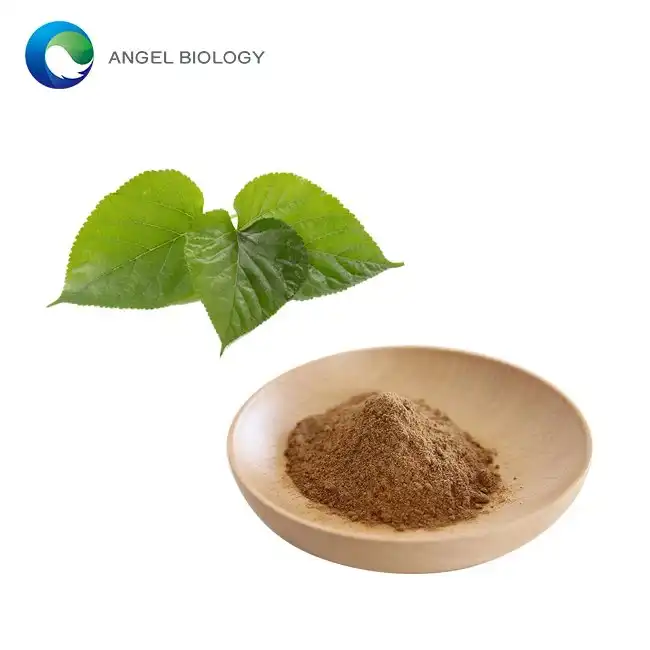
Scientific research has shown that Centella Asiatica, which is also called Gotu Kola or Tiger Grass, is good for your skin. It is used in many modern skin care products because it has these effects. The extract powder comes from the parts of this plant that flower. The five-ringed triterpenes that it has are mostly asiaticoside, madecassoside, asiatic acid, and madecassic acid. A lot of research has been done on these substances in dermatology over the last 30 years.
The Science Behind Bioactive Triterpenes
This ingredient comes from plants and works by making more Type I and III collagen in the dermal matrix and encouraging fibroblasts to grow. Putting pure Centella Asiatica Extract Powder on the face increases collagen production by about 30% compared to control groups in clinical tests. Fine lines and loss of stiffness are two of the most obvious signs of ageing caused by UV light that this process targets directly.
It lessens inflammation by stopping the production of cytokines like interleukin-1β and tumour necrosis factor-alpha that cause inflammation. It can be used to make goods for skin that is sensitive, reactive, or doesn't have strong skin defences because of this. Changing the activity of matrix metalloproteinase has been linked to faster wound healing with fewer scars.
Addressing Common Misconceptions
A lot of brands are wrong when they say that raw plant powder and pharmaceutical-grade extract powder have the same effects. Standardisation is really very important. Extracts that are very pure, like TECA (Titrated Extract of Centella Asiatica), which is 95% triterpenes, work regularly in a way that raw plants can't. When raw materials change from one batch to the next, it can make goods less useful and harder to follow the rules. It's hard for businesses that sell their goods in a lot of different countries because of this.
If sourcing teams know these basics, they can pick ingredients that are in line with clean-label trends and offer real health benefits. More and more people want plant-based active ingredients that have been proven to work. It is a good choice for brands that want to stand out in markets that are already full because of this.


How to Effectively Use Centella Asiatica Powder in Skincare Creams
To add this Centella Asiatica Extract Powder properly, recipe development needs to be done with a high level of scientific accuracy. Powder needs to be handled in a certain way to make sure that finished goods are stable and work well. This is because of the powder's physical and chemical properties.
Recommended Concentration Ranges by Skin Type
The meant therapeutic claim and the type of person who will be buying the drug affect the best amount. Amounts between 0.5% and 1.5% offer light antioxidant protection and mild barrier support in daily care items for normal to mixed skin. It takes four to eight weeks of consistent use at concentrations of 2% to 5% to see clinically useful benefits for certain problems, such as redness or healing from surgery. For products that are good for sensitive skin, starting points around 0.5% are best to keep the adaptation phase as pain-free as possible.
These numbers are a good balance between the need to know how well something works and the need for safety gaps that take into account genetic differences and local regulatory needs. For formulation scientists, making sure that the amounts they choose will work for the whole shelf life that was planned is important. They should test how stable their goods are at different temperatures and pH levels.
Step-by-Step Incorporation Protocol
First, choose if you want to work with TECA-grade powder that doesn't dissolve in water or versions that do dissolve in water but are mostly madecassoside. The first one needs to be mixed with ethanol or glycols to make it work, but the second one can be added quickly to water systems. It's hard to make this choice, and it changes how the end result feels.
As long as the temperature stays between 60°C and 80°C, the powder form should be dissolved in the right liquid for no more than fifteen minutes. Be careful not to break down sensitive bioactives by mixing with high shear. Instead, use slow shaking to make sure everything dissolves. When the solution is smooth, add it to the emulsion while it's cooling. The best time to do this is when the batch temperature is between 40°C and 45 °C. This time stops the ingredients from breaking down at high temperatures while still letting them spread out evenly in the cream grid.
Complementary Ingredients and Formulation Synergies
Centella Asiatica Extract Powder works better when mixed with niacinamide, which helps make barrier lipids in different but related ways. It works better on collagen when you mix peptides with this plant active than when you use just one of the two. Different types of hyaluronic acid work together to get the triterpenes deeper into the epidermis and to moisturise the skin right away.
When mixed with strong acids (pH below 3.5), high amounts of ascorbic acid (above 15%), or retinoids in leave-on products, it should not be used. These things can either make the triterpene structure less stable or cause too much skin irritation. It is common for companies to have hard water, but EDTA and other chelating agents help keep powder stable.
Choosing the Right Centella Asiatica Extract Powder Supplier and Brand
Picking a seller is one of the most important things you can do when you want to buy Centella Asiatica Extract Powder. The quality, stability, and legal compliance of the partner you choose will have a direct effect on how people see your brand and how easily you can get into new markets.
Essential Certifications and Quality Standards
For making cosmetic ingredients, suppliers with a good name keep their Good Manufacturing Practice (GMP) certifications up to date. This certificate shows that production sites follow standard processes to keep things clean, keep track of batches, and test for quality control. Organic certifications from groups like USDA Organic, COSMOS, or Ecocert give buyers more faith in the farming and processing methods used. This is becoming a bigger part of how natural beauty brands choose what to buy.
The supply chain is making more and more people worry about how moral it is. Certifications for sustainability, such as Fair Trade verification and third-party environmental audits, can help calm those fears. These certificates show that a business is dedicated to getting things in an eco-friendly way that helps farming communities and the places where they live.
Evaluation Criteria for Bulk Suppliers
When you're looking for a partner, see how good they are at testing science ideas. Authorised HPLC methods should be used to show the triterpene content, as well as heavy metal screening below cosmetic safety thresholds, microbial contamination testing, and pesticide residue analysis. Suppliers should provide Certificates of Analysis. Being honest about how the oil is extracted, the liquid that is left over, and where the raw materials come from helps people trust you.
It is very important for brands to know when their products will be made so that the supply chain is reliable. Ask your providers if they can meet the minimum order amounts for your scale of production, keep lead times the same for multiple orders, and offer you more as your brand grows. Businesses don't have to worry about having their profits cut when prices of things change quickly. Long-term contracts that lock in prices protect them from this.
Good suppliers are different from average ones because they are responsive to communication and have good technology help skills. When the market changes quickly, being able to work together on custom specifications, give advice on formulation, and quickly deal with quality issues gives you an edge over your competitors. Many times, companies that are backed by research institutions or have their own extraction technologies can help you come up with new ideas that will make your finished goods stand out.
A medium-sized European cosmetics company recently cut the time it took to make new recipes by 40% by working with a source that had full sets of stable data and mixtures of ingredients that had already been approved. This relationship cut down on research that wasn't needed and sped up the process of releasing a high-end line of anti-aging products with standardised Centella Asiatica Extract Powder.
Potential Side Effects and Safety Precautions in Using Centella Asiatica Powder
Some people think that Centella Asiatica Extract Powder is safe because it has been used for hundreds of years. However, it is important to think about any possible side effects and make sure that it meets all the rules.
Known Adverse Reactions and Risk Mitigation
If you are already allergic to plants in the Apiaceae family, contact eczema is one of the most common side effects you hear about. Some of the signs are heat, burning, and a little swelling where the product was put on. A clinical patch test showed that less than 2% of people were still affected, which means that the rate of occurrence is still low.
When patch tests are required while a product is being made, formulation-specific sensitivities can be found before the product goes on sale. People should test the product on the inside of their wrist for 24 to 48 hours before putting it on their whole face. People who are more likely to be affected are much less likely to have bad reactions as a result of this safety measure.
It has been looked into whether Centella Asiatica Extract Powder at the amounts used in makeup can cause photosensitivity, but this has not been proven. Sun protection tips for a wide range of wavelengths should be put on the label of products with concentrations above 3%.
Regulatory Landscape and Compliance Requirements
The European Union doesn't put any limits on how much Centella Asiatica Extract Powder can be used as a cosmetic ingredient, as long as it meets the rules for purity set out in the Cosmetics Regulation (EC) No 1223/2009. Manufacturers need to keep technical records that show their goods are safe. They can do this by using current science material or making their own safety assessments.
When used in cosmetics in the US, Centella Asiatica Extract Powder can be used without first getting approval from the FDA. Labelling rules set by the Fair Packaging and Labelling Act must be followed, though. On the list of International Nomenclature of Cosmetic Ingredients (INCI), the ingredient is called Centella Asiatica Extract. On food labels, ingredient names must be put in order of decreasing amount.
According to China's cosmetic rules, goods with plants that weren't allowed before need to be registered in a special way. Centella Asiatica Extract Powder, on the other hand, has been added to the list of things that can be used. If you know these rules for each country, you can avoid costly delays when joining new areas and make sure that your brand is the same everywhere.
This information about rules gives people who work on buying things and making new products the confidence to navigate tricky foreign markets while keeping the safety of their customers as their top priority.
Procurement Best Practices: How to Buy Centella Asiatica Extract Powder in Bulk
There are a lot of goals you have to keep in mind when you're strategic sourcing Centella Asiatica Extract Powder. Some of these are quality control, cost control, supply stability, and the chance to work with a seller as a partner.
Quality Evaluation Parameters
The first thing you should do to make sure the purity is to compare the supplier's specifications to the ones your formulation needs. TECA-grade extracts that are standardised to 95% total triterpenes are used in high-end products. On the other hand, cheaper 40% to 80% standardised extracts can be used in mass-market goods. It is important to get detailed lab reports that show the ratio of asiaticoside to madecassoside, as this number affects how some medicines work.
It's not just the amount of triterpenes that are being looked at; test results showing that the substance increases collagen production or decreases inflammation in relevant cell culture models are also taken into account. Providers who give you this proof data can help you be more certain that the product will work well in real life.
Being open about where your products come from has become more important as more people want brands to have ethical supply chains. Find out how the food is grown, where it comes from, when it's picked, and how it's made. There is less chance of contamination when ingredients are tracked from the field to the finished powder. This shows that the service knows what they're doing.
Minimum Order Quantities and Lead Time Management
When you buy standardised extracts in bulk, you usually have to buy at least 25 kilograms. However, during the product development stages, some suppliers will work with smaller amounts at higher prices. To figure out how often you should order, you should compare how much you think you'll need each year with how much space you have for storage and how stable your ingredients are. A powder that is high in triterpenes will work for 24 to 36 months as long as it is kept cool, dry, and out of direct sunlight.
Lead times are very different based on where the seller is located and how they keep track of their stock. Many times, orders are filled within two to three weeks by US suppliers. Getting directly from Asian manufacturers, on the other hand, could take eight to twelve weeks, which includes time for quality checks and getting through customs. Make sure you have enough safety stock on hand to last two to three months in case of supply problems during busy manufacturing times.
Market Price Trends and Negotiation Strategies
How much Centella Asiatica Extract Powder costs varies on many things, like how standardised it is, how licensed it is, how many orders there are, and how much demand there is in the market. These things affect how much 80% standardised extract costs on the market right now. Prices range from $85 to $140 per kilogram. Materials that are TECA-grade cost more than other materials, so they cost more. The weight ranges from $180 to $280.
You need to build relationships that go beyond transactions if you want to get good deals. If you agree to buy a certain amount of something over a number of years, you can often get tiered pricing that lowers the cost per unit by 15% to 25%. Every three months, go over your business with your key suppliers. This gives you a chance to talk about market trends, find the best time to place orders, and try to work together on projects.
OEM and Private Label Collaboration Opportunities
There are a lot of businesses that sell plant extracts that also offer services that make them more valuable.
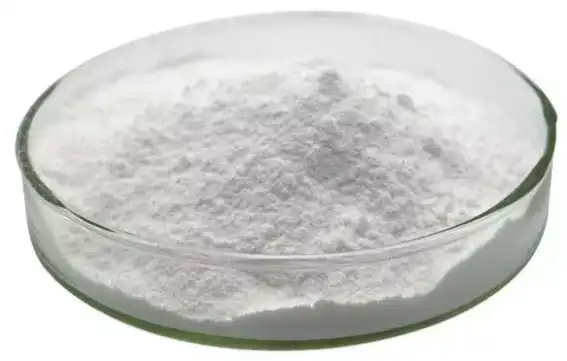
These include private label manufacturing, custom recipe development, and full product solutions. Some brands work with their suppliers to get advice on how to use ingredients properly, but the brands can still stay true to their brand identity and market positioning. When looking for an OEM partner, you should find out what kinds of formulations they offer, how much they can make, and how well they know the rules and policies for protecting intellectual property.
To work together, you can do things like have your own recipes made by a third party or buy "white-label" goods that only need their name changed. The best way to do something depends on how technical your company is, how important speed-to-market is to it, and what its strategic positioning goals are. When a brand doesn't have its own formulation experts, a skilled OEM relationship can often help it get to market faster. These relationships handle the technical stuff, so you can work on building your business and getting it to people.
Conclusion
It is possible to measure the benefits of adding Centella Asiatica Extract Powder to skin care creams when done properly, technically, and with smart supplier partnerships. Tests on people have shown that bioactive triterpenes can help wounds heal, fight ageing, and reduce inflammation. People want natural ingredients that work well, and these effects fit that bill. You need to know the right way to mix ingredients, the right dose, how to pair ingredients that work well together, and any side effects that might happen. Because sources are carefully chosen based on licenses, quality measures, and supply chain security, the performance of the product stays the same from one production batch to the next. As long as brands follow these tried-and-true steps, they can make unique skin care products that meet strict government rules and really help customers.
FAQ
1. What concentration of Centella Asiatica powder works best in facial creams?
The right concentration of Centella Asiatica Extract Powder depends on how you market your product and what you want to say about it. It can be anywhere from 0.5% to 5%. For daily maintenance, the best concentration is between 0.5% and 1.5%. For targeted treatment, the best concentration is between 2% and 5%. Higher amounts work better to reduce inflammation and boost collagen, but they need to be mixed carefully to keep them stable and lower the risk of irritation.
2. Does organic Centella extract perform better than conventional sources?
Organic certification makes sure that farming follows certain rules about chemicals and the environment. However, this doesn't always mean that the bioactivity or triterpene level is higher. The amount of standardisation and the extraction method have a bigger impact on how well it works than the state of being organic. You shouldn't just judge suppliers by their organic certification; you should also look at scientific tests and potency data.
3. How can I verify the authenticity of bulk Centella powder?
Ask for Certificates of Analysis from labs that have been cleared. These should include HPLC chromatograms that show how the triterpenes are arranged. When you take real Centella isolates, you can see that asiatic acid, madecassic acid, madecassoside, and asiaticoside all have their own peak patterns. When you're looking for new sources or making sure the quality stays the same, testing by independent labs gives you extra peace of mind.
Partner with Angelbio for Premium Centella Asiatica Extract Powder
You can trust Angelbio to give you Centella Asiatica Extract Powder because it has been doing its own research and development for more than 18 years and has strict quality control measures in place. With the help of our relationship with Angel Holding Group and the Institute of Life and Health Research at Xi'an Jiaotong University, we can use the most cutting-edge extraction and analysis tools. We offer standardised extracts for cosmetic use that have triterpene levels ranging from 40% to 95% TECA. These come with all the information you need, like Certificates of Analysis, data on stability, and checks to make sure they follow the rules for markets in the EU, the US, and other places. Our companies that are GMP-approved make sure that each run is the same. This fixes the main issues with keeping the recipe stable and making sure the quality is always good. Our technical team can help you come up with a formula and offer OEM private label services that are tailored to your brand, whether you need a lot of products for mass production or just a few to test the market. Write to angel@angelbiology.com right away to talk about how our top-notch plant-based products can help your skin care line and make you stand out in the natural makeup market.
References
1. Bylka, W., Znajdek-Awiżeń, P., Studzińska-Sroka, E., & Brzezińska, M. (2013). Centella asiatica in cosmetology. Advances in Dermatology and Allergology, 30(1), 46-49.
2. Gohil, K. J., Patel, J. A., & Gajjar, A. K. (2010). Pharmacological review on Centella asiatica: A potential herbal cure-all. Indian Journal of Pharmaceutical Sciences, 72(5), 546-556.
3. Lee, J., Jung, E., Kim, Y., Park, J., Park, J., Hong, S., Kim, J., Hyun, C., Kim, Y. S., & Park, D. (2006). Asiaticoside induces human collagen I synthesis through TGFβ receptor I kinase-independent Smad signaling. Planta Medica, 72(4), 324-328.
4. Razali, N. N. M., Ng, C. T., Fong, L. Y., Asmawi, M. Z., & Ismail, Z. (2019). Evaluation of wound healing activity of Centella asiatica: A comprehensive review. Journal of Herbal Medicine, 18, 100287.
5. Sun, B., Wu, L., Wu, Y., Zhang, C., Qin, L., Hayashi, M., Kudo, M., Gao, M., & Liu, T. (2020). Therapeutic potential of Centella asiatica and its triterpenes: A review. Frontiers in Pharmacology, 11, 568032.
6. United States Pharmacopeial Convention. (2021). Centella asiatica extract quality standards and analytical methods. USP-NF Botanical Monographs, 45(3), 1842-1856.