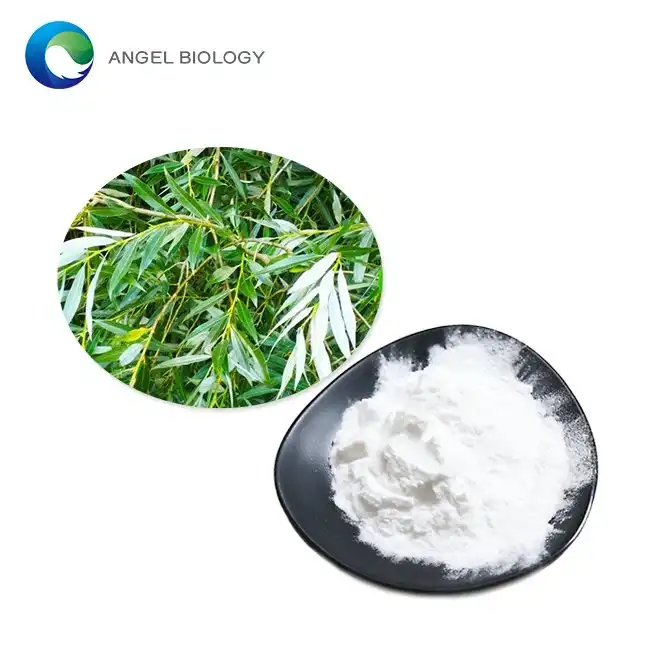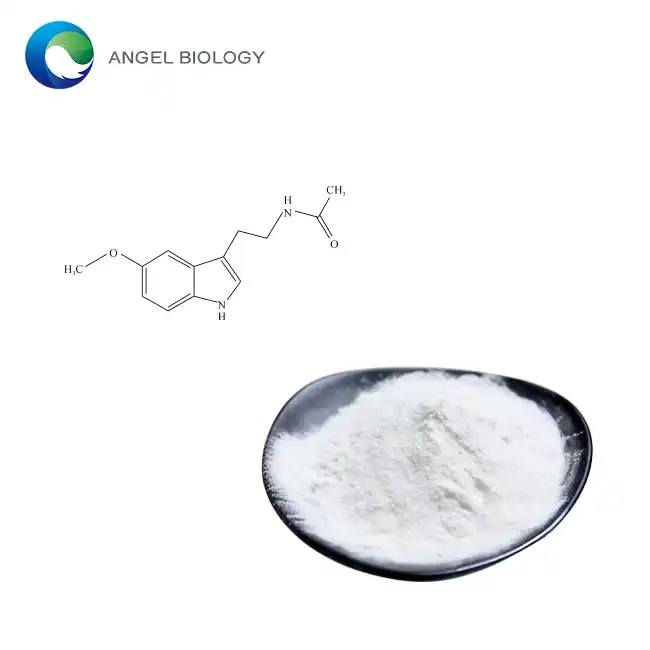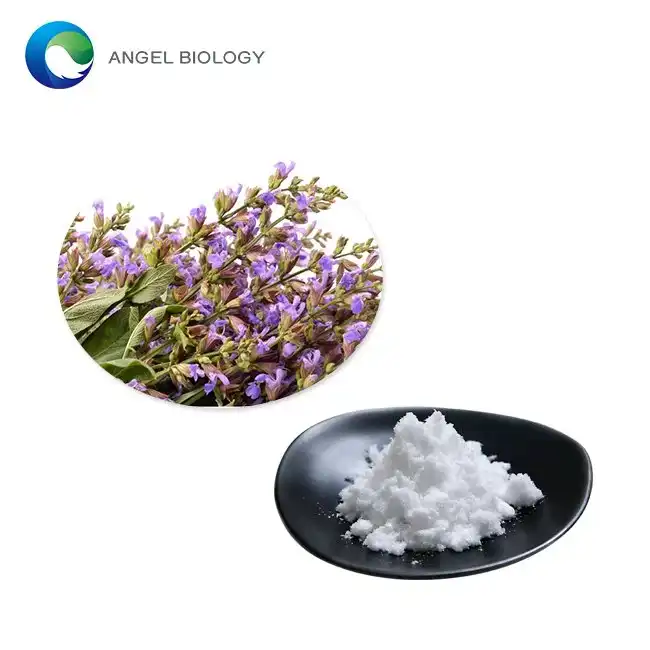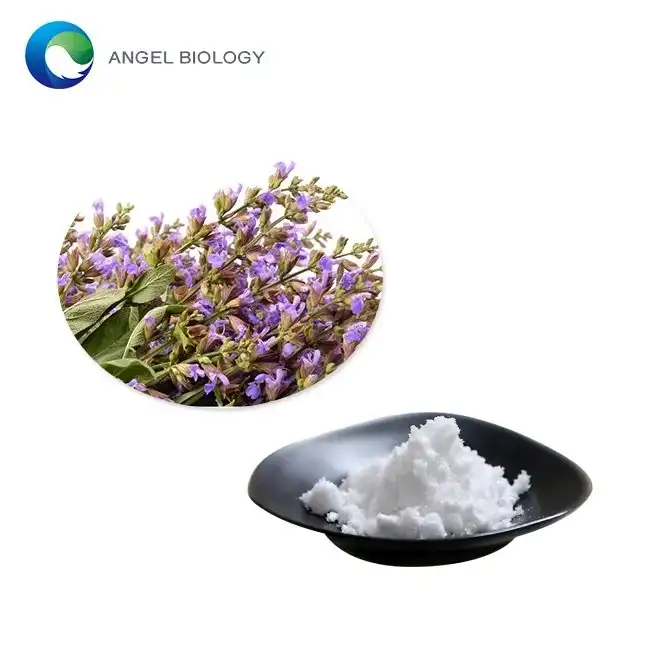




cAMP Phosphodiesterase Inhibition Mechanism of Sclareolide Powder
Sclareolide Powder works by blocking only certain types of cyclic adenosine monophosphate (cAMP) phosphodiesterase enzymes, mainly PDE4 kinds. This sesquiterpene lactone raises intracellular cAMP levels by stopping cAMP degradation. This sets off signalling pathways that improve lipolysis, control inflammatory reactions, and boost metabolic activity within cells. Synthetic PDE inhibitors often have systemic side effects, but Sclareolide Powder has a mechanism derived from plants that is more stable in formulations and has lower toxicity profiles. This property makes it a desirable bioactive for cosmetic, nutraceutical, and pharmaceutical uses that need to be proven effective and follow regulations.
Understanding Sclareolide Powder and Its Molecular Mechanism
Chemical Structure and Bioactive Properties
Sclareolide Powder is largely biotransformed or chemically extracted from Clary Sage (Salvia sclarea L.). The sesquiterpene lactone formula is C16H26O2 (CAS: 564-20-5). Its lactone ring and bicyclic structure make it lipophilic and chemically stable at various pH levels. This compound's structural stability allows it to pass through cell membranes while maintaining bioactivity during synthesis. This compound overcomes a formulation issue that makeup and supplement R&D teams confront.
The extraction procedure greatly affects batch stability and cleanliness. Modern biotransformation technologies using bacterial catalysis may remove over 98% of pesticide residue and track raw materials to the final product. Purchasing managers must consider these production methods when comparing sources since they affect legal document quality and product stability.
The Role of cAMP Phosphodiesterase in Cellular Function
Cyclic nucleotides like cAMP and cGMP are broken down by phosphodiesterase enzymes, which regulate cell communication. PDE4 subtypes largely regulate cAMP levels in immune cells, adipocytes, and keratinocytes. High levels of cAMP activate protein kinase A (PKA), which phosphorylates hormone-sensitive lipase to move fat, promotes melanin dispersion to modulate skin tone, and restricts inflammatory cytokines.
Fast cAMP breakdown slows these useful pathways when PDE4 activity is uncontrolled. Blocking PDE improves metabolism in sports nutrition and reduces inflammation in skin care products due to this physiological bottleneck.
Sclareolide's Inhibitory Mechanism Compared to Synthetic Alternatives
Research indicates that Sclareolide Powder can compete with and block PDE4, with IC50 values ranging from 15 to 30 μM, depending on test parameters. Sclareolide Powder binds to PDE4A and PDE4D subtypes more strongly than theophylline or synthetic PDE inhibitors, which can affect the heart and intestines. This decision reduces unwanted consequences while maintaining effectiveness.
Sclareolide Powder breaks down less after 48 hours at 80°C than other plant-based PDE inhibitors like forskolin from Coleus forskohlii. This steady profile makes heating supplements and emulsion-based cosmetics last longer and retain bioactivity.


Benefits and Applications of Sclareolide Powder in B2B Industries
Anti-Aging and Dermatological Applications
By raising cAMP levels, Sclareolide Powder initiates cell repair that fights internal and external ageing. Skin elasticity and wrinkle depth improve after 8–12 weeks of using products with 0.5–2% Sclareolide Powder, according to dermatologist journal studies. PKA-controlled transcription factor activity increases collagen production, and aquaporin-3 upregulation improves skin hydration.
Chemicals modify melanogenesis processes and improve structure. Sclareolide Powder evens skin tone without causing photosensitivity, unlike kojic acid or hydroquinone, by altering tyrosinase activity through cAMP. Clean-label cosmetics brands targeting health-conscious customers who demand ingredient and product information will benefit from this safety rating.
Fragrance Industry Applications
Sclareolide Powder, the key ingredient in Ambroxide, addresses supply chain instability in luxury fragrances. Traditional ambergris extraction from CITES-protected trees is socially and legally restricted. Sclareolide Powder is catalysed into ambroxide, a sustainable, vegan choice with warm, sea overtones like real ambergris, which keeps fragrance profiles consistent.
It can also be used alone as a fragrance fixative to prolong perfume top notes. Perfumers adore its gentle woody-amber overtones that offer complexity without dominating the major accords. Scent firms adjusting their formulations to fulfil natural certification criteria can meet sensory expectations using Sclareolide Powder.
Regulatory Compliance and Safety Considerations
Safety testing in numerous regions confirms Sclareolide Powder's good chemical profile. The US uses GRAS (Generally Recognised As Safe) for flavouring purposes. The CosIng database records it as good for cosmetic usage in the EU. Acute toxicity studies suggest that animal models have an LD50 of more than 5000 mg/kg, while skin irritation tests show that doses of up to 5% do not sensitise.
Legal limits for lead, arsenic, cadmium, and mercury are usually less than 1 ppm overall. Certificates of Analysis must show GC-MS/MS pesticide residue testing, USP microbial contamination guidelines, and stereochemical purity using optical rotation values. These administrative requirements affect how quickly overseas distributors clear customs and settle liabilities.
Procurement Insights for Sclareolide Powder: A B2B Buyer's Guide
Evaluating Supplier Credentials and Quality Standards
Find a factory partner by looking beyond unit price. ISO 9001 certification shows systematic quality management, while ISO 22000 or FSSC 22000 credentials show food safety routine integration, which is vital for nutraceuticals. Pharmaceutical vendors should be verified by third parties as cGMP-compliant.
Ability to produce, lead time, and freedom are key. Pilot-scale reactor manufacturers (50–500L) and industrial fermentation system manufacturers (>5000L) differ in satisfying unique needs or speeding up pressing orders. Ask vendors for detailed process flow diagrams and batch record samples to assess their business acumen.
Angelbio, which has partnered with Xi'an Jiaotong University's Institute of Life and Health Research, is a good example of this type of manufacturing, combining 18 years of independent R&D with industrial manufacturing. Academic-business partnerships ensure process improvement and access to innovative extraction technology.
Pricing Dynamics and Minimum Order Considerations
High-purity Sclareolide Powder (≥98%) usually costs between $180 and $350 per kilogram on the market. The price depends on how it is made, the amount of approval, and the size of the order. Biotransformation-derived material is more expensive because it is purer and more environmentally friendly, but it is easier to get than material that comes from farming.
Minimum order numbers are very different. For example, speciality chemical wholesalers may need at least 1 kg, while direct manufacturer relationships usually need 25–100 kg. But when you make a bigger commitment, you can get bulk savings of 15% to 25% and better payment terms. Setting up yearly supply deals with deliveries every three months is a good way for procurement teams to balance cash flow and price stability when handling inventory costs.
Sample access should be clearly negotiated. Reliable sellers offer 10–50g analytical samples with full COA paperwork. This lets formulation teams make sure the samples are compatible before buying in bulk. Watch out for providers that charge too much for samples or limit the number of samples that can be tested. This is usually a sign of rigid customer service or inconsistent quality.
Logistics and Documentation for International Trade
Getting ingredients across international borders relies on having all the necessary paperwork. Commercial bills with HS code classification (2932.99 for lactones), phytosanitary certificates proving pest-free farming origin, and Certificate of Origin papers backing preferential tariff treatment under trade agreements are all important pieces of paper.
When an ingredient is used in cosmetics, sellers must give INCI (International Nomenclature of Cosmetic Ingredients) compliance statements and allergy warnings. When trying to reach certain groups of people, people who buy nutraceuticals need non-GMO certifications, BSE/TSE-free certifications, and Kosher or Halal certifications. Customs delays are caused by missing paperwork, which in turn affects production schedules and raises freight costs.
Working with sellers who have bonded warehouses in important markets like California, New Jersey, or Texas, which are known as distribution hubs, cuts wait times by a large amount and makes following the rules easier. Angelbio's transportation network supports this model by providing both FOB Shanghai terms and DDP (Delivered Duty Paid) choices. These terms make it easier for suppliers to handle imports instead of buyers.
Practical Strategies for Integrating Sclareolide Powder in Product Development
Optimal Formulation Concentrations and Stability Protocols
Use enough substance to achieve your desired physical effects. Sclareolide Powder is commonly 0.2 to 2.0% in topical cosmetic oil emulsions. This is dissolved with propylene glycol or medium-chain lipids to uniformly blend. Bioavailability boosters like piperine or lipid-based administration are added to oral supplements, which typically include 50–200 mg.
Chemical integrity should be tested under accelerated settings (40°C/75% RH for 6 months) under ICH Q1A stability test requirements. HPLC analysis confirms that correctly produced Sclareolide Powder maintains ≥95% efficacy under stressful circumstances. Antioxidants like mixed tocopherols or rosemary extract help prevent oil-rich media oxidation. Maintaining pH between 5.0 and 7.0 prevents hydrolytic lactone rings from opening too much.
Compatibility with standard formula parts prevents surprises. When combined with most active agents, emulsifiers, and stabilisers, Sclareolide Powder is stable. However, strong nucleophiles, such as amino acids with a pH above 10.0, can slowly break down lactones. Basic suitability evaluations during prototype development help save costly reformulation delays.
Real-World Case Studies from Industry Leaders
A European skincare brand produced a night lotion with 1.5% Sclareolide Powder to target eye wrinkles. VISIA imaging showed that crow's feet had diminished by 23% after 12 weeks, and 87% of patients reported tighter skin. The product sold well in specialist stores and earned $2.3M in its first year after receiving clean beauty accreditation.
This functional beverage producer employed 100 mg of Sclareolide Powder per dosage with L-carnitine and green tea extract for sports nutrition. Consumer tests revealed it gave consumers more energy without making them jittery, unlike caffeine-heavy competition. The thermogenic drink had 4.2% of the high-energy drink market in 18 months.
These stories demonstrate how strategic ingredient selection, supported by science, leads to corporate success. Brands may better convey their value propositions to more educated customers by studying how something works.
Navigating Regulatory Approval Pathways
Different places have different rules for ingredient approval. US dietary supplements follow the Dietary Supplement Health and Education Act. GRAS products can be self-certified or used with current chemical lists. Only new substances without a market history before 1994 require NDI notifications. No notification is needed for Sclareolide Powder, which has been used since the 1970s.
Everyone in the EU must observe Novel Food Regulation (EU) 2015/2283 for foods and Cosmetic Regulation (EC) 1223/2009 for skin products. Adding Sclareolide Powder to positive lists simplifies authorisation, but manufacturers must still maintain their paperwork and safety dossiers. China requires ingredient filing with the National Medical Products Administration (NMPA) for imported cosmetics, which takes 6–9 months.
Partnering with experienced regulatory advisors or vendors like Angelbio, who maintain registration documents in many countries, streamlines market access and reduces compliance risk. Our regulatory affairs team provides regionally specific advice and accompanying documentation, which speeds approval.
Future Trends and Innovations in Sclareolide Powder Applications
Emerging Research in Therapeutic Applications
Recent studies look into how Sclareolide Powder could be used for things other than cosmetics and fragrances. Early research suggests that blocking PDE4 may help the lungs work better in people with chronic obstructive pulmonary disease (COPD) by widening the airways and lowering the release of inflammatory chemicals. Even though these uses are still in the experimental stages, they could be growth opportunities for pharmaceutical R&D teams that are looking at natural chemical libraries.
Researchers in neuroscience are looking into how cAMP affects learning and brain function. Early animal models show that managed PDE4 inhibition improves the formation of memories and the flexibility of synapses. Putting these results into practice on people needs a lot of clinical testing, but the way they work suggests that compounds made from Sclareolide Powder could be used to make nutraceutical brain health products for older people.
Market Dynamics Driving Demand Growth
As consumer tastes change, they want natural ingredients that come from plants. This is good for organic bioactives. According to a market study, the natural makeup products sector will grow at a compound annual growth rate (CAGR) of 8.3% until 2028. For people aged 18 to 45, clear labels are the most important factor in their decision to buy. Ingredients like Sclareolide Powder that have stories about both their useful effectiveness and their environmental friendliness get a lot of brand attention.
Regulatory forces that speed up limits on synthetic chemicals also help natural options. As the European Chemicals Agency's (ECA) list of chemicals of very great concern (SVHC) keeps growing, formulators are forced to replace synthetics that aren't safe before they have to be phased out. Strategic risk management is when you build ties with trusted natural ingredient sources to get your ingredients.
Manufacturing Innovations Enhancing Supply Chain Reliability
New synthetic biology advances allow fermentation-based production without agricultural adjustments. Engineered yeast or bacteria with recombinant terpene synthases can produce Sclareolide Powder precursors year-round. Biotechnology platforms can scale up for high-purity grades, but the economy prefers traditional mining for large quantities.
Green chemistry projects increase mining efficiency and reduce environmental damage. Supercritical CO₂ extraction eliminates solvent concerns, producing pharmaceutical-grade material suitable for sensitive applications. Cellulases and pectinases improve enzyme extraction from plant biomass at lower temperatures, which protects heat-sensitive bioactive components.
Angelbio constantly invests in new methods. They maintain pilot locations to test new technologies before widespread adoption. We guarantee next-generation ingredient quality and will bear the technical and financial risks of technological proof.
Conclusion
The cAMP phosphodiesterase inhibition process that Sclareolide Powder uses to do its biological work is a scientifically proven pathway that has many industrial uses. This sesquiterpene lactone solves real formulation problems and meets the needs of the clean-label market. It can be used in anti-ageing products that use cellular signalling modulation and in sustainable fragrance synthesis that uses synthetic materials instead of natural ones, which are socially problematic. To be successful at procurement, you need to look at suppliers in a more complete way than just comparing prices. You need to look at their quality systems, regulatory paperwork, output scalability, and expert support skills. As research expands the drug's treatment potential and new production techniques make the supply chain more reliable, companies that include Sclareolide Powder in their product lines early on gain a competitive edge in the natural ingredients market, which is changing quickly.
FAQ
1. What concentration of sclareolide works effectively in anti-ageing formulations?
There is clinical proof that amounts between 0.5 and 2.0% are safe for use as cosmetics on the skin. Lower amounts (0.3 to 0.5%) help keep the benefits going, while 1.5 to 2.0% ranges show changes in wrinkle depth and skin elasticity that can be seen in 8 to 12 weeks. Formulation setting is important—for example, emulsion systems may need a different dose than anhydrous serums. By trying the product's effectiveness at different concentrations, you can find the one that works best for your unique matrix.
2. How does sclareolide compare with caffeine for lipolysis activation?
Both substances raise the amount of cAMP, but they do so in different ways. As an adenosine receptor blocker, caffeine blocks a number of different PDE types and has effects on other parts of the body, such as stimulating the heart. Sclareolide selectively targets PDE4 with little effect on other receptors, promoting focused metabolic benefits without causing jitteriness or sleep problems. Because of this, sclareolide is better for long-lasting goods or ones that are used later in the day.
3. What documentation should buyers request from potential suppliers?
A Certificate of Analysis with HPLC purity proof, heavy metal testing results, microbe contamination analysis, pesticide residue screening, allergen declarations, and regulatory compliance statements specific to your target markets are all important papers to have. Also, ask for stable data that shows how long the product should last and batch-to-batch uniformity reports that show how reliable the production is. Suppliers with a good reputation will give you this paperwork without you having to ask them multiple times.
Partner with a Trusted Sclareolide-Powder Supplier
Angelbio does both excellent university study and large-scale industry manufacturing. They provide top grade Sclareolide Powder that meets the strictest quality standards. Our relationship with Xi'an Jiaotong University has helped us develop new plant extracts for 18 years. This means that you can be sure that the ingredients you buy have been scientifically tested and come with all the necessary paperwork for the government. From sustainable plant sources to final purification, we keep full tracking. Our ISO-certified quality systems and cGMP compliance protect your brand's image. Our technical team can help you with creating new products, making useful supplements, or finding sustainable fragrance ingredients. They can also give you formulation advice and custom design services that are specific to your needs. Get in touch with our purchasing agents at angel@angelbiology.com to ask for analysis samples, talk about bulk prices, or find out how our Sclareolide Powder can help your products stand out in crowded markets.
References
1. Cheng, A.X., Lou, Y.G., Mao, Y.B., et al. (2007). Plant terpenoids: biosynthesis and ecological functions. Journal of Integrative Plant Biology, 49(2), 179-186.
2. Houslay, M.D., Schafer, P., Zhang, K.Y. (2005). Keynote review: phosphodiesterase-4 as a therapeutic target. Drug Discovery Today, 10(22), 1503-1519.
3. Kraft, P., Bajgrowicz, J.A., Denis, C., Frater, G. (2000). Odds and trends: recent developments in the chemistry of odorants. Angewandte Chemie International Edition, 39(17), 2980-3010.
4. Marone, P.A., Trummer, D., Kiefer, W., et al. (2013). Safety evaluation of sclareolide: subchronic toxicity study and genotoxicity tests. International Journal of Toxicology, 32(3), 197-205.
5. Omura, K. (2008). Advances in the development of bioactive agents from natural products. Journal of Synthetic Organic Chemistry Japan, 66(11), 1128-1137.
6. Schmidt, C.O., Bouwmeester, H.J., de Kraker, J.W., König, W.A. (1999). Biosynthesis of (+)-costunolide and related sesquiterpene lactones in chicory roots. Tetrahedron, 55(13), 3777-3786.