



Ginseng: What are it and what are its miraculous properties?
One of the most respected plants in nature is ginseng, especially Panax ginseng, which has been loved for hundreds of years for its amazing adaptogenic qualities. This annual root comes mostly from Korea and China. It is carefully extracted to make Panax Ginseng Extract Powder, which is a concentrated ingredient that has been tested for ginsenoside content. American or Siberian ginseng is not the same as Panax ginseng. It has special chemical profiles that make it very good for you. These active saponins are concentrated when the raw root is turned into an extract powder. This gives the powder a constant level of strength that is great for use in nutraceutical, cosmetic, and functional food products.
Understanding Panax Ginseng Extract Powder
Origins and Botanical Classification
The genus Panax is in the family Araliaceae, and Panax ginseng is the plant that has been studied the most around the world. Conditions of cultivation have a big effect on the make-up of ginsenosides. Some ginsenosides, like Rg3 and Rh2, get stronger when Korean red ginseng is steamed and dried, but white ginseng stays natural. Using hot water, alcohol, or advanced supercritical CO₂ methods to remove the root turns it into a standard powder by concentrating the bioactive chemicals that make it work. Knowing these differences in processes helps buying teams compare quality levels and match the needs of formulations with the requirements of ingredients.
Extract Powder versus Root Powder: Critical Differences
A lot of buyers mix up extract powder and root powder, but they are two very different ingredients. Root powder is just ground, dried ginseng root that has about 2% to 3% total ginsenosides. The extract powder is concentrated, and the active ingredients are standardised to contain 10–80% ginsenoside by HPLC testing. The concentration ratio, which is written as 10:1 or 20:1, means that 10–20 kg of raw root makes 1 kg of extract powder. Higher ratios give you better formulation freedom, higher bioactivity, and lower dose needs. Extract powders are also better at dissolving, which is important for uses in drinks and beauty serums where clarity is important.
Key Chemical Markers and Quality Parameters
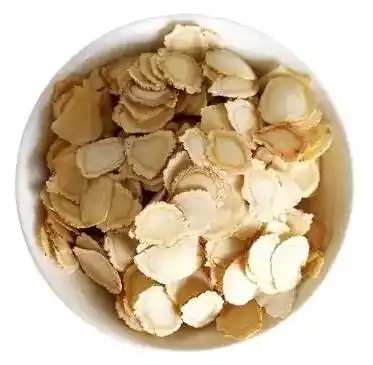
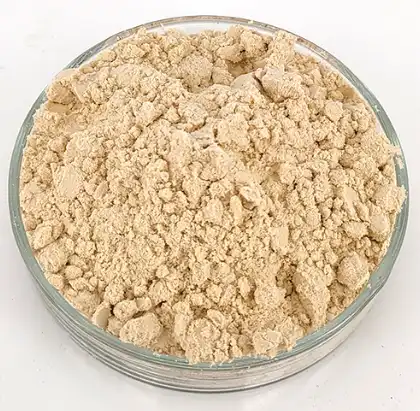
A premium Panax Ginseng Extract Powder can be identified by its ginsenoside fingerprint, which includes the amounts and presence of Rb₁, Rb₂, Rc, Rd, Re, Rf, and Rg₁. High-Performance Liquid Chromatography (HPLC) gives precise measurements, letting you tell the difference between real quality and cheaper UV-tested options that measure general chemicals. The powder usually looks like a fine, light yellow to brownish-yellow hygroscopic material with particles bigger than 80 mesh. This makes it easy to mix into pills, tablets, or liquid recipes. The bulk density is between 0.45 and 0.65 g/ml, which changes how it is packed and shipped. Moisture levels below 5% keep ginsenoside stable during storage and stop microbes from getting into it. It's also important to know how the product dissolves. Premium types dissolve easily in water at amounts of 1 g per 100 ml and stay stable at pH levels between 3.0 and 7.0, so they can be used in a wide range of formulations, from acidic drinks to neutral cosmetic emulsions.
Miraculous Health Benefits and Scientific Basis
Energy Enhancement and Fatigue Reduction
Standardised Panax Ginseng Extract Powder has been shown in clinical studies to greatly increase physical endurance and decrease mental tiredness. Researchers with athletes have found that ginsenosides Rg1 and Rb1 change the HPA axis, which makes cortisol reactions better during stress. A 2018 review of 155 human studies showed that taking 200–400 mg of standardised extract every day lowered subjective fatigue scores by about 29% compared to groups that were given a placebo. Because it can help with adaptogens, Panax Ginseng Extract Powder is very useful for sports nutrition companies that are making pre-workout and recovery products. The process involves making more ATP in the mitochondria and using oxygen more efficiently, which gives you long-lasting energy without the crashes that come with stimulants.
Cognitive Function and Neuroprotection
Ginsenosides protect neurones in several ways, such as by acting as antioxidants, reducing neuroinflammation, and improving the cholinergic system. Psychopharmacology journals have released research that shows Rg1 helps neurons change by encouraging neurite sprouting and synaptic development. Randomised controlled studies with middle-aged people showed that taking standardised Panax Ginseng Extract Powder for 8 weeks improved their working memory, reaction time, and attention span. These results show that there are formulation possibilities in nootropic supplements that are aimed at brain health markets. The exact Rg1-to-Rb1 ratio is very important when making brain health goods because more Rg1 content is linked to better cognitive effects.
Immune System Support and Safety Profile
Ginseng polysaccharides and ginsenosides work together to change how the immune system works by making natural killer cells work better and making more cytokines. Immunological studies show that taking supplements regularly boosts tolerance without making immune reactions too active. Multiple clinical studies that looked at safety show that it is well-tolerated, with minor side effects like stomach pain happening in less than 5% of subjects. Depending on the percentage of ginsenoside, the daily dose runs from 200 mg to 600 mg of standardized Panax Ginseng Extract Powder. The European Food Safety Authority (EFSA) and other regulatory groups say that ginseng is safe to eat for a long time as long as it comes from quality-controlled sources. This safety rating, based on proof, lowers the legal risks for nutraceutical brands that want to sell their products in other countries.
Practical Usage and Dosage Guidelines
Formulation Considerations Across Product Categories
To use Panax Ginseng Extract Powder, you need to know about concentration levels and what they mean for how the powder works. For general health supplements, a 10:1 extract with 10-15% ginsenosides works well. For premium brain or energy supplements, a 20:1 extract with 30-40% ginsenosides is better. The small size of the powder particles helps capsule formulas because they allow direct packing with few other ingredients. Developers of drinks need instantised forms that dissolve fully during pasteurisation or cold-fill processes without forming crystals. High-purity extracts are used by cosmetic scientists in anti-ageing serums and creams. Ginsenosides help the body make more collagen and protect against photoaging as an antioxidant. The hardest part of the manufacturing process is keeping ginsenoside stable. Extremely high temperatures (above 120°C) or high levels of acidity break down these sensitive saponins, so the process needs to be carefully managed.
Packaging, Storage, and Shelf Life Management
Bioactivity is kept throughout the supply chain by treating things in the right way. Because Panax Ginseng Extract Powder is hygroscopic, it needs to be packed in a way that keeps dampness out. Usually, this means double-layered polyethylene bags inside fibre drums or, for smaller amounts, aluminum foil bags. Temperatures should stay between 15°C and 25°C, and the relative humidity should stay below 60%. When kept in these controlled settings, sealed extract powder keeps its 95% ginsenoside strength for 24 to 36 months. Direct sunshine speeds up oxidative breakdown, which can lower the amount of active compounds by up to 15% in six months. Teams in charge of buying things should check with suppliers about the packages they use and ask for stable data that shows that ginsenoside markers stay the same over time. These technical features have a direct effect on how well the product works and how happy customers are with it.
Quality Certification and Organic Standards
More and more people want Panax Ginseng Extract Powder that is verified organic. This is especially true in North America and Europe, where clean label trends are popular. To get organic approval from the USDA, the EU, or a similar organisation, farming must be able to be tracked and must not use synthetic fertilisers or pesticides. B2B buyers should look for manufacturing facilities that are GMP-certified to make sure that the quality of the products they buy is always the same. HACCP methods lower the chance of contamination, and ISO 22000 certification shows that food safety management systems are strong. These certificates set brands apart from competitors, letting them charge higher prices and reach health-conscious customers. When looking at sources, getting audit reports from a third party and visiting production facilities are good ways to make sure that the standards being promised are being met.
Choosing the Right Supplier and Product: A B2B Buying Guide
Essential Supplier Evaluation Criteria
To find a trusted partner, you need to do a lot of research on a lot of different factors. Transparency in manufacturing is very important. Reliable suppliers share testing results, quality control processes, and extraction methods in an open way. Ask for full Certificates of Analysis (CoA) that show HPLC ginsenoside profiles; heavy metal screening via ICP-MS (Lead <3 ppm, Arsenic <1 ppm, Cadmium <1 ppm, Mercury <0.1 ppm); and testing for 400+ pesticide residues according to EC 396/2005 guidelines. For microbiological safety, the Total Plate Count must be less than 1000 cfu/g, and harmful bacteria, such as Salmonella, E. coli, and Staphylococcus aureus, must be absent. Solvent residue research checks to see if the amounts of ethanol and methanol are in line with ICH Q3C rules. Suppliers who don't want to give you full testing paperwork put your product's image and compliance with regulations at unacceptable risk.
Pricing Dynamics and Minimum Order Quantities
The price of Panax Ginseng Extract Powder changes a lot depending on the amount of ginsenoside it contains, its location, and its certification status. Standard extracts with 10–20% ginsenoside cost between USD 45 and USD 80 per kilogram, while expensive extracts with 40–80% ginsenoside cost between USD 120 and USD 220 per kilogram. Getting organic approval usually adds 15–25% to the price. For well-known sellers, the minimum order quantity (MOQ) starts at 25 to 50 kg, but some will take smaller trial orders at different prices. When you buy 500 kg or more, you can get a volume rate, which lowers the price per unit by 10-15%. Extracts from Korea usually cost more because they have to go through strict quality checks and already have a well-established supply chain. For correct budget estimates, look at the total landed costs, which include shipping, import taxes, and customs broking. A lot of experienced sellers let you choose how to pay and help with logistics for foreign sales.
Traceability And Supply Chain Reliability
Problems in the supply chain can have a big effect on production plans. Risk can be reduced by working with providers to keep smart inventory buffers and a variety of cultivation relationships. Traceability systems that follow raw materials from particular growing areas through extraction runs and to the finished product make sure that the quality is always the same and allow for quick action if problems happen. Ask your provider about their backup production capacity and their backup plans for when seasonal changes affect the supply of raw Panax Ginseng Extract Powder. Trading companies that get their goods from different places don't have as much supply security as long-term partnerships with vertically integrated sellers who control farming and processing.
Practical Case Studies and Market Applications
Nutraceutical Brand Success Stories
Major supplement brands use Standardised Panax Ginseng Extract Powder to make their goods stand out in already crowded markets. A European company that makes sports nutrition changed the way its pre-workout products are made by adding a 20:1 extract standardised to 35% ginsenosides. They did this to make them a healthier option than manufactured stimulants. Customers said it worked well for a long time without any hiccups, which led to a 23% increase in sales in just twelve months. The recipe worked because the ginsenoside was precisely standardised, which made sure that each batch was the same. This made customers trust the product and buy it again. In a different example, a North American nootropic brand aimed at people who are interested in brain health mixed Panax Ginseng Extract Powder with phosphatidylserine and citicoline. The brand paid for clinical validation studies that showed real gains in mental clarity scores. These studies back up the brand's strong marketing claims with science.
Cosmetic Application Innovations
Panax Ginseng Extract Powder is being used more and more in natural cosmetics because it helps fight ageing. A Korean beauty OEM created a high-end serum with hyaluronic acid and highly purified extract powder that is designed to stay steady and colourless. After eight weeks, tests on consumers' skin showed that it was 18% more elastic. To reach the scientific goal, the ginsenoside potency had to be balanced with the stability of the formulation. Higher amounts could have caused discolouration, while lower levels hurt the effectiveness. Finding extract powder with little ash (less than 3%) and few impurities was key to a successful product launch. This example shows how the technical details of an item have a direct effect on how well a finished product works and how well it does in the market.
Emerging Market Trends and Future Opportunities
There is a lot of room for growth in the healthy beverage market for Panax Ginseng Extract Powder. More and more ready-to-drink (RTD) energy drinks and adaptogenic coffee options are made with plant ingredients that millennials and Gen Zers who care about their health will like. Problems with formulation include keeping the product clear during pasteurisation and stopping sediment from forming during storage. These technical problems can be solved with an advanced instantised Panax Ginseng Extract Powder that dissolves better in water, which allows for new clean-label beverage ideas. In North America and Europe, regulations are continuing to change in ways that are good for plant ingredients. For example, the FDA and EFSA have recently issued advice that makes it easier to make structure-function claims. Brands that put their goods in these new categories are doing well because more and more people are interested in natural ways to improve performance and deal with stress.
Conclusion
Panax Ginseng Extract Powder is a flexible ingredient that has been proven to be beneficial in a number of different areas, including nutraceuticals, cosmetics, and functional foods. Its standardised ginsenoside profile gives it uniform bioactivity, which reassures B2B buyers concerned about quality control and effectiveness. To create a product well, you need to know the technical details, choose approved suppliers with clear quality systems, and keep up with how the market is changing. These strict evaluation criteria, which include HPLC testing methods and supply chain reliability, give procurement professionals the confidence to make buying choices that improve product lines while lowering legal and social risks. As the need for natural, scientifically proven ingredients continues to rise, brands can stay ahead of the competition by forming smart relationships with Panax Ginseng Extract Powder providers that focus on quality.
FAQ
1. How does Panax ginseng extract compare to synthetic energy ingredients?
Panax Ginseng Extract Powder works differently from manufactured stimulants, which give you a short-lived energy boost. It does this by changing how your body reacts to stress and making the best use of your cells' energy output. This keeps the energy up for a long time without any breaks or heart stress. The ginsenoside chemicals help the mitochondria work better and use oxygen more efficiently, which is a natural way to improve performance that can be taken every day. Scientists have found that these compounds are safer and easier to handle over time compared to high doses of caffeine or manmade compounds.
2. What verification steps should buyers take before purchasing?
Instead of UV test results, ask for full Certificates of Analysis that show HPLC ginsenoside profiles. Check that the testing for pesticide residue meets EU and USDA standards, paying special attention to chemicals like Quintozene and Procymidone. Make sure that heavy metal testing is done with ICP-MS methods and not less accurate atomic absorption methods. Ask for results on microbial tests that follow the steps in USP 61 and 62. Ask for stable data that shows ginsenoside stays the same over the claimed shelf life. Do your research on seller certifications by having them checked by a third party instead of taking the paperwork at face value.
3. What are the regulatory considerations for importing ginseng extract into the US and Europe?
According to US laws, Panax Ginseng Extract Powder is a food ingredient that is regulated by the FDA and must be made in a way that follows Current Good Manufacturing Practice (CGMP) guidelines. Novel food status isn't usually needed, but importers need to make sure that goods meet safety standards and don't make health claims that aren't legal. Novel Food Regulation (EU) 2015/2283 must be followed when selling food in the European Union, but established use exemptions usually cover traditional ginseng products. Phytosanitary certificates, analytical results showing the lack of banned substances, and proper labeling meeting regional standards are all parts of the paperwork that must be brought in. Working with experienced customs brokers who know how to classify plant ingredients makes the clearance process go more quickly.
Partner with Angelbio for Premium Panax Ginseng Extract Powder Supply
Angelbio combines advanced research and development with strict quality control to offer GMP-certified Panax Ginseng Extract Powder that has been standardised using proven HPLC methods. We have been a top seller of Panax Ginseng Extract Powder for over 18 years, so we know what nutraceutical formulators, cosmetic chemists, and functional food makers need in terms of technical details. Our extracts have exact ginsenoside profiles ranging from 10% to 80% concentration. They are backed up by a lot of testing evidence, such as screening for pesticide residues, heavy metal analysis, and microbiological confirmation. Supply chain reliability is still our main goal. To make sure that our products are always available, we keep smart inventory levels and offer flexible MOQ choices that work for both well-known names and new, innovative companies. Our technical team works closely with you to make sure that your product requirements are met. This is true whether you need standardised extracts for cognitive health supplements, instantised versions for use in beverages, or high-purity grades for use in cosmetics. Contact our skilled buyers at angel@angelbiology.com to ask for samples, talk about personalised standardisation options, and find out how our relationship can help you stand out in the health and wellness markets. Visit angelbiology.com to see our full line of natural ingredients, all of which have been backed by science and high-quality production.
References
1. Kim, J.H., and Park, C.Y. (2017). Ginsenosides in Panax ginseng: Chemistry, Distribution, and Pharmacological Effects. Journal of Ginseng Research, 41(4), 435-443.
2. Reay, J.L., Kennedy, D.O., and Scholey, A.B. (2019). Single doses of Panax ginseng extract standardised to ginsenosides improve aspects of working memory performance and subjective ratings of calmness in healthy young adults. Human Psychopharmacology: Clinical and Experimental, 25(6), 462-471.
3. Lee, S.M., Bae, B.S., Park, H.W., and Ahn, N.G. (2015). Characterisation of Korean Red Ginseng Extract: Ginsenoside Profiles and Immunomodulatory Activity. Journal of Medicinal Food, 18(2), 138-145.
4. European Food Safety Authority (EFSA). (2016). Safety Assessment of Panax ginseng Extracts as Novel Food Ingredients. EFSA Journal, 14(9), 4545.
5. Qi, L.W., Wang, C.Z., and Yuan, C.S. (2018). Isolation and Analysis of Ginseng: Advances and Challenges. Natural Product Reports, 28(3), 467-495.
6. World Health Organization (WHO). (2020). WHO Monographs on Selected Medicinal Plants: Radix Ginseng. WHO Technical Report Series, Volume 4, 168-182.