



Can Broussonetia Papyrifera Extract Support Next-Generation Cosmetic Formulas?
Broussonetia papyrifera extract — derived from the bark, roots, and stems of the Paper Mulberry tree — is gaining attention as a botanical active for modern skincare formulations. Standardized to prenylated flavonoids such as Kazinol A, Kazinol E, and Broussonin A/B, this plant-based ingredient has been studied for tyrosinase-related activity and antioxidant properties, making it an interesting option for B2B formulators seeking botanical alternatives to ingredients such as Hydroquinone or Kojic Acid. For brands developing differentiated cosmetic formulas, its defined botanical profile and potential formulation value provide a useful starting point for product development.
Understanding Broussonetia Papyrifera Extract and Its Cosmetic Potential
What Makes This Extract Chemically Distinct?
Paper Mulberry extract is different from many other plant actives because of its distinctive bioactive profile. When tested in mushroom tyrosinase models, certain prenylated flavonoids, especially Kazinol F, have shown notable inhibitory activity, although in-vitro results should not be interpreted as equivalent to finished-product performance. The lipophilic prenyl groups may also influence the ingredient's interaction with formulation systems and skin-related models. Because of this distinct chemical profile, the extract offers a useful botanical option for cosmetic ingredient development.


Bark vs. Leaf: Why Source Part Matters
Extracts from the bark and roots may contain different levels and profiles of Kazinol compounds compared with extracts from the leaves. Materials derived from different plant parts can therefore show differences in their tyrosinase-related and antioxidant activity. Leaf extracts may provide a different polyphenolic profile, while bark or root materials may be selected when a higher level of specific prenylated flavonoids is required. The plant part used by your supplier can therefore have a direct effect on the specification and positioning of the final ingredient.
Dual Functionality: Whitening and Anti-Aging Together
Along with its tyrosinase-related activity, this extract's polyphenolic structure has also demonstrated radical-scavenging activity in laboratory testing. In cosmetic development, these properties can support formulation concepts focused on skin tone appearance and antioxidant positioning. This combination gives product developers an opportunity to explore multiple cosmetic positioning concepts with one standardized botanical ingredient, particularly for premium skincare products.
Evaluating Broussonetia Papyrifera Extract for Cosmetic Formulas
Stability Advantage Over Competing Whitening Agents
This plant active has demonstrated stability under certain controlled formulation conditions, while L-Ascorbic Acid is known to be sensitive to oxidation in aqueous systems. However, the appropriate processing temperature and pH should be established through application-specific stability testing. Adding the extract during a suitable cooling stage may help minimize unnecessary exposure to heat and preserve its specified marker compounds during processing.
Performance Compared to Morus Alba and Kojic Acid
Morus Alba (mulberry) extract is often investigated for tyrosinase-related activity in cosmetic applications. Because it has a distinctive Kazinol profile, broussonetia papyrifera extract may provide an alternative botanical approach, although comparative potency depends on the extract specification, test method, and active composition. Kojic Acid has specific regulatory and labeling considerations in certain markets, while the regulatory status of Paper Mulberry extracts depends on the exact plant part, INCI designation, composition, and market requirements. Product developers should verify current requirements before commercialization.
Form Flexibility for Different Formulation Needs
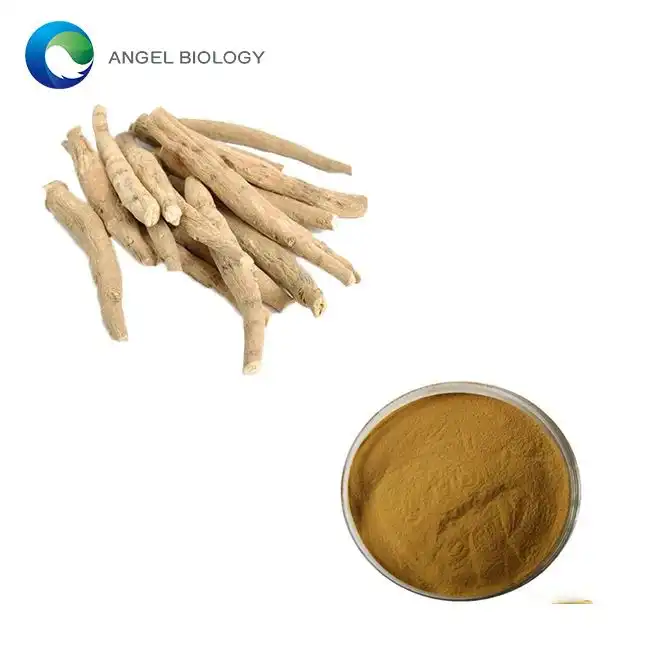
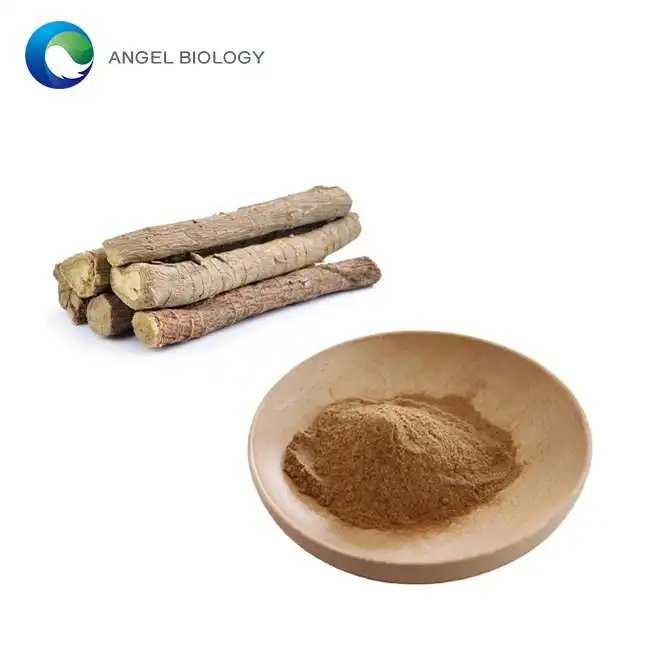
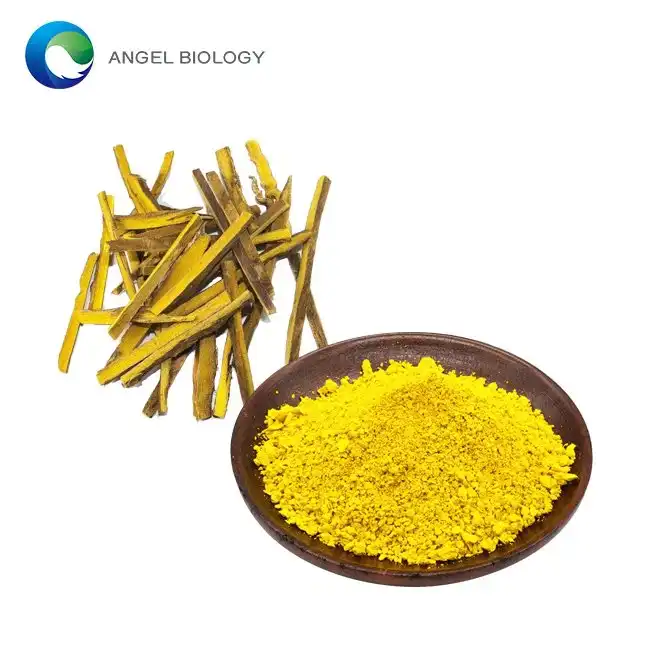
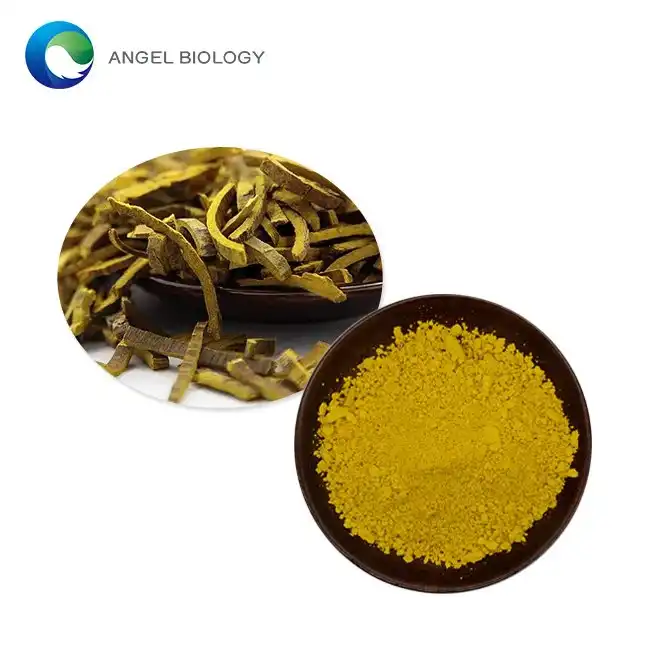
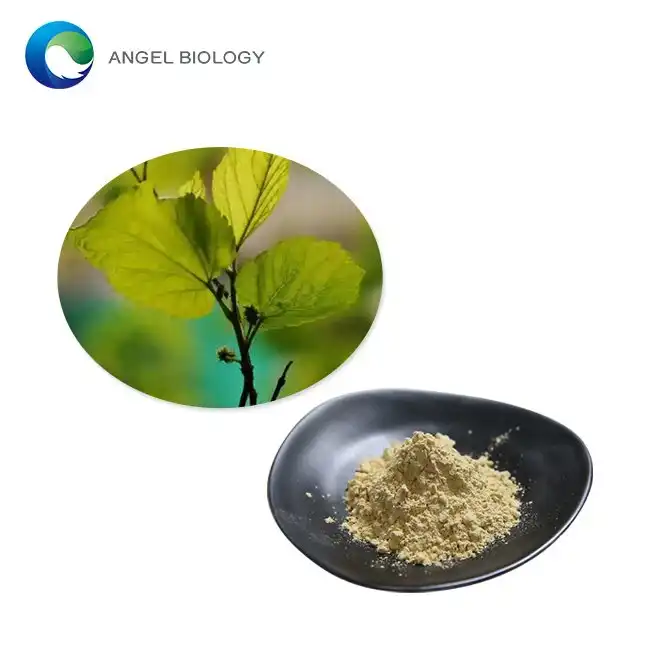
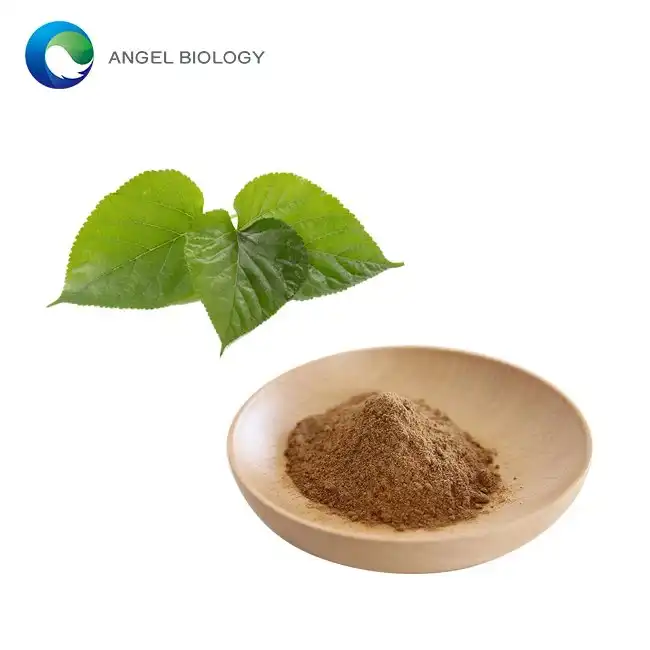
You can get the extract as a standard yellow-to-brown powder or as a liquid concentrate, depending on supplier specifications. Powder forms can be evaluated for compatibility with solvents such as ethanol, butylene glycol, and propylene glycol, and may be incorporated into both oil-in-water and water-in-oil emulsions after appropriate compatibility testing. Because of this flexibility, it can be considered for serums, day creams, ampoules, and sheet mask essences. This gives product developers multiple opportunities to evaluate the ingredient without necessarily changing the overall formula architecture.
Sourcing and Quality Assurance for B2B Procurement
When buying botanical actives, procurement teams know that proper supplier documentation helps distinguish qualified ingredient manufacturers from generic traders. When it comes to this ingredient, these are the most important quality standards to review:
- HPLC Assay & Identification: Chromatographic fingerprinting can help verify authenticity and quantify specified marker compounds such as Kazinol A and Kazinol E.
- Heavy Metal Testing (ICP-MS): Heavy metal specifications should be established according to the intended application, target market, and applicable customer requirements.
- Solvent Residue (GC-HS): The supplier should provide residual-solvent information appropriate to the extraction process and demonstrate that restricted solvents are controlled according to the applicable specification.
- Microbiological Control: Total plate count and the absence or limits for relevant microorganisms should be verified against the agreed raw-material specification.
- Pesticide Screening: Pesticide testing should follow the requirements applicable to the target market and the intended cosmetic application.
These standards provide a practical framework for B2B ingredient qualification. Working with a broussonetia papyrifera extract manufacturer that provides complete COA documentation, batch traceability, analytical data, and consistent specifications can help reduce sourcing uncertainty and support quality control across production runs.
Incorporating Broussonetia Papyrifera Extract into Cosmetic Formulations
Recommended Dosage by Application Type
Many cosmetic formulations may evaluate broussonetia papyrifera extract at levels such as 0.5% to 2.0%, depending on the extract specification, formula type, and intended positioning. Higher inclusion levels may be considered for certain concentrated formats, but the appropriate use level should be established through compatibility, stability, sensory, and safety testing rather than treated as a universal recommendation. By validating the selected range during formulation development, brands can better balance ingredient performance, formula stability, and cost.
Synergistic Pairing with Other Actives
This ingredient can be evaluated alongside Niacinamide and Alpha-Arbutin in formulations designed around skin tone and appearance. Niacinamide and Paper Mulberry extract have different mechanisms of action in laboratory and cosmetic research, which may provide complementary formulation opportunities. However, the combined effect depends on concentration, formula design, stability, and testing conditions. When developing antioxidant-focused products, formulators should also evaluate compatibility with other active ingredients and the overall stability of the finished formula.
Clean Beauty and Preservative Applications
Laboratory studies have investigated the antimicrobial activity of Paper Mulberry compounds, but this should not be interpreted as proof that the extract can function as a standalone preservative in finished cosmetics. Any reduction in preservative use must be supported by appropriate preservative efficacy and finished-product testing. For clean beauty formulations, the ingredient may instead be positioned primarily as a botanical active with a distinctive composition and formulation story.
Future Outlook: Where This Ingredient Is Heading
In North America and Europe, demand continues for botanical ingredients with clear compositional profiles and supporting technical information. Regulatory acceptance depends on the exact ingredient, plant part, INCI designation, formulation, and market. The INCI name may vary according to the plant part and supplier documentation, so brands should verify the applicable cosmetic ingredient databases and local requirements before launch. This documentation-focused approach can make international product development more manageable.
Researchers are continuing to investigate the biological pathways associated with Paper Mulberry compounds, including tyrosinase-related activity and other cellular mechanisms. This ongoing research may create additional opportunities for differentiated cosmetic concepts, particularly where brands want botanical ingredients with recognizable marker compounds and a clear scientific story. Before commercialization, formulators should validate the ingredient's suitability through application-specific testing.
Conclusion
Yes, broussonetia papyrifera extract can be a useful option for current cosmetic product development when its composition, formulation compatibility, and intended positioning are clearly defined. Research has identified tyrosinase-related and antioxidant activities among Paper Mulberry compounds, while the extract's botanical origin and distinctive prenylated flavonoid profile can provide differentiation for cosmetic brands. Rather than treating it as a guaranteed whitening or anti-aging solution, B2B formulators and purchasing teams can evaluate it based on standardized specifications, analytical documentation, formulation performance, and supply-chain reliability.

FAQ
1. What concentration of this extract produces visible skin-brightening results?
Formulation teams may evaluate concentrations such as 0.5% to 2.0% in serums and creams, but there is no single concentration that guarantees a visible cosmetic result across all products. The appropriate level should be determined through formulation testing using the supplier's specific extract grade.
2. Is it stable when combined with Niacinamide or Vitamin C?
It can be evaluated alongside Niacinamide and Vitamin C, but compatibility and stability depend on the complete formula. Because L-Ascorbic Acid can be sensitive to oxidation in aqueous systems, formulators should establish suitable processing conditions through stability testing. Adding the extract during an appropriate cooling stage may also help limit unnecessary thermal exposure.
3. Does it cause skin sensitization?
Skin compatibility depends on the extract specification, concentration, formulation, and individual user. A supplier's available safety documentation can support the initial assessment, while finished-product safety and tolerance testing should be conducted as appropriate. The extract should not be assumed to reduce sensitivity caused by other active ingredients.
4. What INCI name should appear on product labels?
The applicable INCI designation depends on the plant part used and the supplier's ingredient documentation, such as "Broussonetia Papyrifera Bark Extract" or a corresponding root or other plant-part designation. Brands should verify the appropriate INCI name and current cosmetic ingredient requirements in each target market before labeling and commercialization.
Partner with Angelbio for Premium Broussonetia Papyrifera Extract Supply
Angelbio has more than 18 years of research and development experience and has also collaborated with the Institute of Life and Health Research at Xi'an Jiaotong University. Angelbio supplies broussonetia papyrifera extract with defined specifications, HPLC-based analytical testing, batch-traceable COA documentation, and quality-control support. As a supplier of botanical cosmetic ingredients, we work with beauty brands and formulators on OEM/ODM projects and offer flexible MOQ arrangements according to project requirements. You can request a sample, discuss your target specification, or speak with our technical team about sourcing requirements by emailing angel@angelbiology.com.
References
1. Lee, S. H., et al. "Tyrosinase inhibitory activity of prenylated flavonoids from Broussonetia papyrifera." Phytochemistry, 2006.
2. Kim, H. J., et al. "Anti-melanogenic effects of Kazinol compounds isolated from Paper Mulberry bark." Biological & Pharmaceutical Bulletin, 2011.
3. Zheng, Z. P., et al. "Structure–activity relationship of Kazinol-type compounds as tyrosinase inhibitors." Food Chemistry, 2010.
4. Masuda, T., & Yamashita, D. "Antioxidant and radical scavenging activity of prenylated flavonoids from Broussonetia papyrifera." Journal of Agricultural and Food Chemistry, 2009.
5. European Commission. CosIng — Cosmetic Ingredients Database: Regulatory Status of Plant-Derived Actives. European Commission, 2022.
6. Draelos, Z. D. "Skin lightening preparations and the hydroquinone controversy." Dermatologic Therapy, 2007.