



Can Pure Ceramide Powder Reduce Wrinkles Fast?
Pure ceramide powder is widely used in advanced skincare formulations designed to improve the appearance of fine lines, support skin barrier function, and enhance moisture retention. As skin-identical lipids, ceramides help maintain the lipid structure of the stratum corneum and support smoother, better-hydrated skin.
For cosmetic manufacturers, performance depends on the ceramide type, purity, concentration, delivery system, and overall formulation. High-purity ceramide powder gives brands greater control over ingredient specifications and product development.
Understanding Pure Ceramide Powder and Its Role in Wrinkle Appearance
Ceramides are naturally occurring sphingolipids that play an important role in the skin's lipid barrier. Their ability to support moisture retention and skin barrier function makes them valuable in creams, lotions, serums, masks, and other skincare products.
For B2B buyers, ceramide type, purity, formulation compatibility, and technical documentation are key factors when selecting an ingredient.
What Defines High-Purity Ceramide Ingredients
High-purity ceramide ingredients are defined by their ceramide composition, purity, and controlled impurity levels. Common types include Ceramide NP, Ceramide AP, Ceramide EOP, Ceramide NH, and Ceramide NG.
Depending on the product, ceramides may be produced through fermentation-based or synthetic processes. Buyers should evaluate: Purity or assay, Ceramide type, Moisture content, Residual solvents, Heavy metals, Microbial limits, Particle size, Stability.
A complete Certificate of Analysis (COA) and technical data sheet help confirm whether the material meets formulation requirements.
How Ceramides Support the Appearance of Fine Lines
Fine lines can become more visible when skin loses moisture and barrier function declines. Ceramides help support the intercellular lipid matrix of the stratum corneum, which contributes to moisture retention and smoother-looking skin.
They are particularly suitable for formulations targeting: Fine-line appearance, Dry or dehydrated skin, Skin smoothness, Moisture retention, Skin barrier support.
Specific wrinkle-reduction claims should be supported by finished-product testing, as results vary with the ceramide type, concentration, formulation, and application method.
Quality Certifications and Regulatory Standards
When sourcing pure ceramide powder, manufacturers should evaluate the supplier's quality system and documentation.
Relevant documents may include: COA, Specification sheet, SDS, Allergen statement, Non-GMO statement, where applicable, Heavy metal and microbial testing, Stability information, Traceability documentation.
Suppliers with complete technical documentation can help simplify formulation development and regulatory preparation.
Using Pure Ceramide Powder Effectively in Skincare Formulations
Ceramide performance depends on more than purity. Processing conditions, concentration, dispersion, formulation structure, and stability should also be considered.
Recommended Concentration Ranges and Formulation Techniques
Ceramide use levels vary by ceramide type and formulation. A range of approximately 0.2% to 2% may be evaluated, but the optimal level should be determined through formulation testing.
Because ceramides have limited water solubility, they require an appropriate dispersion or delivery system. Depending on the formulation, they can be incorporated into:
- Emulsions
- Oil phases
- Lamellar systems
- Lipid-based delivery systems
- Creams
- Serums
- Balms
Processing conditions should follow the supplier's technical recommendations to ensure proper dispersion and stability.
Building Synergistic Skincare Systems
Ceramides can be combined with other cosmetic ingredients to create multifunctional formulations.
Ceramides + Hyaluronic Acid:
Supports hydration while ceramides help maintain the skin's lipid barrier.
Ceramides + Niacinamide:
A common combination for barrier support, hydration, and overall skin appearance.
Ceramides + Peptides:
Combines barrier-focused care with formulations targeting visible signs of aging.
Successful combinations require compatibility, stability, and finished-product testing.
Safety Considerations and Application Guidelines
Ceramides are widely used in topical cosmetic formulations and are structurally related to lipids naturally present in the skin.
Manufacturers should evaluate the complete formulation for:
- Ingredient purity
- Use level
- pH
- Compatibility
- Stability
- Microbiological quality
- Packaging compatibility
- Finished-product testing helps confirm safety, stability, and consistent performance.
Comparing Pure Ceramide Powder with Other Ceramide Products
Understanding different ceramide formats can help manufacturers select the most suitable ingredient for their formulation.
Powder Versus Liquid Ceramide Formats
Pure ceramide powder offers flexibility in determining the final active concentration, carrier system, emulsification strategy, and delivery system.
Liquid ceramide ingredients may already contain oils, glycols, emulsifiers, or other carriers, which can simplify processing but reduce formulation flexibility.
The best format depends on:
- Desired concentration
- Product format
- Processing technology
- Production scale
- Cost target
For procurement, compare the cost of the actual ceramide active, rather than only the price per kilogram of raw material.
Natural Versus Synthetic Ceramide Sources
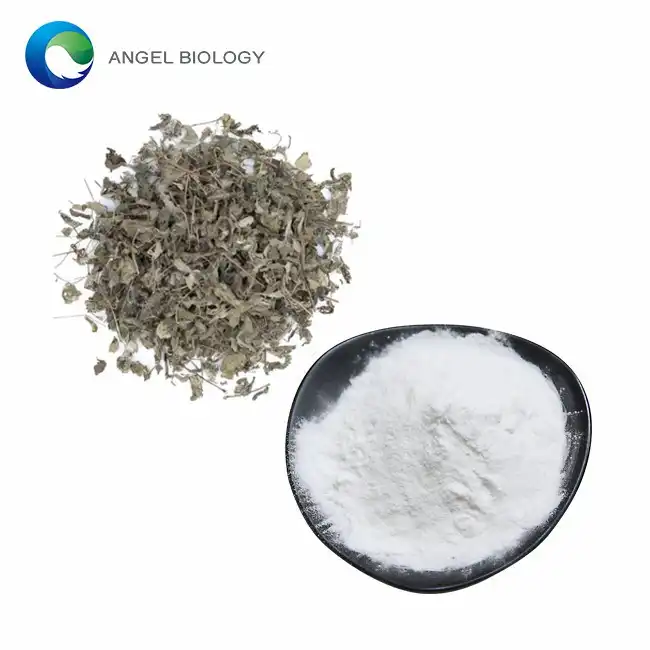
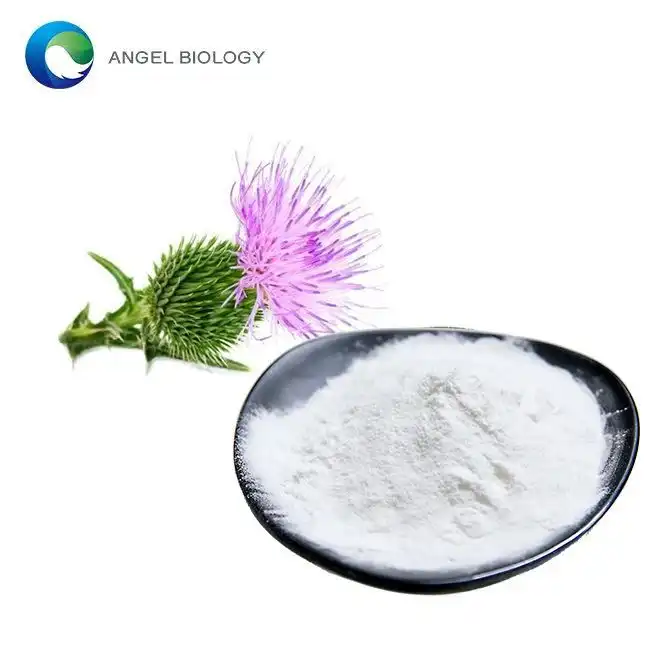
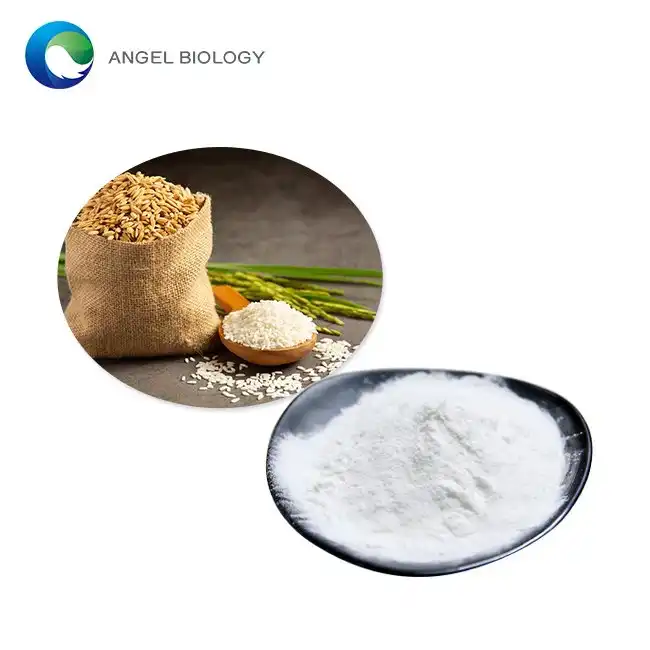
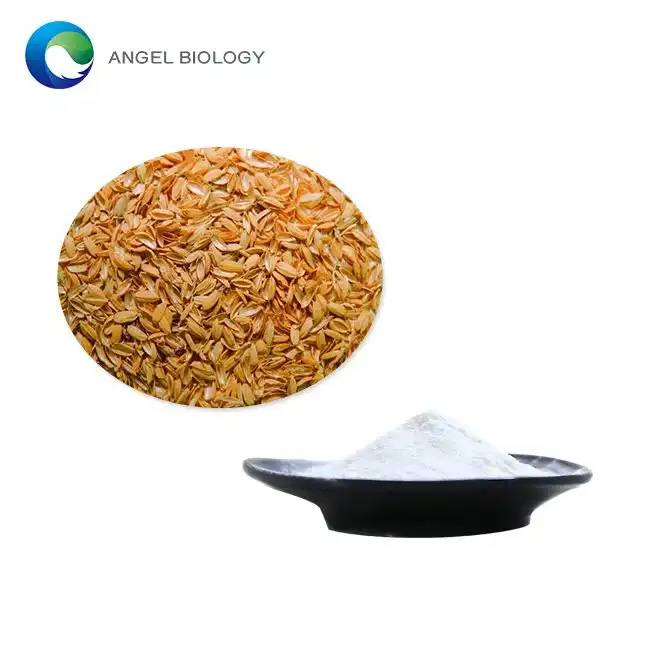
Ceramides may come from fermentation-based production, synthetic processes, or plant-derived sources.
Plant-derived phytoceramides are related to ceramides but may differ in molecular structure and formulation performance.
Buyers should compare:
- Molecular structure
- Purity
- Source
- Manufacturing process
- Sustainability
- Formulation performance
- Cost
- Regulatory requirements
Rather than assuming one source is universally superior, manufacturers should select the material that best matches their formulation and market positioning.
Performance Metrics and Cost-Benefit Analysis
When comparing suppliers, buyers should request:
- Purity and identity testing
- Stability data
- Dispersion information
- Hydration testing
- TEWL data
- Finished-product compatibility data
Finished formulations can also be evaluated for hydration, skin smoothness, and the appearance of fine lines.
Because ceramides are generally used at relatively low levels, manufacturers should calculate the ingredient's cost contribution per finished unit when evaluating commercial feasibility.
Procurement Insights for B2B Clients: How to Source Quality Ceramide Ingredients
Choosing the right supplier helps ensure consistent quality, formulation performance, and supply.
Identifying Credible Ceramide Manufacturers
Evaluate suppliers based on:
- Manufacturing capability
- Raw material traceability
- Purification technology
- Quality control
- Batch consistency
- Analytical testing
- Technical support
- Documentation
- Production capacity
Request the ceramide type, purity specification, manufacturing process, storage requirements, and formulation recommendations before placing an order.
Negotiating Bulk Purchase Agreements
The price of pure ceramide powder depends on ceramide type, purity, manufacturing technology, order quantity, and testing requirements.
Before bulk purchasing, buyers should evaluate samples and pilot batches for: Identity, Purity, Dispersion, Compatibility, Stability, Finished-product performance.
Long-term supply agreements can also help improve supply consistency and production planning.
Managing International Supply Chain Logistics
Ceramide powder should generally be protected from moisture, excessive heat, and direct sunlight.
International buyers should confirm:
- Packaging
- Storage conditions
- Shelf life
- Shipping documents
- COA
- Batch traceability
Lead times depend on order volume, production schedules, testing, and shipping methods.
Real-World Performance: Research Evidence and Industry Applications
Ceramides have been widely studied for their role in skin barrier structure, hydration, and overall skin condition.
Research Findings and Performance Data
Research supports the importance of ceramides in maintaining the skin barrier and moisture balance.
However, results can vary between ingredients and finished formulations. Factors such as ceramide type, concentration, delivery system, application frequency, and formulation structure all influence performance.
For manufacturers developing specific cosmetic claims, finished-product testing can provide more relevant evidence.
Useful evaluation methods include: Corneometer testing, TEWL testing, Skin elasticity measurements, Skin smoothness evaluation, Fine-line appearance assessment, Consumer testing
Market Applications Across Product Categories
Ceramide ingredients are suitable for a wide range of skincare products, including:
- Facial creams
- Moisturizers
- Barrier-support lotions
- Serums
- Eye creams
- Sleeping masks
- Body creams
- Hand creams
- Sheet masks
- Premium anti-aging skincare
Ceramides can also be combined with hydration-focused and skin-conditioning ingredients to create differentiated formulations.
Future Trends in Ceramide Technology
Ceramide technology continues to develop through:
- Fermentation-based production
- High-purity purification
- Biomimetic lipid systems
- Encapsulation
- Lamellar delivery systems
- Sustainable manufacturing
- Customized ceramide blends
These developments create opportunities for brands to combine high-purity ceramide ingredients, advanced formulation technology, and sustainability positioning.
Conclusion
Pure ceramide powder is a versatile cosmetic ingredient for skincare products targeting hydration, skin barrier support, smoothness, and the appearance of fine lines.
Its value comes from its role in the skin's lipid barrier and its compatibility with a wide range of cosmetic formulations.
For B2B buyers, selecting the right ceramide requires consideration of ceramide type, purity, formulation compatibility, testing data, documentation, supply consistency, and technical support.
With reliable sourcing and proper formulation, high-purity ceramide ingredients can help brands develop differentiated skincare products with strong technical and commercial positioning.
FAQ
1. How quickly can ceramide formulations improve the appearance of fine lines?
Results vary depending on the ceramide type, concentration, formulation, application frequency, and individual skin characteristics.
Improved hydration and smoother-looking skin may be among the earlier visible benefits. Specific wrinkle or fine-line claims should be supported by finished-product testing.
2. Are there any side effects associated with ceramide ingredients?
Ceramides are widely used in topical cosmetic formulations. However, the safety and tolerability of a finished product depend on the complete formulation.
Manufacturers should conduct appropriate safety, compatibility, and stability testing before commercialization.
3. Can ceramides be combined with other anti-aging actives?
Yes. Ceramides can be formulated with ingredients such as: Hyaluronic acid, Niacinamide, Peptides, Antioxidants, Other skin-conditioning ingredients
Formulators should evaluate compatibility, stability, processing conditions, and finished-product performance.
Partner with Angelbio for Premium Ceramide Raw Materials
For manufacturers seeking reliable pure ceramide powder, Angelbio provides high-purity ceramide ingredients for advanced cosmetic formulations.

We support B2B customers with:
- Product specifications
- COA documentation
- Samples
- Formulation guidance
- Stability support
- Quality documentation
- Regulatory documentation
- Bulk supply
Whether you are developing a new skincare line, improving an existing formula, or evaluating alternative suppliers, Angelbio can support your project from sample evaluation to commercial-scale sourcing.
Contact Angelbio at angel@angelbiology.com to request samples, specifications, technical documents, or discuss your ceramide formulation requirements.