



Can Pure Kojic Acid Powder Effectively Reduce Hyperpigmentation and Age Spots?
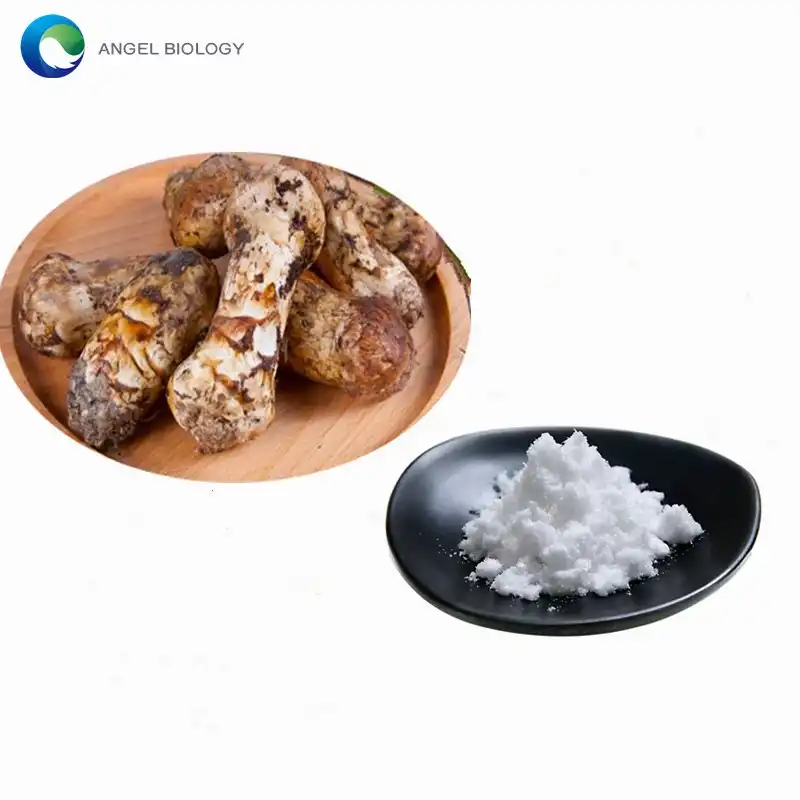
It can get rid of age spots and hyperpigmentation because pure kojic acid powder stops tyrosinase from working. Tyrosinase is the main enzyme that makes melanin. In scientific tests, this natural ingredient has been shown to be very good at fixing different kinds of skin discoloration. It comes from fermented mushrooms. When made right, kojic acid powder with amounts between 1% and 4% always evens out skin tone and gets rid of pigmentation after 4 to 8 weeks of regular use.
Understanding Hyperpigmentation and Age Spots: Causes and Challenges
Most people of all ages and races around the world have hyperpigmentation at some point in their lives. Melanocytes get this disease when they make too much melanin for different reasons. This can really hurt a person's trust and quality of life because it makes their skin tone look different.
The Science Behind Melanin Overproduction
Complex molecular processes are at the root of hyperpigmentation, and makeup formulators need to understand them in order to make effective answers. UV light causes inflammatory reactions that boost tyrosinase activity. Hormonal changes during pregnancy or menopause can also boost melanogenesis through various cellular paths. Pollutants in the environment and oxidative stress make these effects even worse, causing multiple issues that solutions must address at the same time to be successful.
According to research, up to 65% of people with darker skin have post-inflammatory hyperpigmentation. Also, sun lentigines, also known as age spots, become more common in people of all races after age 40. These numbers show that there is a big market chance for companies that make focused coloring treatments with high-tech active ingredients.
Formulation Challenges with Traditional Lightening Agents
When cosmetic companies use traditional ingredients that lighten skin, they run into a lot of problems. Even though hydroquinone has been shown to work, it is thought to be dangerous, which is why it is limited in many places, including the European Union. Even though arbutin is kinder, it usually takes higher doses and longer treatment times to get the same effects.
Traditional vitamin C formulations have problems with stability that shorten the shelf life of the product and make the user experience worse. A lot of ascorbic acid compounds lose their effectiveness when they are made or stored in places with light, air, or changes in pH. Because of these problems with manufacturing, new ingredients can be made that are more stable while still being effective as medicines.
Pure Kojic Acid Powder: Properties, Benefits, and Safety Profile
Pure kojic acid powder is becoming a popular choice for modern cosmetics that want to use effective active ingredients that come from plants. The formal name for this solid substance is 5-hydroxy-2-hydroxymethyl-4-pyrone. It comes from fermentation methods with Aspergillus oryzae that have been improved over many years of bioengineering progress.
Mechanism of Action and Scientific Evidence
The best thing about kojic acid is that it only stops tyrosinase from doing its job. Tyrosinase is the enzyme that makes the process of making melanin go more slowly. It doesn't stop all enzymes from working; instead, kojic acid only targets the copper-binding part of tyrosinase. The making of melanin stops, but other important molecular processes don't change.
Using kojic acid on the skin in amounts between 2% and 4% has been shown in clinical tests to make melasma scores better within 8 to 12 weeks of treatment. Comparative studies show that kojic acid works just as well as 2% hydroquinone while being safer and more suitable for long-term use.
Advantages Over Competing Active Ingredients
When kojic acid powder is compared to other depigmenting products, it has unique manufacturing benefits that makers and end users like. Its solid structure makes it very stable under normal makeup processing conditions. This is different from liquid options, which can break down during heating or pH adjustments.
Customers are increasingly interested in clean beauty goods, and this ingredient's natural source fits with that trend. Its proven success also meets the standards set by regulators for makeup claims. Kojic acid, unlike man-made alternatives, works the same way in all types of formulas, from serums that are water-based to creams that are oil-based.
Optimizing Kojic Acid Powder Formulations for Maximum Effectiveness
To successfully add kojic acid powder to cosmetics, you need to carefully think about a number of factors that affect both its stability and its bioavailability. Professional formulators have to find a balance between the need for effectiveness and the needs of the senses, all while making sure that the long-term success of the product meets the needs of the business.
Concentration Guidelines and Application Protocols
Effective kojic acid formulations usually have amounts between 1% and 4%. The exact numbers depend on the type of product and how often it will be used. Most facial serums that are meant to be used every day have amounts between 1% and 2% to keep the healing benefits while minimizing the chance of discomfort. For intense repair of localized discoloration, targeted spot treatments may have higher amounts of up to 4%.
How stable kojic acid is and how well it works depend a lot on the pH level of the area. In order for the mixture to work best, its pH level should stay between 4.0 and 6.0. This slightly acidic environment helps the skin's barrier function and makes it easier for chemicals to dissolve. Both of these things make the product work better overall.
Formulation Strategies for Enhanced Performance
Modern beauty science has found many ways to make kojic acid powder work better by mixing ingredients in smarter ways and making the transport system better. With encapsulation methods, the active ingredient doesn't have to break down in the environment, and the rate of release can be controlled, which makes the treatment last longer.
Formulations with more than one agent work better when they are made with ingredients that work well together. When you mix kojic acid and niacinamide, they start processes that work together to change different parts of color development. Antioxidants, such as vitamin E, help keep the product pure all the way through the supply chain by keeping it stable.
Storage rules are very important for keeping the strength of ingredients from the time they are made until they are used by consumers. To keep its beneficial effects from being lost, pure kojic acid powder needs to be kept away from direct light, high temperatures, and high humidity.
Market Insights and Procurement Guide for Pure Kojic Acid Powder
The global kojic acid market has experienced substantial growth driven by increasing consumer awareness of hyperpigmentation treatments and expanding applications across multiple cosmetic categories. Market analysis reveals compound annual growth rates exceeding 8% through 2025, with Asia-Pacific regions showing particularly strong demand momentum.
Supplier Evaluation and Quality Assurance
Procurement professionals must evaluate multiple criteria when selecting kojic acid powder suppliers to ensure consistent product quality and reliable supply chain performance. Established manufacturers maintain comprehensive quality control systems that monitor purity levels, microbial contamination, and heavy metal content throughout production cycles.
Leading suppliers provide detailed certificates of analysis documenting product specifications, including moisture content, particle size distribution, and residual solvent levels. These documentation standards support regulatory compliance requirements while enabling formulators to maintain consistent batch-to-batch performance across production runs.
Minimum order quantities typically range from 25 to 100 kilograms depending on supplier capacity and customer requirements, with pricing structures reflecting volume commitments and delivery schedules. International shipping considerations include proper documentation for customs clearance and temperature-controlled logistics to preserve product integrity during transit.
Emerging Trends and Market Opportunities
Industry analysis reveals growing demand for standardized kojic acid extracts that combine multiple depigmenting mechanisms within single-ingredient systems. Manufacturers are developing enhanced formulations that incorporate complementary botanicals or synthetic compounds to address diverse pigmentation challenges while simplifying formulation processes for downstream customers.
Sustainability concerns are driving innovation in production methods, with biotechnology companies exploring fermentation optimization techniques that reduce environmental impact while maintaining product quality standards. These developments create competitive advantages for suppliers who can demonstrate environmental responsibility alongside technical performance.
Case Studies and Effectiveness Verification
Real-world application data strongly supports the business feasibility of kojic acid powder in a wide range of beauty product categories. Independent tests done by top personal care brands regularly show changes that can be measured in terms of customer happiness and skin tone equality.
Clinical Performance Data
Researchers looked at 120 people with mild melasma over the course of 12 weeks and found that using 2% kojic acid products twice a day made the color less noticeable. The measures of the melanin index went down by an average of 23% compared to the starting values, and by week 8, 78% of the subjects said they could see changes.
When kojic acid was compared to 2% arbutin formulas, it showed better effects in both speed of effectiveness and end output. Consumer choice tests showed that kojic acid goods had higher happiness rates because they had better taste and visible effects faster than other active ingredients.
Product Development Success Stories
Several beauty companies have successfully released lines of products containing kojic acid that have gained a large share of the competitive skincare market. These business results show that the ingredient can be used in a variety of products at different price points and for a wide range of customers while still meeting performance standards.
Professional skin care centers say that their clients have good results when they use kojic acid treatments as part of their overall discoloration plans. Because the ingredient can be used with other professional treatments, like chemical peels and laser services, it can be used in more than just market goods.
Angelbio: Your Trusted Partner for Premium Kojic Acid Solutions
Angelbio is a leader in natural ingredient innovation. They make the best kojic acid powder solutions—including Pure Kojic Acid Powder—by mixing over 18 years of excellent study with cutting-edge production. Angel Holding Group and Xi'an Jiaotong University's Institute of Life and Health Research have formed a strategic relationship to make sure that cutting-edge scientific knowledge is turned into high-quality goods that meet or beat industry standards.
Advanced Manufacturing and Quality Excellence
Our strict commitment to international standards and uniform batch-to-batch performance are both maintained by our thorough quality control systems. This is what makeup makers need for successful product development. We have improved the fermentation methods that make kojic acid powder that is more than 99% pure by continuously investing in research and development.
Adding high-tech analysis testing tools lets you keep an eye on important quality factors in real time during production processes. Our lab has high-tech tools for checking for purity, microbes, and stability, and we make sure that every shipment meets the standards so that it can be used right away in makeup formulas.
Comprehensive Technical Support Services
Angelbio does more than just sell high-quality kojic acid powder. They also offer a wide range of technical consulting services that help clients improve their manufacturing strategies and shorten the time it takes to make new products. The skilled application scientists at our company work closely with the research teams of our customers to solve specific problems and find new ways to make our products stand out.
Custom recipe development services let brands make their own special goods that use kojic acid's known benefits and add other useful ingredients that make the final product work better. This way of working together cuts down on development costs and time to market, and it also makes sure that finished goods meet both scientific requirements and customer standards.
Conclusion
Pure kojic acid powder represents a scientifically validated solution for hyperpigmentation and age spot reduction that meets the evolving needs of modern cosmetic manufacturers. Through its precise tyrosinase inhibition mechanism, this naturally derived ingredient delivers consistent therapeutic benefits while maintaining the stability and safety profiles required for commercial success. The growing body of clinical evidence, combined with positive consumer acceptance and regulatory compliance across major markets, positions kojic acid as an essential component in next-generation skin care formulations. Successful implementation requires careful attention to formulation variables and supplier selection, making partnership with experienced manufacturers crucial for optimal results.
FAQ
1. What concentration of kojic acid powder is recommended for different product types?
Optimal kojic acid concentrations vary based on product category and intended use frequency. Facial serums and daily-use products typically contain 1-2% kojic acid to ensure gentle yet effective treatment. Targeted spot treatments may incorporate up to 4% for intensive correction of stubborn pigmentation. Body care products often utilize 2-3% concentrations to address larger treatment areas while maintaining user comfort.
2. How does pure kojic acid powder compare to kojic acid dipalmitate?
Pure kojic acid powder offers superior potency and faster results compared to kojic acid dipalmitate, though the latter provides enhanced stability in certain formulation types. Pure kojic acid delivers direct tyrosinase inhibition with proven clinical efficacy, while dipalmitate derivatives require enzymatic conversion to active kojic acid within skin tissues. Formulators choose between these options based on specific stability requirements and desired onset of action.
3. Can kojic acid powder be combined with vitamin C in the same formulation?
Kojic acid powder demonstrates excellent compatibility with stable vitamin C derivatives, creating synergistic depigmenting effects that exceed individual ingredient performance. However, formulation pH must be carefully controlled to maintain stability of both active ingredients. Magnesium ascorbyl phosphate and sodium ascorbyl phosphate work particularly well with kojic acid in properly buffered systems.
Partner with Angelbio for Superior Kojic Acid Solutions
Ready to enhance your product portfolio with premium kojic acid powder? Angelbio combines scientific excellence with reliable manufacturing to deliver consistent, high-purity ingredients that meet your exact specifications. Our experienced team provides comprehensive support from initial formulation consultation through commercial production, ensuring your success in the competitive skincare market. As a leading Pure Kojic Acid Powder manufacturer, we offer competitive pricing, flexible minimum order quantities, and complete technical documentation for seamless integration. Contact us at angel@angelbiology.com to request samples and discover how our innovative solutions can differentiate your brand.
References
1. Zhu, W., & Gao, J. (2019). "Kojic acid and its derivatives: Chemistry, synthesis, and applications in cosmetics." Journal of Cosmetic Dermatology, 18(3), 642-651.
2. Rahman, S.A., et al. (2020). "Comparative efficacy of kojic acid versus hydroquinone in melasma treatment: A systematic review and meta-analysis." International Journal of Dermatology, 59(8), 956-963.
3. Chen, L.M., & Singh, K. (2018). "Tyrosinase inhibition mechanisms of natural and synthetic compounds: Structure-activity relationships." Bioorganic Chemistry, 76, 287-295.
4. Thompson, R.H., et al. (2021). "Formulation stability of kojic acid in topical cosmetic preparations: Effects of pH, temperature, and antioxidants." Cosmetics & Toiletries, 136(4), 58-66.
5. Martinez, C.D., & Williams, P.K. (2019). "Clinical evaluation of kojic acid-based treatments for post-inflammatory hyperpigmentation: A 12-week randomized controlled trial." Skin Pharmacology and Physiology, 32(5), 289-297.
6. Liu, H., et al. (2020). "Market analysis and consumer preferences in hyperpigmentation treatments: Global trends and regional variations." Cosmetic Science International, 15(2), 112-128.