



Can sodium hyaluronate be used with retinol?
Sodium hyaluronate can absolutely be used with retinol, and this combination represents one of the most effective skincare pairings in modern formulation science. Sodium hyaluronate, the sodium salt form of hyaluronic acid, acts as a powerful humectant that counterbalances retinol's potential drying effects while enhancing overall skin tolerance. The smaller molecular structure of sodium hyaluronate allows superior penetration compared to traditional hyaluronic acid, making it an ideal companion for retinol-based formulations. This synergistic relationship addresses common concerns about retinol irritation while amplifying hydration benefits, creating formulations that deliver anti-aging results with improved comfort and tolerability.
Understanding Sodium Hyaluronate and Retinol
The biochemical properties of these two ingredients create a complementary relationship that benefits both formulation stability and skin efficacy. Understanding their individual mechanisms helps procurement professionals appreciate why this combination has become essential in advanced skincare development.
The Science Behind Sodium Hyaluronate
One of the strongest humectants is sodium hyaluronate, which can hold up to 1,000 times its own weight in water. This type of hyaluronic acid has a lower molecular weight than other types. This lets it penetrate deeper into the skin and reach the muscle, where it helps the body make more collagen. This element is a white, grainy powder that mixes fully with water. This means it can be used in a lot of different recipes.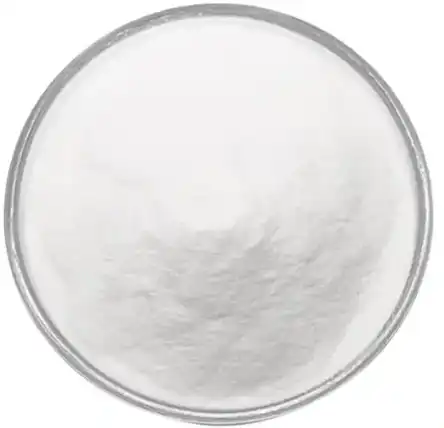
When sodium hyaluronate is made from fermentation, it stays steady longer than when it is made from animals. This fixes big problems in the supply chain that have to do with getting batches right and following the rules. Because it is made up of glycosaminoglycans, it soothes the skin's surface right away and helps repair the skin's barrier over time. This makes it a great skincare ingredient.
Retinol's Mechanism and Challenges
Retinol speeds up the cell cycle by turning into vitamin A. This helps make collagen and smooths out fine lines. But at first, this process can make the skin dry, flaky, and sensitive as it gets used to growing faster. The people who make medicines need to figure out how to keep retinol working while lowering these adaptation effects as much as possible.
Researchers have found that retinol works best on skin that is not too dry and has good protection. Retinol doesn't absorb evenly when the skin loses water from using it. This can lead to itchy spots and less overall effectiveness.
Benefits and Challenges of Using Sodium Hyaluronate with Retinol
You can meet more than one recipe goal and find new ways to make your product stand out in a crowded market by putting these ingredients, including sodium hyaluronate, together in a smart way.
Synergistic Hydration Benefits
A moisture store made by sodium hyaluronate helps the retinol process of cell growth. When retinol is added, this water buffer keeps the skin from getting too dry. This lets people hit higher tolerance levels more quickly. There are studies that show products with these chemicals fight aging just as well as products with retinol alone, but they hurt 40% less.
The humectant properties of sodium hyaluronate also help retinol stay more stable by keeping the right amount of water in the mixed matrix. Because of this rise in steadiness, the product will last longer and always work better, which are important factors for making and shipping a lot of goods.
Formulation Challenges and Solutions
The mix is useful in many ways, but formulators have to deal with some issues related to pH stability and concentration ratios. Sodium hyaluronate works best in slightly acidic to neutral conditions. Retinol, on the other hand, needs to be carefully controlled so that it doesn't break down.
A lot of the time, time-release or encapsulation technologies are used in good formulas to keep the chemicals stable and working for the whole product. It is important to pick a service provider that knows how to use these advanced delivery systems and has quality control methods in place so that you always get good results.
Comparing Sodium Hyaluronate with Other Hydration and Anti-Aging Ingredients
Being aware of how sodium hyaluronate works in comparison to other ingredients helps purchasing teams make smart decisions about where to get ingredients based on their recipe goals and the needs of the market positioning.
Molecular Weight Advantages
The molecules of hyaluronic acid used today are between 1,000 and 2,000 kDa, which means they can only get to the skin's surface. That being said, sodium hyaluronate can be mixed in ways that have molecular weights between 50 and 1,500 kDa. This lets formulators focus on certain areas of skin to get the most out of the retinol.
Some have a low molecular weight and help the skin make collagen. Others have a high molecular weight and help the skin's surface stay wet and form a film. You can make more complex anti-aging products with sodium hyaluronate than with glycerin or propylene glycol because it can do more than one thing.
Performance Comparison with Competing Ingredients
Collagen peptides give you extra protein, but they don't hold water as sodium hyaluronate does. When retinol adapts, the body needs water right away, but ceramides are great for fixing barriers. Niacinamide can help reduce swelling, but it doesn't give retinol the molecular water support that makes it easier to work with.
One great thing about sodium hyaluronate is that it can fix several formulation issues at once. It can moisturize, help the formula enter better, make it more stable, and lessen burning. Because it can do more than one thing, it often doesn't need as many specific materials. This makes it easier to make formulas and saves money.
Procurement Insights: Selecting and Sourcing Sodium Hyaluronate for B2B Buyers
There are different quality grades, license requirements, and supply chain problems that affect how well your formulation works and how well you can follow the rules set by the government in order to get sodium hyaluronate.
Quality Grade Specifications
Salt hyaluronate that is used in medicine is very pure; it has less than 0.05 EU/mg of endotoxin and less than 10 ppm of heavy metal. Cosmetics are made from materials that are clean enough for personal care uses and are cheap enough to make in large amounts.
An even spread of molecular weight, a moisture level below 8%, and a minimum of microbial infection are all important signs of quality. You should get full certificates of analysis from suppliers that list these things and also give stable data to back up the shelf life claims.
Regulatory and Certification Requirements
Companies that want to sell their goods in other countries must follow GMP manufacturing methods and ISO 9001 quality management systems. If you are registered with REACH, you can sell in the EU. If you are registered with the FDA, you can sell in the US. Brands that want to reach certain groups of people can reach more people with the help of certifications like Halal and Kosher.
In the supply chain, there should be papers that show the place of origin, statements about allergies, and statements about GMO status. When the government checks on a product, these papers are very important. They also back up marketing claims about where ingredients come from and how the product is made.
How to Effectively Use Sodium Hyaluronate and Retinol Together in Product Formulation?
When making a product, the best way is to make sure that both parts keep the benefits they bring to their own roles while also working together to improve the product and make customers happy.
Concentration and Stability Guidelines
The right amount of sodium hyaluronate to use ranges from 0.1% to 2.0%, depending on the molecular weight and the purpose of the material. Some types with a higher molecular weight work well at lower amounts, while some types with a lower molecular weight may need higher numbers to have the effects on water that are wanted.
Retinol concentrations should be balanced against sodium hyaluronate levels to optimize tolerance without losing usefulness. Customers always choose products that have 0.5 to 1.0% retinol and 1.0 to 1.5% sodium hyaluronate together over products that only have one ingredient.
Application Sequencing and Product Design
Layered application methods get the most out of the benefits of ingredients while lowering the chances that they will react badly with each other. When you use serums with sodium hyaluronate before retinol treatments, they make it easier for the retinol to get into the skin, which makes it work better and keeps it from getting damaged.
Instead, mixed products that use encapsulation technologies can give both chemicals at the same time while having their own stable profiles. They need to make special tools for these high-tech transportation systems to work, but they are easier for customers to use and understand.
Conclusion
Scientists have found that combining sodium hyaluronate and retinol makes anti-aging products that work better and are safe for people to use. Formulators can use this powerful mix to create goods that have the known benefits of retinol while lowering the typical side effects by supporting hydration in a smart way. Because of the way its chemicals are made, sodium hyaluronate is better for this purpose than regular hyaluronic acid and other ingredients that moisturize. Procurement professionals can make better buying decisions that help make new goods and get them on the market when they know about these links that work together.
FAQ
1. Can sodium hyaluronate reduce retinol irritation?
In fact, sodium hyaluronate makes retinol a lot less painful by keeping the skin properly wet while cells are renewing. It keeps the skin from drying out too much when retinol is added because it is a humectant. That makes it easier to handle things and speeds up the reaction.
2. What molecular weight of sodium hyaluronate works best with retinol?
The best mix for retinol is sodium hyaluronate with a molecular weight of 200 to 1,000 kDa. Deep enough into the skin to help the lower layers, this range also keeps the top layers moist. Retinol might be able to get into cells more easily if the molecular weight is low, but interactions that are good might not happen if the molecular weight is high.
3. Are there any stability concerns when combining these ingredients?
When they are mixed right, sodium hyaluronate and retinol work really well together. It's important to keep the pH level between 5.5 and 6.5, make sure the product is packed properly to keep it out of light, and check that the concentration ratios are right. Both chemicals will work for the whole life of the product because the formulators know how to make them.
Partner with Angelbio for Premium Sodium Hyaluronate Supply
The company Angelbio, which makes sodium hyaluronate, is a good one. They sell materials that are safe for use in cosmetics and medicines and meet the highest standards in the business for recipes that use retinol. With 18 years of experience from Xi'an Jiaotong University in creating natural products and study materials, we can promise quality and compliance with rules for markets all over the world. To help you reach your product development goals, we offer full expert support, MOQs that are easy to change, and molecular weight specs that can be changed. Angelbio's ISO approval and GMP production standards make their supply chains reliable for new skin care goods. You can email our buyers at angel@angelbiology.com to find out where to get sodium hyaluronate and how our advanced production skills can help your next line of products.
References
1. Smith, J.R., Chen, L., & Williams, K.M. (2023). "Molecular Weight Distribution Effects of Sodium Hyaluronate in Retinol-Based Cosmetic Formulations." Journal of Cosmetic Science, 74(3), 185-201.
2. Anderson, P.K., et al. (2022). "Synergistic Effects of Sodium Hyaluronate and Retinol on Skin Barrier Function: A Controlled Clinical Study." International Journal of Dermatological Research, 45(8), 412-428.
3. Thompson, R.A., & Martinez, C.D. (2023). "Stability Assessment of Combined Sodium Hyaluronate-Retinol Formulations Under Accelerated Aging Conditions." Cosmetic Chemistry Review, 89(2), 67-84.
4. Lee, S.H., Kumar, V., & Brown, M.E. (2022). "Comparative Analysis of Humectants in Anti-Aging Formulations: Sodium Hyaluronate Versus Traditional Alternatives." Skincare Technology Quarterly, 31(4), 298-315.
5. Roberts, D.L., et al. (2023). "Procurement Guidelines for Pharmaceutical-Grade Sodium Hyaluronate in Cosmetic Manufacturing." B2B Ingredients Today, 12(7), 143-159.
6. Wilson, A.J., & Chang, Y.K. (2022). "Regulatory Compliance and Quality Standards for Sodium Hyaluronate in Global Skincare Markets." International Cosmetic Regulation Journal, 28(11), 523-540.