



Can White Willow Bark Extract Salicin Reduce Pain?
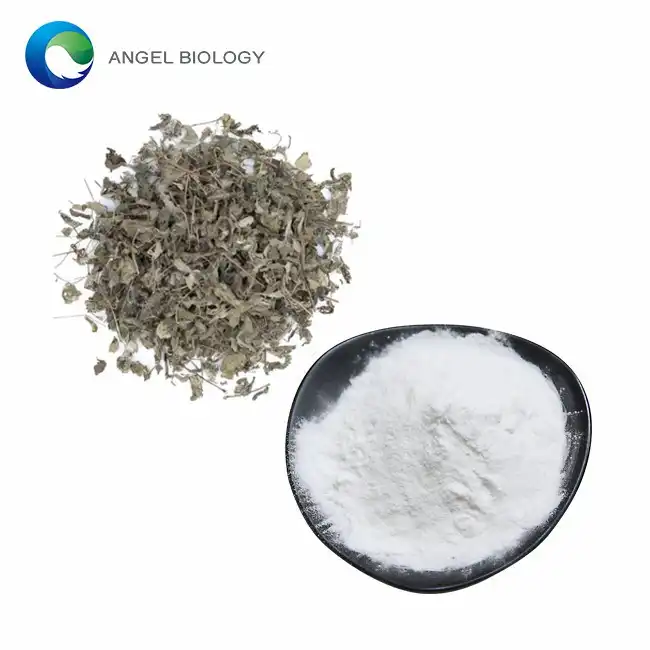
White willow bark extract salicin is a naturally occurring plant compound found in the bark of white willow (Salix alba) and related willow species. Salicin can be converted in the body into salicylate-related compounds, which are associated with pain and inflammation pathways. Some clinical studies of specific willow bark extracts suggest potential benefits for short-term relief of lower back pain, but the available evidence remains limited and does not establish the same effect for every extract, salicin concentration, or finished product. For B2B formulators and supplement brands, understanding these distinctions helps support accurate product positioning and responsible ingredient selection.
Understanding White Willow Bark Extract and Salicin
The Chemistry Behind Salicin
White willow bark extract salicin is a naturally occurring phenolic glycoside. It is not the same substance as salicylic acid or aspirin, although salicin can be metabolized into salicylate-related compounds after ingestion. The salicin content of a commercial extract depends on the willow species, raw material, extraction process, and product specification. HPLC may be used to quantify salicin when the method has been validated for the ingredient matrix.
Willow bark extracts may also contain tannins, flavonoids, and other phenolic compounds. Their presence and levels vary by extract type, and their contribution to the effects of a finished product should not be assumed without supporting evidence. For ingredient buyers, a defined salicin specification and a suitable analytical method help make product comparisons more meaningful.


A History Rooted in Herbal Tradition
Willow bark has a long history of traditional use for discomfort associated with pain and fever. Historical accounts describe the use of willow preparations in several ancient cultures, and willow-derived salicylate chemistry contributed to the scientific development of aspirin. However, the historical use of willow bark does not by itself establish the clinical effectiveness of every modern extract.
For natural ingredient brands, this background can provide useful context for product storytelling. Marketing materials should distinguish traditional use from findings in clinical studies and avoid suggesting that a botanical ingredient has the same effects, safety profile, or approved uses as a conventional medicine.
How It Works: The Analgesic Mechanism
After oral intake, salicin can be metabolized through several steps into salicylate-related compounds. These compounds may influence pathways involved in pain and inflammation, including pathways associated with cyclooxygenase enzymes and prostaglandins. However, the pharmacology of whole willow bark extract is complex, and salicin alone may not explain all observed effects.
Some clinical studies have investigated particular willow bark extracts standardized to salicin, including preparations supplying 120–240 mg of salicin per day. These study amounts are research-specific and should not be treated as a universal dosage recommendation for commercial ingredients or finished supplements. Outcomes may differ according to extract composition, formulation, population, and duration of use.
It is also not established that salicin provides a gentler effect on the stomach or a lower overall risk than aspirin in every situation. Product safety and suitability need to be assessed in the context of the intended use and relevant evidence.
Comparing White Willow Bark Extract Salicin with Other Pain Relief Solutions
Salicin vs. Synthetic Aspirin
Salicin and aspirin are chemically related through their connection to salicylate chemistry, but they are not interchangeable ingredients. Aspirin is acetylsalicylic acid, while salicin is a plant-derived glycoside that undergoes metabolism after ingestion. Their pharmacological actions, absorption, dose relationships, and safety considerations differ.
There is no reliable universal conversion that establishes a fixed amount of salicin as equivalent to a particular dose of aspirin for pain relief. Evidence from a specific willow bark preparation cannot automatically be applied to a different extract or used to support a direct superiority claim. Brands developing botanical products should base comparative statements on relevant clinical evidence and the regulations governing their target market.
Salicin vs. Other Botanical Analgesics
Turmeric, devil’s claw, and meadowsweet are also used in botanical products positioned around joint comfort or general well-being. Their compositions, research evidence, and formulation properties vary, so comparisons should be made carefully.
Turmeric (curcumin): Curcumin has been studied for several health-related outcomes, but its absorption and performance depend on the formulation. Evidence from one curcumin preparation should not be assumed to apply to all turmeric extracts.
Devil's claw: Some preparations have been investigated for lower back and joint discomfort. The findings depend on the extract and study design, and they do not guarantee a similar effect in every finished product.
Meadowsweet: This botanical contains salicylate-related constituents. Its composition and clinical evidence differ from those of standardized willow bark extracts.
The salicin content of white willow bark extract salicin can be measured using an appropriate analytical method. This can help buyers specify and compare raw materials, but standardization alone does not prove that different extracts will deliver identical clinical outcomes.
Organic vs. Non-Organic Extract: What Buyers Should Know
Organic and non-organic white willow bark extracts may differ in sourcing practices, documentation, availability, and price. Whether organic status is necessary depends on the product concept, target customer, destination market, and applicable labeling rules. Buyers should confirm the scope and validity of any organic claim through appropriate documentation.
An organic designation does not, by itself, demonstrate higher salicin content, better clinical performance, or greater safety. Likewise, a non-organic extract should be evaluated using its actual specifications and supporting quality documents rather than assumptions about its performance. Procurement decisions should reflect the requirements of the intended application and the evidence available for the specific ingredient.
Procurement Insights for White Willow Bark Extract Salicin
Evaluating Suppliers and Quality Documentation
For buyers sourcing standardized white willow bark extract in bulk, the first step is to define the required product specification and analytical method. A Certificate of Analysis (COA) should identify the relevant batch and report the tested parameters and results. Where salicin content is a key requirement, buyers can ask whether HPLC or another validated, suitable method is used and whether the result refers specifically to salicin.
Different analytical methods may measure different groups of compounds. UV spectrophotometry, for example, may not provide a salicin-specific result unless the method has been validated for that purpose. Results from different methods should not be compared directly without understanding what each test measures.
Depending on the intended application and market, buyers may also request relevant documentation for heavy metals, microbiological parameters, pesticide residues, residual solvents, and other agreed specifications. The available documents and testing scope should be confirmed for the actual product and batch.
Key Factors Influencing Procurement Decisions
Price per kilogram is only one factor in selecting a supplier. Buyers should consider the complete specification and its suitability for the intended formulation:
Salicin content and analytical method: Choose a specification that fits the formulation requirements, and confirm how the reported content is measured. Higher salicin content does not automatically mean better performance in every application.
Batch-to-batch consistency: Review batch-specific analytical results and, where relevant, chromatographic profiles. A consistent profile can help characterize the material, but it does not independently prove clinical efficacy or the authenticity of every botanical constituent.
Solubility profile: Do not assume that a higher salicin percentage makes the entire extract fully water-soluble. Solubility depends on the extract composition, solvent system, temperature, and formulation conditions. Request application-relevant information or evaluate a sample when necessary.
These technical factors can affect ingredient handling, formulation development, quality assessment, and purchasing decisions. Confirming them before ordering helps buyers assess whether a material is suitable for their product concept.
Verifying Natural Origin
Botanical identity and raw material traceability are important when sourcing white willow bark extract salicin. Buyers can request documentation identifying the botanical species, plant part, country of origin, and relevant sourcing information, where available.
Analytical approaches for investigating botanical origin or detecting adulteration depend on the question being addressed. Carbon-14 analysis may help distinguish recently derived biological carbon from certain fossil-derived materials in suitable cases, but it is not a universal stand-alone test for botanical authenticity or salicin identity. Chromatographic fingerprints and characteristic plant constituents may provide additional information when interpreted using appropriate reference materials and validated methods.
For larger orders, buyers should agree on the identity requirements, test methods, documentation, and acceptance criteria before shipment. This helps align supplier expectations with incoming quality checks.
Dosage, Safety, and Regulatory Considerations for B2B Clients
Recommended Salicin Levels by Application
Clinical research has examined specific willow bark preparations providing different amounts of salicin, including study regimens in the range of 120–240 mg per day. These amounts relate to the preparations and conditions investigated in those studies; they are not a general recommendation for consumers or a default specification for finished products. Extract-to-salicin calculations also depend on the verified salicin content and the exact material being used.
There is no universally established use level for white willow bark extract salicin across all supplements, cosmetics, and food-related applications. For topical products, suitability depends on the extract composition, finished formulation, intended use, and relevant safety assessment. Do not assume that willow bark extract is interchangeable with salicylic acid or that a particular concentration will provide an exfoliating, anti-inflammatory, or pain-relieving effect.
For products intended for ingestion, formulation and labeling should be reviewed against the requirements of the destination market. Buyers should confirm the ingredient's permitted use, intended claims, and applicable restrictions before commercialization.
Labeling, Contraindications, and Precautions
Willow bark preparations may be unsuitable for people with known sensitivity or allergy to salicylates, including aspirin. Potential concerns include allergic reactions, gastrointestinal symptoms, and an increased risk of bleeding in susceptible individuals. Interactions may occur with medicines that affect blood clotting or with other products containing salicylates.
Children, pregnant or breastfeeding individuals, and people with relevant medical conditions should not be assumed to be suitable users. The precautions for a specific finished product should be determined from the ingredient, dosage form, intended use, available safety information, and local requirements. Consumers should consult a qualified healthcare professional when they have questions about suitability or interactions.
For B2B buyers, clear technical data and accurate salicin content reporting can support formulation review and appropriate product labeling. Ingredient documentation does not replace a finished-product safety assessment or the review of claims for the intended market.
Regulatory Compliance Essentials
Requirements for botanical ingredients and finished products vary by country, product category, intended use, and marketing claims. A material intended for use in a food supplement may be subject to different requirements from a cosmetic ingredient or a registered herbal medicinal product. Buyers should verify the applicable rules before finalizing a product concept.
Depending on the transaction and destination market, relevant documentation may include a COA, safety data sheet, country-of-origin information, and other product-specific records. These documents can help with supplier assessment and shipping preparation, but they do not automatically establish that a product is authorized for every use or market. Importers and brand owners should confirm documentation requirements with the relevant authorities or qualified regulatory specialists.
Maximizing Value: How White Willow Bark Extract Salicin Fits Your Product Portfolio
Supplement and Nutraceutical Integration
White willow bark extract salicin may be considered by brands exploring botanical ingredient concepts related to joint comfort or general well-being. However, evidence for specific willow bark preparations should not be generalized to every extract, and a raw material should not be promoted as a proven treatment for pain or a medical condition without appropriate authorization and evidence.
For product developers, useful procurement priorities include a clearly defined salicin specification, appropriate analytical testing, batch documentation, and a review of the proposed formulation. Terms such as“plant-based” or“naturally derived” should accurately describe the product and be supported where required. Final marketing claims must comply with the rules applicable to the target market.
Cosmetic and Functional Food Applications
White willow bark extract contains salicin and other botanical constituents, but it should not automatically be described as a direct substitute for salicylic acid in skincare. Salicin and salicylic acid are different substances, and their behavior in a cosmetic formulation may differ. Any proposed use for exfoliation, skin comfort, or other cosmetic benefits should be supported by ingredient-specific information and an assessment of the finished formulation.
Similarly, stability under processing conditions cannot be assumed for every extract or food matrix. Potential use in functional foods or beverages depends on the ingredient's regulatory status, composition, stability, sensory properties, and suitability for the intended application. Buyers should request relevant product information and assess compatibility before selecting an ingredient for commercial development.
Sustainability and Market Positioning
Interest in plant-derived ingredients makes responsible sourcing and clear documentation valuable considerations for brands. Buyers may wish to review information about botanical identity, sourcing practices, traceability, and any environmental or organic claims that are relevant to their product.
Claims about sustainable harvesting, organic status, or supply-chain traceability should be supported by appropriate evidence. Third-party test reports and published research can help inform ingredient evaluation, but they should be described accurately and should not be presented as proof that a particular finished product will produce a clinical outcome.
Conclusion
White willow bark extract salicin is a botanical ingredient with a long history of use and a body of research exploring its potential role in pain-related applications. Some studies of particular willow bark preparations suggest benefits for certain types of discomfort, but the evidence does not establish that every extract or salicin level will produce the same result. It should not be presented as a guaranteed pain reliever or a direct replacement for aspirin.
For supplement brands, cosmetic formulators, and ingredient distributors, key purchasing considerations include verified salicin content, a suitable analytical method, batch consistency, traceability information, and documentation appropriate to the intended application. A clear specification and realistic product positioning help buyers assess the material and discuss its suitability with their formulation and regulatory teams.
FAQ
1. Is white willow bark extract safe for long-term use in supplements?
Long-term safety cannot be assumed for every willow bark extract or finished supplement. Research has examined certain preparations for limited periods, but the findings do not establish safety for all products, populations, or durations of use. Salicylate sensitivity, gastrointestinal effects, bleeding risk, medicine interactions, and other individual factors should be considered. Product labels and safety information should reflect the intended use and relevant requirements.
2. How does HPLC testing differ from UV testing for salicin content?
HPLC can separate components in a sample and may quantify salicin when an appropriate validated method is used. UV spectrophotometry measures absorbance and may be less specific in complex botanical extracts, depending on the method. Results should not be assumed to be equivalent unless the methods are suitable and their outputs are comparable. Buyers should request a COA that clearly states the tested parameter, method, and batch result.
3. Can this extract replace synthetic salicylic acid in cosmetic formulas?
Not automatically. Salicin and salicylic acid are different compounds, and the presence of salicin does not prove that an extract will deliver the same exfoliating or skin-related effects as salicylic acid. Formulators should assess the ingredient's composition, compatibility, stability, safety, and regulatory suitability for the intended cosmetic use before making substitution decisions or claims.
4. What is the shelf life and storage requirement?
Shelf life depends on the specific extract, packaging, moisture exposure, storage conditions, and supporting stability information. Store the material according to the supplier's confirmed instructions, generally in a well-sealed package protected from excessive heat, moisture, and direct sunlight. Confirm the shelf life and retest or expiry date from the current product documentation rather than assuming a standard period for all willow bark extracts.
Partner with Angelbio for White Willow Bark Extract Salicin Supply
Angelbio welcomes inquiries from supplement brands, cosmetic formulators, and ingredient distributors seeking white willow bark extract salicin. To help assess suitability for your project, please share your target salicin content, required specifications, intended application, order quantity, and destination market.
Product availability, analytical methods, batch documentation, packaging, and other order details should be confirmed for the specific product before purchase. Our team can discuss your ingredient requirements and the documentation available for review.
Contact: angel@angelbiology.com to request product information or discuss your sourcing needs.
References
1. Schmid, B., Lüdtke, R., Selbmann, H. K., et al. — Phytotherapy Research, 2001.
2. Chrubasik, S., Eisenberg, E., Balan, E., et al. — American Journal of Medicine, 2000.
3. Vlachojannis, J., Cameron, M., & Chrubasik, S. — Phytotherapy Research, 2009.
4. European Medicines Agency (EMA) — Salicis cortex: herbal medicinal product.
5. Bone, K., & Mills, S. — Principles and Practice of Phytotherapy, 2nd ed., Elsevier, 2013.
6. Barnes, J., Anderson, L. A., & Phillipson, J. D. — Herbal Medicines, 3rd ed., Pharmaceutical Press, 2007.