




Unlocking The Benefits Of Phloretin: Nature’s Skin-Enhancing Ingredient
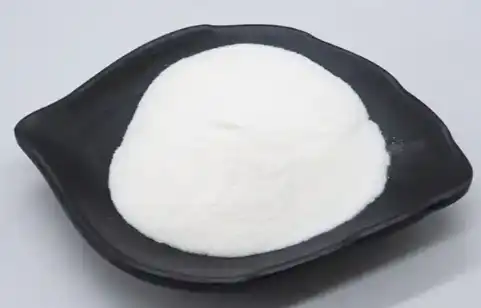
The chemical name of phloretin powder is 3-(4-hydroxyphenyl)-1-(2,4,6-trihydroxyphenyl)propan-1-one. Phloretin is a dihydrochalcone flavonoid naturally associated with apples, including their peel and other plant tissues. Its physicochemical properties and potential antioxidant activity have attracted interest from skincare formulators, cosmetic ingredient buyers, and researchers. Laboratory studies have investigated its interaction with tyrosinase and its potential role in topical delivery systems, but these findings do not establish the same benefits in every finished product. For B2B buyers evaluating ingredients for serums, emulsions, or other cosmetic formulations, understanding its chemical profile, formulation limitations, and available evidence supports more informed sourcing decisions.
Understanding Phloretin Powder: Properties and Benefits
Chemical Identity and Physical Properties
Phloretin is the aglycone form of phlorizin, a related glycoside found in apple tissues. In chemical terms, the aglycone does not contain the glucose group present in the glycoside. Phloretin has relatively limited water solubility, while its solubility in organic solvents depends on the solvent and experimental conditions. Its reported melting point is approximately 260–264°C, although specifications should be checked against the relevant reference and test method. These characteristics are important when selecting solvents, carriers, and processing conditions for cosmetic formulations.
For product developers, phloretin's limited aqueous solubility can present challenges in transparent serums and other water-based systems. Solvent compatibility, crystallization risk, and formulation stability should therefore be evaluated during development. The ingredient may be considered for leave-on skincare products, but its suitability depends on the overall formulation, intended use, and supporting safety information.

Bioactive Mechanisms That Matter
Research has investigated several biological activities of phloretin, including its interaction with glucose transporters, its effects on selected enzymes, and its behavior in lipid membranes. Some of these findings come from laboratory or preclinical studies and should not be interpreted as established cosmetic benefits in humans.
First, phloretin has been studied for its interaction with sodium-dependent glucose transporters, including SGLT1 and SGLT2. These observations are relevant to biochemical research, but they do not demonstrate that topical phloretin controls sebum production or improves oily skin.
Second, laboratory research has reported effects on enzymes such as matrix metalloproteinase-1 (MMP-1) and elastase. These findings have prompted interest in its potential relevance to skin research, but they do not establish that a cosmetic containing phloretin prevents collagen or elastin degradation in people.
Third, studies have explored how phloretin interacts with lipid membranes and may influence the delivery of certain co-formulated substances. Its performance depends on the delivery system, concentration, and formulation conditions. These mechanisms provide a basis for further investigation, rather than a guarantee of improved ingredient penetration or finished-product efficacy.
Skin Benefits Backed by Evidence
Laboratory studies have reported that phloretin can influence tyrosinase activity and melanin-related measurements under specific experimental conditions. These findings have generated interest in its potential use in formulations designed to improve the appearance of uneven skin tone. However, laboratory activity alone does not establish that topical phloretin visibly reduces dark spots or pigmentation in humans.
Phloretin has also been investigated for antioxidant activity. A small human study evaluated a topical antioxidant combination containing vitamin C, ferulic acid, and phloretin and reported effects on selected markers associated with ultraviolet-induced skin damage. Because the study examined a combination, its results should not be attributed to phloretin alone or interpreted as proof that phloretin provides sunscreen-level protection.
For research and development teams, the available findings offer a scientific basis for exploring phloretin in cosmetic formulations. The appropriate concentration should be established through formulation trials, safety assessment, and finished-product testing rather than applying a universal usage range. Evidence supporting the final product should guide any claims about visible results.
Comparison with Other Popular Skin-Enhancing Ingredients
Phloretin vs. Vitamin C and Ferulic Acid
Vitamin C, particularly L-ascorbic acid, is widely used in antioxidant skincare formulations. Its stability can be affected by factors such as pH, light, oxygen, temperature, and the composition of the finished formula. Phloretin has been studied as a component of topical antioxidant combinations containing vitamin C and ferulic acid.
A published study investigated a combination of these three ingredients and reported protection against selected markers of ultraviolet-induced skin damage under the study conditions. This supports further interest in combination formulations, but it does not prove that phloretin independently stabilizes every vitamin C product or extends shelf life under all storage conditions.
For formulators, compatibility and stability should be evaluated in the actual formulation. Factors such as ingredient grade, packaging, pH, processing, and storage can influence product performance. B2B buyers should confirm the specification and request relevant technical information before selecting a phloretin ingredient for a commercial development project.
Phloretin vs. Niacinamide and Arbutin
Niacinamide and arbutin are commonly used in cosmetic products designed to improve the appearance of uneven skin tone. They have different chemical structures and formulation characteristics, so their performance should not be compared solely on the basis of a single proposed mechanism.
Arbutin is a hydroquinone-related glycoside, but it should not simply be described as releasing a predictable amount of hydroquinone in the skin. Its use and restrictions depend on the specific form, product category, and applicable market requirements. Niacinamide has been studied for its effects on melanosome transfer and other skin-related processes.
Phloretin powder has been investigated for antioxidant activity and its interaction with tyrosinase in laboratory studies. These findings suggest potential formulation interest, but they do not establish that it delivers superior brightening results or can replace other ingredients at an equivalent concentration.
For procurement teams seeking to streamline a formula, the practical approach is to compare ingredient specifications, compatibility, stability, safety information, and evidence for the intended cosmetic claim. The most suitable ingredient depends on the product's development goals and performance requirements.
Natural vs. Synthetic Phloretin: Sourcing Considerations
Phloretin may be obtained through different production routes, and buyers should confirm the origin of the specific material being offered. Plant-derived ingredients may support certain sourcing or product-positioning goals, but a natural-origin claim should be backed by appropriate documentation. Synthetic or otherwise produced material should be assessed against the same relevant identity, purity, safety, and application requirements.
There is no single purity threshold that automatically establishes suitability for every formulation. A specification such as 98% purity may be relevant to a particular procurement requirement, but buyers should confirm whether it is available and how it is measured. Batch-specific analytical results, traceability information, and a clearly defined test method are more useful than assuming that one purity level is a universal industry benchmark.
For B2B buyers, comparing source documentation, analytical methods, batch consistency, and total cost helps determine whether an ingredient meets the needs of the target product and market.
Practical Guide on Using and Storing Phloretin Powder
Formulation Best Practices
Because phloretin has limited water solubility, formulators may need to evaluate suitable solvent systems, carriers, or solubilization approaches before incorporating it into an aqueous formulation. The choice depends on the intended product, the other ingredients, and the solubility and stability data available for the specific grade.
A universal usage level cannot be recommended for every cosmetic application. Concentration should be determined through formulation development, compatibility testing, safety assessment, and the requirements of the destination market. Compatibility with peptides, vitamin C, retinoids, and other active ingredients should be verified in the actual formula rather than assumed from the ingredient names alone.
The optimal pH also depends on the full formulation. Although acidic conditions may be relevant to certain vitamin C systems, a specific pH should not be treated as a universal stability requirement for phloretin. Formulators should assess precipitation, discoloration, changes in appearance, and other stability indicators under the intended manufacturing and storage conditions.
Storage Conditions to Protect Potency
The long-term stability of phloretin depends on factors such as light exposure, temperature, moisture, packaging, and the composition of the material. Buyers should follow the storage instructions supplied for the specific grade and confirm the stated shelf life through product documentation. The following considerations can help guide storage planning:
Temperature: Use the supplier's documented storage range. Do not assume that refrigeration is required or that room-temperature storage is suitable for every grade without supporting stability information.
Exposure to light: Protect the material from unnecessary light exposure, particularly during storage and handling, because phloretin has reported photostability limitations.
Moisture: Keep the powder in its specified, tightly closed packaging and avoid unnecessary exposure to humid conditions. Any humidity limits should be based on product-specific documentation.
Packaging: Use suitable, well-sealed containers compatible with the ingredient and the intended storage conditions. Packaging suitability should be confirmed rather than assumed from the container material alone.
These considerations apply throughout the supply chain, from storage before dispatch to handling at the formulation site. Procurement teams should confirm the packaging, transport conditions, and storage instructions before arranging bulk shipments.
Troubleshooting Common Manufacturing Challenges
Limited solubility is one potential challenge when incorporating phloretin powder into water-based formulations. A possible development approach is to screen compatible solvent or carrier systems and evaluate whether an appropriate solubilizer is needed. Heating may be considered during development only when it is compatible with the ingredient and the rest of the formula.
Increasing the solvent or glycol content, or adding a solubilizer, may help in some systems, but it is not a guaranteed solution. Excessive solvent levels can affect skin feel, product compatibility, and regulatory suitability. The risk of precipitation should be evaluated through formulation trials and stability testing under relevant conditions.
For B2B buyers, sharing the intended formulation type, target concentration, and processing conditions can help clarify the technical information needed to assess ingredient suitability.
Procurement Insights for B2B Buyers: Sourcing and Supplier Evaluation
Quality Standards to Require from Any Supplier
When purchasing phloretin powder, request a batch-specific Certificate of Analysis (COA) and confirm which parameters are included. Depending on the product specification and intended application, relevant items may include identity, assay or purity, appearance, moisture or loss on drying, and other agreed physical and chemical parameters.
Microbiological limits, heavy metal results, and residual solvent information may also be relevant, depending on the ingredient's intended use and applicable requirements. Buyers should confirm which tests are available, which methods are used, and whether results apply to the actual batch being purchased. Numerical acceptance limits should be agreed in advance rather than assumed to be universal for every supplier or application.
For products intended for cosmetic use, the applicable regulatory framework depends on the destination market and the product's intended claims. In the United States, cosmetic claims must be truthful and not misleading, and claims that imply treatment of disease or effects on body structure or function may cause a product to be regulated as a drug. Regulatory suitability should therefore be evaluated for the intended finished product rather than inferred from a raw material's COA alone.
Evaluating Supplier Reliability
Procurement teams should evaluate more than the quoted price. Product specifications, analytical documentation, communication, order requirements, delivery arrangements, and the supplier's ability to provide consistent documentation all influence the purchasing decision.
Where available, request COAs from multiple batches to compare reported results and understand the range of observed variation. Ask for the test methods and any relevant supporting documents needed for your quality review. Additional testing or independent verification may be considered where it is appropriate to the intended use and risk assessment.
Before placing a bulk order, confirm product identity, purity specification, packaging, quantity, available documentation, delivery terms, and any requirements for samples. A supplier's willingness to explain the scope and limitations of its documentation can help buyers assess whether the material is appropriate for their project.
Pricing, Volume, and Long-Term Supply Planning
The price of phloretin can vary according to the product specification, source, order quantity, availability, and documentation requirements. Buyers should compare quotations on a like-for-like basis, including the stated assay, test method, packaging, and delivery terms.
For larger orders, it is useful to clarify source information and any sustainability or origin claims that are important to the brand. Landed cost calculations should consider the quoted shipping terms, freight, insurance where applicable, customs requirements, and other costs relevant to the destination.
For ongoing supply, buyers can discuss expected demand, repeat-order specifications, documentation requirements, and arrangements for reviewing incoming batches. Periodic quality reviews may help identify changes in the supplied material, but the frequency and scope should be agreed according to the product and procurement needs. A clearly defined supply agreement can help both parties manage expectations on specifications, availability, and order planning.
Maximizing Value with Phloretin: Integration into Your Product Line
Applications Across Cosmetic and Nutraceutical Categories
Phloretin is primarily of interest in cosmetic and formulation research because of its chemical properties and the biological activities reported in laboratory studies. It may be considered for skincare development projects involving antioxidant formulations or products intended to improve the appearance of skin tone, provided the final formulation is appropriately assessed and the claims are supported.
Its use in nutraceuticals or products intended for oral consumption should not be assumed to be suitable simply because it has been studied in cells or topical formulations. Such applications require a separate assessment of safety, ingredient status, intended exposure, and regulatory requirements. Evidence from topical research does not establish the safety or effectiveness of oral phloretin products.
Researchers investigating transdermal delivery have also examined phloretin's interaction with skin and formulation systems. However, these findings do not establish that every phloretin-containing liquid or patch can act as a reliable delivery enhancer. The finished formulation and intended use need to be evaluated separately.
Market Trends Supporting Natural Antioxidants
Interest in plant-derived ingredients and antioxidant skincare continues to create opportunities for ingredient suppliers and product developers. However, market demand alone does not establish the efficacy, safety, or regulatory suitability of a particular ingredient.
Brands considering phloretin can focus on clear product specifications, well-supported ingredient descriptions, and transparent documentation. Scientific studies may provide useful context for formulation development, but marketing claims should reflect the actual evidence and the performance of the finished product. This approach helps avoid overstating benefits while giving buyers meaningful information for product evaluation.
Partnering with the Right Ingredient Source
An ingredient supplier can support purchasing decisions by providing clear product specifications, available analytical documentation, sourcing information, and details about packaging and ordering. Depending on the supplier's confirmed capabilities, technical discussions may also help buyers identify questions for their formulation teams, such as solvent compatibility, handling, and stability evaluation.
Before proceeding with a project, confirm which documents and services are actually available for the specific phloretin grade. Clear communication at the sample and quotation stage helps buyers assess material suitability and plan the transition from initial formulation trials to larger purchasing volumes.
Conclusion
Phloretin powder is a plant-associated dihydrochalcone that has attracted interest in cosmetic research because of its physicochemical properties and reported antioxidant and tyrosinase-related activity in laboratory studies. Research has also explored its use in topical antioxidant combinations, but the evidence does not establish that every phloretin ingredient or finished product will deliver visible brightening, anti-aging, or enhanced skin penetration.
For buyers in the skincare and cosmetic ingredient sectors, a practical sourcing strategy includes confirming identity, assay, analytical methods, batch documentation, storage instructions, and suitability for the intended formulation. Comparing suppliers on clear specifications and verifiable documentation helps support informed purchasing decisions and more credible product positioning.

FAQ
1. What Makes Phloretin Different From Other Antioxidants In Skincare Formulations?
Phloretin has been investigated for antioxidant activity and for interactions with biological targets such as tyrosinase in laboratory studies. It has also been included in topical antioxidant combinations with ingredients such as vitamin C and ferulic acid. These properties make it of interest to formulation researchers, but they do not establish that phloretin independently delivers brightening, skin protection, and improved delivery of other actives in every product. Finished-product performance should be evaluated through appropriate testing.
2. Is phloretin suitable for sensitive skin formulations?
Suitability for sensitive skin cannot be established from ingredient identity or concentration alone. It depends on the phloretin grade, the full formula, exposure conditions, and the safety assessment of the finished product. There is no universal concentration that guarantees good tolerance for all users. Formulators should evaluate the intended use and conduct appropriate safety and compatibility testing before positioning a product for sensitive skin.
3. How do I verify the authenticity of a phloretin supplier?
Request a batch-specific COA that identifies the material and reports the relevant analytical results. Confirm the method used for identity and purity testing, and request additional documentation relevant to the intended application, such as available heavy metal, microbiological, or residual solvent results. Where needed, compare documents from multiple batches or arrange independent verification. Also confirm sourcing information, packaging, order requirements, and the scope of any claims made by the supplier.
4. What certifications should a reliable phloretin powder manufacturer hold?
There is no single set of certifications that automatically establishes suitability for every phloretin application. Documentation needs depend on the intended use, destination market, buyer requirements, and supplier's actual operations. Buyers should verify the validity and scope of any certification or registration claimed by a supplier rather than treating it as proof of product efficacy or universal regulatory approval. For cosmetic applications, the finished product and its claims must still meet the applicable requirements of the target market.
Partner with Angelbio for Your Phloretin Powder Supply
Angelbio welcomes inquiries from cosmetic ingredient buyers, skincare formulators, and distributors seeking phloretin powder for product development and bulk sourcing. To help evaluate your requirements, please share your target purity, intended application, estimated order quantity, packaging preference, and destination market.
Available grades, analytical methods, batch documentation, sample availability, and delivery arrangements should be confirmed for the specific product before ordering. Our team can discuss your sourcing requirements and provide information available for review.
Contact angel@angelbiology.com to request product details or a quotation.
References
1. Ehrenkranz, J. R. L., et al. “Phlorizin: A Review.” Diabetes/Metabolism Research and Reviews, 2005.
2. Lin, F. H., et al. “Ferulic Acid Stabilizes a Solution of Vitamins C and E and Doubles Its Photoprotection of Skin.” Journal of Investigative Dermatology, 2005.
3. Kerem, Z., et al. “Antioxidant Activity of Apple Phenolics with Relation to Their Contribution to Fruit Flavor.” Journal of Agricultural and Food Chemistry, 2006.
4. Rezai-Zadeh, K., et al. “Flavonoid-Mediated Inhibition of SGLT Sodium-Dependent Glucose Cotransporters.” Phytochemistry, 2013.
5. Kim, Y. J., & Uyama, H. “Tyrosinase Inhibitors from Natural and Synthetic Sources.” Cellular and Molecular Life Sciences, 2005.
6. Grand View Research. “Botanical Extracts Market Size, Share & Trends Analysis Report.” Grand View Research, 2023.
YOU MAY LIKE
 VIEW MOREErgothioneine Extract Powder
 VIEW MOREPolygonum Cuspidatum Extract Powder
 VIEW MOREBulk Polygonum Cuspidatum Extract Powder
 VIEW MOREAcerola Cherry Extract Powder
 VIEW MOREBlack Elderberry Extract Powder
 VIEW MOREL-glutathione Powder
 VIEW MOREWhite Willow Bark Extract Salicin
 VIEW MOREPure Melatonin Powder